

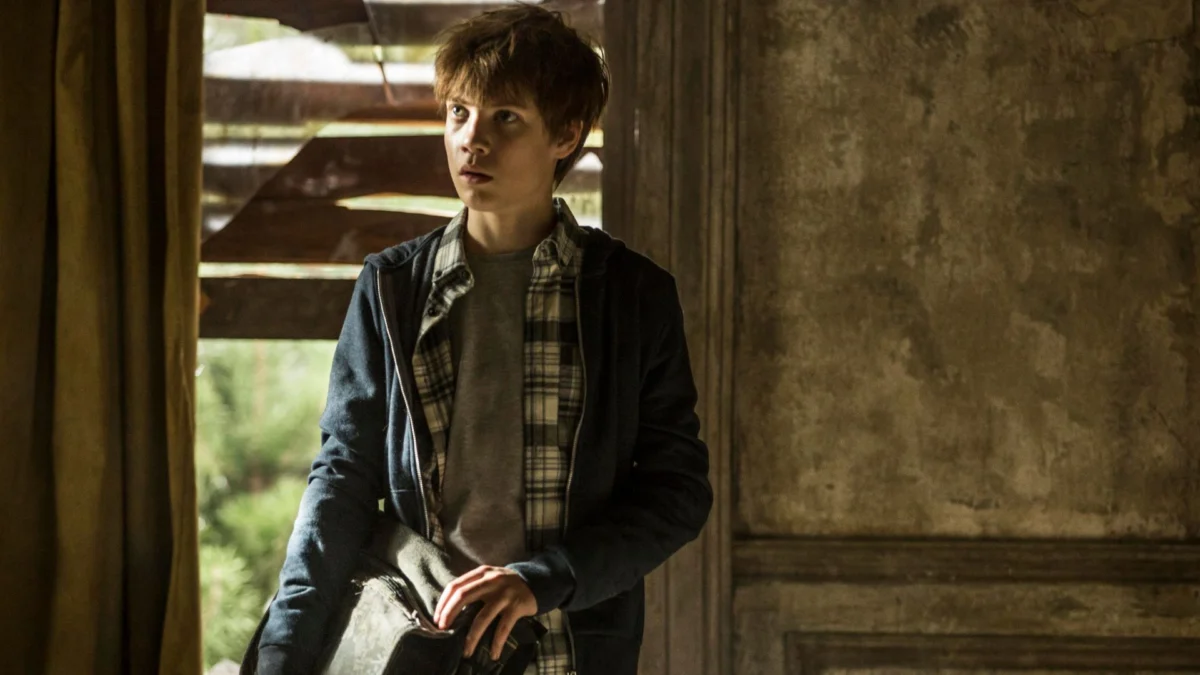
The landscape of televised fantasy is currently undergoing a radical transformation. As we move deeper into 2026, the streaming wars are intensifying, with major platforms scrambling to secure the next generation of intellectual property to rival the cultural dominance once held by Game of Thrones. While traditional titans—such as the highly debated Harry Potter series, the upcoming The Lord of the Rings: The Hunt for Gollum, and Greta Gerwig’s highly anticipated Narnia reboot—prepare for their debut within the next twelve months, a secondary, perhaps more innovative, wave of projects is quietly gaining momentum.
These new projects are moving beyond the well-trodden paths of "high fantasy" to embrace the complexities of tabletop gaming, cult-classic literature, and gritty, character-driven sagas. From the dark, intergalactic reality of Dungeon Crawler Carl to the sprawling, storm-ravaged world of Brandon Sanderson’s The Stormlight Archive, the industry is betting big on diverse storytelling.
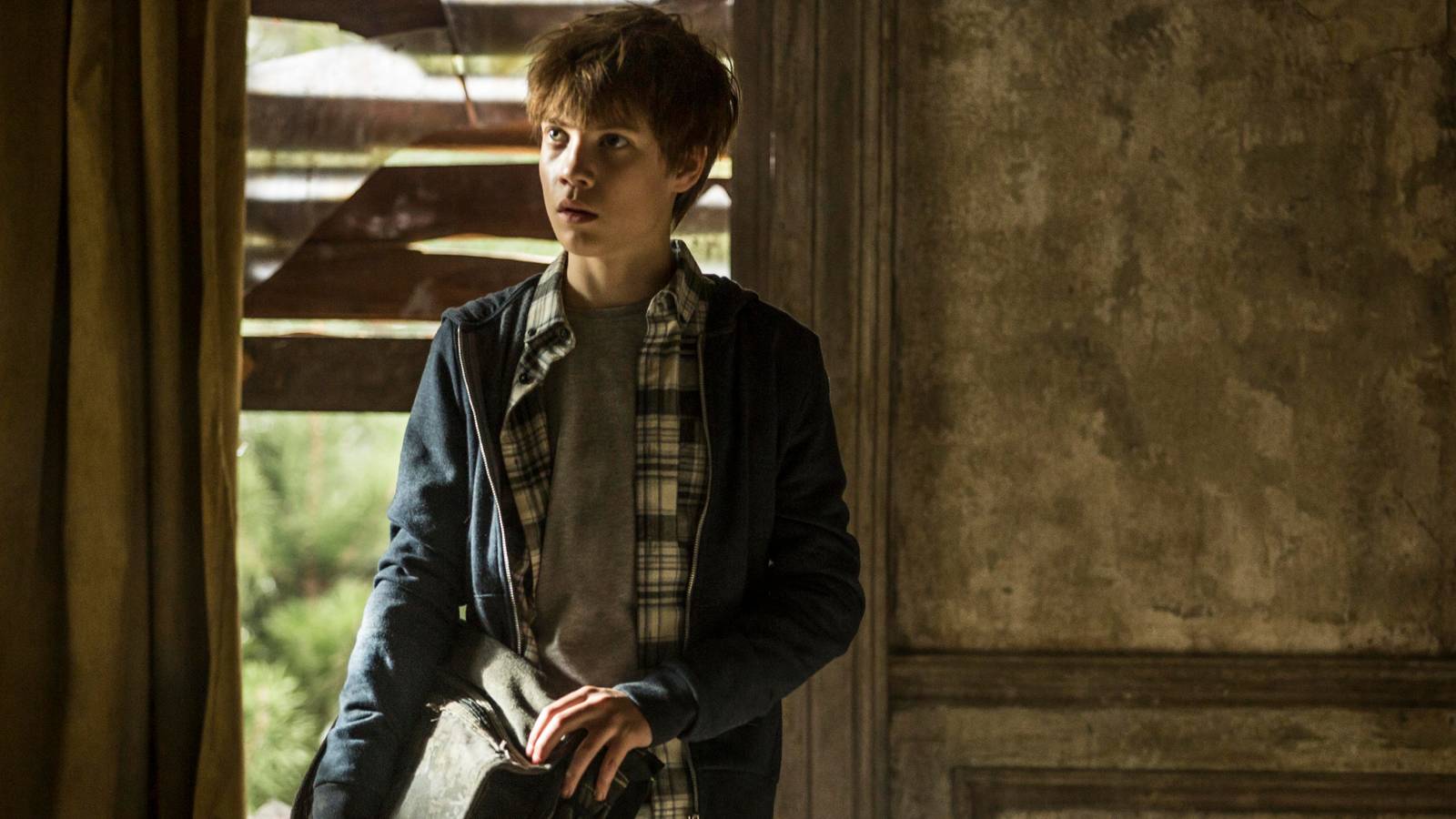
The Evolution of Fantasy: Beyond the Mainstream
For years, the gold standard for fantasy on television was defined by the political maneuvering of Westeros or the nostalgic, suburban supernaturalism of Stranger Things. However, audience appetites are shifting. Today’s viewers are increasingly drawn to the intricate rule sets of tabletop gaming and the nuanced world-building of modern literary phenomena.
The current development slate suggests a departure from traditional hero’s journeys. Instead, studios are prioritizing "intellectually demanding" narratives. Whether it is the card-based strategic depth of Magic: The Gathering or the meta-narrative brilliance of Dungeon Crawler Carl, the next year promises a landscape where the source material is treated with more reverence than in previous decades, fueled by a generation of showrunners who grew up as fans of these very properties.

A Chronology of Upcoming Fantasy Prestige Projects
The following timeline reflects the most significant developments currently in progress as of mid-2026:
- 2026 Q3: Anticipated updates regarding the live-action vs. animated status of Dungeon Crawler Carl, currently in development under the guidance of Seth MacFarlane and writer Christopher Yost.
- 2026 Q4: Expected production milestones for the Warhammer 40,000 universe, with Henry Cavill continuing to shepherd the project through the development of the Imperium’s lore.
- 2027 (Projected): Potential premiere windows for the highly anticipated The Dark Tower series under Mike Flanagan, following his success in securing a vision that has received the blessing of Stephen King.
- 2027-2028: The long-term roll-out of Apple TV’s adaptation of The Stormlight Archive, intended to be a multi-season epic that establishes a new benchmark for high-budget world-building.
Supporting Data: The Shift in Genre Consumption
The industry’s pivot toward these specific titles is not arbitrary. Market analysis indicates that fantasy audiences are becoming increasingly "genre-literate." They no longer require a simplified, exposition-heavy introduction to magical systems.
| Property | Format | Primary Platform | Appeal Factor |
|---|---|---|---|
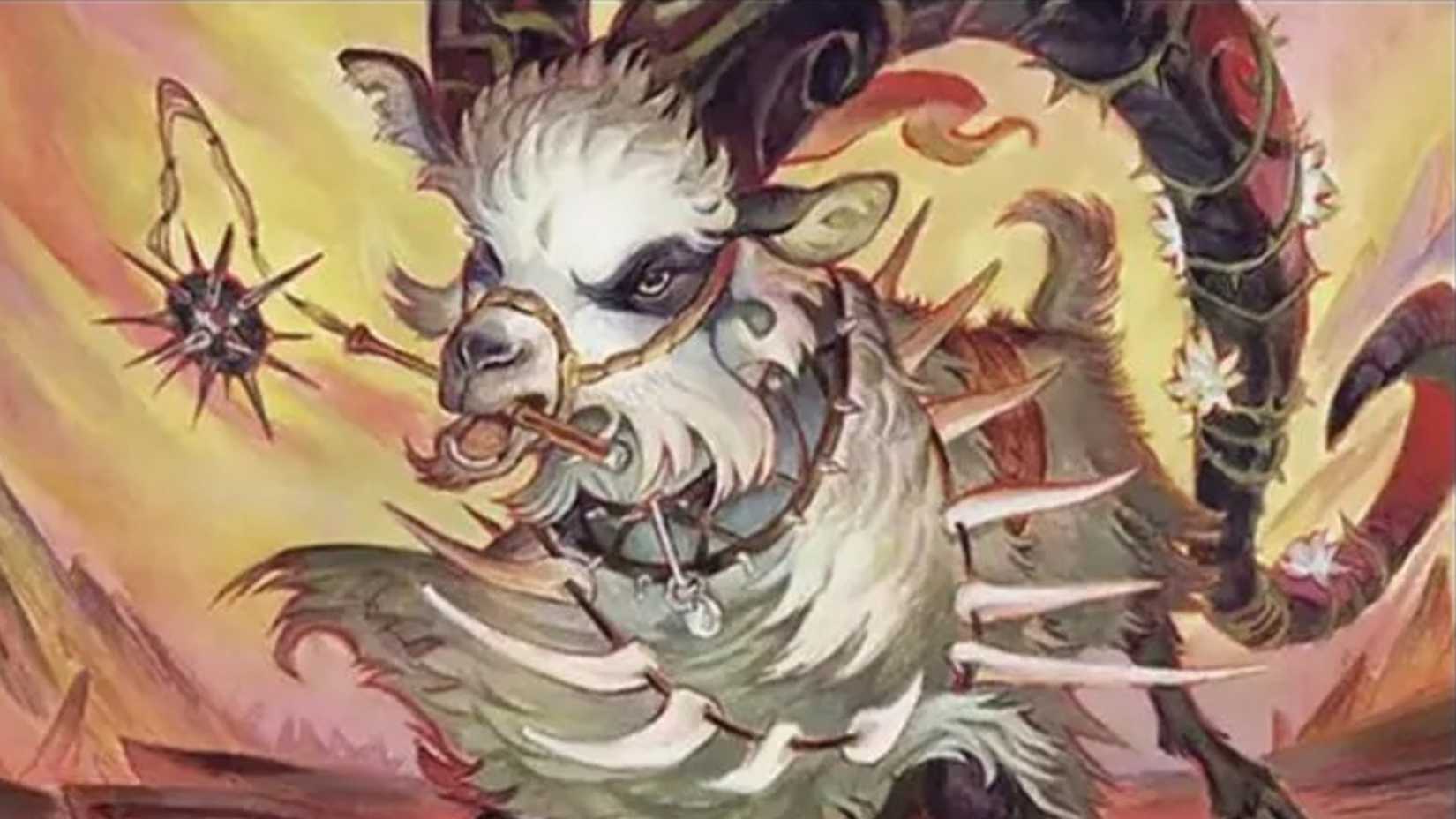
| Magic: The Gathering | Animated | Netflix | Deep lore/Fanbase loyalty |
| The Dark Tower | Live-Action | Amazon Prime | Prestige/Literary pedigree |
| Dungeon Crawler Carl | TBD | Peacock | Dark humor/Cult status |
| Fourth Wing | Live-Action | Amazon Prime | Romance-fantasy crossover |
| The Stormlight Archive | Live-Action | Apple TV+ | Epic scale/World-building |
This data reflects a trend where "crossover" appeal is king. Fourth Wing, for example, bridges the gap between high fantasy and contemporary romance, a sector that has seen exponential growth in book sales over the last three years. Similarly, the move toward animation for Magic: The Gathering mirrors the critical and commercial success of projects like Arcane, suggesting that audiences are increasingly comfortable with mature, adult-oriented animation.
Official Responses and Creative Visions
The path to production has not been without its hurdles. Public perception has become a critical component of the development process.
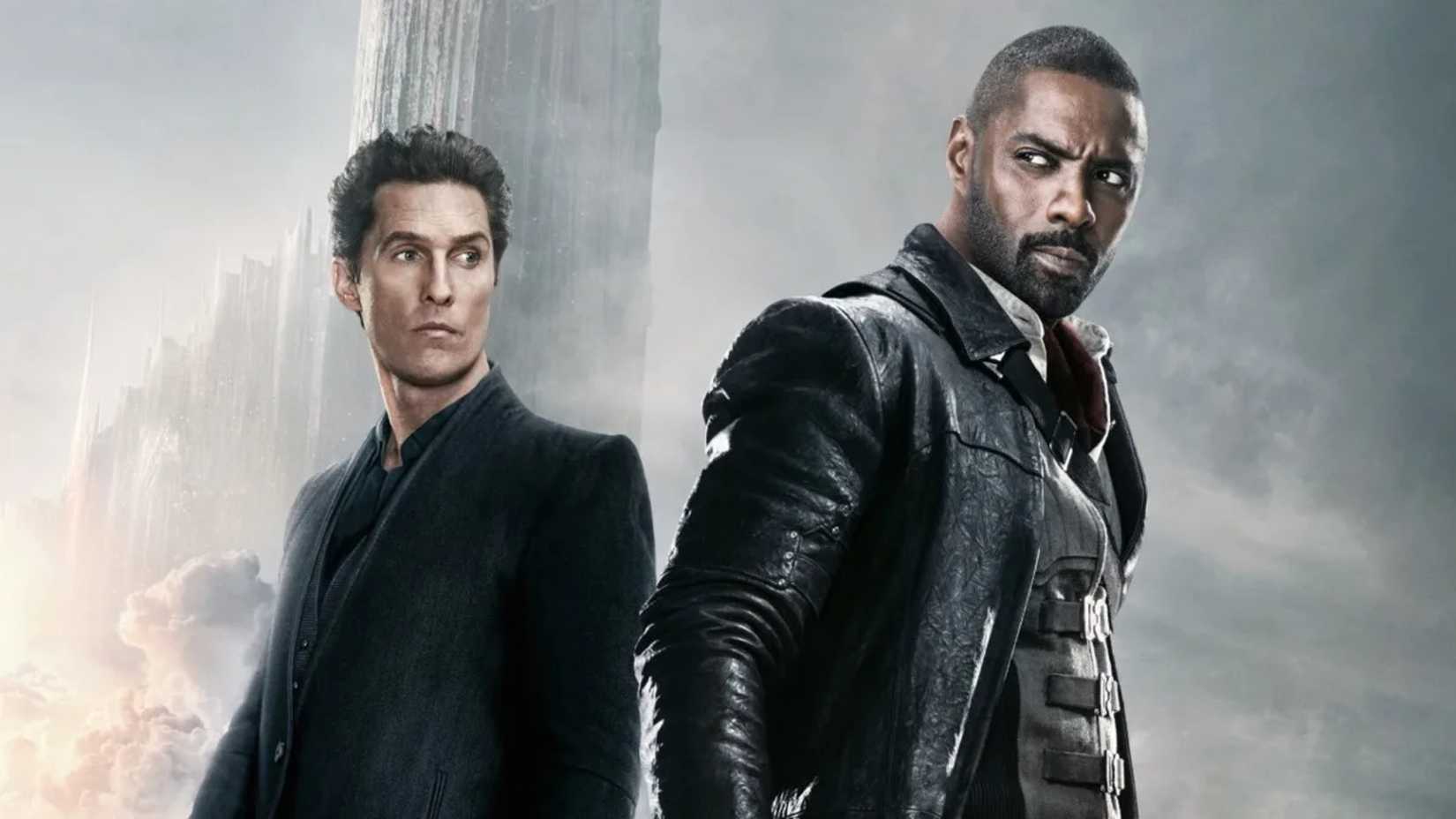
Mike Flanagan on The Dark Tower
After the disastrous 2017 feature film attempt, which failed to capture the tone of Stephen King’s magnum opus, showrunner Mike Flanagan has been vocal about his responsibility to the fans. In a recent statement to Deadline, Flanagan emphasized that the previous adaptation could not remain the definitive screen version. His commitment to a more faithful, multi-season structure has reportedly been a major factor in keeping the project alive within Amazon’s internal development pipelines.
Ryan Hurst and the God of War Backlash
The God of War adaptation faced immediate scrutiny following the release of a "first-look" image that many fans criticized as appearing overly artificial. Ryan Hurst, who plays Kratos, took to social media to quell concerns. His cryptic message, "Don’t believe everything you see on the internet, kids," suggests that the leaked imagery was either an early-stage test or a deliberate misdirection, reinforcing the studio’s desire to protect the project’s visual integrity until it is ready for public consumption.
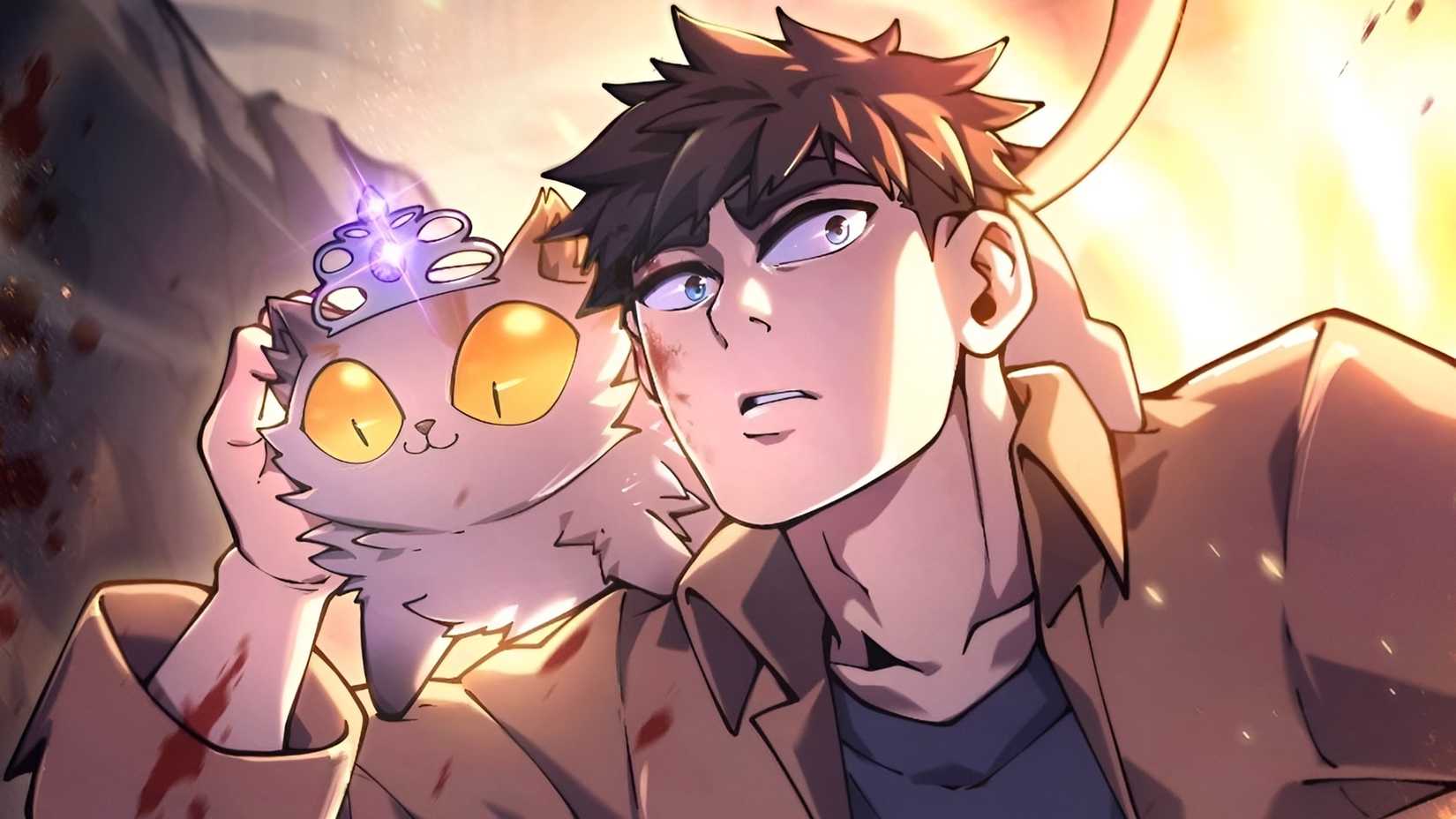
Matt Dinniman on Dungeon Crawler Carl
Author Matt Dinniman, in a candid interview with Variety, acknowledged the uncertainty regarding whether his hit book series would arrive as live-action or animation. Dinniman’s pragmatic approach—that the success of the show hinges entirely on the visual execution—highlights the delicate balance between maintaining the "cult" aesthetic of the source material and the demands of a high-budget television production.
Implications for the Future of Television
The implications of these developments are profound. We are witnessing the end of the "generic fantasy" era. The projects currently in development share a common thread: they are deeply embedded in specific, pre-existing subcultures.
- The Rise of the Auteur-Fan: Projects like Henry Cavill’s Warhammer 40,000 demonstrate a shift toward having "true believers" in the executive producer chair. Cavill’s departure from The Witcher over creative differences serves as a cautionary tale for studios: ignore the source material at your own peril.
- The "Prestige" Pivot: With Apple TV+ entering the fray with The Stormlight Archive, the platform is clearly positioning itself to compete with the likes of The Rings of Power. This suggests that fantasy is no longer a "niche" interest but a foundational pillar of any major streaming service’s content strategy.
- Development Hell as a Filter: Not all projects will survive. Ninth House, despite Stephen King’s glowing endorsement, remains stalled. This serves as a reminder that even the most critically acclaimed literature is not immune to the economic realities of the streaming industry. The "development hell" that many of these projects face acts as a brutal filter, ensuring that only the most robust concepts make it to the screen.
As these series begin to materialize, the audience should prepare for a landscape that is both more fragmented and more creatively rich than ever before. The next twelve months will not just be a test of which franchises are the most popular, but a test of which platforms can most effectively translate the "inner logic" of these beloved worlds into a language that resonates with a global audience. Whether through the lens of a deck of cards, a hurricane-torn planet, or an intergalactic game show, the future of fantasy television is undeniably complex, ambitious, and—above all—unstoppable.











No comments yet. Be the first to join the conversation!