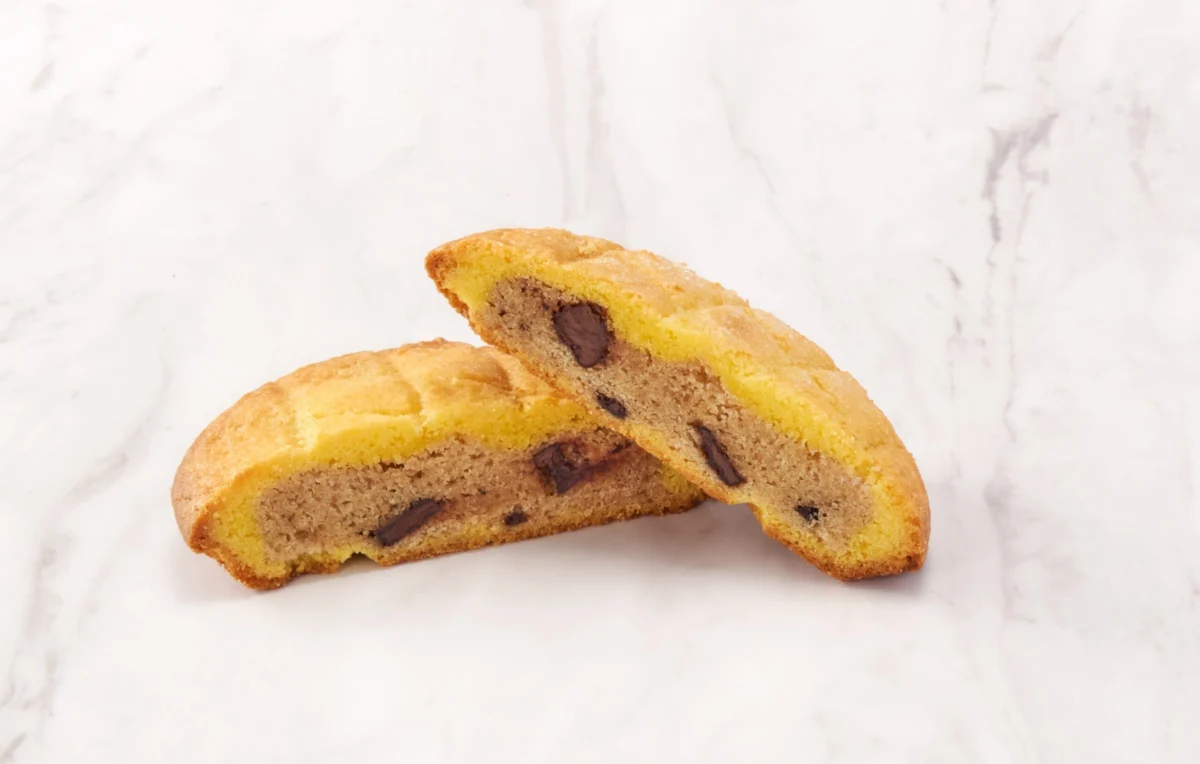
The Japanese convenience store landscape—often referred to as konbini—is currently undergoing a period of intense culinary experimentation. Leading this charge is 7-Eleven Japan, which has spent the summer of 2026 aggressively diversifying its food offerings. From the introduction of whimsical pink-hued fruit sandwiches to the deployment of sophisticated in-store tea-brewing technology, the retail giant is moving beyond the standard grab-and-go model. The latest chapter in this strategy is perhaps its most indulgent yet: a hybrid pastry that marries the beloved, sugary architecture of traditional melon pan with the decadent, molten heart of a gourmet chocolate cookie.
Main Facts: A Convergence of Classics
The new product, debuting under the banner of the "Seven Cafe Bakery" line, represents a significant departure from standard shelf-stable snacks. Unlike most convenience store pastries, these items are baked in dedicated ovens located directly behind the counter, bringing the sensory experience of a boutique boulangerie to the high-traffic convenience sector.
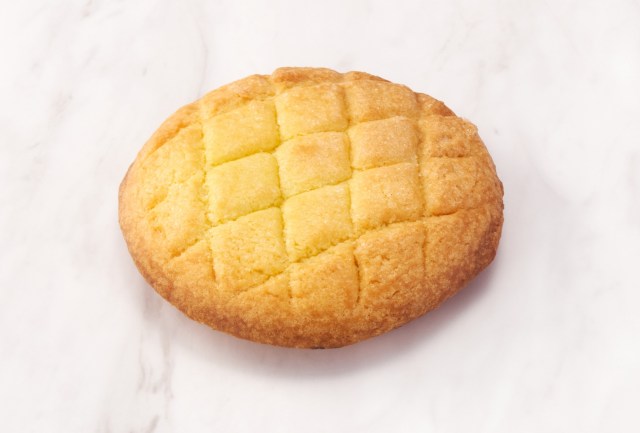
The core innovation lies in the structural composition of the cookie. 7-Eleven engineers have successfully isolated the hallmark features of melon pan—specifically, the sweet, buttery, and distinctively cross-hatched cookie crust—and utilized that dough as the shell for a rich chocolate interior. The result is a dual-texture experience: a crispy, sugar-dusted exterior that yields to a warm, gooey chocolate center.
Priced at 241 yen (approximately $1.50 USD), the cookie is positioned as a premium treat, aimed at office workers and students seeking an elevated mid-day snack. The product is scheduled for a nationwide rollout beginning July 7, 2026, marking a strategic expansion of the Seven Cafe Bakery portfolio.
A Chronology of Innovation: 7-Eleven’s Recent Pivot
The path to the "Melon Pan Cookie" was not an isolated incident, but rather the culmination of a broader strategic pivot that began in the second quarter of 2026.
- Early June 2026: 7-Eleven launched a series of "reimagined" fruit sandwiches. By utilizing pink-tinted bread and infusing the cream with sakura and peach flavors, the company captured the attention of social media users, proving that visual aesthetics are as critical as flavor profiles in the modern konbini market.
- Mid-June 2026: Recognizing the growing trend of international street food, the chain successfully integrated Korean gamja (potato) cheese balls into its hot food displays. This move demonstrated 7-Eleven’s agility in adopting viral food trends from neighboring East Asian markets.
- Late June 2026: The company tested the limits of its beverage services by introducing specialized tea-brewing machines. This was a bold move in a market traditionally dominated by drip coffee, forcing the chain to evaluate whether it could convert loyal coffee drinkers to high-end tea consumers.
- July 2026: The launch of the Melon Pan Cookie serves as the anchor for this summer’s dessert lineup. It follows the successful performance of the "Freshly Baked Chocolate Chip Cookie," which acted as the proof-of-concept for the store’s in-house baking capabilities.
Supporting Data: The Power of the "Melon Pan" Brand
To understand why 7-Eleven is betting on this specific flavor profile, one must look at the historical data regarding melon pan. Despite its name, the bread rarely contains melon; it derives its title from the appearance of its crust, which mimics the pattern of a cantaloupe.
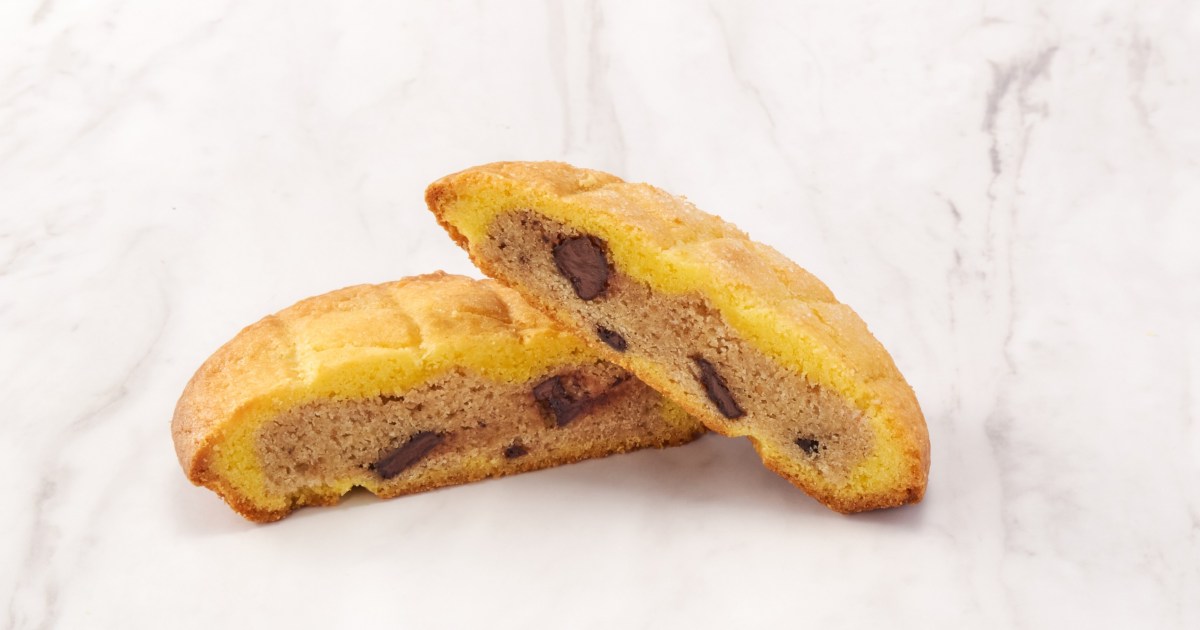
Market research indicates that melon pan is a staple of the Japanese diet, with a legacy spanning decades. 7-Eleven’s standard, pre-packaged melon bread, which debuted in 2024, currently retails at 161 yen. Since its introduction, it has consistently ranked in the top five best-selling items in the bakery category.
By leveraging the "crust" technology from this successful predecessor, 7-Eleven is utilizing a "halo effect." Consumers who already trust the brand’s melon bread are statistically more likely to trial a "derivative" product that promises a textural upgrade. Furthermore, the decision to bake the cookies on-site addresses a primary consumer grievance: the lack of freshness in mass-produced convenience store sweets. The caramelization process, which occurs during the in-store bake, creates a Maillard reaction that results in a golden-brown hue and a deeper, more complex flavor profile that factory-wrapped items cannot replicate.
Official Responses and Strategic Rationale
While 7-Eleven has remained relatively tight-lipped regarding the proprietary chemical composition of their new dough, spokespeople have emphasized that the "Seven Cafe Bakery" project is central to the company’s vision for the next decade.
"Our objective is to bridge the gap between the speed of a convenience store and the quality of a dedicated bakery," a representative stated during a press briefing. "By utilizing the same high-quality cookie dough ingredients as our flagship melon bread, we are creating a bridge between traditional Japanese comfort food and contemporary dessert trends. We aren’t just selling a cookie; we are selling the experience of a fresh, warm pastry at a time and place that is convenient for the customer."
Analysts suggest that this strategy is a direct response to the "premiumization" of the Japanese consumer. As the population becomes more discerning, the "cheap and fast" model is no longer sufficient to maintain market share against high-end artisanal bakeries and international cafe chains like Starbucks and Tully’s.
The Broader Implications for the Convenience Industry
The launch of the Melon Pan Cookie carries several significant implications for the future of the konbini industry:
1. The Death of the "Shelf-Stable" Standard
The success of in-store baking suggests that the future of convenience food is "fresh-baked." This requires a significant capital investment in infrastructure—specifically, high-efficiency, small-footprint ovens—and specialized staff training. If the Melon Pan Cookie succeeds, it is highly probable that other chains, such as FamilyMart and Lawson, will accelerate their own investments in on-site food preparation technology to keep pace.
2. Cross-Category Synergy
7-Eleven is effectively using its bakery line to drive traffic to its beverage machines. A warm, sweet cookie is a natural pairing for hot coffee or tea. By bundling these experiences, the store increases the average transaction value per customer. The "Seven Cafe" brand is no longer just about coffee; it is becoming a comprehensive destination for "bakery-cafe" style service.
3. Cultural Hybridization
The blending of Western-style cookie textures with a quintessentially Japanese pastry format reflects a growing trend in Japanese culinary innovation. This "East-meets-West" approach is essential for remaining relevant to younger demographics who are increasingly exposed to global food trends but retain a deep, nostalgic attachment to domestic classics.
4. Supply Chain Resilience
By focusing on a product that utilizes existing high-volume ingredients (the melon bread dough), 7-Eleven demonstrates a sophisticated approach to supply chain management. They are optimizing their existing inventory to create new SKUs (Stock Keeping Units) without the need for entirely new raw material procurement, thereby maintaining margins while increasing product variety.
Conclusion
The release of the Seven Cafe Bakery Melon Pan Cookie is more than just a seasonal promotional stunt. It is a calculated, strategic expansion that highlights 7-Eleven Japan’s ability to iterate on its own successes. By combining the familiarity of a beloved Japanese staple with the indulgence of a freshly baked cookie, the company is attempting to redefine what it means to purchase food at a convenience store.
As of July 7, 2026, customers nationwide will have the opportunity to test this theory. If the initial buzz on social media is any indication, the "Golden Crust Revolution" is likely to be a massive success. For the industry, the message is clear: in the race to win over the modern consumer, the kitchen is just as important as the checkout counter. Whether this move triggers a new wave of in-store culinary competition remains to be seen, but one thing is certain—the bar for convenience store snacks has been raised.