Ali Ikhwan
The landscape of indie puzzle gaming is currently undergoing a quiet, sophisticated revolution. While AAA titles often rely on bombastic set pieces and high-fidelity graphics, a new wave of "sleuth-simulators" is proving that the most gripping narratives can be found within the confines of a simulated desktop interface. At the forefront of this movement is developer Evil Trout, whose latest project, The Incident at Galley House, has officially arrived on Steam, marking a triumphant expansion of a genre that traces its roots to the humble, experimental corridors of Itch.io.
Following the success of The Roottrees are Dead—a title that redefined how players interact with digital archives—The Incident at Galley House has debuted to critical acclaim, boasting an overwhelming 97% positive rating from its first 600 user reviews. This success is not merely a stroke of luck; it is the culmination of a deliberate design philosophy that elevates the "detective-as-investigator" trope into a refined, high-stakes interactive experience.
The Chronology of a Genre Pivot
To understand the magnitude of the current success enjoyed by The Incident at Galley House, one must first look back at the origins of its predecessor. The Roottrees are Dead was, at its inception, a modest browser-based project. It asked players to inhabit the role of an investigator tasked with untangling the history of a sprawling, enigmatic family. By forcing the player to navigate a virtual computer, the game mimicked the authentic, tedious, and ultimately rewarding work of archival research.
The transition from a free browser game to a commercial, polished Steam release was a turning point for the developers. Jeremy Johnston, the visionary behind the original Roottrees design, noted that the leap was spurred by a serendipitous encounter on Discord. A developer operating under the moniker "Evil Trout" reached out to Johnston, recognizing the untapped potential in the game’s core mechanics. This partnership—Johnston providing the narrative architecture and design, and Evil Trout handling the technical heavy lifting—transformed The Roottrees are Dead into a cult phenomenon.
The success of that project set a precedent for the industry: browser-based mystery games, often overlooked in the broader market, were fertile ground for commercial success. When it came time to select a successor, the developers turned their gaze toward another standout title on Itch.io: Type Help, a text-heavy mystery by William Rous. Recognizing the same "stripped-back magic" that made their first project a hit, the trio decided to collaborate once more, effectively creating a pipeline that brings the most innovative experimental designs to a wider, mainstream audience.
The Anatomy of the Investigation
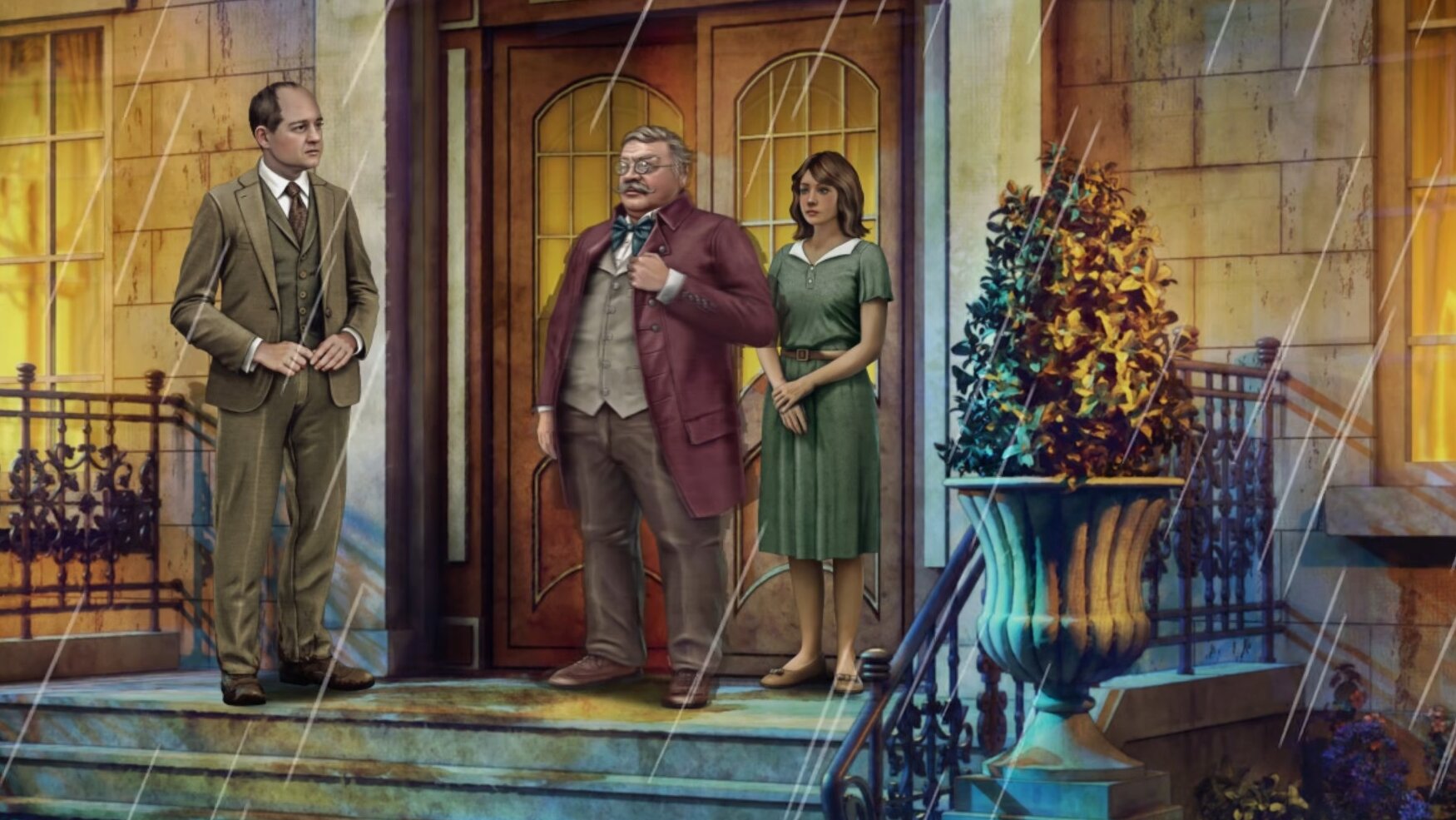
The Incident at Galley House is not a simple rehash of its predecessor’s mechanics. While The Roottrees are Dead relied on the austerity of a simulated desktop, Galley House expands the scope significantly. The game introduces a visual novel-style presentation, blending static 2D illustrations with a "mysterious 3D interface" that allows players to navigate memories as if they were physical spaces.
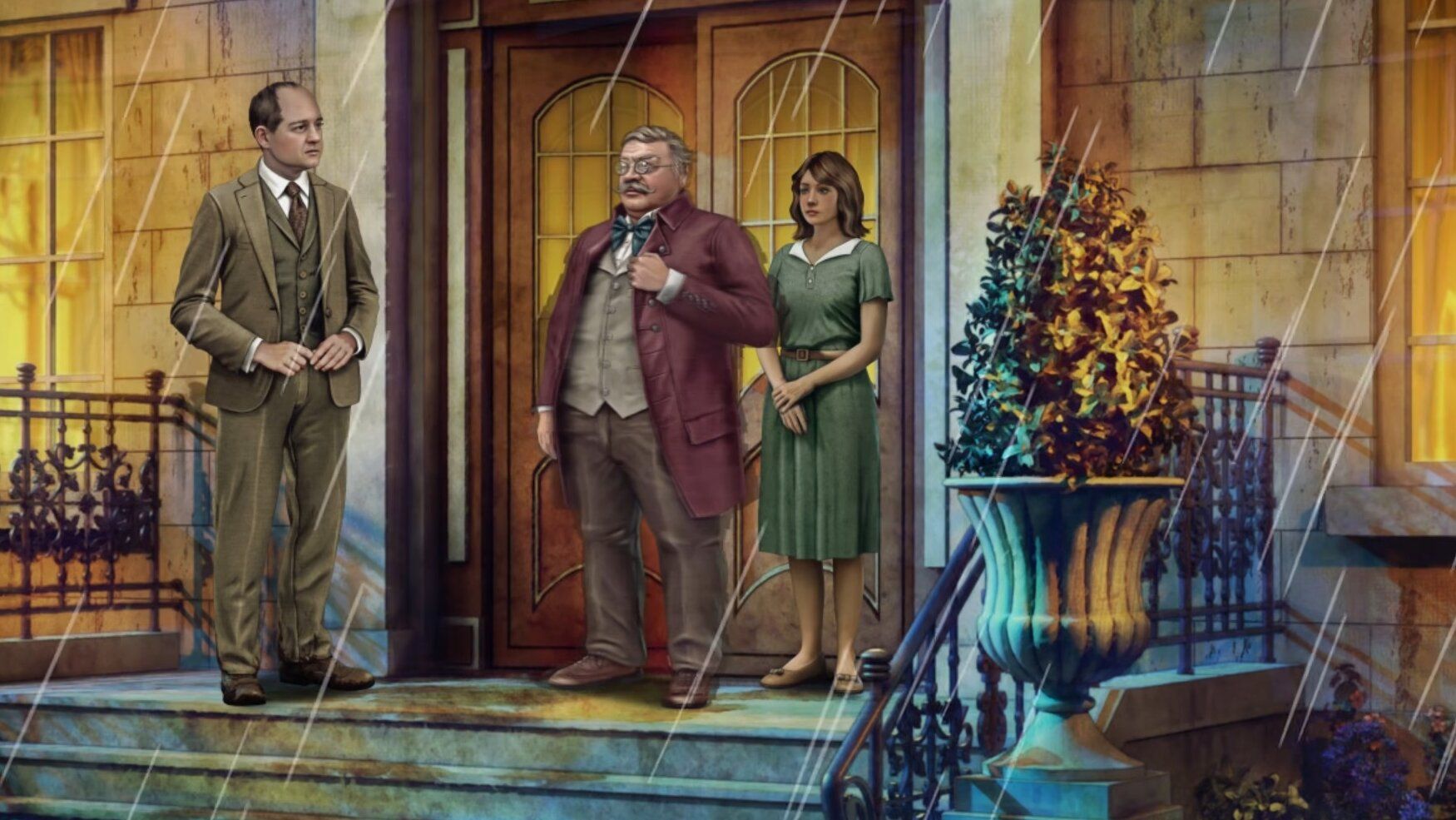
This evolution is critical. By moving beyond pure text, the developers have managed to retain the "frustrating," deep-dive investigative feel of the genre while making it more accessible to players who demand a more tactile experience. The game is less about solving a riddle and more about assembling a puzzle whose pieces are hidden within voices, spatial geometry, and layered, non-linear narratives.
The critical reception suggests this shift was a masterstroke. Players are reporting that the game captures the same "rush of deduction" that defined the genre’s best, such as Lucas Pope’s masterpiece, Return of the Obra Dinn. In an era where players are increasingly fatigued by "hand-holding" design, the cold, clinical, and demanding nature of The Incident at Galley House stands out as a breath of fresh air.
Supporting Data: A Market Shift
The numbers behind this success are telling. In the highly saturated Steam marketplace, achieving a 97% positive review score is an anomaly. It suggests that the game has successfully tapped into a dedicated community of "detective genre" enthusiasts—a demographic that was famously highlighted by PC Gamer contributor Abbie Stone when she identified 2025 as the single best year for the genre.
The collaboration between Rous, Johnston, and Evil Trout has effectively created a brand identity. Players who enjoyed the investigative rigor of The Roottrees are Dead now have a reliable source for high-quality, intellectually demanding detective fiction. This shift in the market is supported by the data from the launch window: the game has already secured a significant player base despite being a niche title. With a 10% launch discount currently active through July 21, the developers are leveraging the initial momentum to ensure the game reaches the "recommended" algorithms of the Steam storefront.
Official Perspectives: The Philosophy of Collaboration
The success of The Incident at Galley House has sparked conversations across the industry regarding the viability of the "remake-as-a-service" model for independent developers. In an in-depth interview with Games Industry, the developers articulated their vision: the goal was never just to "port" a game, but to realize the full vision that the limitations of the web browser prevented.
"He and I collaborated to make that happen," Johnston wrote, reflecting on the process of turning experimental concepts into professional products. The developers emphasize that their workflow is defined by mutual respect for the source material. They are not interested in over-producing their games; rather, they are focused on enhancing the "detective yarn" at the heart of the experience. By retaining the core, stripped-back mechanics of Type Help and Roottrees, they ensure that the intellectual challenge remains the primary draw, while the presentation—voice acting, 3D navigation, and high-quality art—serves to deepen the immersion.
The Implications for the Detective Genre
What does this success mean for the future of detective games? First, it confirms that players are willing to engage with "deliberately frustrating" interfaces if the payoff is a narrative of exceptional quality. The success of the Evil Trout collaboration suggests a move away from the linear, cinematic mystery games (like the Sherlock Holmes series) toward more systemic, analytical experiences.
Secondly, the rise of these developers validates the Itch.io ecosystem as a legitimate incubator for commercial talent. Major publishers often overlook these small-scale projects, but the success of Galley House proves that a passionate, small team can turn an experimental, free browser game into a multi-thousand-unit seller on Steam.
Finally, the focus on Return of the Obra Dinn as a touchstone is significant. The industry is seeing a shift toward "deduction-based" games where the player is truly alone with their thoughts and their notes. The "detective" is no longer a character in a movie; the player is the detective, and their ability to piece together fragments of information is the only tool that matters.
Final Reflections
As we progress through the current gaming cycle, The Incident at Galley House serves as a benchmark for what can be achieved when creative vision meets technical refinement. It is a game that respects the intelligence of its audience, challenging them to act as archivist, investigator, and jury all at once.
For those who have not yet stepped into the world of Galley House, the game is currently available on Steam for $20 (or £17.75). It represents more than just a game release; it is a signal that the genre of interactive mystery is alive, well, and evolving. Whether or not you were among those who spent their 2025 obsessively cataloging the Roottree family tree, The Incident at Galley House offers a compelling, sophisticated reason to return to the detective’s desk. In a world of endless sequels and bloated open-world adventures, the simple, focused intensity of a well-told mystery—rendered with care and precision—remains the gold standard of PC gaming.


 Asro
Asro
 Muslim