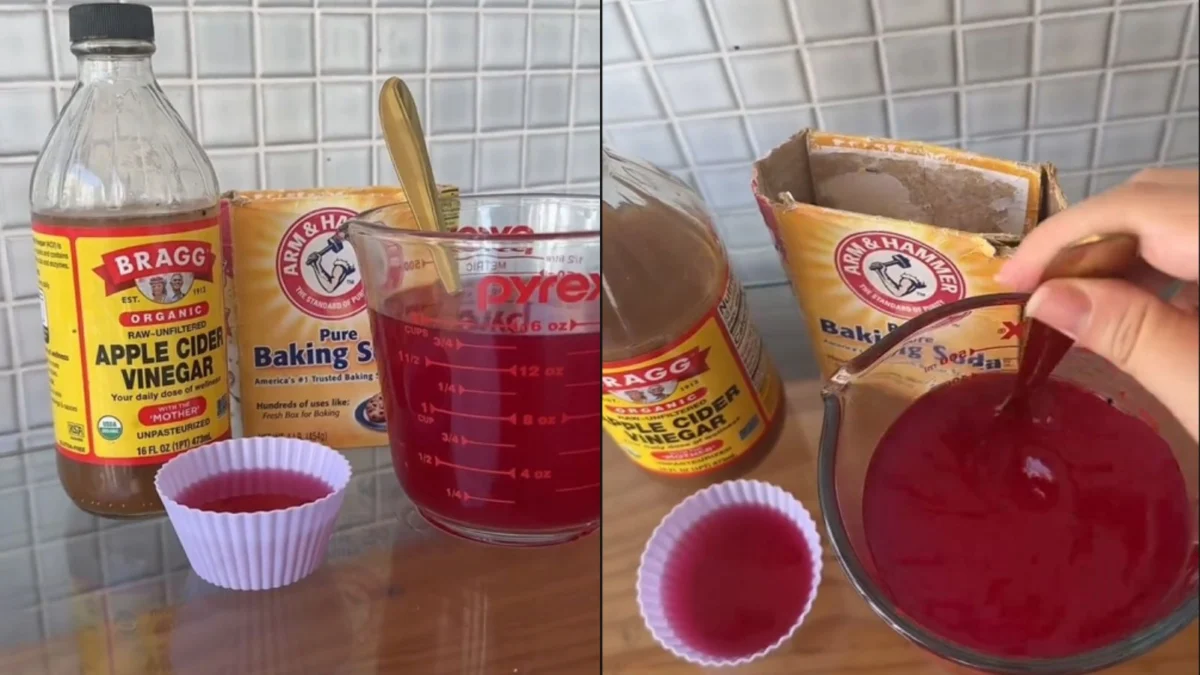
In the age of digital wellness, misinformation travels faster than the scientific method can catch up. The latest phenomenon sweeping TikTok and other social media platforms—dubbed “Nature’s Ozempic”—is a prime example of how a simple pantry staple can be rebranded as a miracle cure, only to be dismantled by medical experts.
The trend centers on a concoction of unflavored gelatin powder mixed with hot water and a splash of fruit juice, often cranberry or pomegranate. Influencers have touted this “pink gelatin trick” as a potent, inexpensive, and natural alternative to GLP-1 receptor agonists like Ozempic or Wegovy. However, doctors, nutritionists, and clinical researchers have stepped forward to debunk these claims, warning that the drink offers nothing more than a fleeting sense of fullness and, in some cases, serves as a gateway to online financial scams.
The Anatomy of the Trend: What is the “Pink Gelatin Trick”?
The viral recipe is deceptively simple: one tablespoon of unflavored, food-grade gelatin dissolved in hot water, flavored with a small amount of fruit juice. Proponents of the trend claim that the mixture “melts belly fat” and acts on the body’s endocrine system in a manner similar to prescription-grade weight loss medications.
The appeal of the remedy is rooted in the high cost and limited availability of legitimate GLP-1 medications. For many, the prospect of a $5 box of gelatin replacing a monthly prescription—which can cost hundreds of dollars—is highly attractive. Yet, the biological reality of how gelatin interacts with the human digestive system is far removed from the complex hormonal regulation provided by pharmaceuticals.
The Mechanism of Action
According to analysis from medical experts, including those interviewed by ABC News, the drink works strictly through physical volume, not metabolic intervention. When gelatin is consumed, it absorbs water and expands within the stomach. This creates a temporary sensation of physical satiety, which may discourage immediate snacking.
However, this effect is notoriously short-lived. Most nutritionists estimate that the feeling of fullness lasts no longer than 30 to 60 minutes. Once the stomach begins the process of emptying, the satiety signal dissipates, often leaving the individual in the same caloric state they were in before consuming the drink.
Chronology: From Viral Hack to Debunked Myth
The rise and fall of the “Nature’s Ozempic” trend provides a case study in how health misinformation spreads in the digital era.
- Early 2026: Short-form video content began circulating on TikTok, featuring users showing off "before and after" weight loss photos, claiming the gelatin drink was the secret behind their transformation.
- Spring 2026: As the trend gained traction, opportunistic websites and social media accounts began bundling the recipe with advertisements for proprietary, often overpriced, "premium" gelatin supplements.
- April 2026: Snopes published a formal debunking of the trend, noting that AI-generated deepfakes of celebrities and prominent health figures were being used to lend false credibility to the product.
- Mid-2026: Bariatric surgeons and endocrinologists began issuing public statements clarifying that the mechanism of gelatin is fundamentally different from the hormonal pathways targeted by GLP-1 agonists.
- Present Day: While the trend has largely lost its momentum, the ripple effects continue as public health advocates work to correct the misconceptions regarding "natural" alternatives to medical treatment.
Scientific Disconnect: Gelatin vs. GLP-1 Agonists
To understand why the "Nature’s Ozempic" comparison is scientifically illiterate, one must look at what GLP-1 medications actually do.
The Science of Ozempic
Ozempic (semaglutide) is a synthetic version of the glucagon-like peptide-1 (GLP-1) hormone. It works by:
- Slowing gastric emptying: It keeps food in the stomach for a longer duration, leading to prolonged satiety.
- Appetite Signaling: It acts on the hypothalamus in the brain to reduce hunger signals and cravings.
- Blood Sugar Regulation: It stimulates the pancreas to release insulin when blood sugar levels are high.
The Reality of Gelatin
Gelatin is a protein derived from collagen. While it is a healthy source of amino acids like glycine and proline, it has no direct impact on the GLP-1 receptors in the brain or the pancreas. It does not modulate blood sugar, nor does it possess "fat-burning" properties. Any weight loss reported by individuals using the drink is almost exclusively attributed to a "caloric deficit"—if a person drinks a cup of liquid before a meal, they may feel slightly fuller and eat less food. However, this is a behavioral consequence, not a metabolic one.
Implications: The Dark Side of Viral Health Trends
The danger of this trend extends beyond mere disappointment. The "Nature’s Ozempic" craze has highlighted several critical issues in the current health information landscape.
1. The Rise of AI-Generated Scams
As noted by Snopes, the trend was heavily exploited by bad actors using generative AI. By creating convincing, synthetic videos of doctors and celebrities "endorsing" the drink, scammers successfully funneled users to websites that sold unnecessary supplements or captured user data. This underscores the need for extreme skepticism when viewing health content on social media.
2. The Normalization of Misuse
This is not an isolated incident. The medical community has previously warned about the misuse of melatonin gummies, which, when taken in excess, can disrupt the body’s natural circadian rhythm. Each time a "hack" like this gains traction, it erodes trust in evidence-based medicine and potentially puts vulnerable individuals at risk of nutritional imbalances.
3. Financial Exploitation
While gelatin is cheap, the secondary industry built around it—selling "specialized" powders—is not. Vulnerable populations struggling with obesity are often willing to spend money on "natural" solutions, and this trend has preyed on that desperation, leading to significant financial loss for those seeking a shortcut.
Official Recommendations: What Actually Works?
Registered dietitians and physicians consistently emphasize that there is no "magic bullet" for weight loss. Instead, they advocate for sustainable, long-term lifestyle changes that focus on biological health rather than temporary tricks.
Health experts suggest the following evidence-based strategies for appetite management:
- Hydration: Drinking plain water before meals is a legitimate way to manage appetite. Unlike gelatin, it adds zero calories and carries no risk of digestive discomfort.
- High-Fiber Intake: Consuming vegetables, legumes, and whole grains slows the digestive process and provides a sustained sense of fullness that lasts for hours, not minutes.
- Protein-Dense Meals: Prioritizing high-quality protein sources (lean meats, fish, tofu, or beans) is clinically proven to improve satiety hormones more effectively than gelatin.
- Consulting Professionals: If an individual is struggling with weight, the most effective path is consultation with a primary care physician or a bariatric specialist to discuss clinically validated weight-loss interventions, if necessary.
Conclusion: The Need for Digital Literacy
The "Nature’s Ozempic" trend serves as a cautionary tale about the intersection of social media influence and health. While the desire for accessible, natural health solutions is valid, the reality is that complex medical conditions like obesity require nuanced, evidence-based approaches.
When a social media post claims to replicate the effects of a breakthrough medical drug with a simple household item, the probability of it being a myth is extremely high. The public must remain vigilant, prioritize peer-reviewed data over viral testimonials, and remember that when it comes to human physiology, there are no shortcuts. As doctors continue to debunk these trends, the overarching lesson remains clear: if it sounds too good to be true, it almost certainly is.
In the future, navigating health information will require a higher degree of digital literacy. By verifying sources, questioning the motive behind "miracle" claims, and relying on medical professionals, we can protect ourselves from both the financial costs of scams and the physical risks of misinformation.