Nila Kartika Wati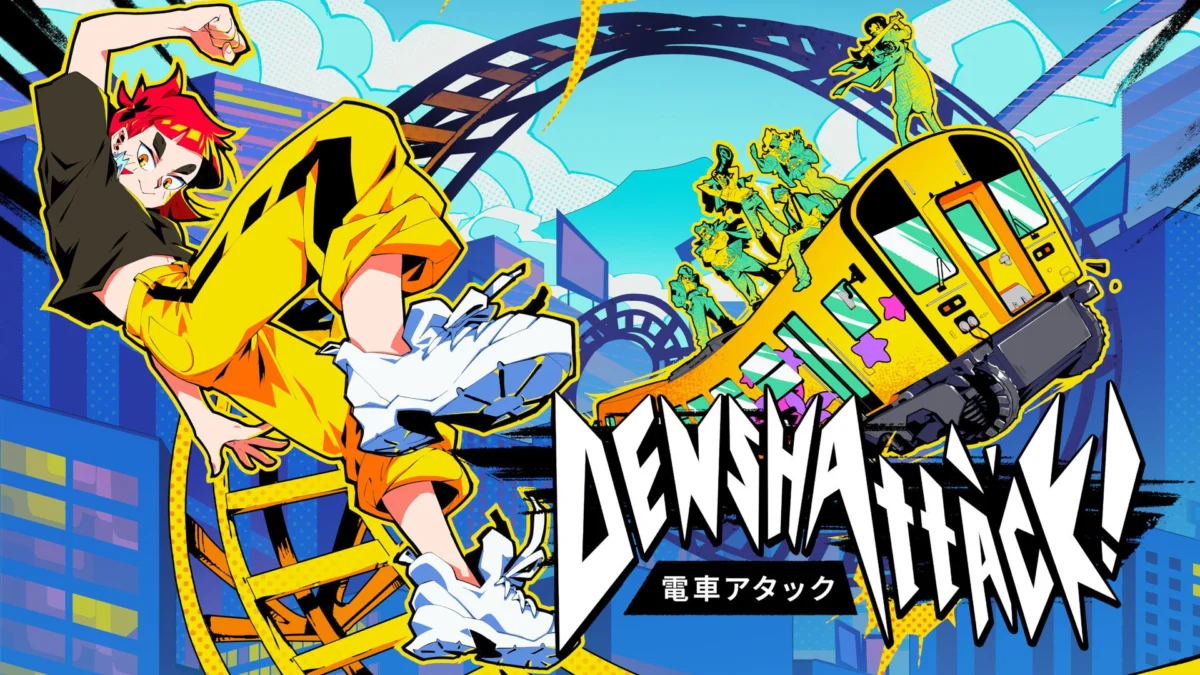
By James Cunningham | Published July 15, 2026
In the traditional lexicon of transportation, trains are defined by their rigid adherence to infrastructure. They are, by their very nature, slaves to the steel track—a singular, linear path that promises reliability over agility. However, the developers at Undercoders have decided that these thousand-ton behemoths are suffering from a lack of imagination. With the release of Denshattack!, they have transformed the humble subway car into an instrument of extreme sports, creating a high-octane, trick-based spectacle that proves tracks are merely a suggestion, not a requirement.
The Core Concept: Redefining Rail Travel
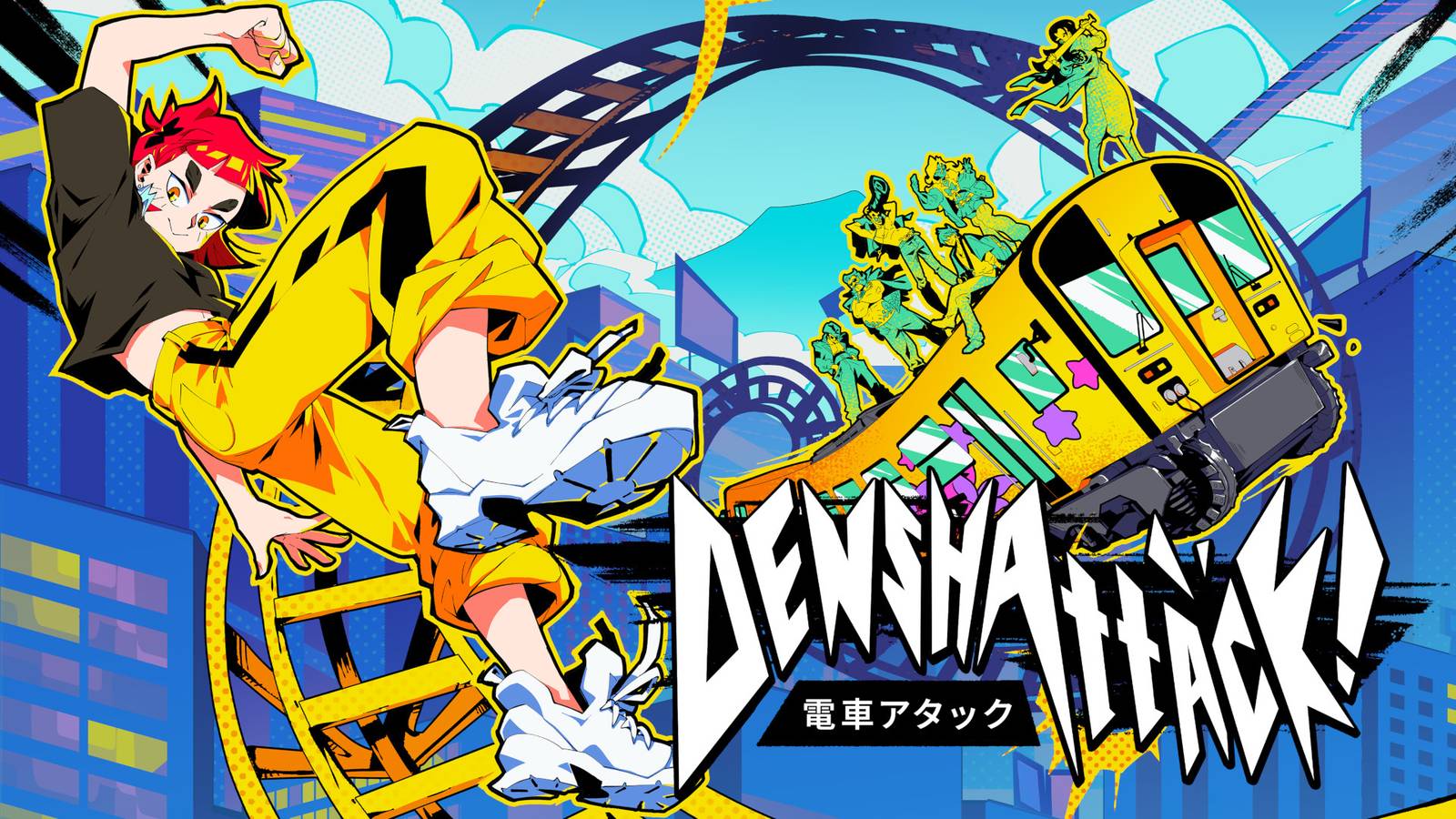
Denshattack! is a title that feels like it was pulled from a lost era of arcade gaming, specifically echoing the design philosophies seen in the Tony Hawk’s Pro Skater series. Yet, where one might expect a skateboarder or a BMX rider, players find themselves piloting a subway carriage. The premise is as absurd as it is exhilarating: in a post-disaster world where humanity has retreated into controlled, corporate-governed domes, the vast, abandoned rail network of the countryside has become the playground for a rebellious subculture.
The protagonist, Emi, is a ramen delivery driver who discovers that her job offers more than just a paycheck—it offers the freedom to traverse the desolate Japanese landscape in a way no one else dares. When she is introduced to "denshattack," the sport of performing gravity-defying maneuvers on abandoned subway cars, she quickly becomes the catalyst for a shift in the status quo.
Chronology of a Revolution: From Delivery to Dominance
The narrative trajectory of Denshattack! is one of rising stakes. It begins with Emi’s simple, personal goal: to deliver ramen while finding the most stylish way to reach her destination. Her discovery of the sport of denshattack—a competitive arena where rival gangs battle for supremacy on the rails—serves as the inciting incident for a much larger journey.
- Phase One: The Discovery. Emi’s routine is interrupted by Fernando, a local enthusiast who introduces her to the competitive nature of the rails. Here, the player learns the fundamental mechanics of the game.
- Phase Two: The Underground Circuit. As Emi gains notoriety, she begins to clash with the organized gangs that control the rural rail lines. These segments serve as both character development and mechanical skill-checks.
- Phase Three: Defying the Establishment. The corporations that maintain the domes fear the freedom represented by the "denshattack" culture. As Emi’s skills escalate, the conflict moves from simple competition to a direct challenge against the corporate interests that seek to keep humanity grounded.
Mechanics and Gameplay: Complexity in Motion
At its heart, Denshattack! is a game of rhythm, physics, and precise input. While the basic controls—jump, brake, trick, and shunt—are intuitive, the depth comes from how these actions are chained together.
The Art of the Trick
Tricks are executed via the right analog stick, utilizing complex directional sweeps. The game rewards technical mastery; while a basic "Front 180" requires a simple quarter-circle motion, advanced maneuvers like the "Back Cancel Heel Impossible" demand rapid, multi-stage inputs. The key to success is momentum; if the player can keep their combo chain alive, the rewards are significant, culminating in high scores and gold-medal rankings.
Navigating the Environment
The "shunt" mechanic is perhaps the most vital tool in the player’s arsenal. It allows for lateral movement, enabling the train to hop between parallel tracks or bridge massive gaps during high-altitude jumps. Furthermore, the brake mechanic isn’t just for slowing down; when used during a cornering drift, it initiates a speed-boost gauge. Mastering the timing of this gauge is essential for shaving seconds off a run and maintaining the high-speed flow of the game.

Level Design: A Hand-Crafted Spectacle
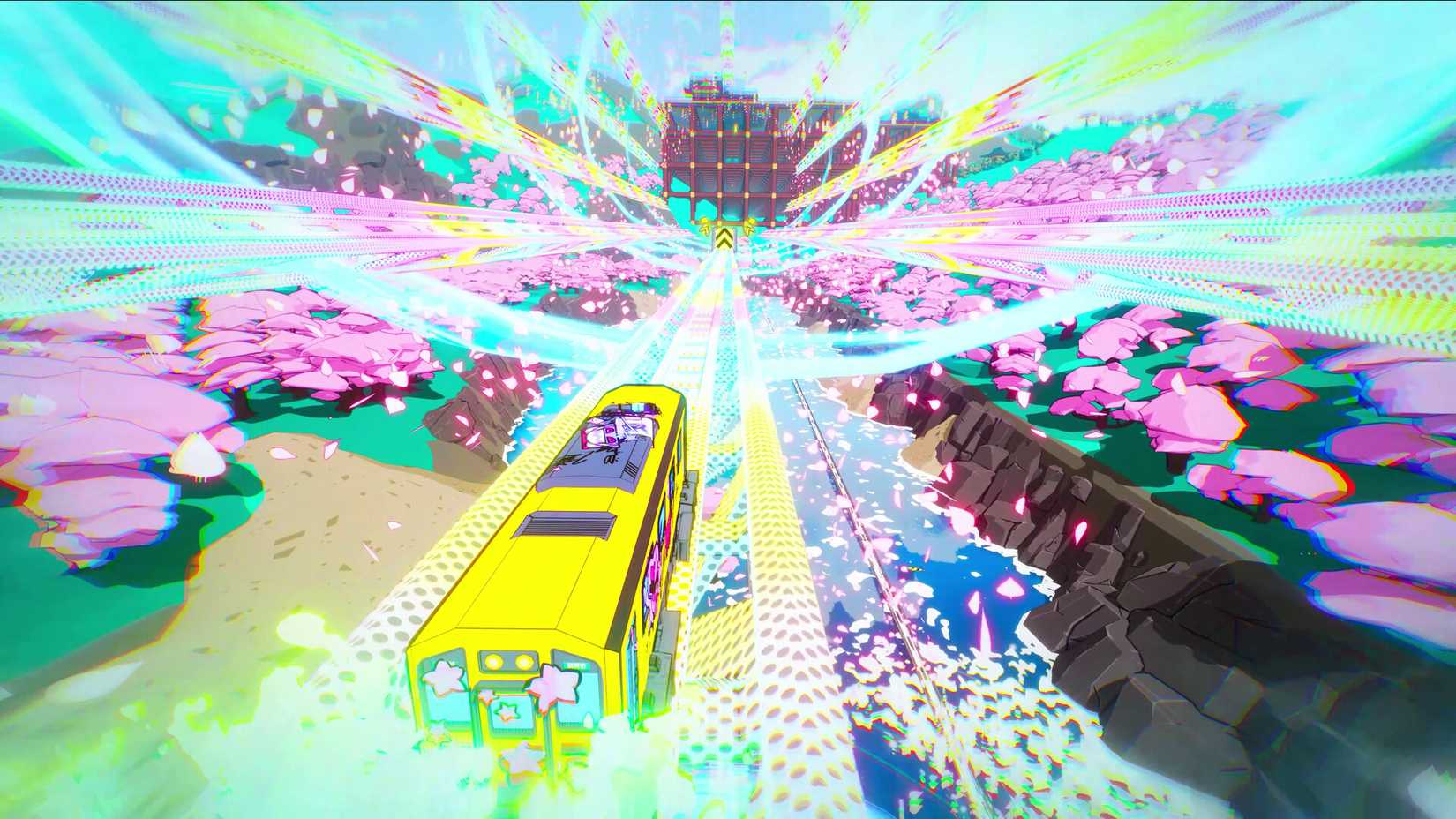
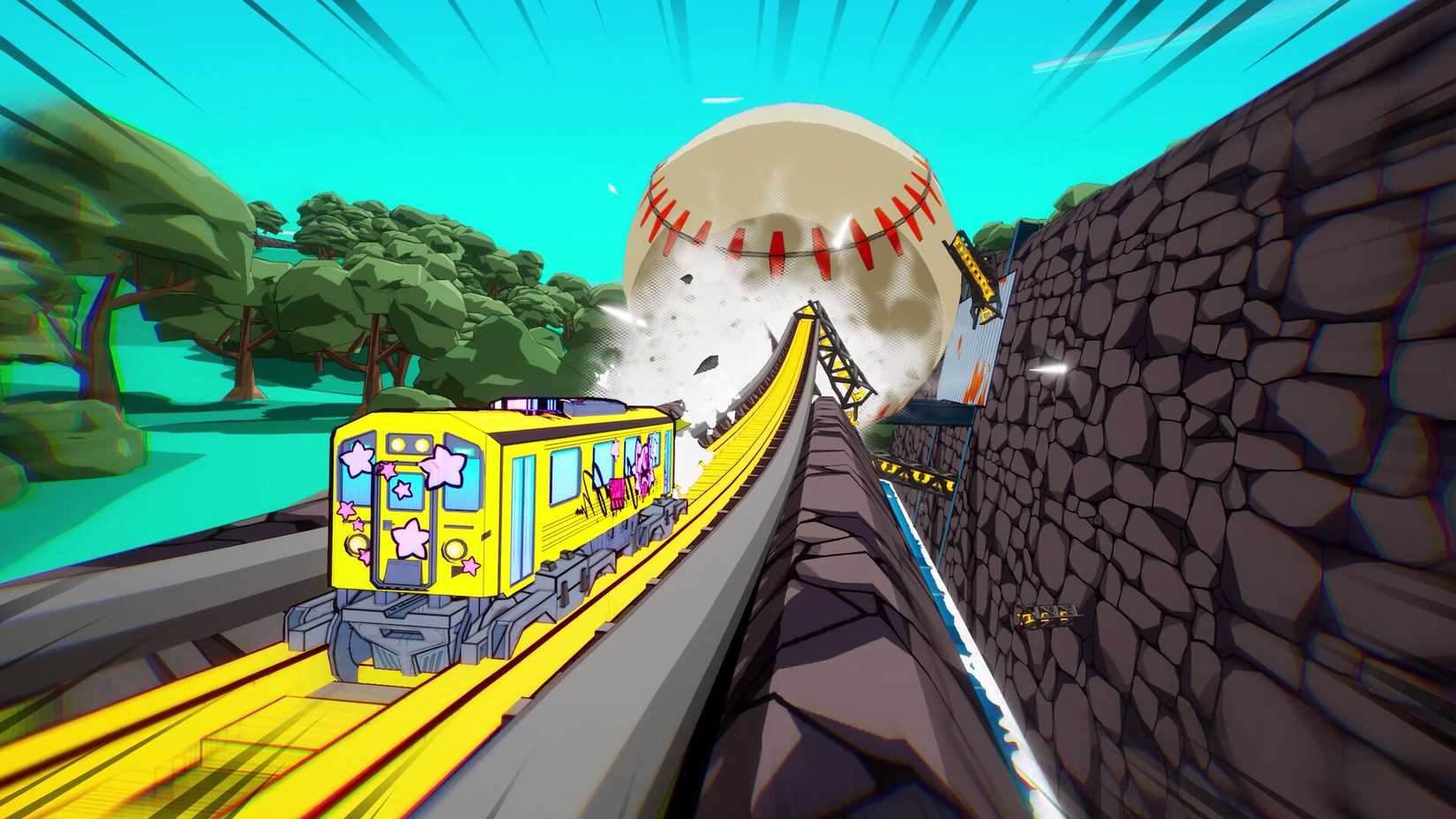
One of the most impressive aspects of Denshattack! is the level design. Each track is a hand-crafted, branching path filled with over-the-top set pieces. The developers have leaned into the absurdity of the premise, creating environments that feel like a fever dream of extreme sports.
In one early level, players launch their train off a mountain, landing on a ferris wheel that detaches from its frame, only to steer it through a bay while systematically destroying corporate satellite dishes. Other levels feature:
- Office Infiltration: Tracks that plow through skyscrapers, where players are awarded bonuses for honking their horns to shatter windows.
- Rainbow Roads: Neon-drenched, gravity-defying sections that test the limits of the game’s physics engine.
- Boss Encounters: Unique, mechanical-focused challenges that force players to use their tricks to dismantle corporate drones and sentries.
Replayability and Progression
While the game is accessible enough to allow a casual player to see the end of the story, Denshattack! is clearly designed for the perfectionist. Checkpoints are generous, ensuring that a crash doesn’t halt the flow of the game, but the true challenge lies in the "No Crash" bonus objectives and the pursuit of leaderboard-topping times.
Beyond the main campaign, the game offers a wealth of side content:
- World-Building: Players can fill in magazines that detail the lore of the various regions and the gangs that control them.
- Social Hubs: Certain paths lead to hot springs, where players can interact with the cast, providing a quiet respite from the chaos of the rails.
- Customization: The ability to decorate trains with decals and custom paint jobs adds a layer of personal flair to the experience, encouraging players to make their "ride" truly their own.
Official Responses and Industry Reception
Since its announcement, Denshattack! has been framed as a "lost Dreamcast classic" found in the modern era. Developer Undercoders has noted that their goal was to bridge the gap between the high-energy arcade games of the late 90s and the sophisticated physics engines of today.
Publisher Fireshine Games has been vocal about their support for the title, noting that they believe the game fills a niche in the current market for "pure, unadulterated, high-octane fun." Industry critics have lauded the visual presentation, specifically the vibrant color palette and the pulse-pounding, high-energy soundtrack that accompanies every jump, grind, and shunt.
Implications for the Genre
The success of Denshattack! signals a potential shift in the extreme sports genre. For years, the market has been dominated by realistic simulators. Denshattack! suggests that there is still a massive appetite for "arcade-plus" experiences—games that prioritize the feeling of movement and the joy of the impossible over technical realism.
By combining the structural rigidity of a rail system with the creative freedom of an open-world trick game, Undercoders has created something entirely unique. The game demonstrates that the best way to innovate in a crowded market is not to find a new setting, but to change the fundamental rules of the object you are controlling.
Conclusion: A Ride Worth Taking
Denshattack! is a testament to the idea that games don’t always need to be grounded in logic to be compelling. It is a vibrant, stylish, and incredibly fun experience that captures the essence of the "video game" as a medium—a place where the laws of physics are merely suggestions, and where the only limit is the player’s ability to chain together the perfect combo.
Whether you are a fan of the classic era of arcade sports games or simply someone looking for a fresh, exhilarating experience, Denshattack! is an essential addition to any library. It runs at full tilt from the first second and never loses its momentum, proving that sometimes, the best way to move forward is to leave the rails behind and jump into the unknown. As Emi’s journey through a broken, beautiful world comes to a close, one thing is certain: the world of gaming is much more interesting when you decide to stop following the tracks.


 Asro
Asro
 Muslim