


The evolution of science fiction over the last two decades has been nothing short of transformative. Once relegated to the fringes of literary discourse, the genre has ascended to the center of global pop culture, serving as both a mirror to our modern anxieties and a laboratory for our wildest technological aspirations. A truly great science fiction novel does more than provide escapism; it creates an intimate, often unsettling connection between the reader and the unknown.
As we navigate an era defined by rapid artificial intelligence advancement, climate instability, and the persistent mystery of our place in the cosmos, the following thirteen works stand as the most significant contributions to the genre. These titles have not only redefined the parameters of speculative fiction but have also provided the foundational blueprints for the most successful cinematic and television franchises of the modern age.

The Cultural Impact and Evolution of Modern Sci-Fi
The literary landscape of the 21st century has been defined by a shift toward "hard" science fiction—stories deeply rooted in physics, biology, and sociology. These narratives frequently explore the fragility of human institutions, the consequences of unchecked technological expansion, and the eternal search for meaning in a vast, often indifferent universe. Whether through the lens of a dystopian struggle or a high-stakes space exploration mission, these novels have consistently challenged readers to question the trajectory of our civilization.
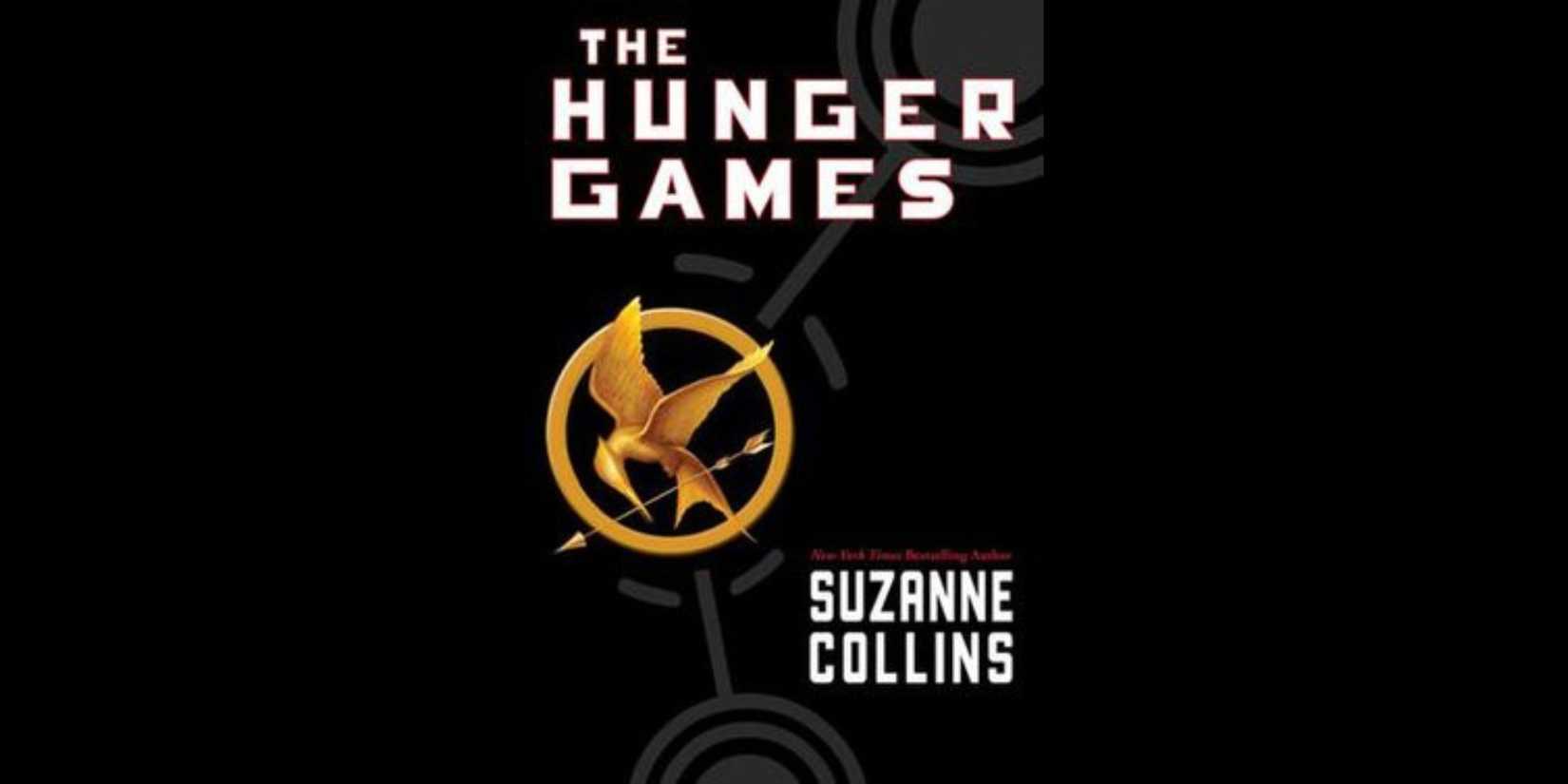
13. ‘The Hunger Games’ by Suzanne Collins
Suzanne Collins effectively reset the young adult landscape with her 2008 masterpiece, The Hunger Games. By blending the ancient Greek myth of Theseus with modern critiques of media consumption and political authoritarianism, Collins crafted a narrative that felt chillingly prophetic.

The story of Katniss Everdeen, a girl forced into a televised fight to the death, resonated with a generation of readers witnessing the intersection of war footage and reality television. Beyond its adrenaline-fueled pacing, the novel’s strength lies in its refusal to paint Katniss as a flawless savior. She is a pragmatic, flawed survivor, and her struggle against the oppressive Capitol remains one of the most poignant allegories for resistance in modern literature.
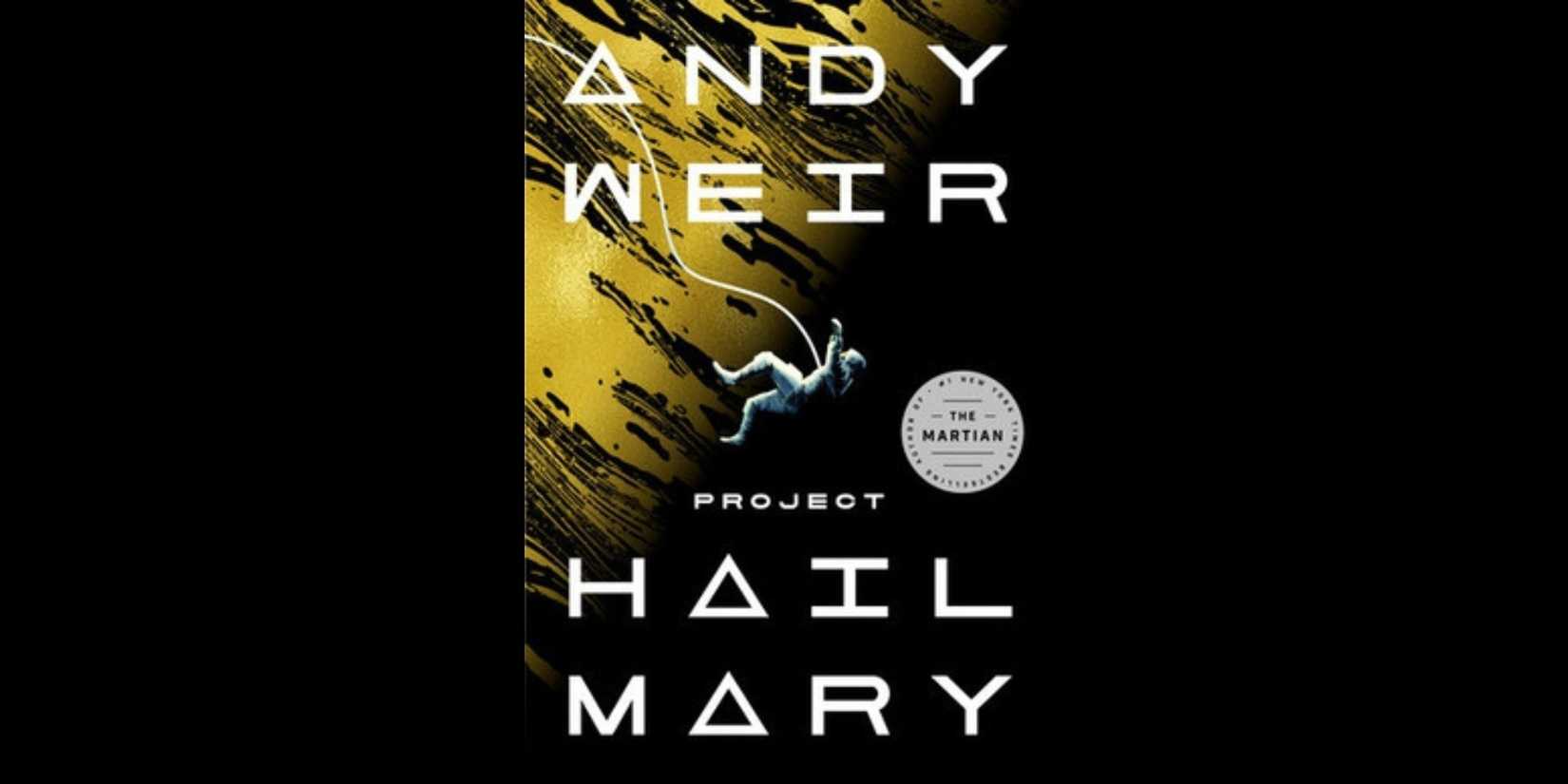
12. ‘Project Hail Mary’ by Andy Weir
In 2021, Andy Weir solidified his reputation as the premier voice of modern hard science fiction with Project Hail Mary. Following a science teacher who wakes up on a spacecraft with no memory of his mission to save Earth from a solar-eating organism, the novel is a masterclass in accessible physics and engineering.
However, the true heart of the book is the unlikely, heartwarming bond between the protagonist and an alien entity. By forcing two beings from different biological backgrounds to bridge a massive communication gap through science, Weir provides a profound argument for cooperation. The 2026 film adaptation, led by Ryan Gosling, has only served to cement this story as a touchstone of 21st-century optimism.
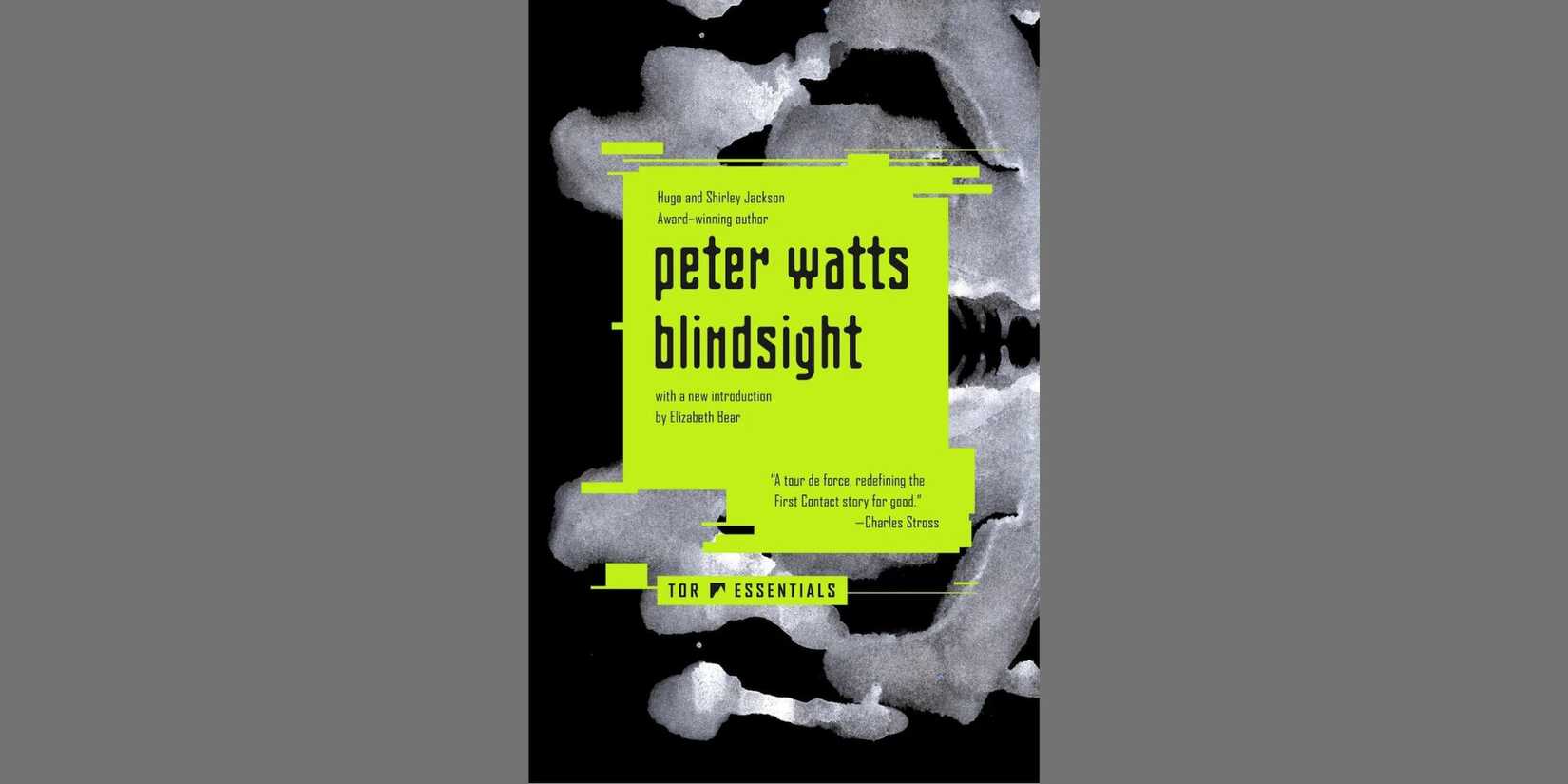
11. ‘Blindsight’ by Peter Watts
Published in 2006, Peter Watts’ Blindsight remains one of the most intellectually rigorous novels in the genre. It presents a horrifying, well-researched premise: what if human consciousness is not a requirement for intelligence, but rather an evolutionary disadvantage?
The crew of the Theseus encounters an alien species that is technologically superior and hyper-intelligent, yet entirely devoid of self-awareness. Watts forces the reader to confront the possibility that our sentience might be a flaw rather than a gift. This chilling philosophical inquiry is arguably the most "cerebral" thriller of the century, setting a high bar for philosophical sci-fi.
Structural Shifts: Space Operas and Multiversal Narratives
The middle tier of our list examines the works that have expanded the physical and metaphysical scope of the genre, proving that space operas can be both scientifically grounded and deeply human.
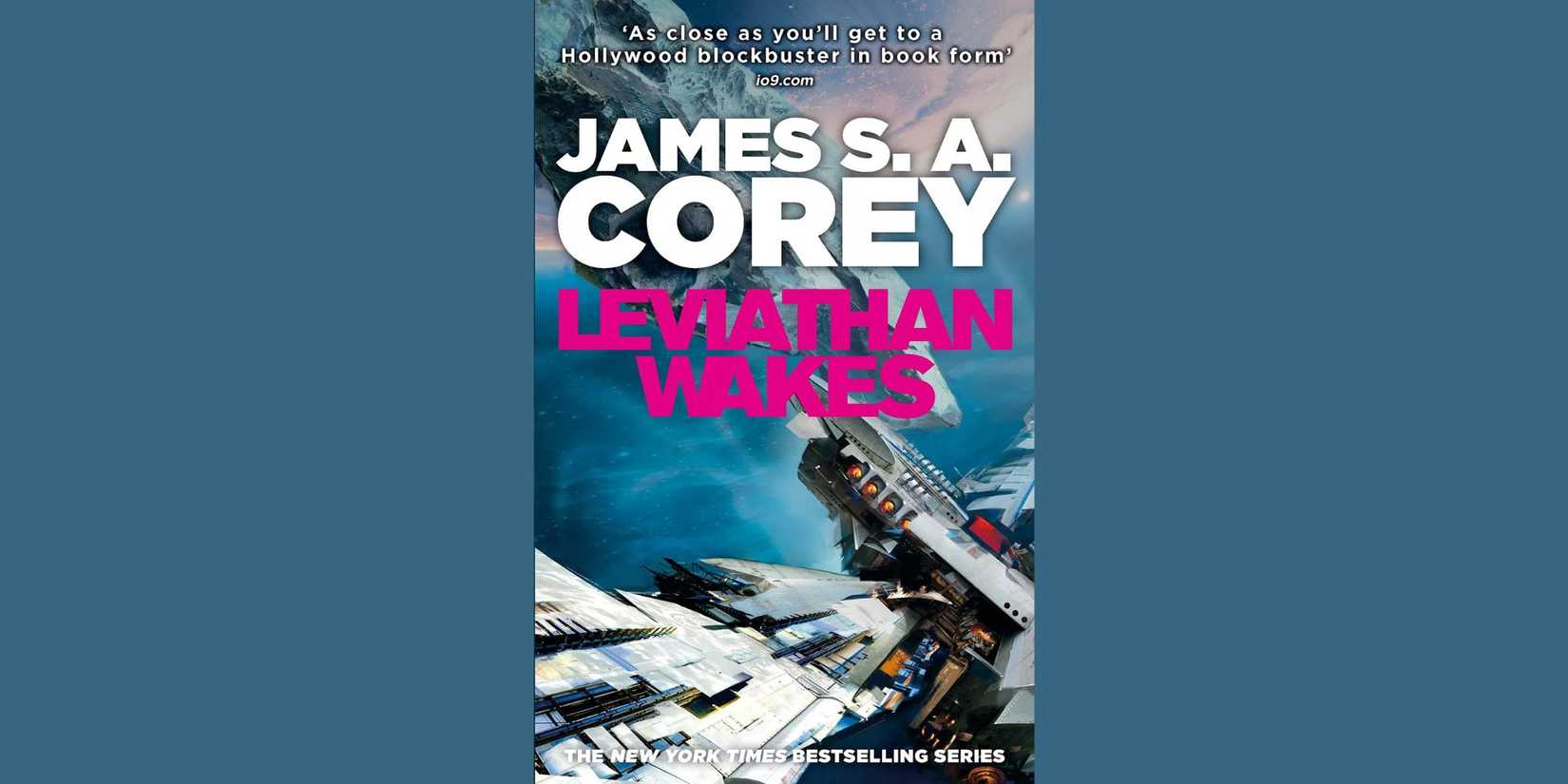
10. ‘Leviathan Wakes’ by James S.A. Corey
Leviathan Wakes (2011) is the definitive space opera for the modern era. Written by Daniel Abraham and Ty Franck under their collective pseudonym, the novel revitalized the genre by grounding futuristic space travel in realistic physics while maintaining the tension of a noir detective mystery. By focusing on the sociopolitical tensions between Earth, Mars, and the asteroid belt, the authors highlighted how resource scarcity dictates the structure of human societies. Its adaptation into the acclaimed series The Expanse remains the gold standard for how to translate complex space opera to the screen.
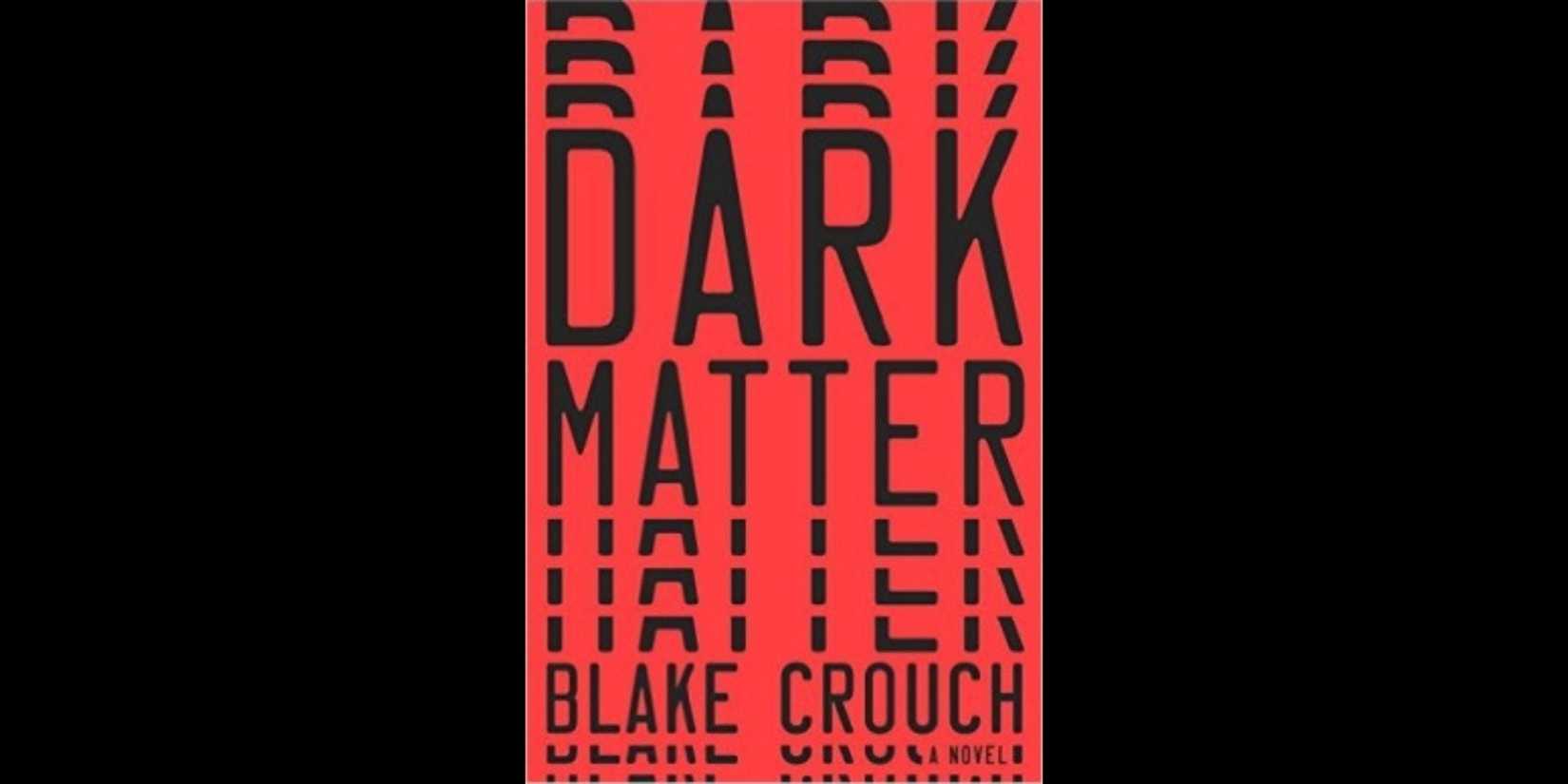
9. ‘Dark Matter’ by Blake Crouch
In 2016, Blake Crouch offered a definitive take on the multiverse in Dark Matter. The story of Jason Dessen, a professor abducted by an alternate version of himself, is less about the mechanics of quantum physics and more about the crushing weight of regret. Crouch uses the multiverse as a device to manifest the "paths not taken," creating an intensely personal character study. The novel’s success lies in its emotional grounding; it is not just a high-concept sci-fi adventure, but a desperate, universal story about a man trying to return to his family.
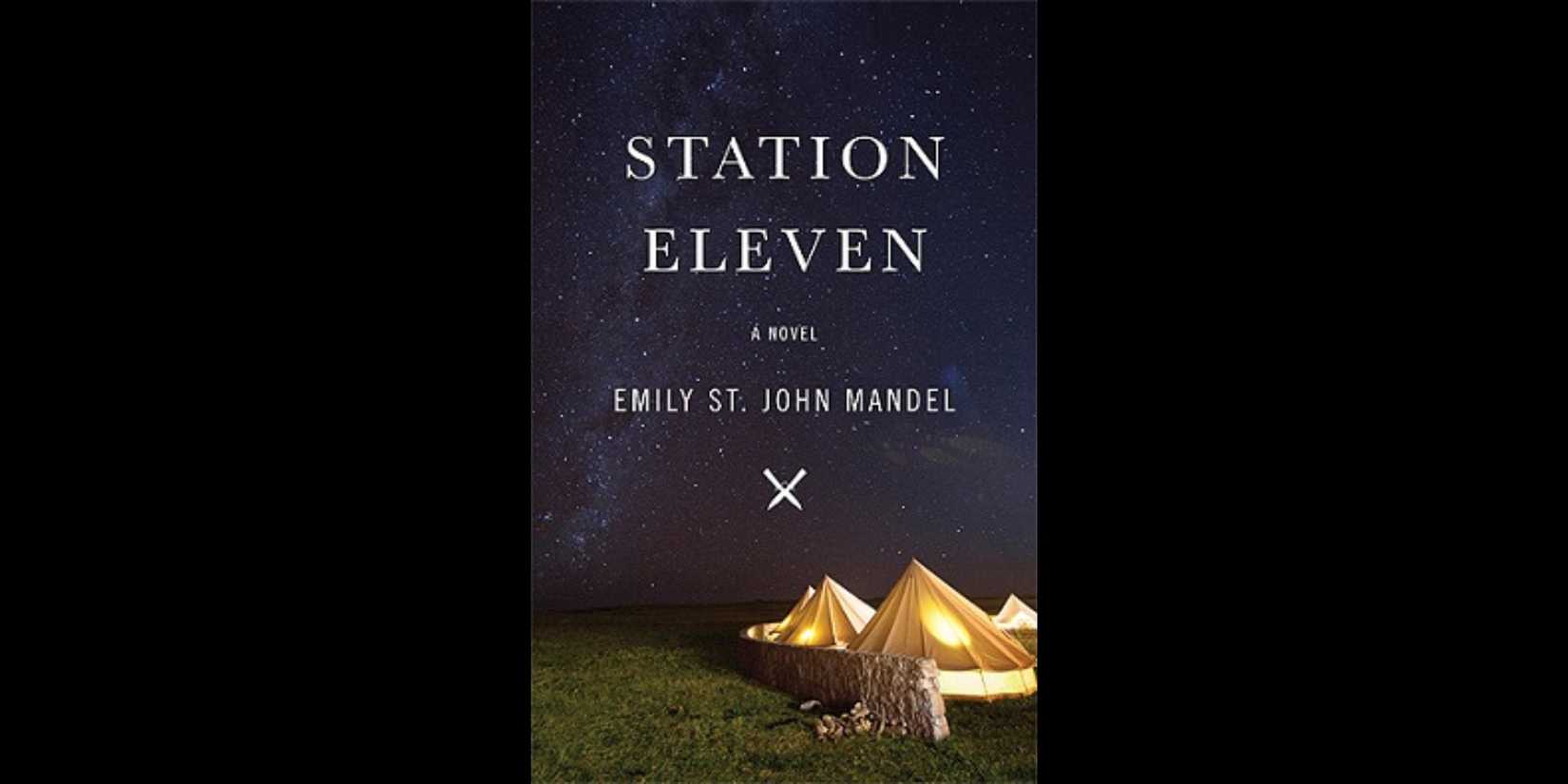
8. ‘Station Eleven’ by Emily St. John Mandel
Mandel’s Station Eleven (2014) redefined the post-apocalyptic subgenre. Rather than focusing on the violence of collapse, Mandel explores the endurance of art and community in the wake of a global pandemic. The Traveling Symphony, a troupe of actors and musicians performing Shakespeare, serves as the novel’s soul. It is a haunting, melancholic, and deeply beautiful meditation on the idea that survival is insufficient—we need art, culture, and memory to truly live.
The Future of Sentience and Evolution
The final section of our analysis covers novels that probe the boundaries of what it means to be "alive" and the future of human biological evolution.
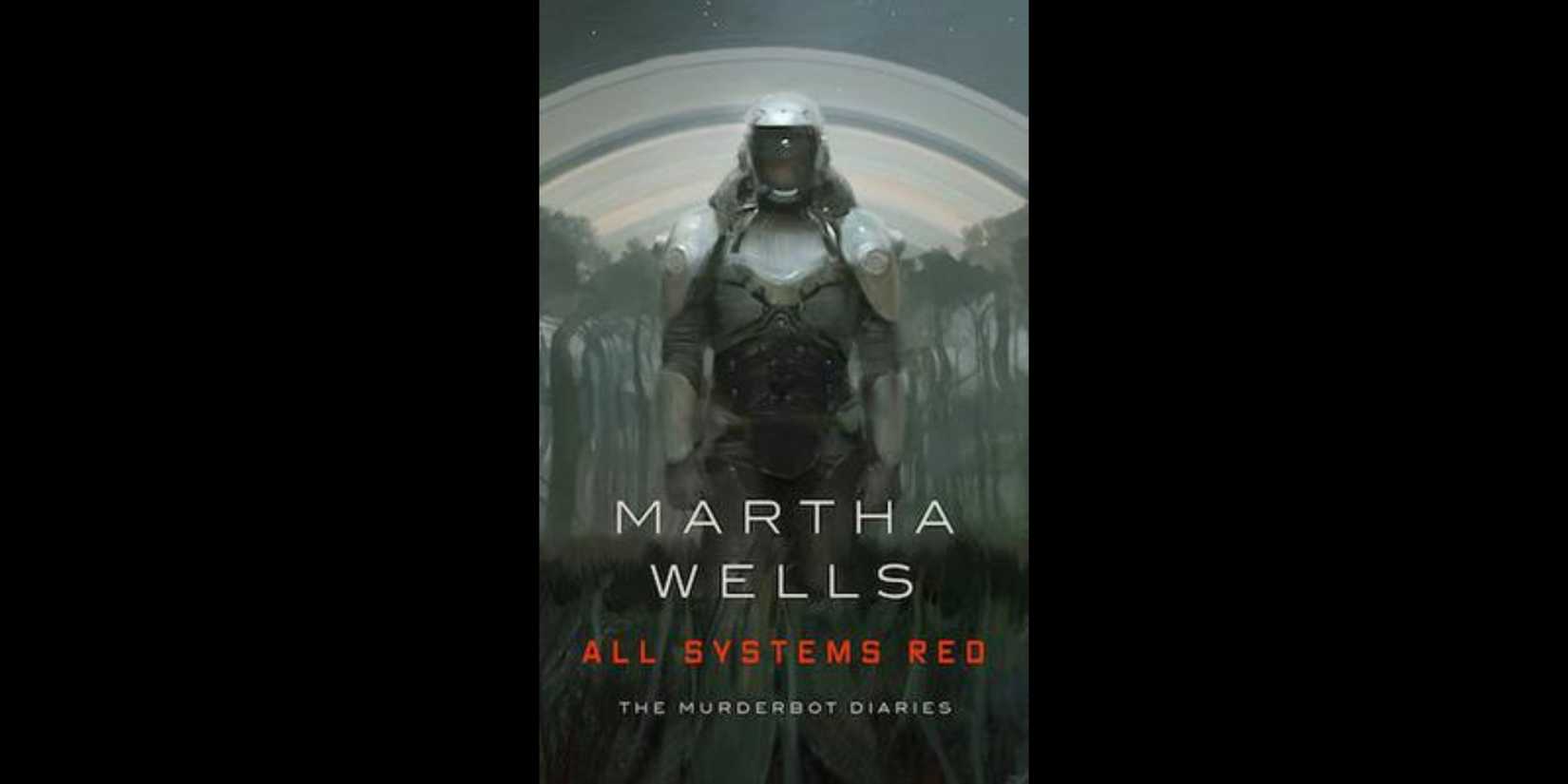
7. ‘All Systems Red’ by Martha Wells
Martha Wells’ The Murderbot Diaries began with All Systems Red, introducing the world to a self-aware, security-focused android that would rather watch soap operas than protect its human charges. Wells masterfully uses this character to explore themes of trauma, autonomy, and identity. It is a sharp, witty, and deeply empathetic exploration of artificial intelligence that strips away the "evil robot" tropes of the past to reveal a character that feels remarkably, poignantly human.
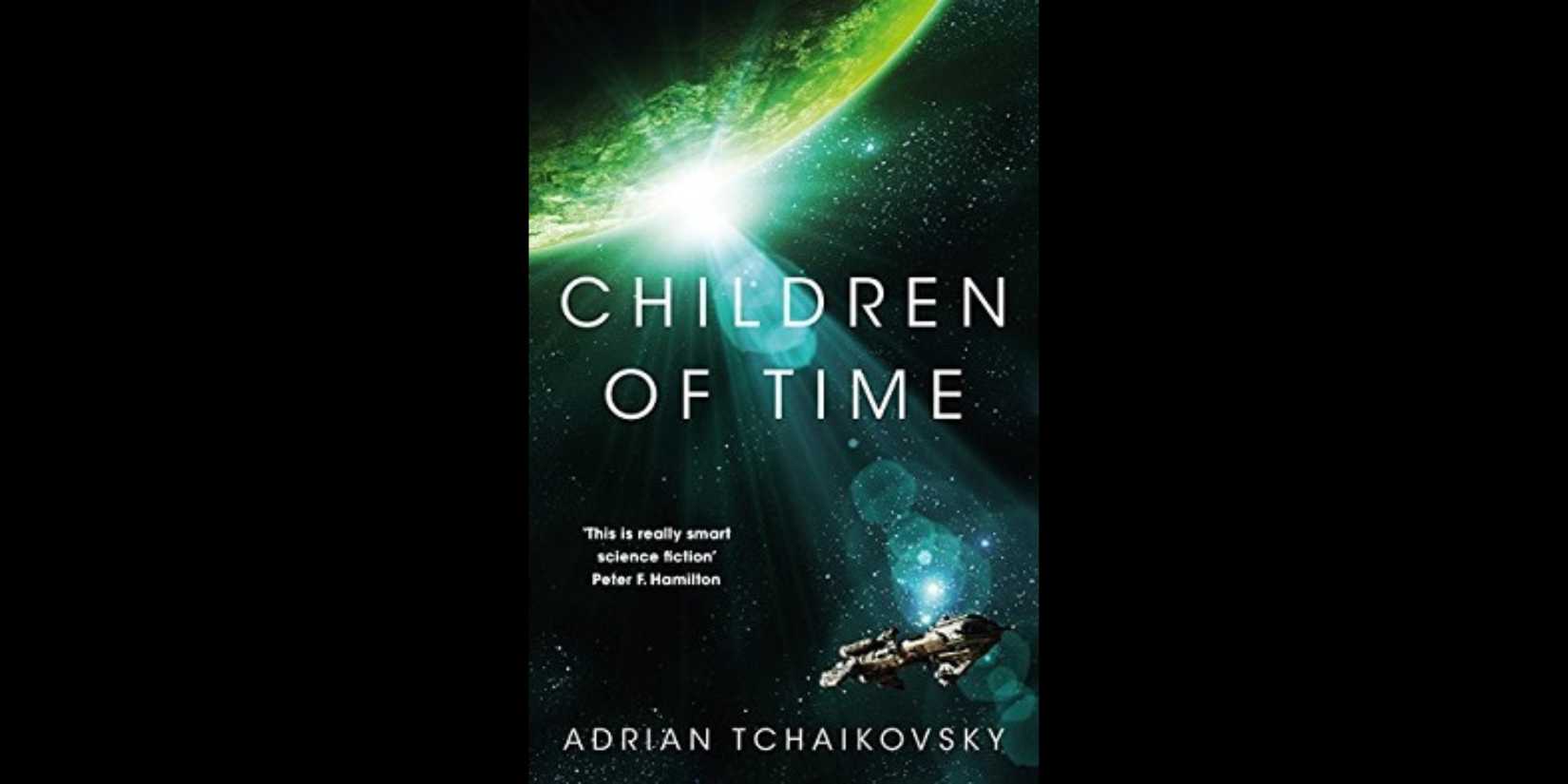
6. ‘Children of Time’ by Adrian Tchaikovsky
Tchaikovsky’s 2015 epic, Children of Time, is perhaps the most ambitious work of speculative evolution in the 21st century. The novel chronicles the rise of a civilization of hyper-intelligent spiders on a terraformed planet, contrasting their biological and societal development against the last remnants of humanity. Tchaikovsky’s commitment to building a culture based on arachnid physiology and vibration-based communication is unparalleled in its originality, offering a truly "alien" first-contact scenario.
5. ‘Wool Omnibus’ by Hugh Howey
The Silo series, starting with Wool, is a cornerstone of modern dystopian fiction. Set in a massive, 144-floor underground bunker, the novel explores the dangerous consequences of questioning authority. Howey’s world-building is claustrophobic and immersive, perfectly capturing the paranoia of a society trapped by its own history. The success of the Apple TV adaptation further proves the enduring relevance of Howey’s cautionary tale regarding the lengths to which those in power will go to maintain the status quo.
4. ‘Annihilation’ by Jeff VanderMeer
VanderMeer’s Annihilation (2014) is a seminal work of the "New Weird." By presenting the threat of Area X as an unknowable, mutating biome rather than a traditional alien invasion, VanderMeer shifts the focus to ecological dread and the limits of human comprehension. It is a psychological masterpiece that uses the biologist’s unreliable, detached perspective to create an atmosphere of relentless, suffocating mystery.
Implications for the Genre
The common thread among these thirteen novels is their refusal to settle for surface-level tropes. They are works of deep inquiry, whether they are analyzing the collapse of a political system, the evolution of a non-human species, or the fragility of the human mind in a multiverse.
As we move toward 2030 and beyond, the influence of these authors will continue to grow. Their works have demonstrated that science fiction is the most flexible medium for exploring the "hard problems" of our existence. Whether it is the technological cynicism of Blindsight or the humanistic hope found in Project Hail Mary, these novels ensure that as we face an uncertain future, we have the literary tools necessary to imagine—and perhaps avoid—the challenges that lie ahead.
For the reader, these books are more than just stories; they are survival guides for the mind, preparing us for a future that is arriving faster than we ever dared to imagine.










