
 Lina Irawan
By Editorial Desk | May 22, 2026
The era of The Boys on Prime Video has officially concluded. For five seasons, Eric Kripke’s adaptation of Garth Ennis and Darick Robertson’s seminal comic book series served as a grotesque, mirror-image reflection of our own sociopolitical climate. It challenged the sanctity of the superhero genre, dismantled the myth of the "good guy in a cape," and introduced us to a version of Billy Butcher that will likely define Karl Urban’s career for decades to come.
With the final season now firmly in the rearview mirror, the franchise pivots toward its next evolution: the prequel series Vought Rising. As we look toward the 1950s-set origins of Soldier Boy, Liberty, and the Vought apparatus, it is time to perform a post-mortem on the mothership show. We have analyzed the narrative arcs, the satirical efficacy, and the cultural impact of every season to crown the champion of the The Boys saga.
The Chronology of Chaos: Ranking the Seasons
5. Season 5: The Final Hurrah
Arguably the most contentious entry in the series, Season 5 represents a complex ending to a turbulent journey. While it provided closure to the long-standing blood feud between Billy Butcher and Homelander, many critics and fans noted a palpable shift in momentum. The season felt burdened by the necessity of bridging the gap to Vought Rising, often sacrificing the show’s trademark "razor-sharp" social commentary for franchise maintenance.
By the time the series reached its conclusion, the show’s writers faced a difficult reality: the real world had become so absurd that satirizing it proved an increasingly difficult task. The season focused on the desperate attempt to neutralize Homelander—utilizing Kimiko to harness Soldier Boy’s chest-blast capabilities to strip the Supe of his powers. While the finale offered a sense of finality—including the tragic loss of fan-favorite canine companion, Terror—the consensus remains that Seasons 4 and 5 struggled to justify their existence as distinct entities, feeling more like a single arc stretched across too many episodes.
4. Season 4: The Brink of Collapse
Season 4 was a period of transition, marking the moment where the show’s thematic foundation began to show signs of fatigue. It was, however, a necessary exploration of a society nearing a breaking point. The narrative focus on political radicalization—specifically through the introduction of Firecracker (Valorie Curry)—was a bold, if uneven, attempt to capture the zeitgeist.
The season’s most significant misstep was the integration of Gen V plot threads and the "Joe Kessler" reveal. While the portrayal of Butcher’s deteriorating psyche was masterfully acted by Jeffrey Dean Morgan, it ultimately felt like a diversion from the main conflict. Yet, the season delivered one of the series’ finest hours: Homelander’s return to the Vought laboratory of his childhood. This sequence provided a chilling, intimate look at the monster’s origins, proving that even when the show faltered in its pacing, its character work remained peerless.
3. Season 1: The Diabolical Genesis
Season 1 remains a masterclass in tone-setting. Released in the shadow of the Marvel Cinematic Universe’s peak, The Boys arrived as an antidote to the "superhero fatigue" that was beginning to permeate the mainstream. It wasn’t just a show; it was a deconstructionist manifesto.
From the traumatic inciting incident of A-Train killing Robin to the haunting revelation that Becca Butcher was alive and raising Homelander’s son, the first season was perfectly paced. It established the central conceit: that absolute power, when left unchecked by morality or public accountability, is an engine of pure destruction. It was fresh, aggressive, and undeniably urgent.
2. Season 3: The Peak of the "Herogasm"
Season 3 is, for many, the pinnacle of the show’s technical and narrative ambition. The season opened with the infamous Termite sequence, immediately signaling that the show had no intention of holding back. The introduction of V24 (temporary Compound V) changed the power dynamic between The Boys and the Seven, adding a layer of existential dread to the fight.
Jensen Ackles’ turn as Soldier Boy added a visceral, mid-century menace to the proceedings. His presence transformed the show into a multi-generational exploration of trauma and legacy. Furthermore, the "Herogasm" episode—a feat of production design and narrative audacity—remains a highlight of modern television. The season successfully balanced character redemption arcs for Queen Maeve with the terrifying rise of a Supe in the White House, proving the show could maintain its satirical edge even while raising the stakes to an apocalyptic level.
1. Season 2: The Gold Standard
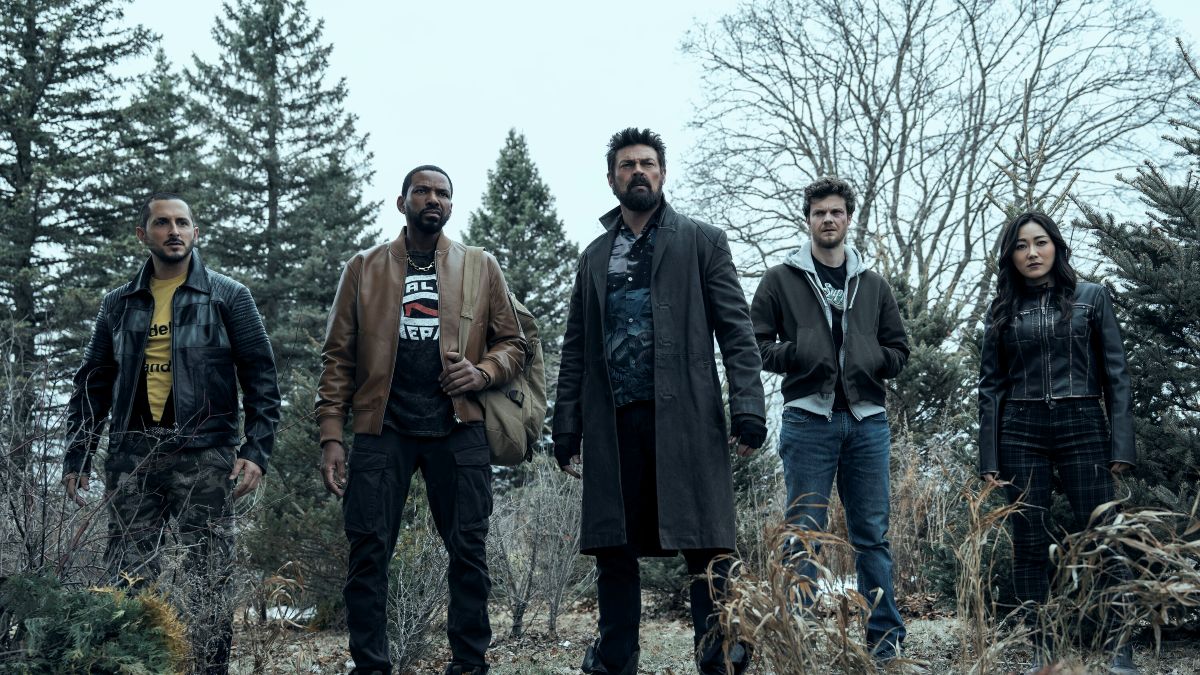
Season 2 takes the crown for its perfect marriage of plot, character development, and biting satire. The introduction of Stormfront (Aya Cash) provided the series with its most formidable antagonist to date. The exploration of her history as "Liberty" and her Nazi roots provided a chilling look at how white supremacy can be repackaged for the digital age.
The pacing of Season 2 was disciplined. Every shock—from the courtroom "head-popping" massacre to Homelander’s descent into narcissistic madness—felt earned rather than gratuitous. It was a season where the writers were fully in command of their themes, successfully mocking the superficial "girl power" tropes of blockbuster films while simultaneously crafting one of the most heartbreaking moments in the series: Becca’s death at the hands of her own son. It was the moment The Boys moved from being a fun, subversive action show to a genuine tragedy.
Supporting Data: The Cultural Impact
The success of The Boys cannot be measured by ratings alone. Across five years, the series became a cultural shorthand for the dangers of corporate monopolies and the cult of personality. According to Prime Video’s internal metrics, the series consistently ranked in the top 1% of streaming demand, driving massive subscriber retention.
Moreover, the show’s "meme-ability" played a crucial role in its longevity. From the "Homelander crying" reaction gifs to the endless discourse surrounding the show’s political parallels, the series functioned as a living, breathing part of the internet’s infrastructure. The decision to invest in a franchise—with Gen V and the upcoming Vought Rising—is a direct result of the intellectual property’s unprecedented ability to permeate the cultural conversation.
Official Responses and Creative Direction
Showrunner Eric Kripke has been vocal about his intent to end the show on his own terms. In recent interviews, Kripke emphasized that the "end of the world" scenario was always the intended trajectory for the series.
"We never wanted to be the show that overstayed its welcome," Kripke stated during the Season 5 press junket. "The satire only works if it feels immediate. As the world changed, we had to change with it. But ultimately, Butcher’s journey was a closed loop. It had to end with him facing the consequences of his own radicalization."
The cast, particularly Antony Starr, has reflected on the toll of playing such polarizing figures. Starr’s commitment to the role of Homelander—a performance that garnered significant, if frustrated, critical acclaim—helped anchor the show’s darker impulses. His portrayal is widely considered one of the greatest television villain arcs of the 21st century.
Implications: Where Does the Franchise Go Now?
As The Boys closes its books, the industry is left with a blueprint for how to handle mature, intellectual-property-driven satire. The success of the series has proven that audiences are hungry for "anti-hero" narratives that refuse to offer easy answers or clean moral victories.
The pivot to Vought Rising suggests that Amazon is interested in deep-diving into the lore of the universe. By exploring the 1950s, the creators have the opportunity to strip away the modern "influencer" satire and replace it with the cold, calculated origins of the military-industrial complex.
Ultimately, The Boys leaves behind a legacy of excess, cynicism, and heart. It forced viewers to look at the icons they worship and wonder if the only thing keeping them from being monsters is a lack of opportunity. While the show had its ups and downs, its place in the pantheon of television history is secure. It didn’t just break the mold; it lasered it into dust.


 Pevita Pearce
 Asep Darmawan




