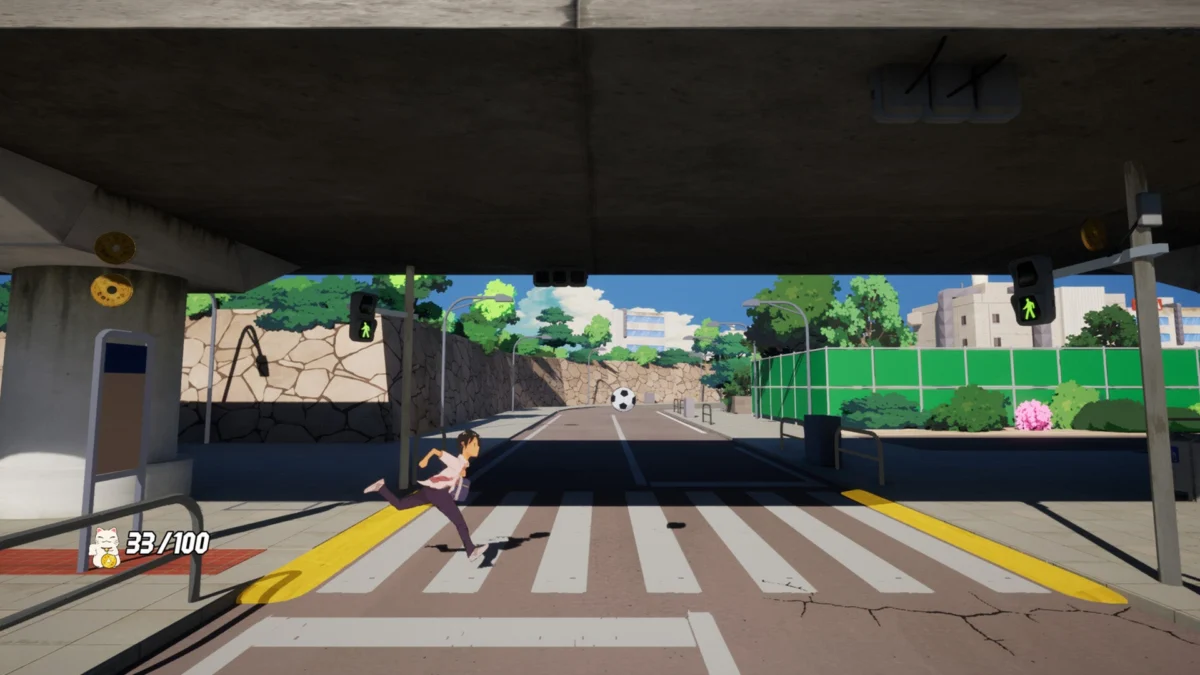
For those who find the global obsession with professional football akin to watching paint dry, the current cultural landscape—saturated with tournament talk and match-day analysis—can feel entirely alien. Yet, there is a burgeoning sub-genre of gaming that manages to bridge the gap between the chaotic, physics-based thrills of the "beautiful game" and the precision-platforming mechanics that define the best of the indie scene. Enter Kick, a charming, side-scrolling odyssey that suggests football is best played not on a grass pitch in front of thousands, but on a suburban sidewalk, one jump at a time.
The Core Concept: A Platformer at Heart
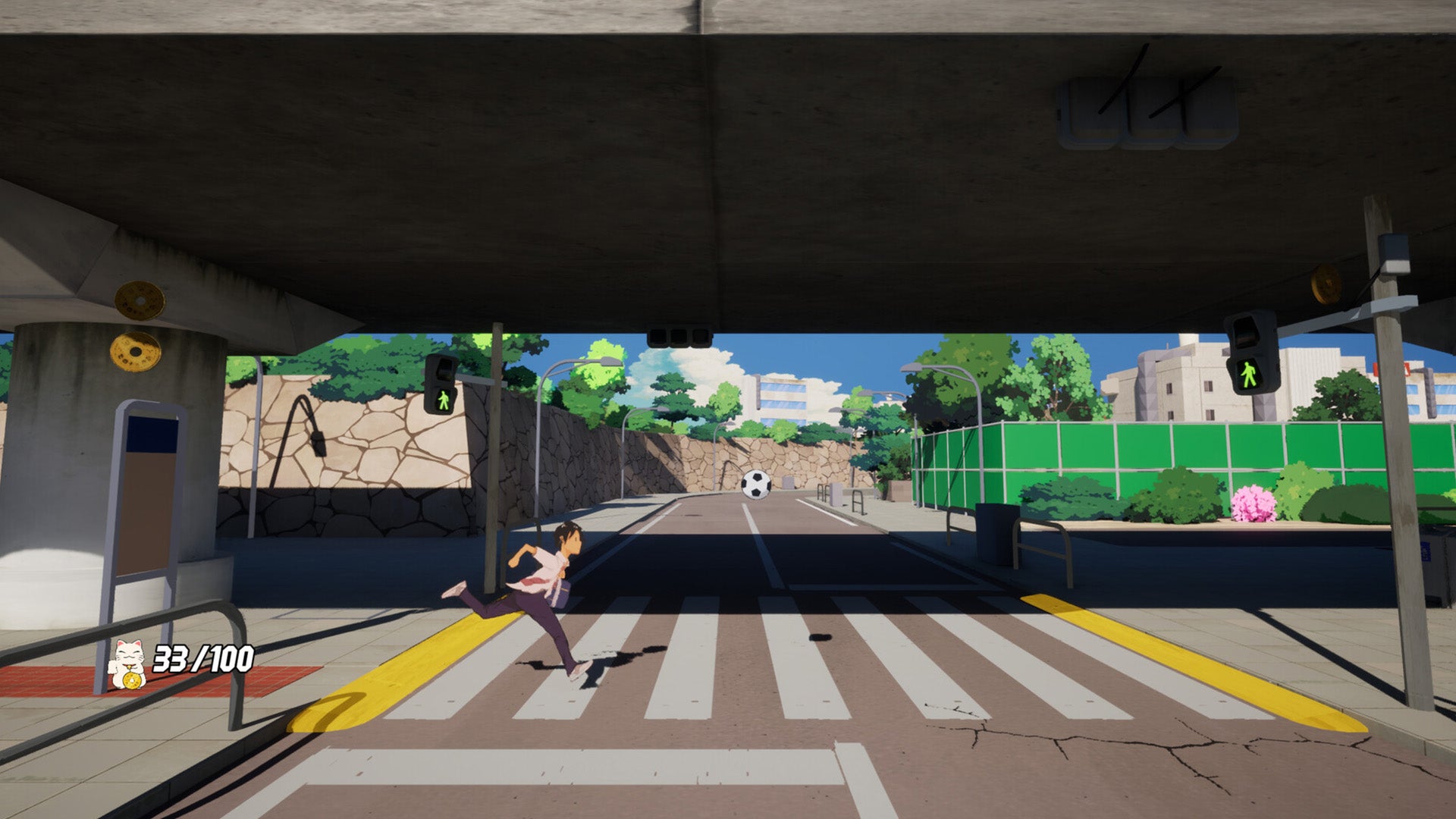
At its core, Kick is a love letter to the 2D platforming genre, dressed in the vibrant, kinetic aesthetic of youth culture. Players assume the role of an average teenager navigating the mundane yet treacherous journey to school, with a football acting as a constant companion.
Unlike traditional sports titles that emphasize team management or high-fidelity simulation, Kick strips the sport down to its purest, most tactile components: the relationship between the boot, the ball, and the environment. The player’s repertoire of moves is surprisingly robust for a side-scroller. You can lightly nudge the ball while jogging, execute low-altitude lobs, perform high-arching kicks, or utilize flair moves like the "sick windmill" or a precise sliding kick. Of course, the traversal is anchored by the fundamental requirement of any platformer—the jump—which must be carefully synchronized with the ball’s momentum.
Chronology of Development and Design
The development of Kick has been a study in iterative design. According to early developer insights and the recently released launch trailer, the project focused heavily on the "weight" of the ball. Unlike arcade games where the ball might be glued to the character’s feet, Kick introduces a physics-driven system where the ball is an independent entity that behaves according to the terrain.
The game is structured into distinct levels, each presenting a unique obstacle course that demands both spatial awareness and split-second timing. The progression from the initial concept to the current playable demo has been marked by a transition from a simple "dribbling simulator" into a full-fledged puzzle-platformer. As players navigate their way to school, they must account for dynamic environmental hazards—delivery drivers laden with boxes, pedestrians with umbrellas, and static street furniture—all of which act as blockers.
Supporting Data: Mechanics and Difficulty
The complexity of Kick is deceptively layered. It is not merely about reaching the end of the stage; it is about maintaining a "flow state" between the player and the ball.
The Penalty System
One of the most innovative mechanics in the game is the "foul" system. Colliding with NPCs or obstacles does not simply result in a reset; it triggers a disciplinary system. Accumulate enough "yellow cards" through clumsy movement or mistimed kicks, and you are slapped with a red card, which forces a restart of the level. This adds a layer of high-stakes tension to what otherwise appears to be a lighthearted, colorful romp.
Economic Progression
To add depth, the developers have implemented a collection system. Coins scattered throughout the levels provide the currency needed to purchase different types of footballs. These are not merely cosmetic; different balls carry different physics properties—some might be heavier, others more aerodynamic—allowing players to tailor their playstyle to the challenges of specific stages. This adds a layer of strategic replayability that is often missing from simple arcade platformers.
Aesthetic and Emotional Resonance
Visually, Kick leans into a bright, saturated, and highly animated aesthetic that feels reminiscent of 90s Saturday morning cartoons. The character animations, particularly the flair kicks and the frustrated reactions to a "red card," add a layer of personality that makes the inevitable failures feel less like a chore and more like a comedic interaction.
The satisfaction of the game lies in the mastery of its physics. When you finally pull off a perfect sequence—navigating a crowded street, lofting the ball over an umbrella-wielding teen, and sliding it through a tight gap—there is a palpable sense of accomplishment. It mimics the "flow" of actual football, where control is always an illusion maintained by constant, active effort.
Official Stance and Community Reception
While the developers at nospacelost have remained relatively quiet regarding the grander narrative of the game, their focus has been entirely on the "feel" of the mechanics. The response from the community during the demo phase has been largely positive, with players praising the tightness of the controls and the surprising depth of the physics engine.
"It’s not just about the sport," one early playtester noted on the Steam forums. "It’s about the rhythm of the movement. Once you stop treating it like a soccer game and start treating it like a platformer, it clicks."
This sentiment is exactly what the developers are aiming for. By removing the simulation elements of football, they have managed to capture the essence of the game—the unpredictable trajectory of the ball and the joy of keeping it in motion—without the baggage of league tables or tactical fatigue.
Implications for the Sports-Gaming Genre
The success of Kick suggests a shifting appetite in the gaming market. For years, the sports genre has been dominated by annual iterations of simulation franchises that prioritize realism, licensing, and microtransactions. Kick represents a counter-movement: the "indie-sports" game.
By treating the sport as a mechanic rather than a lifestyle, titles like Kick open the genre up to an entirely new demographic. It invites the platformer enthusiast—someone who enjoys the precision of Celeste or the movement tech of Super Mario—into a space that they previously ignored.
Furthermore, the game serves as a commentary on the "beautiful game" itself. By highlighting the difficulty of controlling a ball in an uncontrolled environment, the game inadvertently makes a case for the professional athletes we watch on television. It turns the mundane act of dribbling into a high-stakes puzzle, forcing the player to respect the difficulty of the sport while remaining entirely detached from the professional industry.
Looking Forward: The Path to Launch
As of now, Kick is slated for a November release, though the developers have yet to pin down an exact date. This window allows for a final period of polish, as the team integrates feedback from the current Steam demo.
For those interested in testing their reflexes, the demo is currently available on Steam. It offers a substantial enough slice of the game to determine whether the "dance of the ball" is for you. Whether you are a fan of football looking for a casual distraction, or a fan of hardcore platforming looking for a unique twist on the genre, Kick appears to be a title that warrants close attention.
In an era where games are becoming increasingly bloated with content and complex progression systems, there is a refreshing simplicity to Kick. It is a game about a boy, a ball, and the distance between two points. It is a reminder that sometimes, the most engaging games are those that take the simplest human activities and turn them into a beautiful, challenging, and colorful dance.
As the release date approaches, the question remains whether Kick will be able to sustain its charm over the length of a full campaign. But if the current build is any indication, the game is well on its way to becoming a sleeper hit—a reminder that you don’t need to be a "football person" to appreciate the perfect trajectory of a well-placed kick.