

In the evolving landscape of the modern smart home, the hardware powering your infrastructure has become as critical as the sensors and lightbulbs it controls. For years, the Raspberry Pi has been the undisputed king of the home automation hobbyist, with the Raspberry Pi 4 serving as the gold standard for running platforms like Home Assistant. However, with the release and widespread adoption of the Raspberry Pi 5, a new conversation has emerged regarding the threshold of "necessary" performance. Is the Raspberry Pi 5 an unnecessary luxury for home automation, or is it the essential foundation for a future-proofed home lab?
Main Facts: The Evolution of the Smart Home Hub
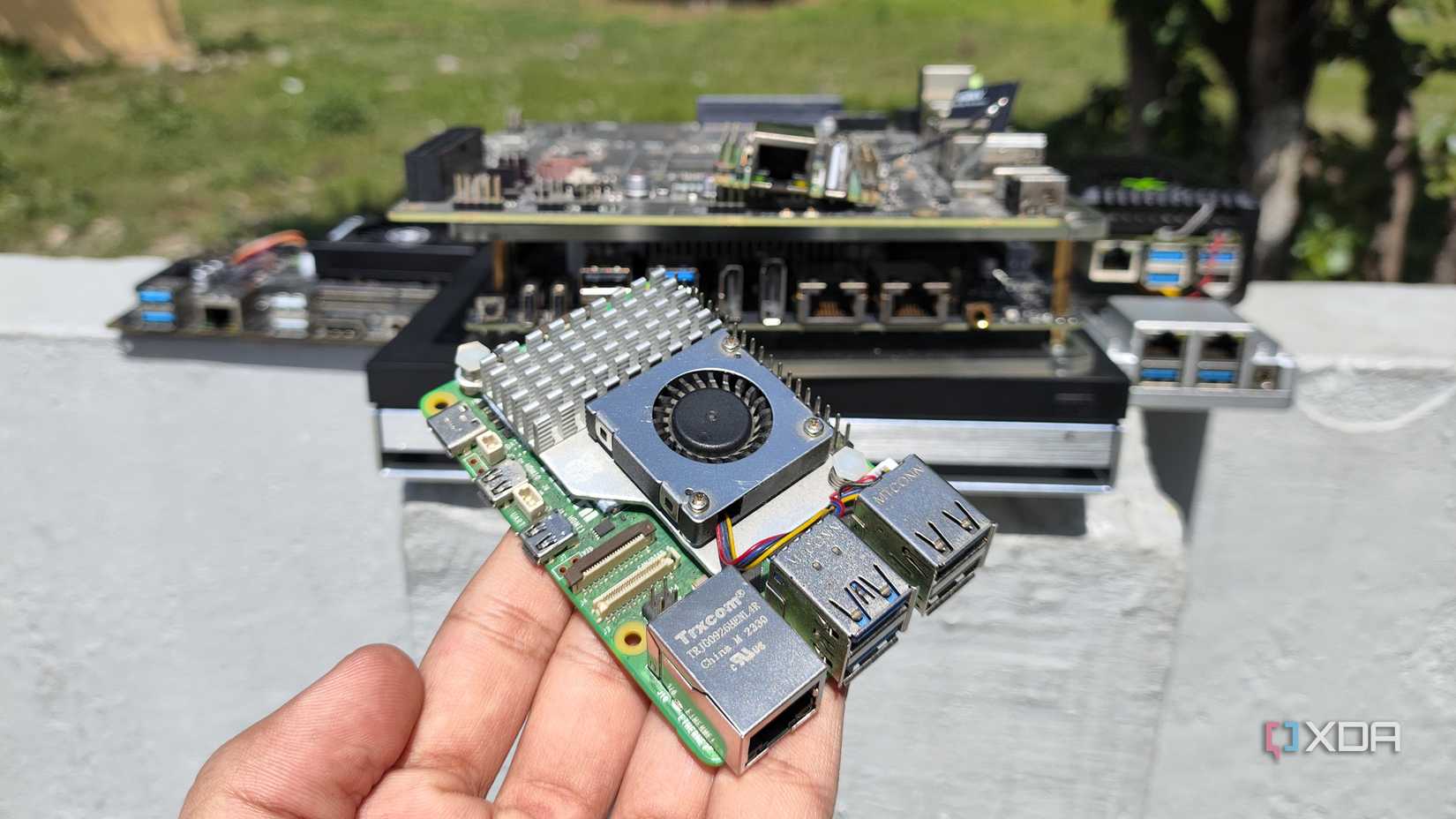
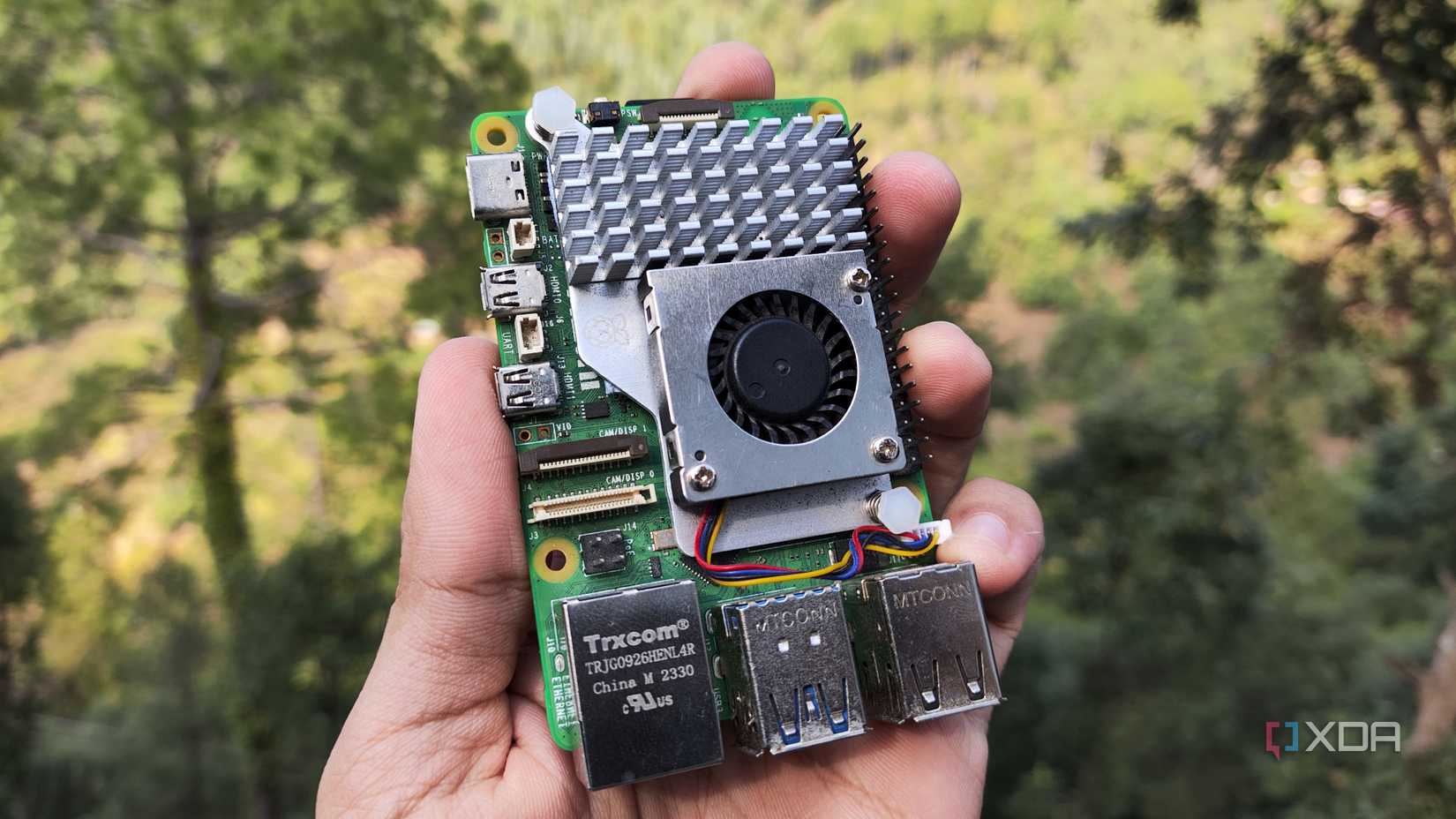
The Raspberry Pi 5 represents a significant leap in computing power over its predecessor, featuring a quad-core Arm Cortex-A76 processor clocked at 2.4GHz. When compared to the Raspberry Pi 4, the performance gains are substantial, offering a roughly two-to-three-fold increase in CPU speed.
However, Home Assistant, the most popular open-source home automation platform, is remarkably efficient. In its most basic configuration—managing Zigbee devices, basic lighting automations, and a handful of sensors—the software barely taxes a Raspberry Pi 4. For users who view their smart home as a "set it and forget it" appliance, the Pi 5 can feel like overkill. If the primary objective is simply turning on a hallway light at sunset or monitoring a thermostat, the additional I/O capabilities and raw processing power of the Pi 5 remain largely dormant.
The "overkill" argument is valid if one considers the hub as a single-purpose appliance. Yet, the reality for most enthusiasts is that a smart home is rarely static. It is an ecosystem that expands, necessitating a shift in perspective: the Raspberry Pi 5 should not be viewed as a light switch controller, but as a compact, always-on service hub.

Chronology of the Modern Home Lab
The trajectory of a home automation hobbyist typically follows a predictable, three-stage lifecycle:
- The Entry Phase: The user begins with a single, dedicated device—often an older Raspberry Pi or a base-model Pi 4. The goal is simple automation, such as smart lighting or voice integration. At this stage, stability and low power consumption are the only metrics that matter.
- The Integration Phase: As the user becomes comfortable, the "smart" home expands. They begin adding dashboards, energy monitoring, and security cameras. The hub, once a simple controller, starts managing a database, local DNS services (like Pi-hole), and MQTT brokers.
- The Lab Phase: The hub becomes the "front door" to the network. The user starts experimenting with containerization (Docker), persistent log storage, and network-wide utilities. It is at this critical juncture that the limitations of older hardware become apparent, and the "overkill" of the Raspberry Pi 5 transforms into "essential headroom."
Supporting Data: Why "Headroom" Matters
The value proposition of the Raspberry Pi 5 lies in its ability to handle the "creeping complexity" of a home lab.
- Responsiveness and UI Latency: While Home Assistant’s backend is efficient, the frontend (Lovelace dashboards) can become sluggish when populated with complex camera feeds, live graph updates, and dozens of active integrations. The faster CPU and improved memory bandwidth of the Pi 5 ensure that the UI remains snappy, preventing the "stuttering" often experienced on constrained hardware.
- Storage Throughput: The Pi 5 introduces a faster interface for storage. For users who keep long-term history logs or run internal databases (like InfluxDB or MariaDB) directly on the hub, the improved I/O speeds are a massive quality-of-life upgrade.
- Concurrent Service Management: A smart home hub that also functions as a local DNS provider, an MQTT broker, and an uptime monitor requires significant multitasking capabilities. On a Raspberry Pi 4, these tasks can lead to resource contention. The Pi 5’s architecture allows these services to coexist without competing for CPU cycles, effectively eliminating the need for separate machines for every minor utility.
Official Perspectives and Market Context
While the Raspberry Pi Foundation markets the Pi 5 as a general-purpose desktop replacement and industrial controller, the home automation community has consistently pushed its boundaries. The consensus among professional IT consultants and home lab enthusiasts is that the Pi 5 represents a "sweet spot" for small-to-medium-scale deployments.
The argument for the Pi 5 is not that it is the most efficient choice—a used thin client or a low-power mini PC with an x86 processor can often be purchased for a similar price and offer better performance. However, the Pi ecosystem offers distinct advantages: a massive community of support, unparalleled documentation, and low power consumption that is difficult to replicate with traditional server hardware.
Implications for the Future of Home Labs
The choice between a Raspberry Pi 4 and a Raspberry Pi 5 ultimately comes down to your long-term ambitions for your home network.
The Case for the Raspberry Pi 4
If your setup is strictly limited to basic automation and you have no interest in expanding into network-wide services, the Raspberry Pi 4 remains a champion of value. It is cost-effective, well-understood, and consumes very little electricity. In a constrained environment where space and budget are the primary drivers, the Pi 4 is still the rational choice.
The Case for the Raspberry Pi 5
If you view your smart home as a living project, the Raspberry Pi 5 is the better investment. By opting for the Pi 5, you are buying "buffer." You are purchasing the ability to:
- Run intensive add-ons like Frigate (for AI-based object detection) without crashing your entire home network.
- Keep your system responsive even as your sensor count grows into the hundreds.
- Consolidate your home lab utilities, reducing the "maintenance tax" of managing multiple disparate machines.
Consolidation vs. Complexity
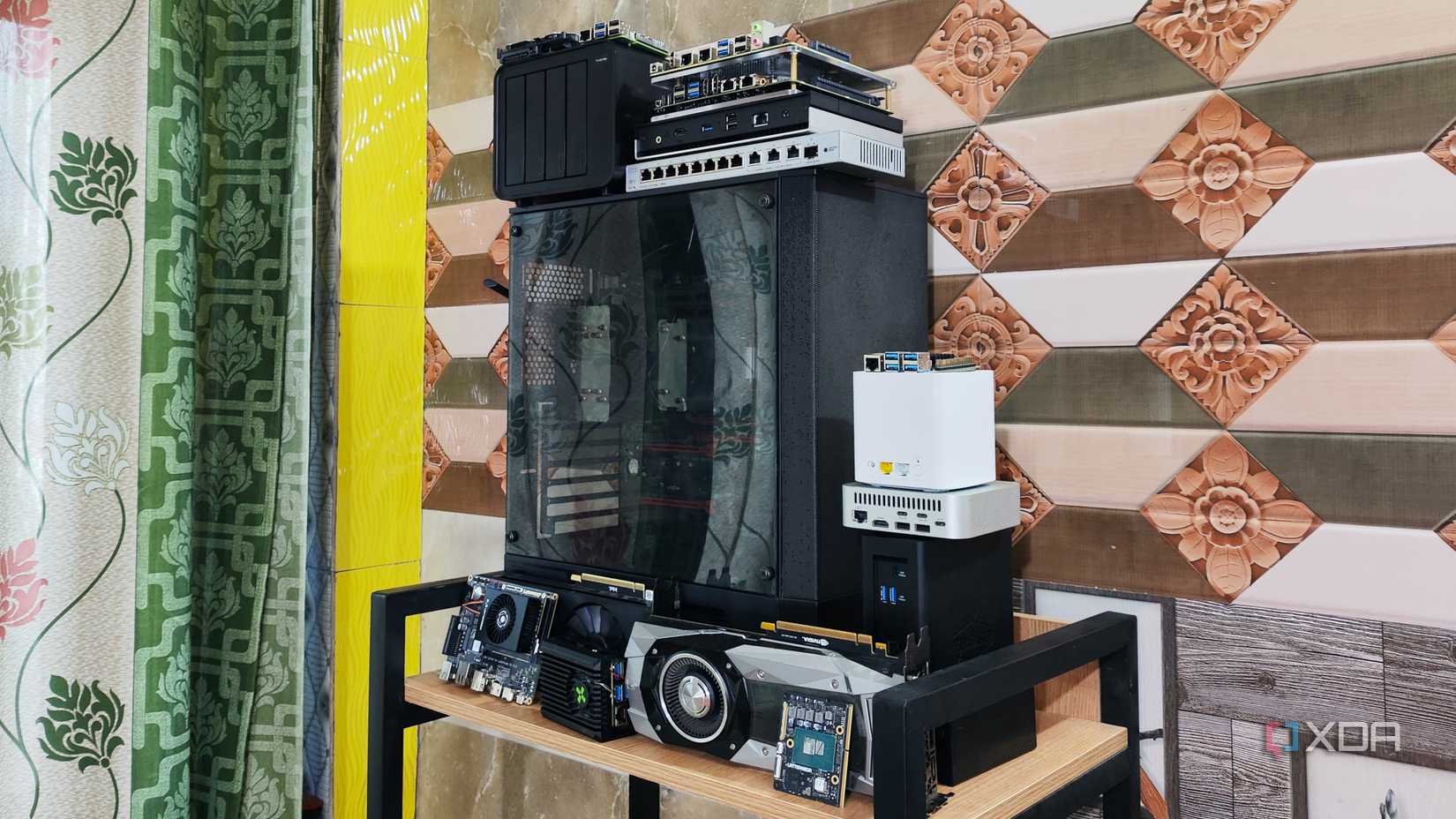
There is a fine line between a functional home lab and a maintenance nightmare. A common mistake among new enthusiasts is to try to host everything—media servers, massive storage arrays, and virtualization hosts—on a single Raspberry Pi. Even the Pi 5 has its limits. It is a powerful control plane, not a high-performance NAS or a heavy-duty virtualization server.
The most successful setups are those that use the Pi 5 for its strengths: managing the "glue" that keeps the smart home together. This includes MQTT, local DNS, monitoring agents, and automation logic. By offloading these to a robust, highly available machine like the Pi 5, you keep your network’s brain healthy while leaving the heavy lifting (like 4K video transcoding or massive file storage) to hardware specifically designed for those tasks.
Conclusion: Planning for "Growth"
In the context of technology, we often equate "overkill" with "waste." However, when it comes to infrastructure, we should instead equate it with "foresight."
The Raspberry Pi 5 is arguably too powerful for a basic light-switch automation setup, but that assessment is a snapshot in time. Smart homes, by their very nature, expand. They grow sideways, adding more sensors, more data, and more dependencies. When that expansion happens, you don’t want to be in a position where adding a simple dashboard causes a bottleneck or forces a migration to new hardware.
By choosing the Raspberry Pi 5, you are not just buying a faster processor; you are buying the peace of mind that your home’s infrastructure will not need to be rebuilt as your ambitions evolve. It is the perfect bridge between a simple, single-purpose gadget and a full-scale, enterprise-grade home lab. For the serious home automation enthusiast, that extra headroom isn’t just a luxury—it’s the foundation of a reliable, responsive, and future-proof home.










No comments yet. Be the first to join the conversation!