
The landscape of social media verification has undergone a seismic shift. Once a prestigious, elusive marker reserved for global icons, public figures, and major corporations, the "blue check" has evolved into a mass-market product. Today, Meta Verified represents a cornerstone of Meta’s non-advertising revenue strategy, transforming verification from a status symbol into a functional subscription bundle designed for creators, entrepreneurs, and established businesses alike.
As of 2026, the program has matured into a robust ecosystem spanning Facebook, Instagram, and WhatsApp. For users, it offers tangible security and support; for Meta, it represents a lucrative pivot toward direct-to-consumer monetization, generating $690 million in non-ad revenue during Q3 2025 alone.
The Evolution of Trust: A Brief Chronology
To understand the current state of Meta Verified, one must look back at the origins of platform authenticity.

- The Legacy Era (Pre-2023): For over a decade, verification was a manual, opaque process. Users had to prove "notability"—essentially demonstrating that they were high-profile enough to be targets for impersonation.
- The February 2023 Launch: Meta signaled a paradigm shift by introducing a paid subscription service in Australia and New Zealand. This move mirrored industry trends, most notably Elon Musk’s overhaul of verification on X (formerly Twitter).
- Global Expansion (2023–2024): The program rolled out globally, expanding from individuals to include small businesses and, eventually, specialized tiers for enterprise clients.
- Integration and Maturity (2025–2026): Meta expanded the service to include WhatsApp, integrating verification into the messaging interface where trust is paramount for commerce. Today, the program is no longer a "beta" test but a fully operational pillar of Meta’s platform strategy.
Breaking Down the Costs
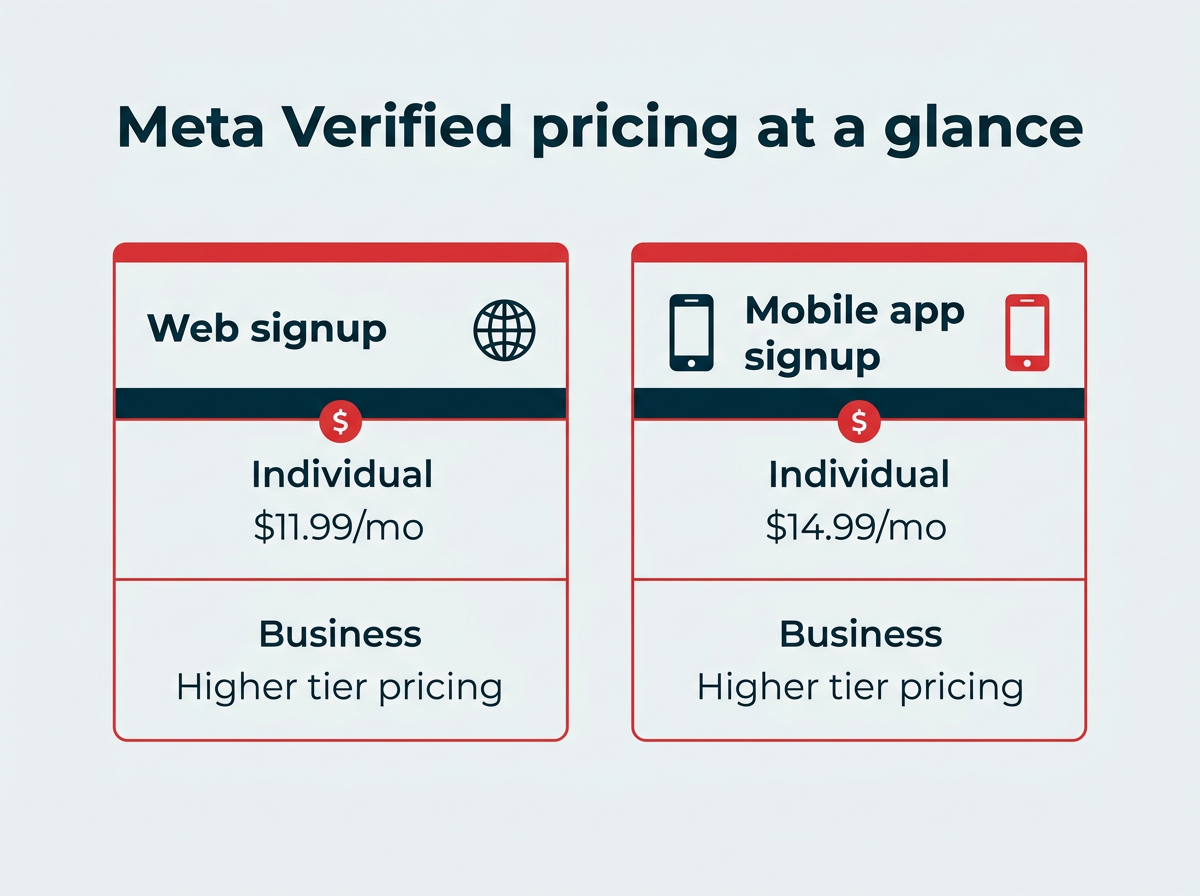
Meta’s pricing model is structured to account for the "app store tax" imposed by Apple and Google. Consequently, the company offers a lower rate for those who subscribe via the desktop web interface.
Individual Subscription Tiers
For creators and personal profiles, the pricing remains consistent:
- Web Subscription: $11.99 per month.
- Mobile Subscription (iOS/Android): $14.99 per month.
These subscriptions are billed on a per-account, per-platform basis. If you wish to have a verified badge on both Instagram and Facebook, you are required to maintain two separate subscriptions.

Business and Enterprise Tiers
Business pricing is significantly more complex. Unlike the flat-rate individual model, Meta Verified for Business utilizes a tiered structure. This system allows companies to scale their verification and support features based on their size and operational requirements. Businesses are encouraged to consult the Meta Business Help Center to identify the specific costs for their region, as rates fluctuate based on market conditions and the selected feature set.
The Value Proposition: Why Subscribe?
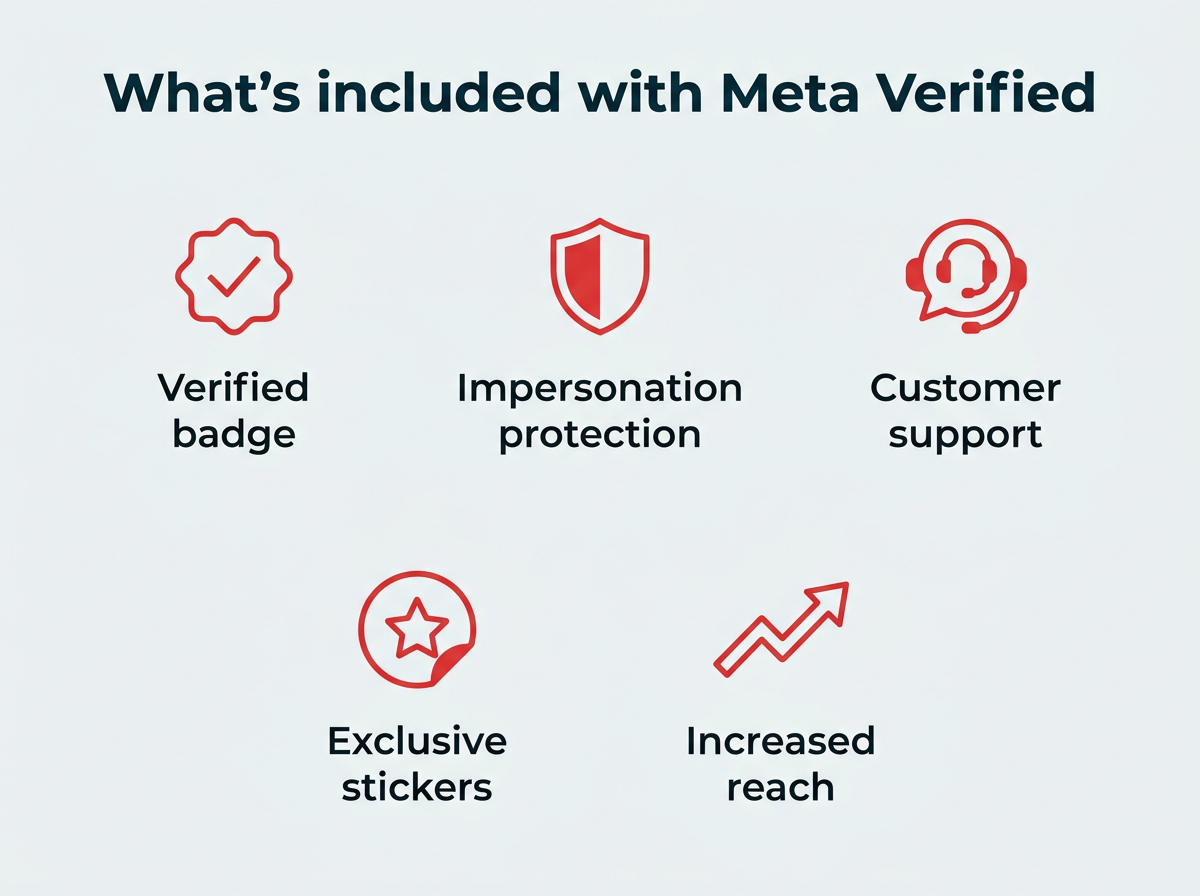
Meta markets its verification program as a "bundle," not merely a badge. The core components of the subscription include:
1. The Verified Badge
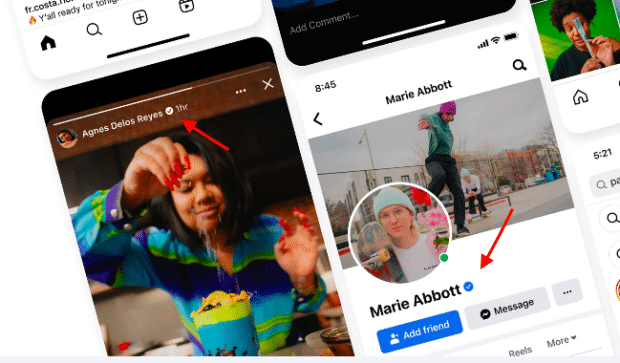
The blue check mark remains the primary draw. It serves as a visual indicator to followers and potential customers that the account has undergone a rigorous identity verification process, involving the submission of government-issued identification.
2. Proactive Impersonation Protection
This is perhaps the most practical benefit for public-facing accounts. Using advanced machine learning, Meta monitors for accounts that mimic your profile photo, display name, and bio. By flagging these bad actors before they can deceive your audience, Meta provides a layer of security that was previously unavailable to non-celebrity users.
3. Direct Human Customer Support
For years, the most common complaint among Facebook and Instagram power users was the lack of direct support for hacked accounts or technical glitches. Meta Verified subscribers bypass the standard automated help loops, gaining access to real-time human support via live chat.
4. Algorithmic Visibility
Meta has confirmed that subscribers may receive a boost in reach. This is particularly impactful for smaller creators or newer businesses whose content might otherwise be buried in a crowded feed. By appearing higher in comments, search results, and recommended accounts, verified users gain a distinct competitive advantage.
Official Stance and Strategic Implications
Meta’s management has been transparent regarding the motivations behind this shift. In recent earnings calls, leadership characterized Meta Verified as a long-term product designed to provide value to the "community at large."
By moving away from the "notability" requirement of the legacy system, Meta has democratized the verification process. This has two major implications:
- Revenue Diversification: By capturing recurring monthly revenue, Meta reduces its absolute reliance on volatile advertising markets, creating a more stable fiscal foundation.
- Platform Quality Control: By requiring a government ID for every verified account, Meta is effectively cleaning up its platform, forcing a level of transparency that makes bad-faith behavior (such as spam or scamming) more difficult and costly to maintain.
Eligibility Requirements
The barrier to entry is intentionally low compared to the legacy system, but it is not non-existent.
For Individuals:
- Must be 18 years or older.
- Must provide a government-issued ID that matches the profile name and photo.
- Must adhere to Meta’s Community Standards.
- Must have a history of prior posting activity.
For Businesses:
- Must have an established presence on the platform.
- Must provide business registration documents to verify legal entity status.
- Must be in compliance with Meta’s Business Terms of Service.
Meta Verified on WhatsApp
The integration of Meta Verified into the WhatsApp Business app is a game-changer for conversational commerce. Unlike the public-facing feeds of Instagram and Facebook, WhatsApp is a private messaging environment. For a business, the verified badge acts as a "trust seal" that appears directly within a chat thread. This provides immediate assurance to customers that they are communicating with the legitimate brand, which is critical for businesses that process payments or handle sensitive customer support queries through the app.
Is It Worth the Investment?
The decision to subscribe should be based on your specific goals.
You should consider subscribing if:
- You are a brand or creator who frequently deals with impersonators.
- You are a small business owner who requires direct support to ensure your sales channels remain uninterrupted.
- You are looking to grow your reach from a small baseline and need the algorithmic "nudge" provided to subscribers.
You may want to skip it if:
- You are a casual user who does not rely on these platforms for income or brand building.
- You already qualify for legacy verification and do not require the extra support features.
- Your content strategy does not align with the platform’s recommendation guidelines (the badge will not save content that violates community standards).
Competitive Context: The 2026 Social Media Landscape
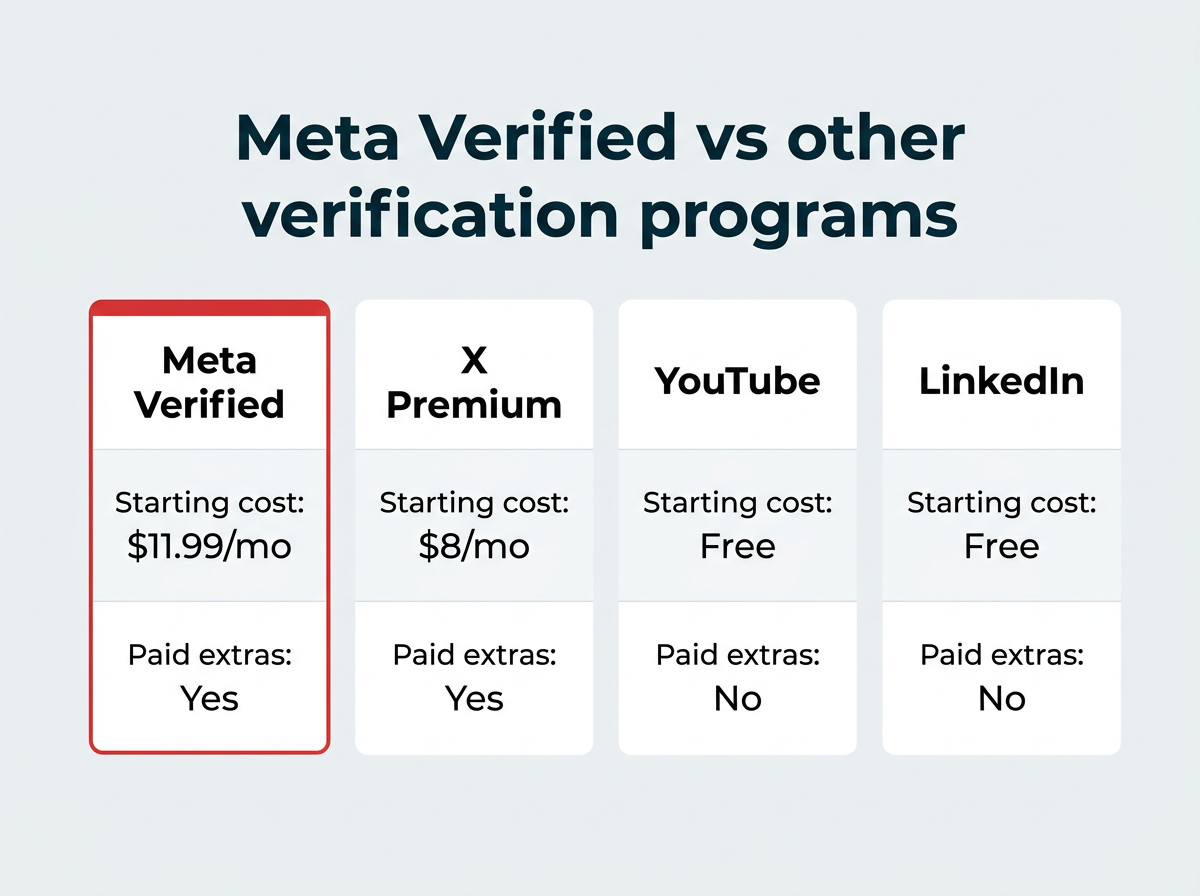
The move toward paid verification is an industry-wide trend. X (formerly Twitter) pioneered the "Blue" subscription, which offers features like longer posts and edit buttons alongside verification. However, Meta distinguishes itself by emphasizing identity verification (ID checks) over purely functional features.
While YouTube and LinkedIn continue to offer verification for free based on notoriety or professional status, they do not currently offer the comprehensive support and security bundles that Meta has built. Meta’s offering is arguably the most "corporate-friendly" of the lot, prioritizing account security and customer service over social media "perks."
Conclusion
Meta Verified has evolved from a controversial test into a mature, standard feature of the Meta ecosystem. Whether it is the right choice for you depends on your reliance on these platforms for professional growth and security. As social media continues to blur the lines between personal connection and commercial interaction, the verified badge is no longer just a status symbol—it is a tool for authentication in an increasingly complex digital world. By choosing to subscribe, users are essentially opting into a higher tier of platform service, one that prioritizes stability, support, and protection in a high-stakes digital economy.