

The relationship between an author and the film adaptation of their work is often fraught with creative tension, territorial disputes, and, occasionally, public fallout. From the legendary disdain J.R.R. Tolkien held for early interpretations of his Middle-earth saga to the infamous creative rift between Stephen King and Stanley Kubrick regarding The Shining, the history of cinema is littered with authors who felt their literary vision was betrayed by the silver screen. Perhaps no project in the modern era illustrates this divide more starkly than the 2013 blockbuster World War Z.
When Paramount Pictures announced it had acquired the rights to Max Brooks’ seminal oral history of the zombie apocalypse, fans of the genre were electrified. Yet, the final product—a globetrotting, high-octane action thriller starring Brad Pitt—bore almost no resemblance to the cerebral, geopolitical, and episodic masterpiece written by Brooks. While the film became a massive financial success, its departure from the source material remains a point of contention. However, in a surprising turn of events, the author himself offered a perspective that was as pragmatic as it was unexpected.
The Anatomy of an Adaptation: Book vs. Film
To understand the friction between the two versions of World War Z, one must first examine the structural chasm between them. Max Brooks’ 2006 novel is a triumph of speculative fiction, written as a post-facto report by a United Nations agent documenting the "Z-War." It is a mosaic of human experience, featuring dozens of disparate voices from every corner of the globe—a Chinese doctor at the dawn of the outbreak, a blind Japanese otaku, a South African mercenary, and a desperate Russian soldier. The book is less about a single hero and more about the failure of bureaucracy, the ingenuity of survival, and the slow, grinding process of global reclamation.
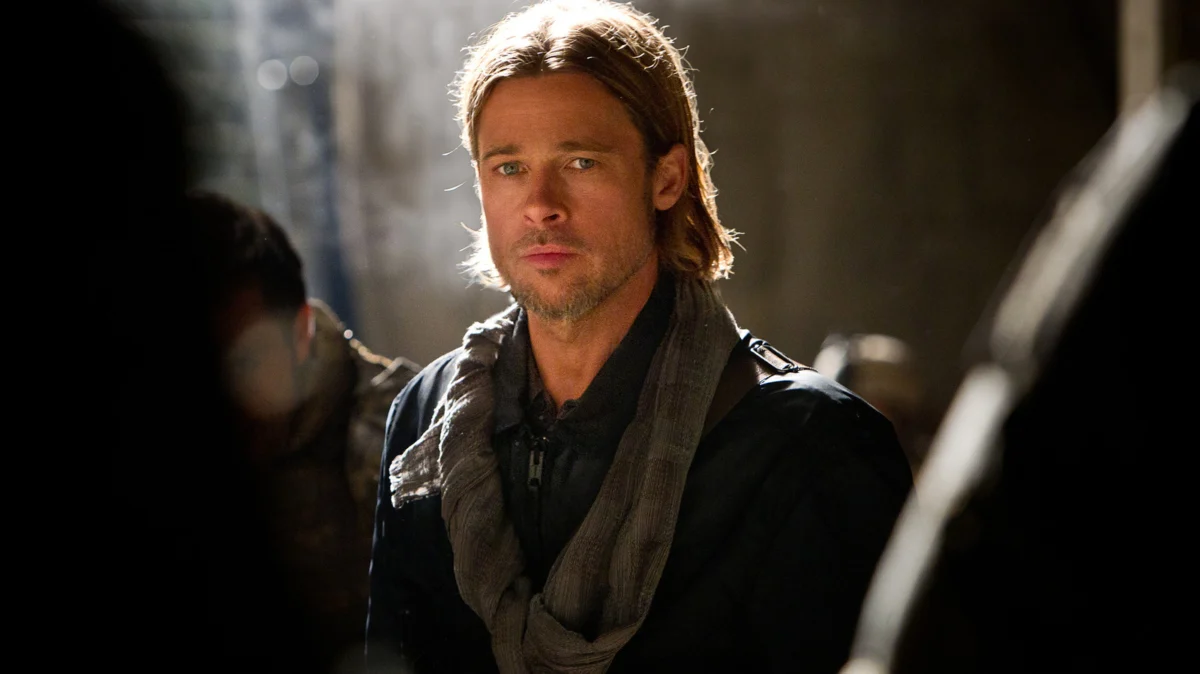
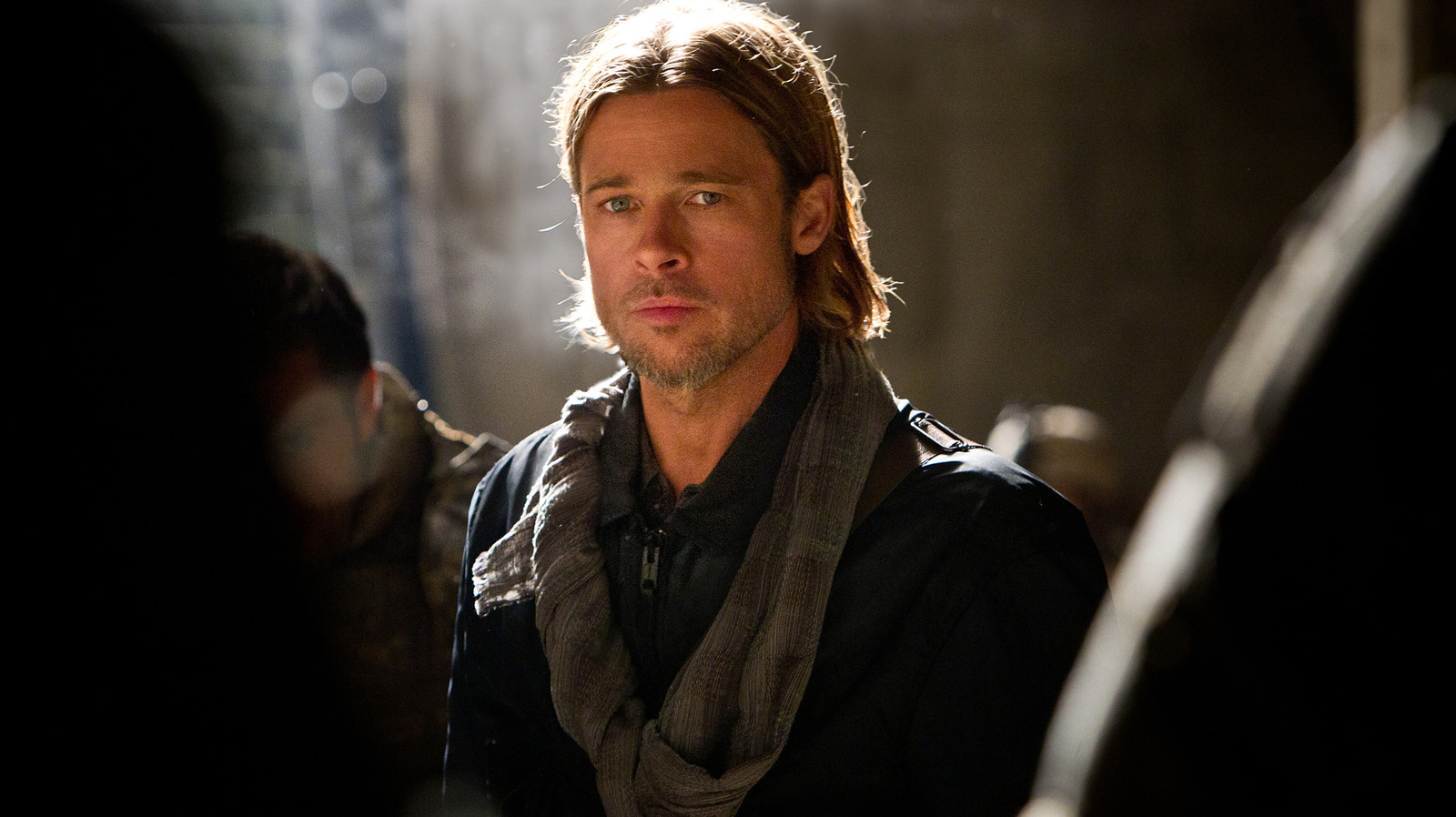
In contrast, the 2013 film directed by Marc Forster is a quintessential "hero’s journey." Brad Pitt portrays Gerry Lane, a former UN investigator thrust into a breathless race against time to find the source of the infection. Where the book relies on slow-burn dread and international political intrigue, the movie leans into spectacle, featuring massive "zombie pyramids" and high-stakes set pieces in Jerusalem and Cardiff.
The production itself was notoriously chaotic. Facing significant "third-act problems," the studio brought in writers Damon Lindelof and Drew Goddard to fundamentally overhaul the final sequences. The result was a film that stripped away the book’s nuance, replacing its sweeping, sociological scope with a focused, visceral survival thriller.
A Chronology of Conflict and Compromise
The journey of World War Z from the printed page to the theater screen was marked by a series of pivots that distanced the project further from Brooks’ vision.
- The Acquisition (2006-2007): Following the massive critical acclaim of the novel, Plan B Entertainment—Brad Pitt’s production company—secured the film rights, beating out Leonardo DiCaprio’s Appian Way. At this stage, there was genuine hope for a sprawling, multi-perspective epic.
- The Development Hell (2008-2011): Script drafts circulated that attempted to maintain the "oral history" format, but studio executives grew concerned that a documentary-style narrative would lack the broad appeal of a traditional protagonist-led blockbuster.
- Production and Reshoots (2012-2013): Principal photography began, but the film struggled to find its footing. The massive budget, combined with the loss of the original narrative structure, forced the studio to pivot toward a more conventional action format.
- The Release and Public Reception (June 2013): World War Z premiered to decent reviews but polarized fans of the book. While the film was praised for its intensity, many lamented the loss of the "Brooksian" style.
- The Comic-Con Address (July 2013): Just weeks after the film’s release, Max Brooks took the stage at San Diego Comic-Con. It was here that he delivered his defining thoughts on the adaptation, effectively closing the book on the debate by choosing grace over grievance.
Supporting Data: Box Office vs. Literary Legacy
From a business perspective, the film was an unqualified triumph. It grossed over $540 million worldwide, becoming the highest-grossing zombie film in history at the time. This financial success served as a testament to the power of the "Brad Pitt" brand and the broad, albeit generic, appeal of a high-budget disaster movie.
However, the literary legacy tells a different story. The novel remains a staple of the horror genre, consistently cited for its realistic approach to crisis management and military strategy. While the movie introduced the concept of "fast zombies" to a wider audience, it arguably cannibalized the brand, making a direct, faithful adaptation of the novel’s specific vignettes increasingly difficult to produce.
The Author’s Perspective: A Candid Admission
Max Brooks’ reaction to the film is perhaps the most fascinating element of this entire saga. At the 2013 San Diego Comic-Con, he provided a masterclass in how to handle the "disappointment" of an adaptation. Speaking to a room of die-hard fans, he famously quipped that the only thing the book and the movie shared was "a great title."
However, he resisted the urge to join the chorus of vocal critics. "It didn’t suck. And I didn’t hate it," Brooks admitted. "And I specifically thought I would hate it because it was so different from the book."
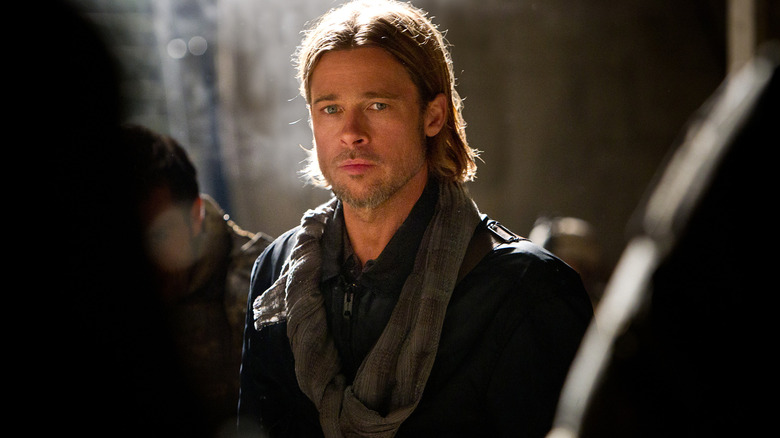
His reasoning was rooted in a psychological separation. Because the film was so fundamentally different from his work, he was able to view it as an independent piece of entertainment. "It was just somebody else’s movie. It had nothing to do with me," he explained. "So, I was completely emotionally divorced from what I was seeing on the screen. Once the title sequence passed, I was like, ‘Oh… this is fun. Okay.’"
This "emotional divorce" allowed Brooks to enjoy the film on its own terms, free from the burden of authorship. He recognized that when an author sells their work to a major studio, they are, to some extent, losing control over the artistic output. By accepting this reality, he spared himself the bitterness that has defined the careers of other authors.
The Nuance of Appreciation
Crucially, Brooks did not just offer a polite pass on the film; he found moments of genuine merit within it. He noted that despite the narrative overhaul, some sequences captured the specific spirit of his writing—a spirit characterized by the "boring" details that change everything.
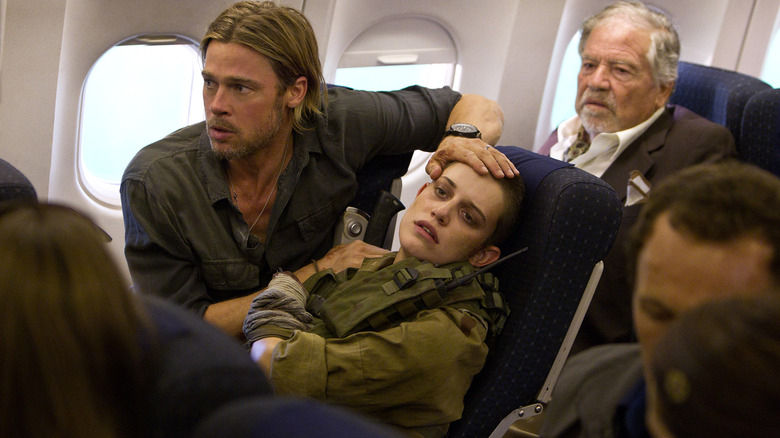
He highlighted a scene in the film where a character, untrained in the use of firearms, accidentally causes a catastrophe during a moment of high tension. For Brooks, this was a moment of profound recognition. "I gotta be honest, there were actually moments in the movie that p*ssed me off because they were actually good. And they were stuff I would’ve written," he remarked. "Those of you who’ve read my books, you know that’s like everything I write about, is those little moments that we consider to be boring, but can change everything in a heartbeat."
This acknowledgment highlights an important truth: even when an adaptation fails to capture the "macro" vision of a book, it can still honor the "micro" details that define an author’s voice.
Implications for Future Adaptations
The World War Z experience serves as a case study for both authors and studios. For studios, it highlights the danger of discarding a beloved source material’s unique hook; while the film made money, it missed the opportunity to create a genre-defining piece of cinema that could have stood as a cultural touchstone. For authors, Brooks’ approach provides a blueprint for maintaining professional dignity.
In an era where IPs (intellectual properties) are the currency of Hollywood, conflicts between creators and studios are inevitable. George R.R. Martin’s recent critiques regarding the adaptation of his Fire & Blood history in House of the Dragon prove that these debates are as relevant today as they were in 2013.
Ultimately, Max Brooks’ reaction was a "win-win." By being gracious, he maintained his professional relationship with the industry while ensuring his book remained untarnished by the potential toxicity of a public feud. The film may have been a "loose adaptation," but for the man who wrote the words, it provided an unexpected lesson: sometimes the best way to handle a transformation of your work is to step back, let go, and enjoy the ride.










