By Editorial Staff
The landscape of animated wartime drama is set to expand this autumn with a poignant new addition. GKIDS, the preeminent distributor of acclaimed international animation, has officially unveiled the English-subtitled trailer for cocoon – One Summer of Girlhood. This evocative feature film, marking the directorial debut of Yukimitsu Ina, is scheduled to make its North American theatrical debut on September 4, offering audiences both the original Japanese audio track with subtitles and a newly commissioned English-language dub.
As the film prepares to reach a global audience, it carries the weight of a powerful source material and the pedigree of some of Japan’s most respected animation veterans.
The Core Narrative: A War-Torn Coming-of-Age
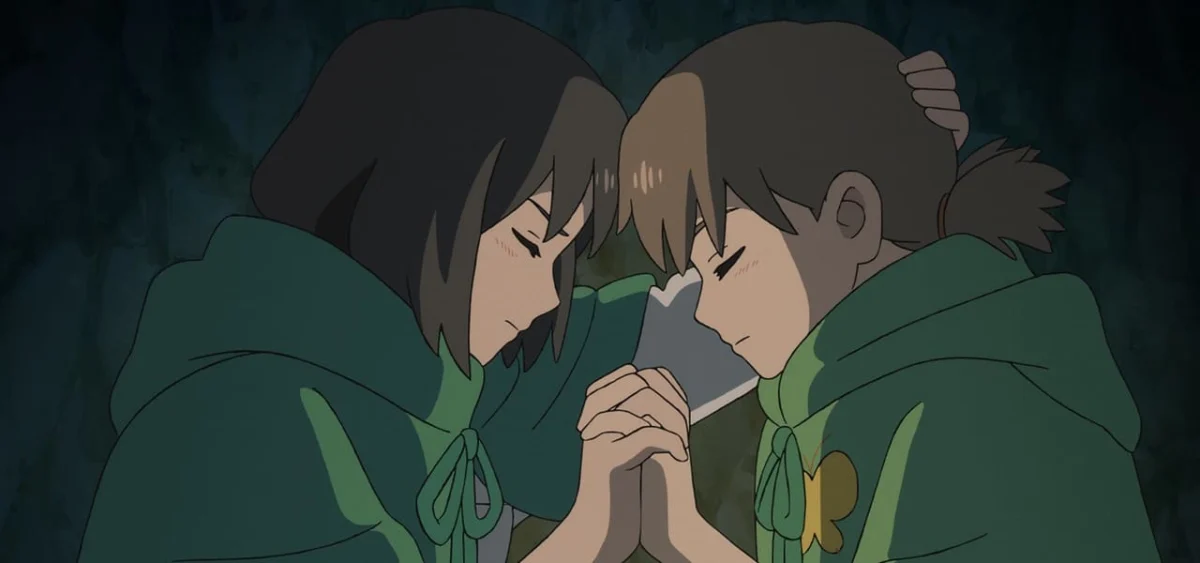
Based on the critically lauded manga cocoon by Machiko Kyo, the film serves as a somber reflection on the loss of innocence during the final stages of the Pacific War. The story centers on two young students, San and Mayu, whose adolescent lives at an all-girls school are abruptly derailed by the encroaching realities of World War II.
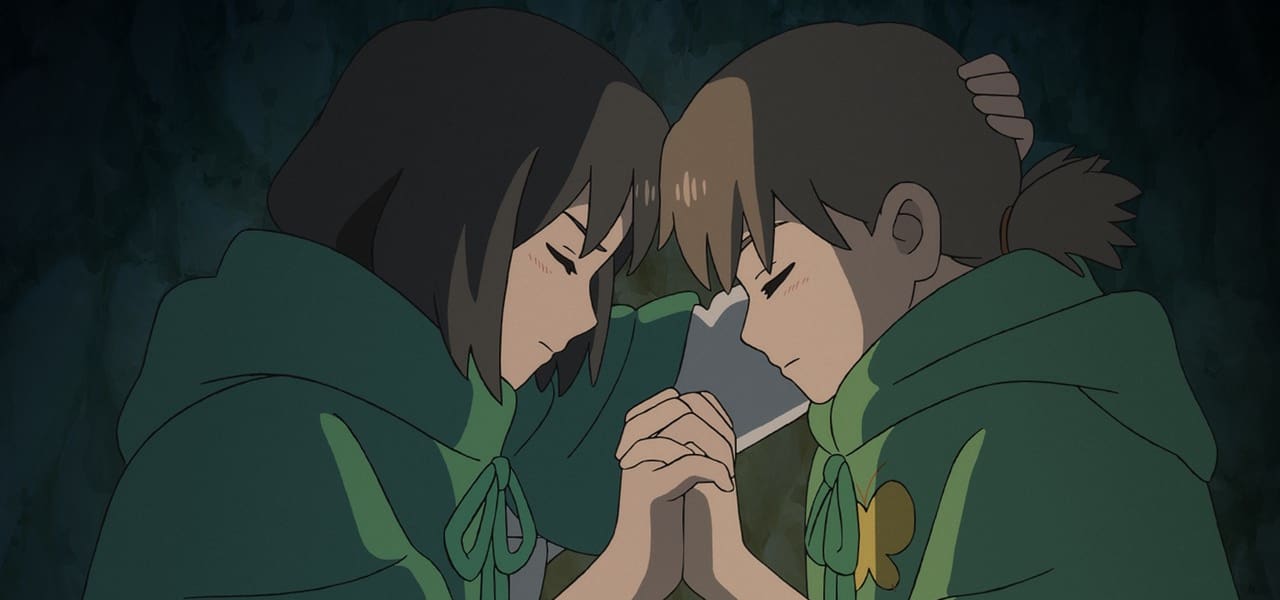
As the conflict intensifies and descends upon their island home, the protagonists are conscripted into service, tasked with the harrowing responsibility of caring for wounded soldiers within a makeshift military hospital concealed deep inside a cavernous underground space. This "cocoon" serves as both a literal refuge and a psychological trap. Within these walls, San and Mayu are forced to reconcile the burgeoning complexity of their friendship with the visceral, unforgiving horrors of military life. It is a narrative that prioritizes the internal emotional topography of its characters over the spectacle of combat, exploring how humanity persists when everything else is being systematically dismantled.
Chronology and Production History
The journey of cocoon from page to screen is a testament to the meticulous nature of independent animation production.
- Source Material: The project is rooted in Machiko Kyo’s acclaimed manga, which gained prominence for its stark, minimalist art style and its unflinching look at the mobilization of youth during wartime.
- The Director’s Vision: Yukimitsu Ina, a creative force previously recognized for his contributions to the visually inventive Keep Your Hands Off Eizouken! and the stylistic Star Wars: Visions episode "Tatooine Rhapsody," was tapped to shepherd the adaptation. This project marks his first foray into feature-length direction.
- Studio Pedigree: Production was handled by Sasayuri, an animation studio founded by Hitomi Tateno. Tateno’s background is steeped in the history of Studio Ghibli, where she served as a key animation checker on legendary works such as My Neighbor Totoro and Howl’s Moving Castle. This lineage ensures a level of craft that respects the traditional aesthetic of hand-drawn Japanese animation while pushing the boundaries of contemporary storytelling.
- The Theatrical Rollout: Following a rigorous production cycle, GKIDS secured the North American distribution rights, finalizing a September 4, 2026, release date to coincide with the post-summer theatrical window.
Supporting Data: The Talent Behind the Lens
The production of cocoon is notable for its deliberate synthesis of rising talent and seasoned industry stalwarts. The project avoids the trap of relying solely on one demographic, instead fostering a collaborative environment that bridges the gap between different eras of the Japanese animation industry.
The Creative Engine
- Screenplay: Director Yukimitsu Ina collaborated on the screenplay with Taku Kishimoto. Kishimoto’s involvement is significant, as he brings a wealth of experience in high-stakes storytelling from his work on the hit sports drama Haikyu!! and the high-octane SAKAMOTO DAYS. His ability to balance character arcs with pacing is expected to be a cornerstone of the film’s narrative success.
- Visual Craftsmanship: The film boasts the expertise of animation veterans Akihiko Yamashita (known for his contributions to Spirited Away and The Boy and the Heron) and Shinji Otsuka (of Kiki’s Delivery Service and Princess Mononoke fame). Their inclusion signals a dedication to fluid, emotive character animation, which is essential given the film’s heavy reliance on non-verbal communication and internal struggle.
- The Auditory Landscape: The score, composed by the prolific Kensuke Ushio—whose work on A Silent Voice and Chainsaw Man has defined the sound of modern anime—is being highlighted as a major pillar of the film’s atmosphere. GKIDS has confirmed that screenings will feature a special behind-the-scenes featurette, allowing fans a rare glimpse into how Ushio translated the trauma of the setting into a haunting musical score.
Official Responses and Industry Anticipation
GKIDS has positioned cocoon as a prestige title, emphasizing its emotional depth and artistic integrity. While official press releases have focused on the film’s narrative stakes, industry analysts suggest that cocoon fits perfectly into the "arthouse anime" niche that GKIDS has successfully cultivated in North America.
.png)
The choice to provide both a subtitled and dubbed version reflects the distributor’s commitment to accessibility. By offering an English dub, the studio hopes to lower the barrier for younger viewers or those who may be less familiar with the specific cultural nuances of the source material, ensuring the story’s universal themes of friendship and survival reach the widest possible audience.
The production studio, Sasayuri, has maintained a focus on the "human element" of animation. In statements regarding the project, they have underscored the importance of keeping the production atmosphere aligned with the values of classic cel-animation sensibilities, even while utilizing modern digital tools.
Implications for the Industry
The release of cocoon has broader implications for the current state of the global animation market.
- The Rise of the "Mid-Budget" Animated Drama: In an era dominated by high-octane franchise blockbusters, cocoon represents a return to the animated drama—a genre that historically flourished in the 1980s and 90s but has recently struggled to find consistent theatrical space outside of major studios.
- The Influence of Independent Studios: With studios like Sasayuri proving that they can produce high-quality features independent of the "Big Three" (Ghibli, Toei, Madhouse), we are likely to see an increase in decentralized production models. This shifts the power balance, allowing directors like Ina to pursue more experimental and somber subject matter.
- Wartime Narratives in Modern Context: The film enters a market that is increasingly interested in the intersection of history and animation. Projects like In This Corner of the World paved the way for cocoon, demonstrating that there is a dedicated audience for films that treat historical conflict with gravity and artistic reverence.
- The "Behind-the-Scenes" Marketing Trend: Including a featurette on the composer’s process as part of the theatrical experience is a savvy move. It turns a standard movie-going event into an educational or "eventized" experience, which is becoming increasingly vital in incentivizing audiences to visit theaters rather than waiting for streaming releases.
As September 4 approaches, all eyes will be on how cocoon – One Summer of Girlhood resonates with North American audiences. By blending a harrowing historical setting with a delicate, character-driven story, the film is positioned to be one of the most discussed animated releases of the year—a quiet, devastating reminder of the fragility of peace and the endurance of the human spirit.