Siti Muinah
The highly anticipated reveal of Call of Duty: Modern Warfare 4 took a jarring turn this week as the first public look at alpha gameplay was marred by a severe visual bug. While fans were eager to dissect the mechanics of the new "Kill Block" mode and the refined movement systems, the conversation was almost immediately derailed by an aggressive, blinding muzzle flash effect that rendered the game nearly unplayable in certain scenarios.
For a franchise that prides itself on tactical immersion and high-fidelity gunplay, the visual spectacle—or lack thereof—was a significant setback. Infinity Ward, the studio behind the development, has been forced into damage-control mode, clarifying that the erratic lighting effects are not a design choice, but a technical failure that will be addressed well before the beta launch.
The Chronology of the Controversy
The trouble began shortly after content creators were granted access to an early alpha build of Modern Warfare 4. The objective was clear: showcase the game’s core loop, introduce the "Kill Block" mode, and build hype ahead of the upcoming open beta in September.
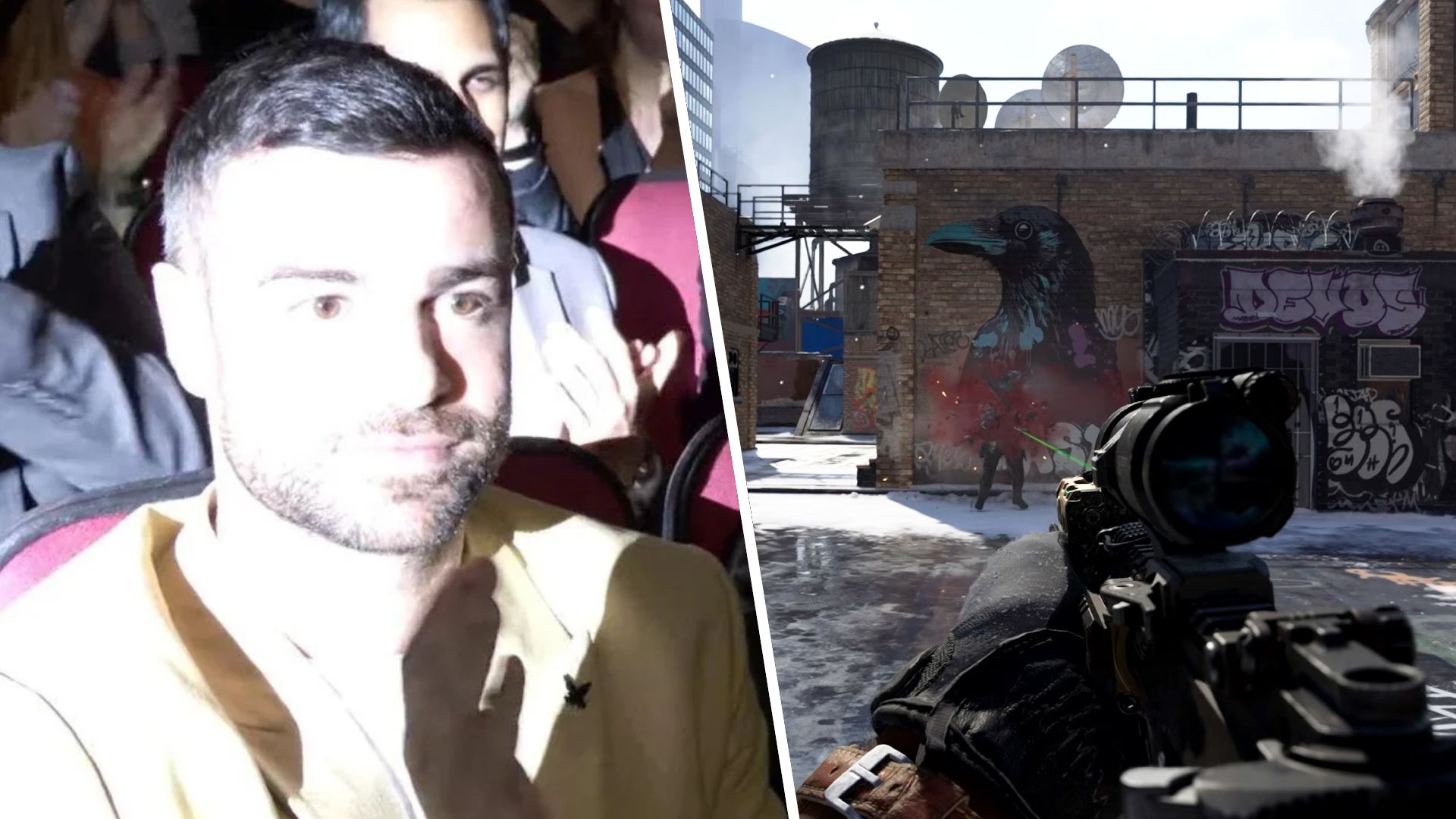
However, as the footage hit social media platforms, the community’s focus shifted from tactical gameplay to the sheer visual obstruction caused by weapon fire. In clips shared by prominent creators such as Skyrroz, players firing weapons—particularly high-caliber sniper rifles and the M4 assault rifle—were met with a massive, blinding flash and thick clouds of smoke that effectively obscured the entire screen.
The issue appeared most pronounced in dimly lit, indoor environments, where the flash would illuminate the screen to a degree that rivaled the brightness of an in-game "flashbang" grenade. The reaction was swift and unforgiving. Within hours, the internet was awash with memes and heated criticisms, with many questioning whether Infinity Ward had prioritized "cinematic flair" over competitive clarity to a point of absurdity.
Anatomy of a Glitch: Why the Visuals Matter
In the fast-paced ecosystem of Call of Duty, visual clarity is the bedrock of competitive integrity. Players rely on precise target acquisition, recoil patterns, and muzzle orientation to outplay their opponents. When a game introduces "visual recoil"—the movement of the weapon model and sight picture that doesn’t necessarily correlate with the actual bullet trajectory—it is already a point of contention for veteran players.
When you compound visual recoil with a bug that effectively "blinds" the player with every trigger pull, the frustration becomes understandable. Unlike a minor texture pop-in or a sound-mixing error, this muzzle flash glitch actively impedes the primary interaction of the game: shooting.
As one observer on X (formerly Twitter) noted, the effect was so intense that it felt like an "unintentional epilepsy test." The sentiment was echoed by other high-profile figures in the community, including content creator JGOD, who expressed genuine confusion after comparing his own previous hands-on experience with the current, broken build. "What happened to the version I played?" he asked, highlighting the discrepancy between the polished, closed-door demos and the chaotic state of the alpha footage.
Official Responses: Infinity Ward Sets the Record Straight
Recognizing that the community was spiraling toward a negative consensus, Infinity Ward moved quickly to clarify their position. In an official statement posted to social media, the developers emphasized that the alpha build was not representative of the final product.
"Seeing #MW4 in the hands of players for the first time has been an exciting milestone for the team," the studio stated. "These are pre-release Alpha builds and are still very much a work in progress. The muzzle flash VFX issue in today’s Alpha gameplay is a bug that will be fixed for Beta."
This response was critical in preventing a complete collapse of public perception. By framing the issue as a specific, identifiable bug rather than a "feature" or an "artistic decision," Infinity Ward successfully pivoted the conversation from "the game is ruined" to "the game is in development." However, the damage to the first impression remains, and the studio now faces the challenge of ensuring that the upcoming beta is bulletproof to regain the trust of their most vocal skeptics.
The Broader Implications for Modern Warfare 4
The muzzle flash incident highlights a broader tension between the developer’s desire for "immersion" and the player base’s demand for "visibility." Infinity Ward has previously stated that they are aiming for Modern Warfare 4 to be the most immersive entry in the franchise to date. In the past, this has led to controversial design choices, such as screen shake, heavy dust effects, and, as mentioned, significant visual recoil.
The "Immersion vs. Clarity" Debate
Modern shooters often struggle to balance the "Hollywood" aesthetic with the needs of a competitive arena. While the average player might appreciate the visceral, bone-shaking feel of a heavy machine gun, the competitive player sees only an obstruction to their line of sight. If Infinity Ward pushes too hard on the former, they risk alienating the latter.
The fact that this bug occurred in the midst of discussions regarding mouse-and-keyboard support and visual recoil suggests that players are already on edge. The community is looking for signs that Modern Warfare 4 will be a responsive, competitive experience. A bug that obscures the target is, therefore, a lightning rod for broader concerns about the game’s direction.
The Importance of the Beta Period
With the beta scheduled for September, the clock is ticking. This period is historically the most important phase for Call of Duty development. It serves as a stress test for servers, a balancing ground for weapons, and a final litmus test for the "feel" of the game.
Infinity Ward will likely use the September beta to demonstrate that they have listened to the feedback regarding visual recoil and that the muzzle flash glitch has been entirely remediated. If the beta rolls out with even a hint of the same visual noise, the studio will find itself in a much more difficult position, as they will have lost the benefit of the doubt regarding the "alpha status" of their game.
Looking Ahead
Despite the noise, the foundational mechanics of Modern Warfare 4 remain highly anticipated. The "Kill Block" mode, for instance, has generated interest for its focus on tactical positioning and objective-based play. If the developers can strip away the unnecessary visual clutter and focus on tightening the gunplay, the game has the potential to satisfy the core player base.
However, the lesson of this week is clear: in the era of social media, where gameplay clips are shared in 4K resolution across the globe in seconds, first impressions are no longer just important—they are definitive. The muzzle flash bug may have been a temporary technical error, but it served as a stark reminder that in a franchise as scrutinized as Call of Duty, even a small spark can create a massive fire.
For now, the community waits. Whether the final release of Modern Warfare 4 will be remembered for its immersive, high-octane combat or for the rocky, flash-heavy road to its reveal, will depend entirely on how the developers handle the coming weeks of polish. The studio has the tools, the legacy, and the resources; now, they must prove that they still have the focus to deliver a clean, competitive experience.


 Asro
Asro
 Muslim