From the dawn of storytelling, the human imagination has been fixated on the concept of the "other." Whether manifested as alien invaders, mythological orcs, or the spectral remnants of the dead, fiction has long served as a canvas for our anxieties regarding the unknown. However, there is a specific, deeply visceral brand of terror reserved for the mirror match—a confrontation where the antagonist is not a stranger, but a reflection. Whether dubbed a double, a doppelgänger, or a clone, the presence of an identical self serves as a profound psychological catalyst, forcing characters to reconcile with their own potential for darkness, instability, or erasure.
Main Facts: The Archetype of the Mirror Match
The "hero versus self" trope is a staple of superhero narratives, providing a convenient physical match that tests the protagonist’s combat prowess while simultaneously highlighting their moral superiority. In such tales, the hero invariably triumphs, not through superior strength, but through the idiosyncratic "X-factor" of their identity—tenacity, moral clarity, or the weight of past experience.
However, moving outside the realm of cape-and-cowl heroism into the darker corridors of science fiction and horror, the stakes shift from physical dominance to existential annihilation. In these narratives, the double is not merely an obstacle; it is a manifestation of inner demons, a literalization of regret, or a biological glitch that challenges the very concept of individual sovereignty. The following analysis explores five pivotal works that redefine the doppelgänger trope, moving beyond the simple "evil twin" cliché to explore the terrifying implications of sharing a face, a soul, or a history.
Chronology of Confrontation
The evolution of the doppelgänger in modern literature has seen a marked shift from the metaphysical to the biological.
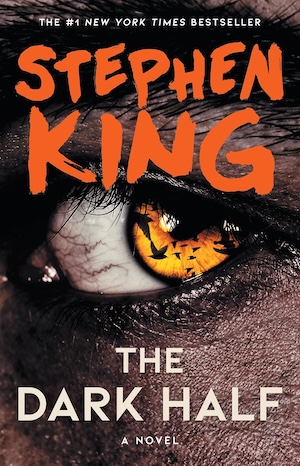
- 1989: The Dark Half by Stephen King. King explores the duality of the creative process, manifesting the pseudonym as a literal entity.
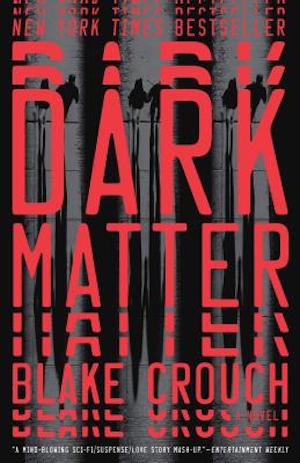
- 2016: Dark Matter by Blake Crouch. A shift toward the quantum, exploring the "what-ifs" of personal choice and the instability of reality.
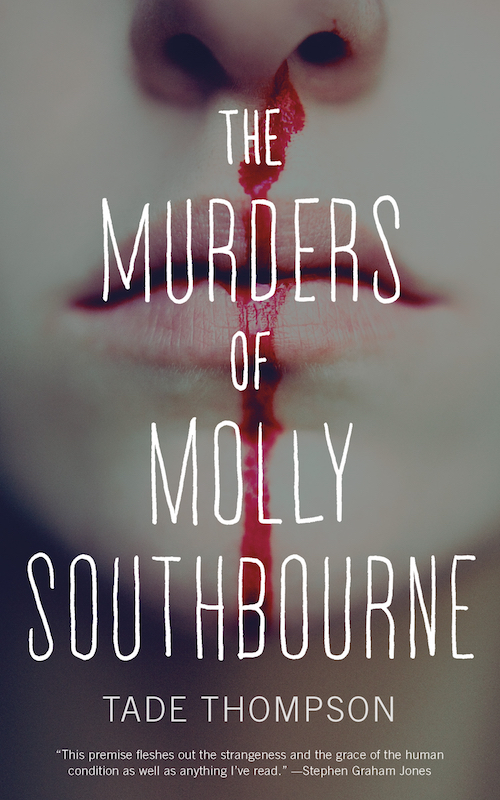
- 2017: The Murders of Molly Southbourne by Tade Thompson. A visceral, biological horror approach where the double is a byproduct of one’s own physiology.
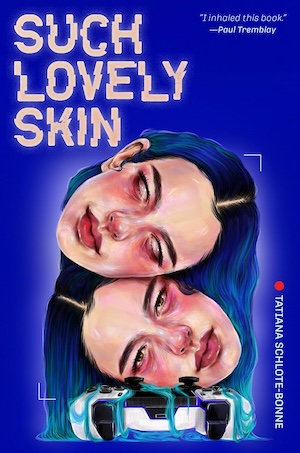
- 2024: Such Lovely Skin by Tatiana Schlote-Bonne. A contemporary exploration of digital identity, grief, and the "mimic" as an invasive, parasitical force.
- 2026: The Other by Annie Neugebauer. A focus on the breakdown of interpersonal trust, where the external double threatens the sanctity of the domestic unit.
Supporting Data: Literary Analyses of the Five Key Texts
The Dark Half (1989): The Authorial Shadow
Stephen King’s The Dark Half stands as a masterclass in psychological projection. The plot centers on Thad Beaumont, a novelist who has achieved fame by writing violent crime fiction under the pen name George Stark. When Thad attempts to "kill off" his alter ego, the fiction becomes reality: Stark claws his way out of the grave.
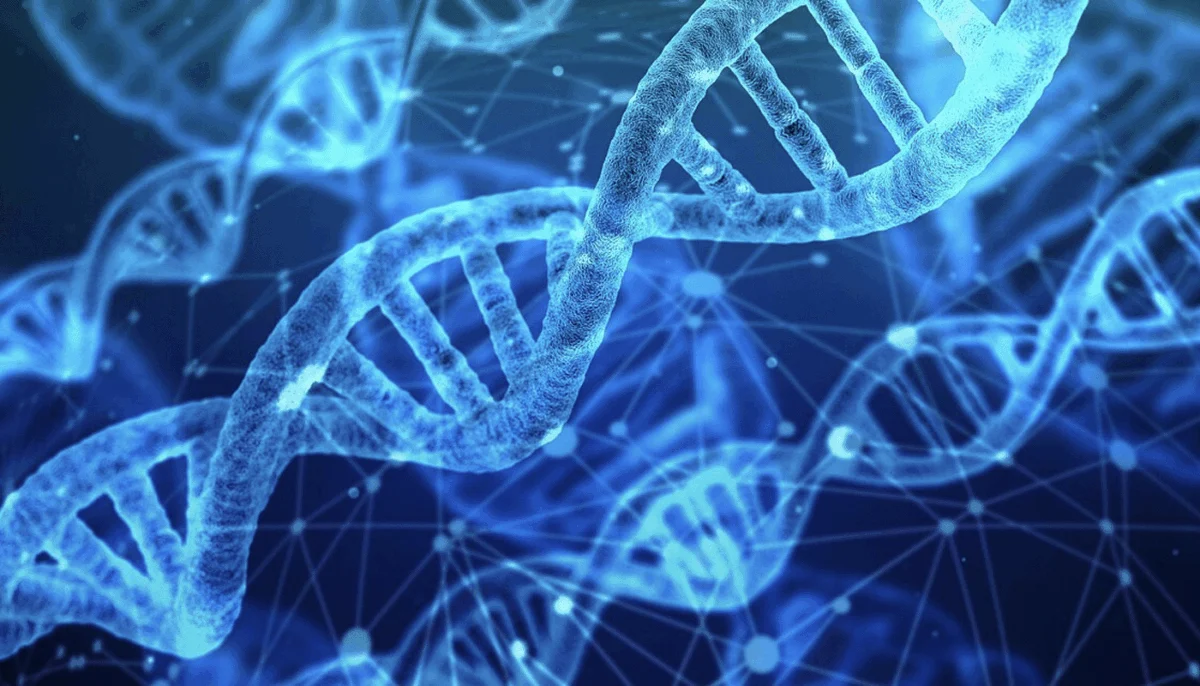
This novel is deeply autobiographical, echoing King’s own experiences with his pseudonym, Richard Bachman. Beyond the meta-commentary on authorship, the book forces a confrontation between the creator and the created. Because Stark shares Thad’s DNA and fingerprints, the police are unable to distinguish between the two, effectively turning the protagonist into a suspect in his own shadow’s murder spree. It remains an underrated entry in King’s canon, serving as a brutal reminder that we cannot simply "retire" the darker aspects of our own psyches.
Dark Matter (2016): The Multiverse of Regret
Blake Crouch’s Dark Matter operates on the premise of the "path not taken." Jason Dessen, a physics professor, is abducted and thrust into a reality where his life took a different turn. The conflict arises not from an external villain, but from the choices that define a human life.
The brilliance of Dark Matter lies in its relentless pacing. As Dessen traverses alternate versions of himself, he is forced to confront the versions of "Jason" that are better, worse, or simply different. It is a chilling exploration of identity: if you met another version of yourself who was more successful, more loved, or more ambitious, would you kill them to reclaim their life? The book does not provide easy answers, instead opting for a breakneck journey through the consequences of the "what-if."
The Murders of Molly Southbourne (2017): Biological Determinism
Tade Thompson’s The Murders of Molly Southbourne presents a far more claustrophobic, bodily horror. In this narrative, the double is not a supernatural occurrence, but a biological condition: every time Molly bleeds, a clone is generated. These clones, which she calls "mollies," possess a singular, lethal obsession: to hunt down and eliminate the original.
The novella is a masterclass in pacing and atmosphere. By framing the condition as a lifelong, inherited struggle, Thompson forces the reader to consider the toll of constant self-defense. Molly is not just fighting an enemy; she is fighting the very essence of her existence. The violence is frequent, the blood is real, and the emotional toll is staggering.
Such Lovely Skin (2024): Digital and Mimetic Parasitism
In the digital age, our identities are often fragmented across screens and social media. Tatiana Schlote-Bonne’s Such Lovely Skin explores this fragmentation through the lens of a grieving teenager, Viv. After accidentally killing her sister and hiding the truth, Viv finds her life invaded by an "evil mimic"—a demonic entity that feeds on her guilt and secrets.
The book is notable for its integration of modern technology—specifically Twitch streaming—into the horror framework. The mimic does not just look like Viv; it gains power by exposing her hidden traumas. While some readers may find the protagonist’s self-obsession challenging, the visceral imagery and the commentary on how we present ourselves to the world make this a significant contribution to the subgenre.
The Other (2026): The Erosion of Domestic Security
Annie Neugebauer’s The Other returns to the classic "isolated location" trope, but with a modern, psychological twist. A couple, Elise and Logan, attempt to salvage their failing marriage on a wilderness hike. Their vacation turns into a nightmare when they encounter a couple who are their exact physical doubles.
The horror here is not just the presence of the doppelgängers, but the fact that the doubles eventually begin to claim the protagonists’ lives as their own. The tension is amplified by the fact that Elise and Logan have already lost trust in one another. When you aren’t sure if your partner is the person you married or a replacement, the survival instinct kicks in with a vengeance.
Official Responses and Literary Criticism
Literary critics have long posited that the doppelgänger serves as a "mirror of the soul." In the 19th century, writers like Dostoevsky and Poe used the double to explore insanity and the fractured self. Today, the focus has shifted toward the externalization of the self.
"The modern doppelgänger," notes critic Dr. Aris Thorne, "represents the fear of replacement. In an era where data, identity, and personal history can be mimicked or stolen, the idea that someone—or something—could simply step into your life and perform it better than you is a prevailing cultural anxiety."
Furthermore, psychologists have noted that these stories resonate because they force the reader to engage in a "thought experiment of identity." When a character battles a clone, they are essentially battling their own past actions, their unfulfilled potential, and their deepest, darkest secrets.
Implications for the Genre
The endurance of the mirror match trope suggests that we, as a species, remain terrified of the possibility that we are not unique. Whether through cloning, the multiverse, or the psychological projection of a pseudonym, the "double" forces a confrontation with the limitations of the ego.
As we look toward the future of speculative fiction, the doppelgänger will likely continue to evolve. We are moving toward a period where the "double" may no longer be a magical or scientific anomaly, but a technological certainty. The stories of tomorrow will likely grapple with artificial intelligence, deepfakes, and the digital mimicry of the human personality.
Ultimately, these stories serve a vital purpose. They remind us that the most dangerous enemy we will ever face is the one who knows us better than anyone else—because they are us. Whether in the woods of The Other or the laboratory of Dark Matter, the lesson remains the same: the mirror does not lie, and sometimes, it strikes back.
Do you have a favorite story involving a battle with a double? Whether it’s a classic of the genre or a hidden gem of modern horror, share your recommendations in the comments below. We are interested in exploring how different cultures and eras have interpreted the "mirror match" and look forward to your insights.