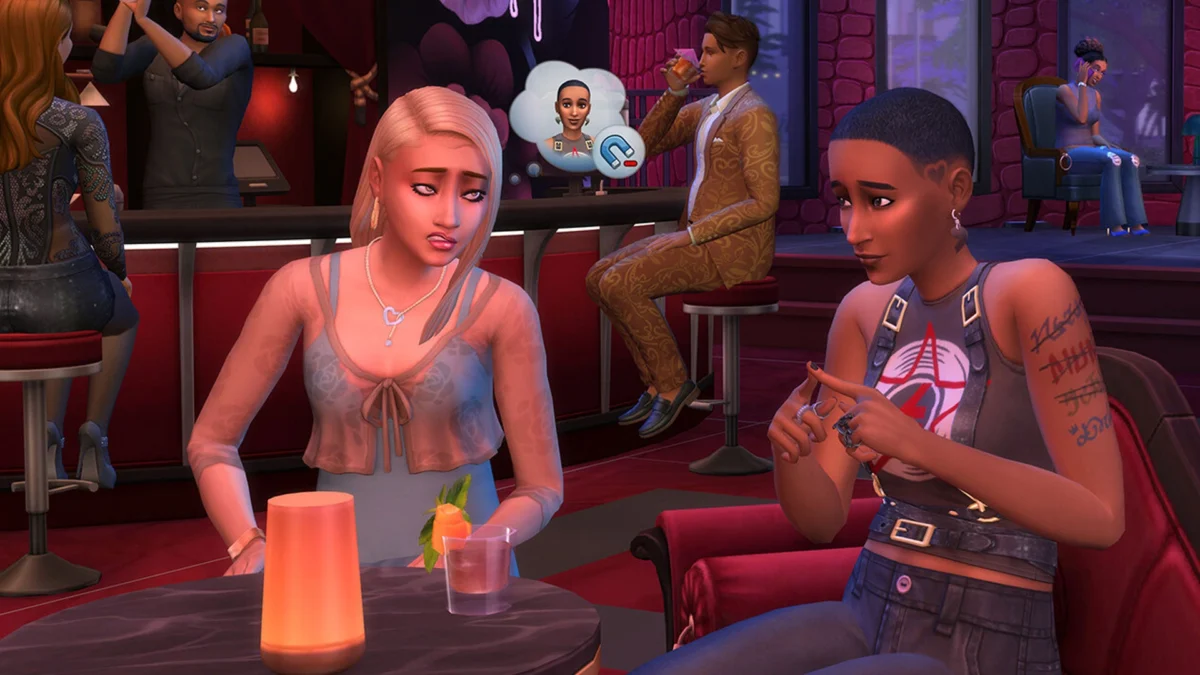
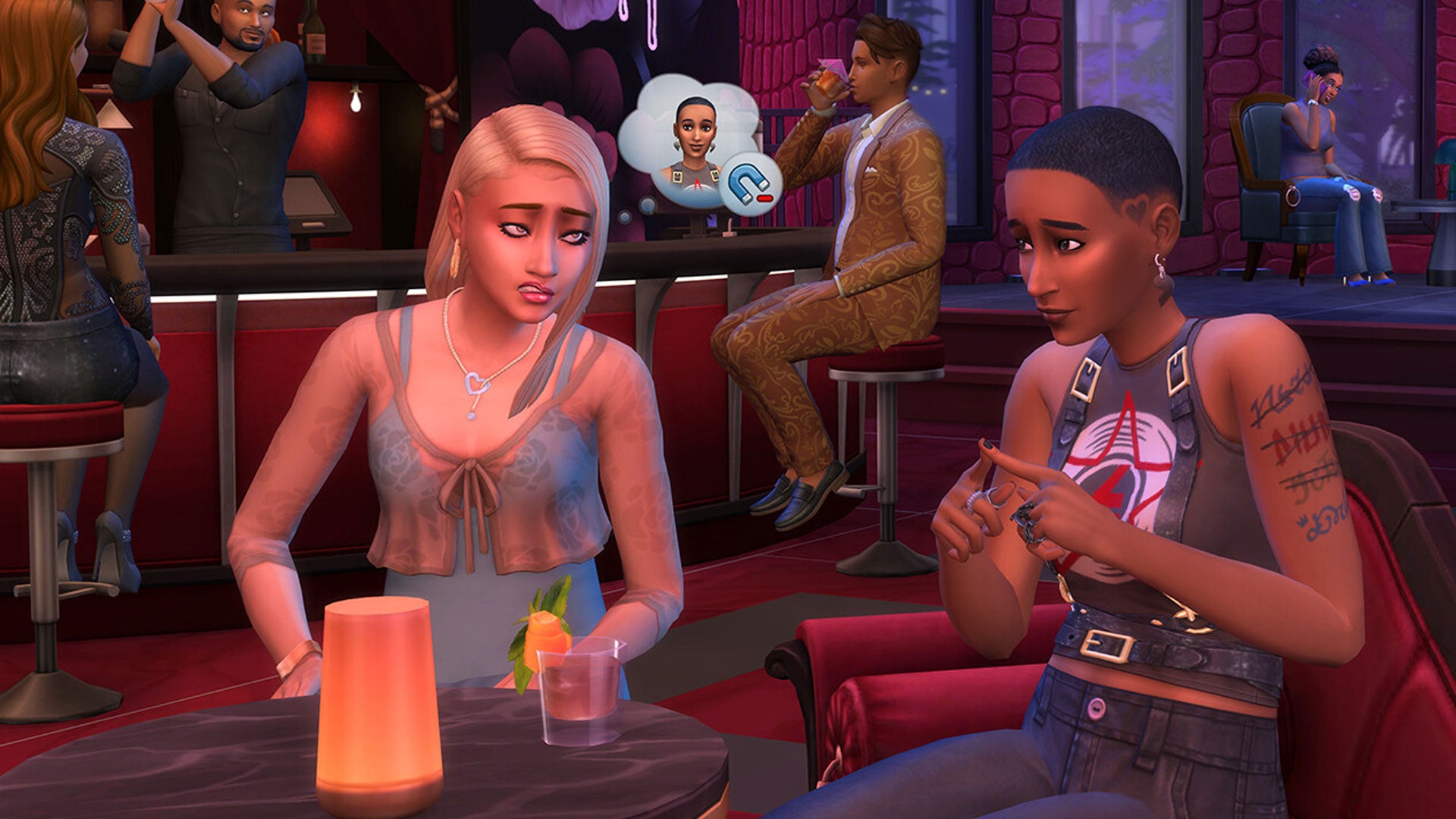
For over two decades, The Sims has served as more than just a life-simulation game; it has functioned as a digital sandbox for self-expression, identity, and personal narrative. As the franchise has evolved, so too has its commitment to representing a diverse global audience—introducing features ranging from gender-neutral clothing and pronoun customization to vitiligo skin overlays and inclusive relationship dynamics. However, the shadow of a massive corporate acquisition now looms over the halls of Maxis, raising urgent questions about whether the franchise’s progressive trajectory will survive under new ownership.
The $56 Billion Acquisition: Context and Controversy
The uncertainty stems from the massive $56 billion buyout of Electronic Arts (EA), the publisher behind The Sims, EA Sports FC, and Battlefield. The deal, which remains a subject of intense scrutiny, involves a consortium led by Saudi Arabia’s Public Investment Fund (PIF), along with investment firms Silver Lake and Affinity Partners.
The structure of the deal is highly leveraged, with $20 billion of the total cost loaded as debt onto EA and its subsidiary studios. This financial structure has drawn criticism from industry analysts and labor unions alike, who argue that such a heavy debt burden creates an immediate incentive for aggressive cost-cutting. While the Committee on Foreign Investment in the United States (CFIUS) has yet to finalize the acquisition, the prospect of the deal closing has already fueled concerns regarding job security and the potential for a "chilling effect" on the creative output of EA’s various studios.
Chronology of Concerns and Corporate Silence
The unease surrounding the acquisition did not emerge overnight. Since the initial announcement of the buyout in September of last year, a series of developments have kept the gaming community on high alert:
- September: The acquisition bid is formally announced, triggering immediate concern among the fanbase regarding the potential influence of the Saudi-backed consortium on EA’s creative direction.
- Late Autumn: Reports surface indicating that the PIF is facing its own financial distress, leading to questions about whether the acquisition remains a stable long-term strategy or if it will lead to rapid, drastic restructuring.
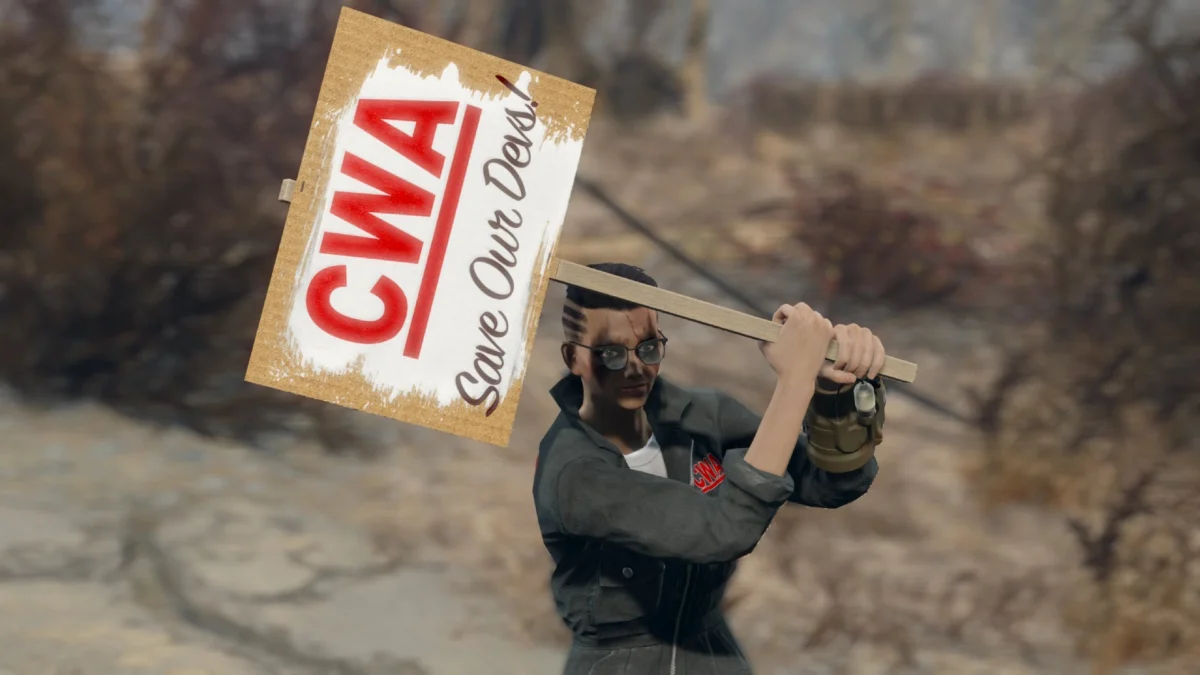
- The Creator Exodus: Shortly after the news broke, several high-profile creators within the The Sims community formally cut ties with the EA Creator Network, citing a misalignment of values.
- Recent Layoffs: In a move that observers believe validates fears of corporate belt-tightening, EA implemented a round of job cuts across recruitment, IT, customer support, and, notably, the "trust and safety" division, which handles community moderation and inclusive policies.
The "Chilling Effect" and Creative Autonomy
The primary fear among players and industry commentators is not necessarily an immediate, explicit ban on diverse content, but rather a gradual, top-down pressure to shift away from progressive themes to satisfy the ideological preferences of the new owners.
Mark Darrah, former executive producer of the Dragon Age franchise, has been one of the most vocal critics of the potential cultural shift. In a video analysis published last year, Darrah posited that the acquisition might be as much a public relations strategy for the Saudi government as it is a financial play.
"The studios that don’t have a long track record… you might just come in and put your thumb on the scale and push their messaging in directions that make you look good," Darrah suggested. For established studios like BioWare or Maxis, the challenge is more complex. Darrah notes that forcing a studio with a history of progressive storytelling to pivot toward a more conservative or restrictive narrative would likely result in catastrophic public perception. "It’s hard to imagine that the public perception of a game that comes out of a studio like that, even if you do force that pivot, isn’t apocalyptically bad."
A Stand from Within: The Voice of Maxis
Despite the corporate maneuvering, the individuals behind the keyboard are making their stances clear. Jess Hyland, a senior character artist at Maxis, recently addressed these concerns during a talk at the Develop conference. When asked if there was a fear that the buyout would result in a mandate to curtail diversity initiatives in The Sims, Hyland was resolute.

"I can’t talk about the acquisition specifically," Hyland stated. "The latest information about that is on our website. And, honestly, I don’t know what’s happening with it at the moment. I will say that I don’t feel like I’ve ever had a mandate from on high about what we’re making, in terms of ‘that’s too diverse,’ and I don’t think we will. I mean, fingers crossed, but I haven’t heard anything coming down the pipe. I don’t think it’s gonna happen and I would fight it tooth and nail."
Hyland’s comments provide a rare, candid glimpse into the internal culture at Maxis. It is a reminder that the game’s inclusive features—such as the complex, multi-year process of deconstructing gender-locked clothing options—were not the result of boardroom mandates, but the product of a developer team that viewed such changes as fundamental to their game’s mission.
Implications for the Future of ‘The Sims’
The implications of this buyout extend far beyond a single title. They touch upon the core tension in modern gaming: the battle between corporate ownership and the creative autonomy of development teams.
The Value of Individual Agency
When we discuss the "values of a studio," we are often discussing the aggregate values of the individuals who work there. The Sims did not become an industry leader in inclusivity by accident; it arrived there because the developers at Maxis pushed for those features. This demonstrates that individual developers are not merely passive cogs in a machine. They are, in many instances, the primary drivers of cultural change within their organizations.

The Risk of Passive Acceptance
While Hyland’s commitment to "fighting tooth and nail" is heartening, the risk remains that the pressure will not come in the form of a direct memo. Instead, it may manifest as a quiet, systemic deprioritization of resources for inclusive features, or a redirection of marketing budgets away from projects that celebrate diverse identities. The "chilling effect" is, by nature, invisible; it is the absence of a feature that might have been, or the silencing of a project that was deemed "too risky" by management.
The Player-Developer Contract
The relationship between The Sims developers and their community has long been built on trust. Players trust that the developers will continue to build a space that reflects their real-world identities. If that trust is broken by a perceived shift in corporate ideology, the damage to the brand could be irreversible. EA’s formal response to the creator exodus last year emphasized that their mission, values, and commitment remain unchanged, stating: "The Sims will always be a space where you can express your authentic self."
Conclusion: A Delicate Balance
As the gaming industry continues to consolidate, the story of the EA buyout serves as a microcosm for the broader challenges facing creative industries. The $56 billion deal represents a massive infusion of capital, but it also introduces new, potentially incompatible, ideological pressures.
For now, the team at Maxis remains focused on their work, continuing to iterate on a game that millions of people rely on for a sense of belonging. The tension between the financial requirements of an indebted parent company and the creative integrity of the developers will likely persist for years to come. However, if the words of those on the front lines are any indication, the developers are not planning on letting their values be bought out alongside their company. The future of The Sims will depend on whether that internal resistance is enough to withstand the immense pressure of corporate control.