

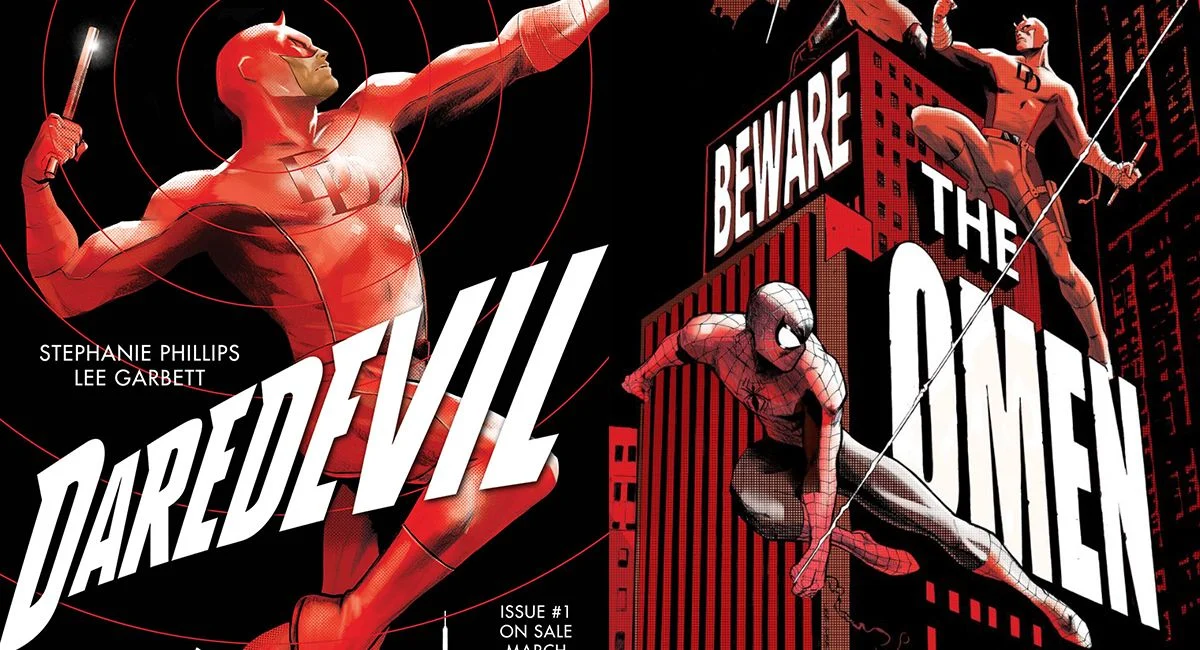
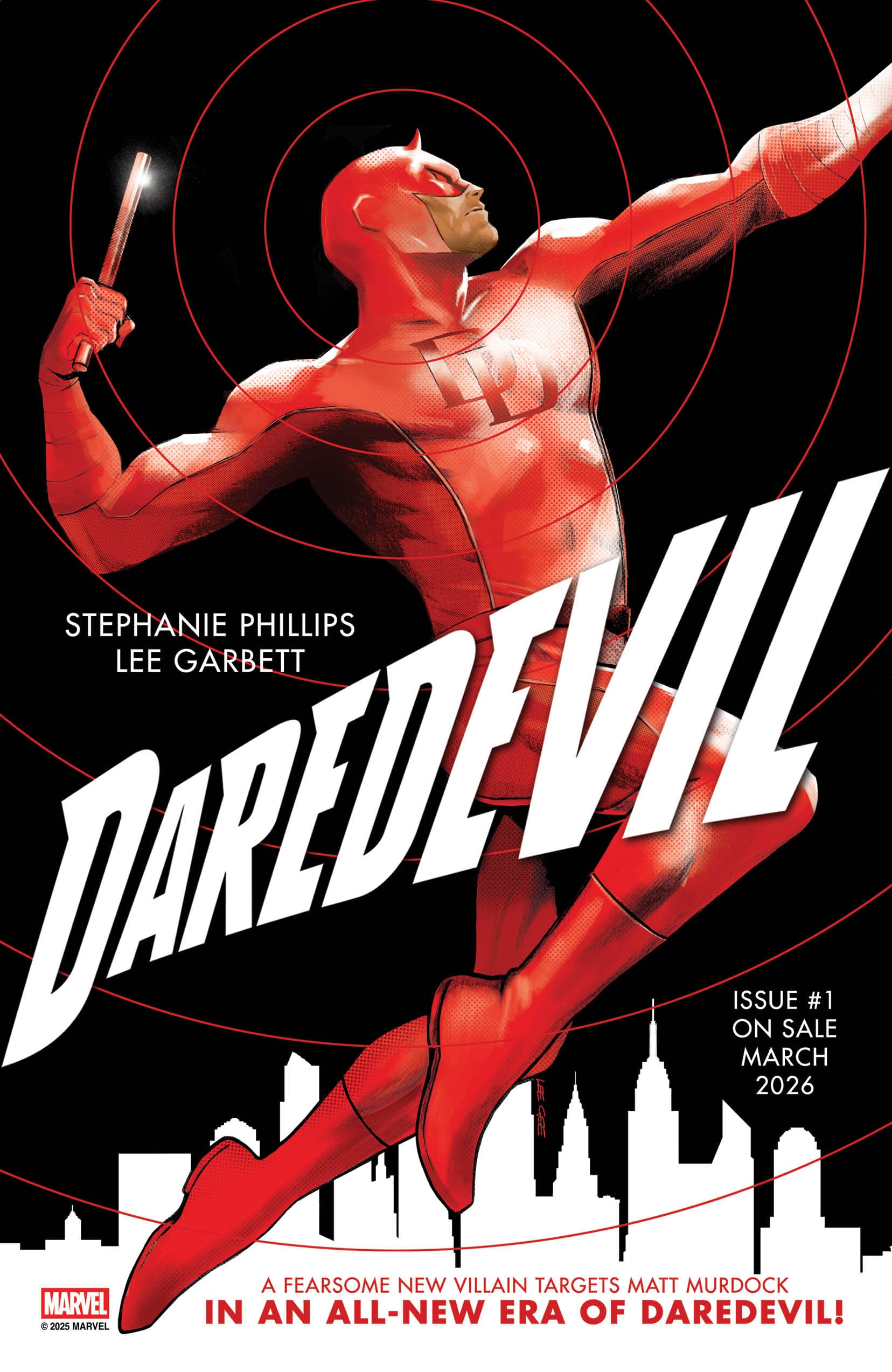
Marvel’s iconic "Man Without Fear" has returned to the comic book stands, and the reception has been nothing short of rapturous. The new Daredevil series, brought to life by the creative powerhouse of writer Stephanie Phillips and artist Lee Garbett, marks a bold shift for Matt Murdock. Trading the courtroom for the lecture hall, Murdock is now navigating a complex new status quo as a law professor at Empire State University, all while maintaining his vigilante presence in a grit-soaked, noir-inspired version of New York City.
For fans of the long-standing franchise, the series serves as a love letter to the heritage established by Stan Lee and Bill Everett, yet it breathes new, modern life into the character. We sat down with Lee Garbett—a celebrated artist from the West Midlands—ahead of his appearance at MCM Comic Con London to explore the intricate process of reviving a legend, the evolution of his own artistic identity, and his sage advice for those hoping to break into the competitive world of professional comic art.
A Fresh Canvas: Creative Liberty at Marvel
In an era where major comic publishers are often associated with stringent oversight, Garbett’s experience on Daredevil has been surprisingly liberating. When asked about the level of editorial control imposed on the team, Garbett is quick to emphasize the trust Marvel placed in their creative vision.
"Marvel has been great with it because they just let us cook. They were really behind everything," Garbett notes. This "hands-off" approach allowed Phillips and Garbett the freedom to reshape Murdock’s world, while Garbett’s deep-seated respect for the source material ensured the character never strayed too far from his roots.
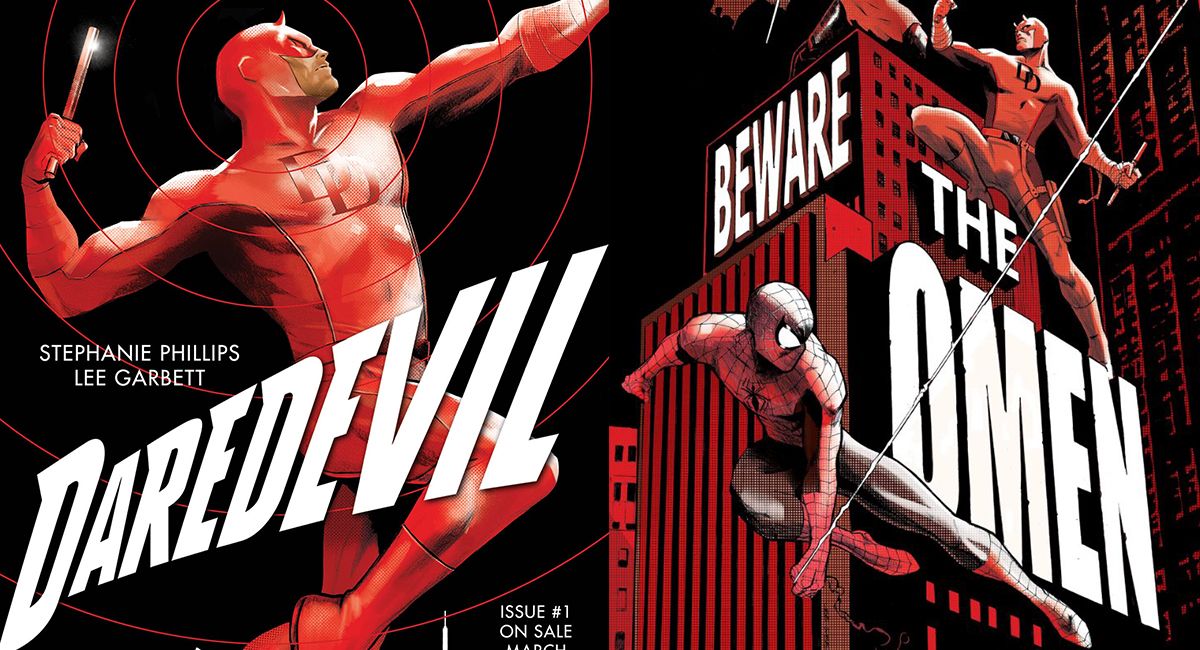
Garbett’s journey with the character began long before he held the pen. "I’ve been reading Daredevil since I was a kid, starting with the Ann Nocenti and John Romita Jr. run, so I’ve got my touchstones," he explains. "That’s all gone in, but rather than thinking, ‘What has someone done before?’—which I have done on other projects—I tried to make this our version. Even with drawing The Owl, I tried to change him up a bit and make him our Owl."
The Art of the Character: Beyond the Red Suit
Garbett holds a firm philosophy regarding superhero storytelling: if the reader doesn’t care about the person behind the mask, the action sequences lose their weight. He found the prospect of illustrating Matt Murdock’s internal life just as compelling as the high-stakes combat scenes in the red suit.
"I tried to make him a bit of a hottie for everyone," Garbett reveals with a laugh. "I had a Robert Redford kind of idea of how I wanted him to look. I figured that was maybe a visual cue people used during the classic run, but I didn’t look at any references. I just did my version of what I think I remember Robert Redford looking like."
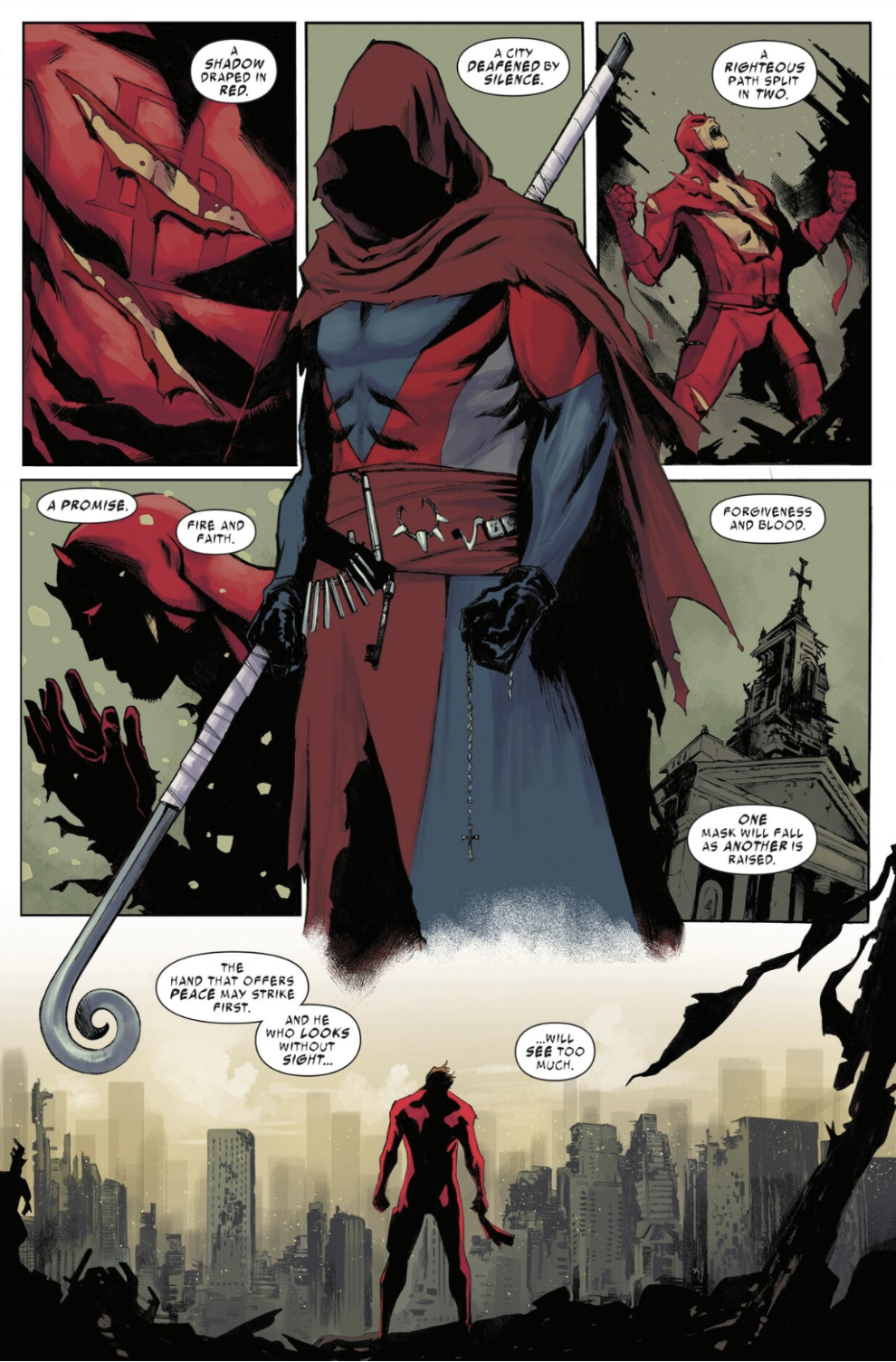
This focus on the "human" element extends to his design process, particularly regarding the series’ new villain, Omen. Leveraging his background in concept art for the gaming industry, Garbett approached Omen not as a disposable "freak of the week," but as an enduring antagonist with depth and a distinct visual identity.
"He had to be monk-like but also really creepy and badass so he could kick Daredevil’s backside," Garbett says. "Sith Lords were the thing that popped into my head—they feel priestlike and also frightening. I wanted to lean into a superhero kind of costume, which a lot of designers don’t do as much anymore. It’s become all very ‘clothesy,’ so I thought, let’s give him a proper skintight suit but cross it with that Sith-like vibe."
Chronology of a Career: From Concept Art to Comics
Garbett’s path to becoming a titan of the industry was not a straight line. Comics were his "first love," but he initially viewed the medium as a hobby, spending his early professional years working in concept art for video games. The turning point came when he discovered Frank Quitely’s work on The Authority.
"I saw suddenly that the mainstream was accepting interesting things," Garbett recalls. Encouraged by colleagues, he began submitting his portfolio. A stint at the legendary 2000 AD provided the crucible he needed, leading to his breakthrough work pencilling Batgirl for DC. Since then, he has left his mark on both of the "Big Two" publishers, with notable runs on Spider-Man and Loki: Agent of Asgard.
Despite his success, the transition between international markets remains a humorous challenge. "I still have to remember to draw cars driving on the right side of the road," he admits, noting that he has had to flip a panel or two in the past to maintain American geographic accuracy.
The Physicality of Creation: Why Paper Still Wins
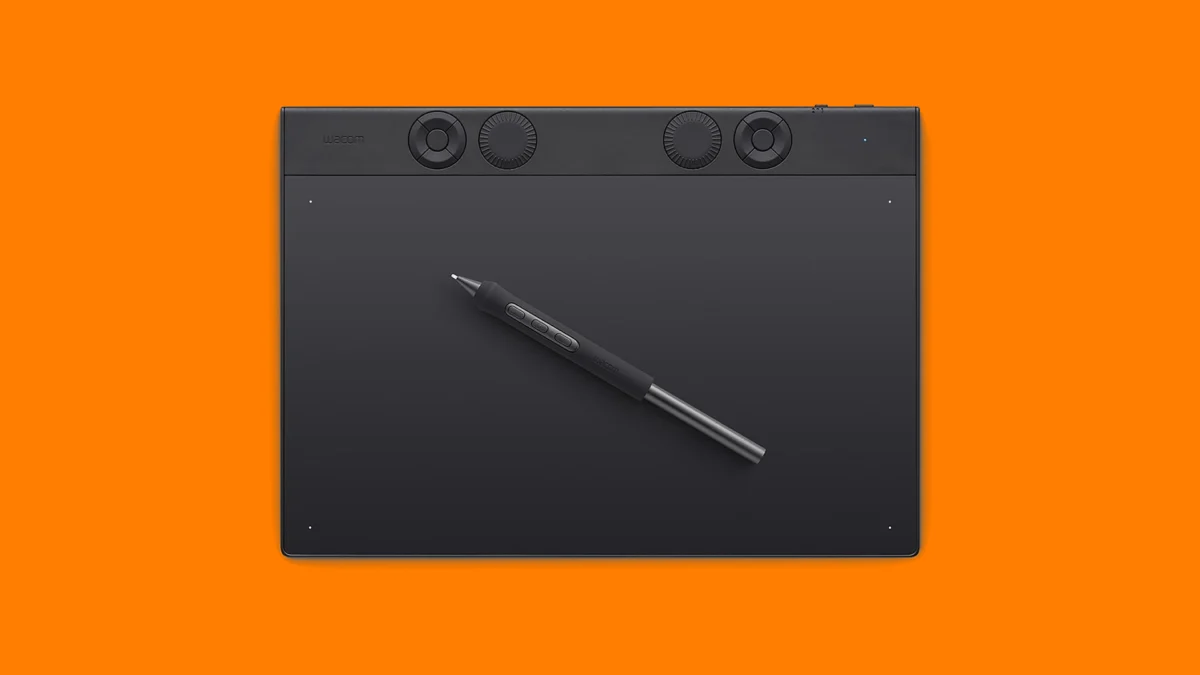
In an increasingly digitized industry, Garbett remains a traditionalist at heart. While he utilizes a Wacom tablet for the coloring phase, he insists on drawing all his pages physically.
"I’m inspired by the feel of the connection of pencil on paper," he explains. Even when discussing advanced tools like Poser—software that allows for precise, 3D-staged lighting and composition—Garbett remains drawn to the expressionist, stylized work of artists like Chris Bachalo.
"For a while, I was a bit worried that I wasn’t doing all the things everyone else was doing," he says. "But I think, actually, that can be your strength. Just do your thing. There’s an appetite for all of it."
Evolution of Workflow: The Tyranny of the Blank Page
Garbett’s methodology has matured over the years. Early in his career, he would dive straight into drawing from a script. An editor at Valiant eventually insisted he adopt a layout-first approach.
"At the time, I thought it was annoying because it was an extra level of work," he admits. "But then I realized how designing the page is the really important part." Now, he works in five-page bursts, sketching layouts, scanning them, and printing them at full size to work on a light box. This process serves as a safeguard against "the tyranny of the blank page," ensuring that even on his least inspired days, the structural foundation of the story is already set.
Expert Advice: Moving the Camera
When asked for advice for aspiring artists, Garbett boils it down to two core tenets: master the flow of the page and learn to move the camera.
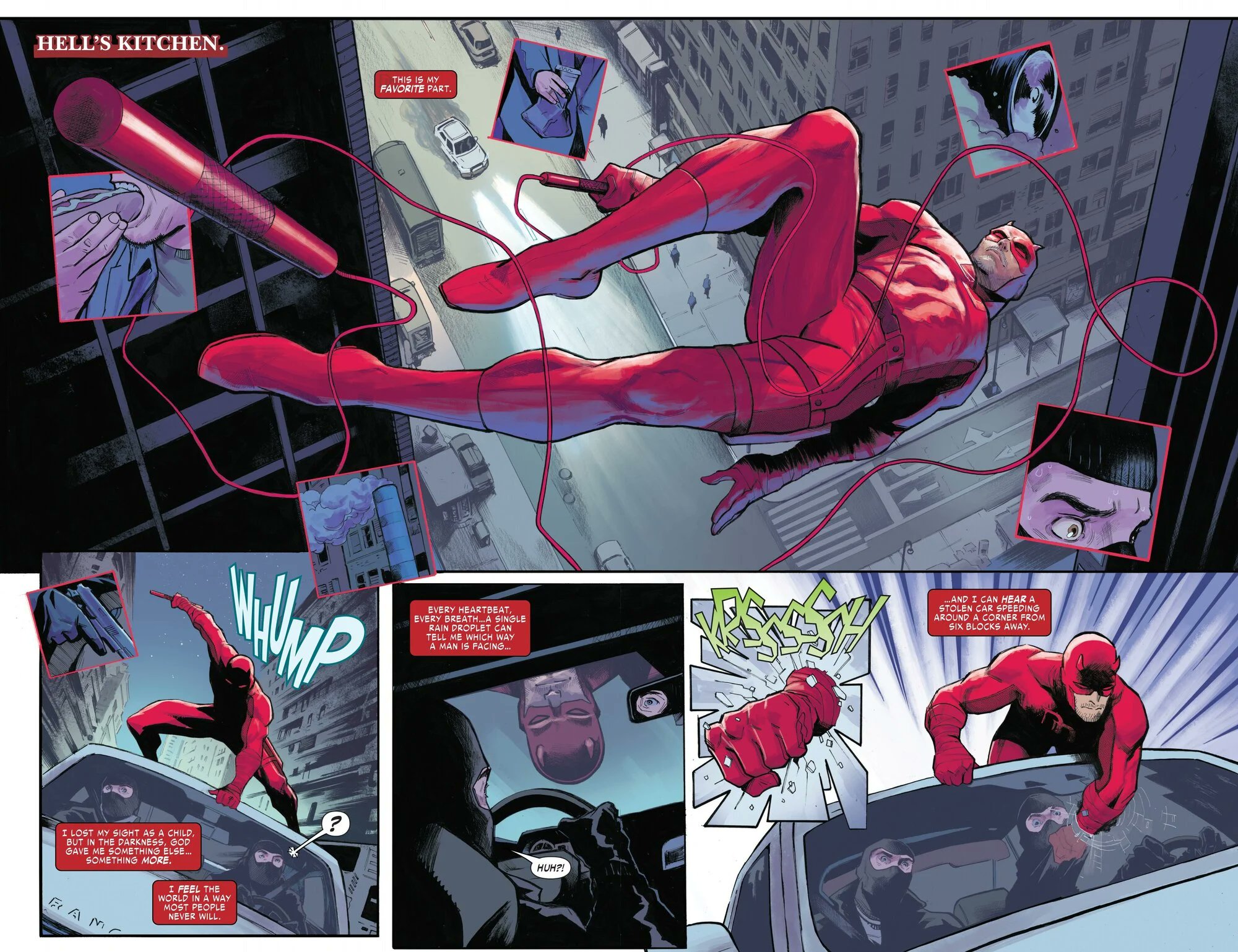
"The first and most important tip I received is that it doesn’t matter if you’re drawing Galactus’s head and then Ant-Man in the next panel: if they occupy the same space inside that panel, it’s boring," he explains. "You have to be constantly moving the camera around to keep it visually interesting. When people bring their folios to me, that’s the thing I often notice they aren’t doing."
This is particularly difficult during "slow" scenes, such as characters talking in a coffee shop. "I love the acting of it," he adds. "There are things you can do to avoid repeating yourself: zoom in on a cup, step outside to see the coffee shop from a distance. A comic should be as enjoyable to read as it is to look at. My approach is always: story first, show off afterwards."
The Gravity of the Challenge
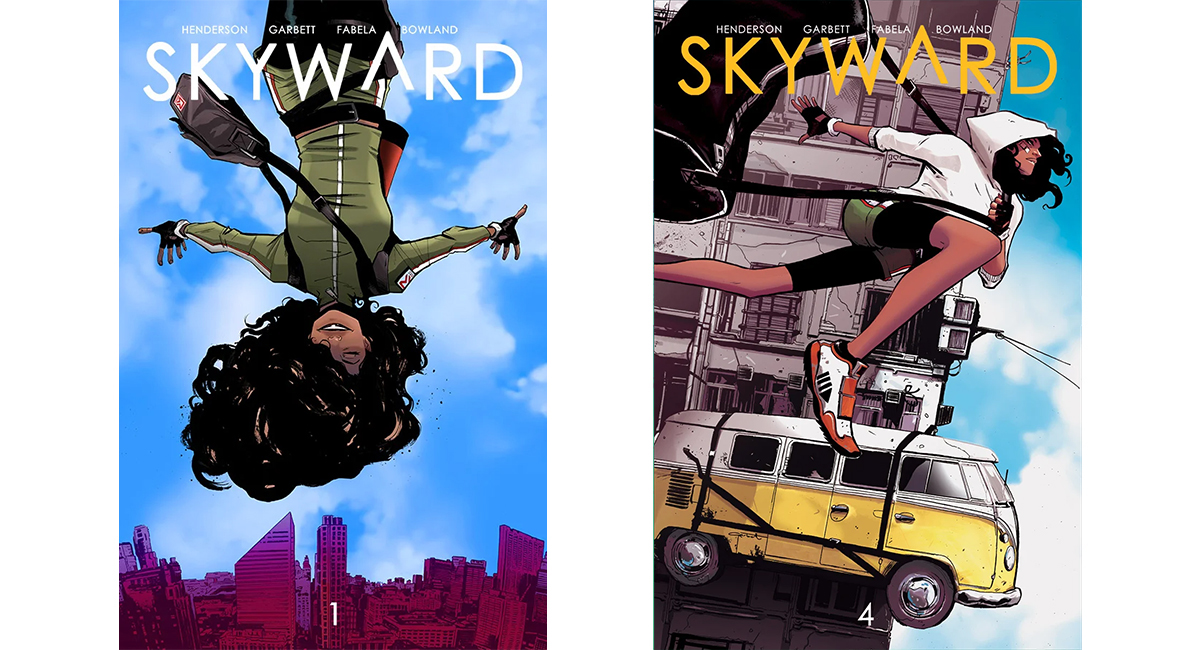
Garbett’s career is defined by unique challenges. His creator-owned project Skyward, written by Joe Henderson, tasked him with depicting a world with only 10% of Earth’s gravity.
"Stylistically, it was the easiest thing I’ve ever done because it was the stuff I used to draw for fun, but the logistics were a constant issue," he says. "I’d be laying out a scene and put a coffee cup on a table to make a lounge look nicer, then realize it couldn’t be there because it would be floating. In the end, I approached it by imagining that everything was underwater."
Looking Ahead: The Importance of Connection
As the industry becomes more isolated due to remote work, events like this weekend’s MCM Comic Con at the ExCel London (May 22–24) are vital. For Garbett, these interactions provide the necessary "new enthusiasm" that carries him through the long hours in the studio.
With his current work on Daredevil garnering critical acclaim, it is clear that Garbett’s blend of traditional technique, modern storytelling sensibilities, and a "story-first" mindset has struck a chord with readers. As he continues to define the visual language of Matt Murdock, one thing is certain: the Man Without Fear is in very capable hands.









No comments yet. Be the first to join the conversation!