Layla Zulfa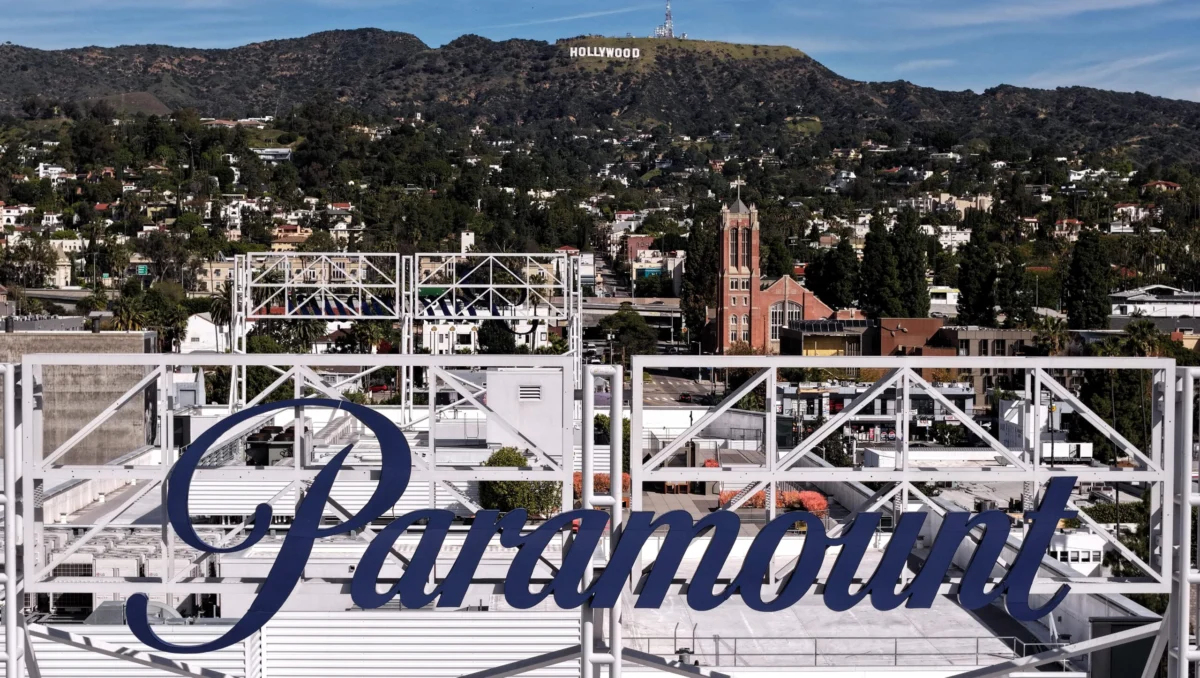
By Max Goldbart
As the sweltering heat of a record-breaking London summer settles over the city, the global media landscape finds itself in a state of high-tension volatility. From the corridors of Whitehall to the soundstages of Hollywood, the industry is grappling with a shifting paradigm. The centerpiece of this unrest is the colossal, $110 billion merger between Paramount and Warner Bros. Discovery—a deal that has become the definitive, albeit chaotic, narrative of the current M&A cycle.
The WarnerMount Standoff: A Regulatory Limbo
The proposed merger between Paramount and Warner Bros. Discovery, colloquially dubbed "WarnerMount," has evolved into a regulatory quagmire that shows no signs of clearing. The stakes are immense: a trans-Atlantic media titan that would fundamentally alter the power dynamics of content distribution, streaming, and global news.
The UK Parliamentary Freeze
In the United Kingdom, the fate of the merger rests on a knife-edge. Because of the sheer scale of the combined entity, the deal is subject to stringent media plurality reviews. However, the process has hit a bureaucratic wall. With the UK Parliament having shuttered its doors for the summer recess, the path forward has been effectively frozen.

Culture Secretary Lisa Nandy, who signaled weeks ago that she was "minded to intervene" on public interest grounds, has yet to make a definitive ruling. This leaves the deal in a state of indefinite limbo that will last at least until September 1, when Parliament reconvenes. The situation is further complicated by the impending transition in government; as the UK prepares for a new administration under Prime Minister-elect Andy Burnham, the expectation is that a new Culture Secretary will be appointed, likely forcing the review process to restart or be significantly delayed.
The "Ticking Fee" and Financial Pressure
For David Ellison’s team, the delay is not merely an administrative nuisance—it is a fiscal hemorrhage. Under the terms of the acquisition agreement, there is a "ticking fee" commitment to Warner Bros. Discovery shareholders: a penalty of 25 cents per share—totaling approximately $650 million—for every quarter the takeover fails to finalize beyond the third quarter of the year. Every day of silence from the UK government is costing shareholders a fortune, adding immense pressure on the negotiators to find a way to circumvent or expedite the regulatory process.
The Resistance: Stars and Sovereignty
Opposition to the merger is not confined to the boardroom. A growing coalition of high-profile industry figures is mobilizing to block the deal. Led by actors like Alan Cumming, this grassroots movement has been vocal in its criticism of what they term a "giant conglomerate beholden to Donald Trump, autocrats, and oligarchs." The concern, according to the coalition, is that the concentration of media ownership under WarnerMount will stifle dissent and consolidate too much political and cultural influence in the hands of a single entity.
While legal experts note that the deal could theoretically close without UK clearance, David Ellison has signaled a desire to "play by the book," fearing that a rogue closing could invite further litigation and political retaliation. Meanwhile, in the United States, the legal battle continues to escalate, with over a dozen states filing suits against the merger, arguing it violates antitrust regulations and threatens consumer choice.

Cinema’s Resurgence: Danny Boyle and the Venice Coup
While the corporate world remains mired in legal uncertainty, the creative side of the industry is looking toward the fall festival circuit with renewed optimism. The Venice Film Festival, which has spent recent years positioning itself as the premier launchpad for global cinema, has secured a major victory for its opening night.
The Arrival of ‘Ink’
The festival has announced that the opening film for the 2026 edition will be Ink, Danny Boyle’s highly anticipated biopic of media mogul Rupert Murdoch. Starring Jack O’Connell, Guy Pearce, and Claire Foy, the film is an adaptation of James Graham’s celebrated West End and Broadway play. It chronicles the volatile early days of The Sun newspaper, focusing on the symbiotic and often destructive relationship between Murdoch and his editor, Larry Lamb, as they transformed the tabloid into a titan of the British media industry.
Venice head Alberto Barbera has hailed the film as a "cultural milestone," signaling that the festival is doubling down on "big-tent" projects that carry both commercial appeal and artistic weight. This marks a departure from the smaller, more introspective arthouse fare that dominated the conversation at Cannes earlier this year. With industry veterans like Ellen Burstyn set to receive the Golden Lion and a jury featuring the likes of Ted Hope and Akinola Davies Jr., the festival is signaling that it intends to remain the global epicenter of prestige filmmaking.
The State of Television: A Conversation with David W. Zucker
Amidst these structural changes, the day-to-day business of television production is undergoing a profound identity crisis. David W. Zucker, Executive Producer of The Good Wife and Chief Creative Officer of Scott Free Productions, recently offered a scathing critique of the current commissioning environment during the Italian Global Series Festival.

The Death of the Pilot Season
Zucker lamented the industry’s shift away from the traditional pilot season, a model that he argues provided a necessary, if chaotic, discipline to the commissioning process. "We used to be a seasonal business," Zucker noted. "As much as a lot of us back in the pilot season era used to gripe against the mad reality of that chaos and hysteria, you knew by May a decision was going to be made. Now, we are in a commissioning free-for-all."
This lack of clarity has made production planning nearly impossible, according to Zucker. Without the hard deadlines of a pilot season, creators are left in a perpetual state of uncertainty, which in turn drives up costs and lowers morale. Despite these challenges, Zucker remains optimistic about the future of high-end storytelling, noting that his team is currently making headway on the second season of FX’s Alien: Earth and the upcoming The Terror: Devil in Silver.
The BBC’s Existential Funding Crisis
Across the Atlantic, the British Broadcasting Corporation (BBC) is facing a crisis of its own, one that touches upon the very survival of the public service broadcasting model.
The Streamer License Fee Proposal
During the annual report briefing, led by the newly appointed Director General Matt Brittin, the conversation was dominated by the declining efficacy of the license fee. With the BBC reporting that 539,000 fewer households paid the £180 ($240) annual fee last year, the broadcaster is exploring radical, and highly controversial, solutions. The most prominent among these is the proposal to force streaming service subscribers to pay the BBC license fee as part of their monthly billing cycles.

Culture Secretary Lisa Nandy has expressed support for the concept, though the plan has met with fierce resistance from streamers and major studios who argue it is an unfair tax on digital innovation. Brittin, however, is adamant that the status quo is unsustainable. "The current license fee is yesterday’s model," he stated, pointing to the corporation’s need to cut costs by £500 million and implement significant layoffs as evidence that the institution is in desperate need of a fiscal overhaul.
Scandal and Scrutiny
The BBC’s annual report also brought internal turbulence back to the fore, specifically the case of former radio presenter Scott Mills. The report revealed that Mills was the highest-paid presenter at the corporation in the year leading up to his abrupt termination. Mills, who was the subject of a police investigation regarding alleged historical sexual offenses, was paid as much as £750,000 in the 12 months ending March 2026. While prosecutors ultimately dropped the case, the revelation of such high pay for a figure who was subsequently at the center of a public scandal has reignited debates regarding executive oversight and presenter transparency within the BBC.
Industry Briefs: A Global Roundup
The pace of the industry remains frenetic, with several key developments occurring across the globe this week:
- Legal Action: A high-level executive producer on the BBC’s Ambulance is currently suing the production giant Banijay, citing severe damage to his mental health resulting from workplace conditions.
- Post-Production Shifts: In Ireland, Playhouse Studios has moved to secure its supply chain by acquiring the assets of Halo Post, intending to launch a new, specialized post-production house to handle its growing slate of projects.
- Streaming Expansion: Jean-Xavier De Lestrade’s critically acclaimed French thriller Sambre is expanding its footprint, having been acquired by the U.S.-based streamer MHz Choice, known for its focus on high-quality international imports.
- Global Events: As the soccer World Cup approaches its final stages, the closing ceremony has been confirmed to feature appearances by Tom Cruise and the internet personality IShowSpeed, signaling the increasing overlap between global sports and celebrity influencer culture.
- The End of an Era: The Australian mega-hit Colin From Accounts has confirmed it will conclude after its third season, marking the end of one of the most successful international comedy exports of recent years.
- Innovation at TIFF: The Toronto International Film Festival has officially unveiled the lineup for its inaugural Innovation Hub, which will focus exclusively on VR and mixed-reality storytelling, further cementing the festival’s commitment to new media.
Conclusion: The Road Ahead
As we look toward the final quarter of 2026, the media industry is at a pivotal crossroads. The WarnerMount merger represents a microcosm of the larger struggle: the tension between consolidation and plurality, between traditional regulatory oversight and the reality of a globalized digital market.

Whether it is the bureaucratic paralysis in the UK government, the desperate search for a sustainable funding model at the BBC, or the creative risks taken by auteurs like Danny Boyle, one thing is clear: the industry is undergoing a structural reset. The coming months will not only decide the fate of billions of dollars in assets but will also define the cultural and political role of media conglomerates for the next decade. As the heat of the summer fades, the temperature in the executive suites is only likely to rise.


 Pevita Pearce