By Mustafa Mahmoud
The highly anticipated live-action adaptation of Sony’s iconic God of War franchise has hit a significant production roadblock. Sources confirmed this week that filming has been temporarily suspended following a serious on-set injury sustained by lead actor Ryan Hurst. The project, which represents one of Amazon Prime Video’s most ambitious literary-to-screen undertakings to date, is now facing a period of uncertainty as the production team evaluates the timeline for a safe return to the set.
The Incident: An Unexpected Setback
The news of the production delay surfaced via reports from TMZ on July 16, 2026. According to the report, Ryan Hurst, who was cast to portray the legendary Spartan warrior Kratos, suffered a debilitating injury while performing a complex stunt sequence. Medical assessments have confirmed that Hurst sustained a torn bicep, an injury that necessitates surgical intervention and a subsequent rehabilitation period.
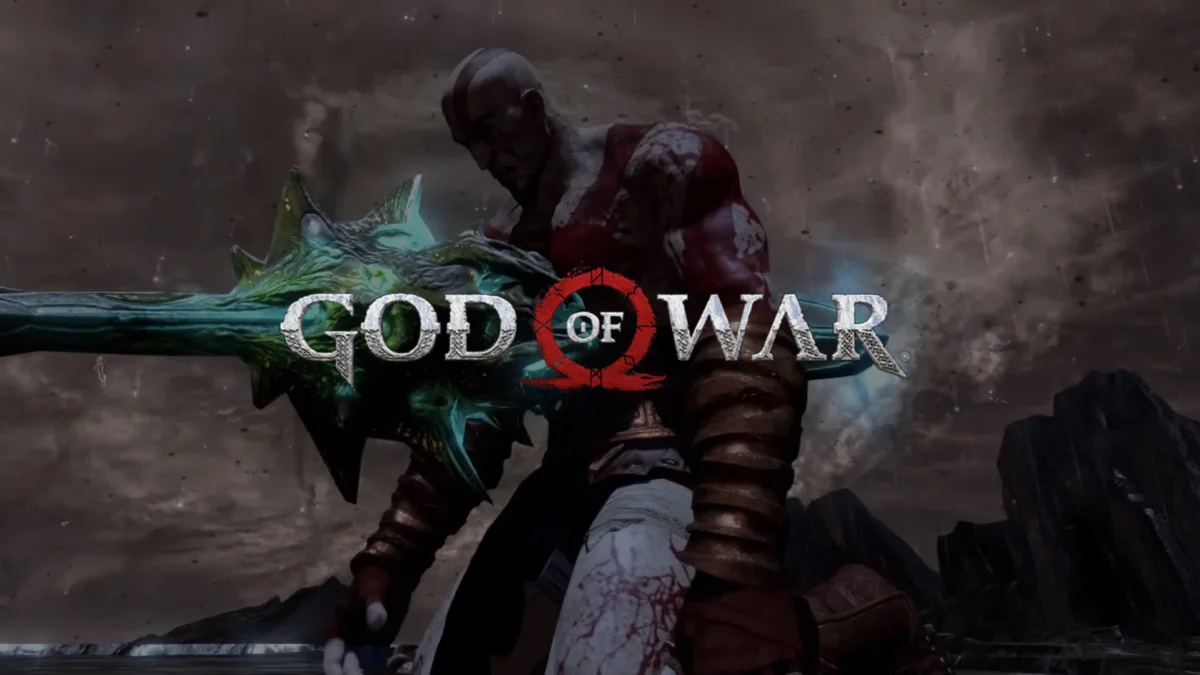
While the specific nature of the stunt in question remains under wraps, the physicality required for a God of War adaptation is immense. Even in the source material, the character of Kratos is defined by his Herculean strength, agility, and the brutal, kinetic nature of his combat—often involving the wielding of the Leviathan Axe or the Blades of Chaos. Translating these moments into live-action requires significant practical stunt work, which inherently carries physical risks for even the most seasoned performers.
A Long Road to Production
To understand the gravity of this delay, one must look at the protracted development cycle of the God of War series. Rumors of a partnership between Sony PlayStation Productions and Amazon Studios first began circulating in early 2022. Fans of the franchise have been eager to see how the studio would navigate the transition from the high-octane gameplay of the Norse saga to the narrative-heavy medium of serialized television.
The journey from initial talks to principal photography was marked by several delays, script revisions, and the challenge of capturing the emotional weight of Kratos’ journey alongside his son, Atreus. After years of speculation, the project finally entered the filming phase earlier this year, marking a milestone for Sony’s strategy to leverage its premier gaming intellectual property for streaming audiences. This latest incident, however, underscores the volatility of high-budget production schedules, where a single injury can cascade into significant budgetary and timeline disruptions.
The Physicality of Kratos: Behind the Stunt Work
The role of Kratos is arguably one of the most physically demanding parts in modern television. Unlike dramas that rely heavily on dialogue, the God of War series demands a performer capable of sustained physical exertion. The character’s movements are not merely aggressive; they are deliberate, heavy, and precise.
Stunt coordinators working on the project have reportedly been tasked with creating a "grounded" aesthetic for the show’s action sequences, blending practical effects with high-end CGI. This approach—while visually stunning and preferred by modern audiences—increases the strain on the actors, as they are often required to engage in prolonged combat simulations while wearing heavy costume pieces and prosthetics. While safety protocols on modern film sets are more stringent than ever, the nature of professional stunt work remains dangerous, and the industry often sees temporary halts due to the extreme physical demands placed on leads.
Official Responses and Industry Context
As of this writing, neither Amazon Studios nor Sony Pictures Television has issued a detailed public statement regarding the extent of the delay or how this will impact the show’s projected premiere date. Historically, when a lead actor sustains an injury requiring surgery, productions typically enter a "hiatus" period. This allows the performer time to recover while the crew pivots to filming secondary units or scenes that do not require the lead’s presence.
Industry analysts suggest that if the recovery time for a bicep tear is standard, the production could be looking at a pause lasting anywhere from several weeks to a few months. "In the world of high-stakes streaming content, these delays are managed with extreme care," notes entertainment consultant Sarah Jenkins. "The primary concern is always the actor’s health, followed by the integrity of the production. Given that this is a flagship project for Amazon, they have likely baked a margin of error into their schedule, but a long-term injury to a lead performer is always a logistical nightmare."
The Implications for Amazon and Sony
The God of War series is a critical pillar of Amazon’s strategy to compete with the likes of HBO’s The Last of Us and Netflix’s The Witcher. Following the massive success of other video game adaptations, the pressure to deliver a faithful, high-quality God of War experience is immense.
1. Financial and Schedule Risks
Every day a set is closed, the production incurs significant "burn rate" costs—renting equipment, paying crew members on standby, and managing the logistics of large-scale sets. If the delay extends significantly, the studio will need to re-evaluate its release window, potentially pushing the series out of a prime seasonal slot.
2. Creative Continuity
The production must now weigh the risks of continuing scenes that don’t involve Kratos versus the need for narrative cohesion. If the showrunners choose to shoot around Hurst, they must ensure that the "patchwork" filming does not affect the visual tone or the emotional arc of the narrative.
3. The Future of Video Game Adaptations
This incident serves as a sobering reminder of the physical cost associated with the "prestige TV" trend. As video game adaptations become more ambitious, the demands on actors to mirror the superhuman feats of their digital counterparts are reaching a breaking point. The industry may soon face a conversation regarding the reliance on practical stunts versus digital doubles in high-octane fantasy shows.
Looking Ahead: The Road to Recovery
The primary hope among the production team and the fan base is for a swift and full recovery for Ryan Hurst. The casting of Hurst was widely viewed as a bold choice, bringing a specific level of intensity and gravitas to the role that aligns with the evolution of Kratos from the original Greek trilogy to the more introspective Norse-era warrior.
While the "God of War" may be fictional, the human beings bringing him to life are subject to the same physical limitations as any other athlete. The production team is expected to release an updated filming schedule once Hurst’s prognosis is clearer. Until then, fans are left to speculate on the impact of this delay on the series’ eventual debut.
As we await further updates, one thing is certain: the production of God of War has become a testament to the dedication—and the risk—involved in bringing one of gaming’s most beloved stories to the small screen. Whether this pause serves as a minor bump or a transformative moment for the show’s production remains to be seen, but the priority remains, as it should, on the health and recovery of its leading man.
KitGuru continues to monitor the situation on the set of God of War. We will provide updates as more information becomes available regarding the production schedule and Ryan Hurst’s status.
What are your thoughts on the adaptation? Does the physical demand of the role change your perspective on the casting? Let us know your thoughts in the comments section below.