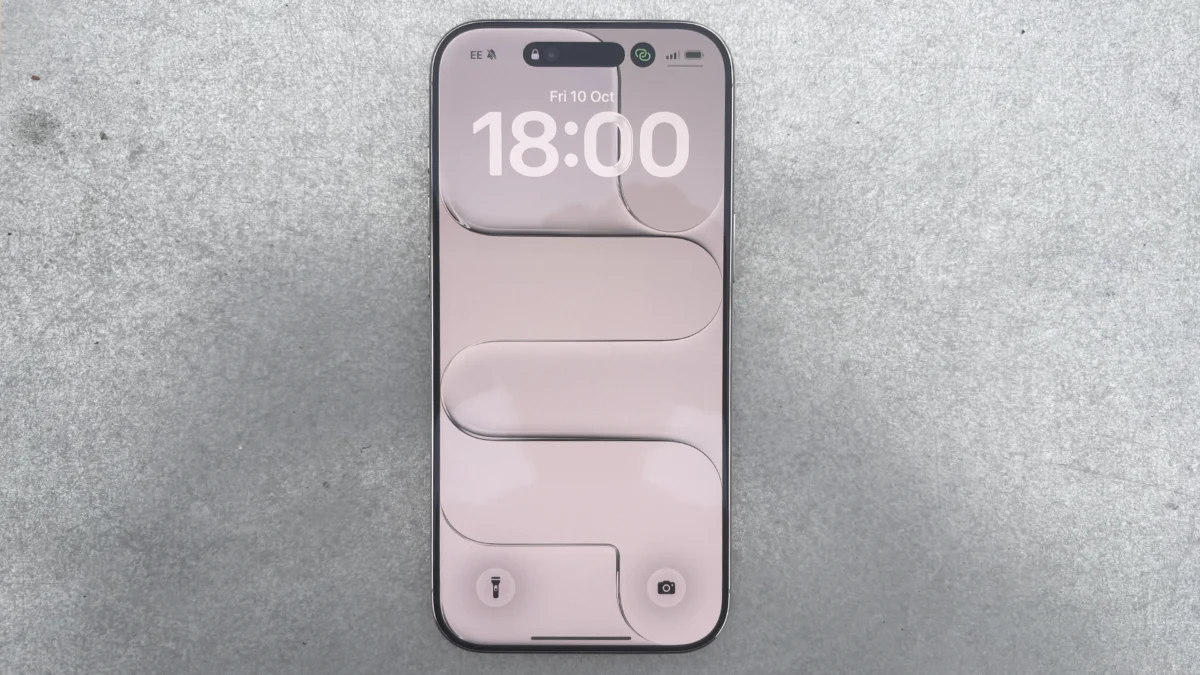
The iPhone Air has long occupied a peculiar space in the Apple ecosystem—a device that serves as a testament to the company’s relentless pursuit of industrial perfection, yet one that has struggled to find a foothold in the competitive smartphone market. Characterized by its razor-thin profile and striking titanium construction, the Air represents what many enthusiasts describe as the realization of Steve Jobs’ original, uncompromising vision for the iPhone. However, the intersection of aesthetic purity and practical consumer needs has proved to be a volatile one, leading to a rocky commercial trajectory. Now, with a significant price correction, the device is finally being positioned where many critics argue it should have been all along.
The Evolution of the "Air" Philosophy
To understand the iPhone Air, one must look at the design language that has defined Apple’s "Air" branding over the last decade. From the MacBook Air, which famously emerged from an interoffice envelope, to the iPad Air, the nomenclature has consistently signaled a prioritization of form, portability, and "disappearing" technology.
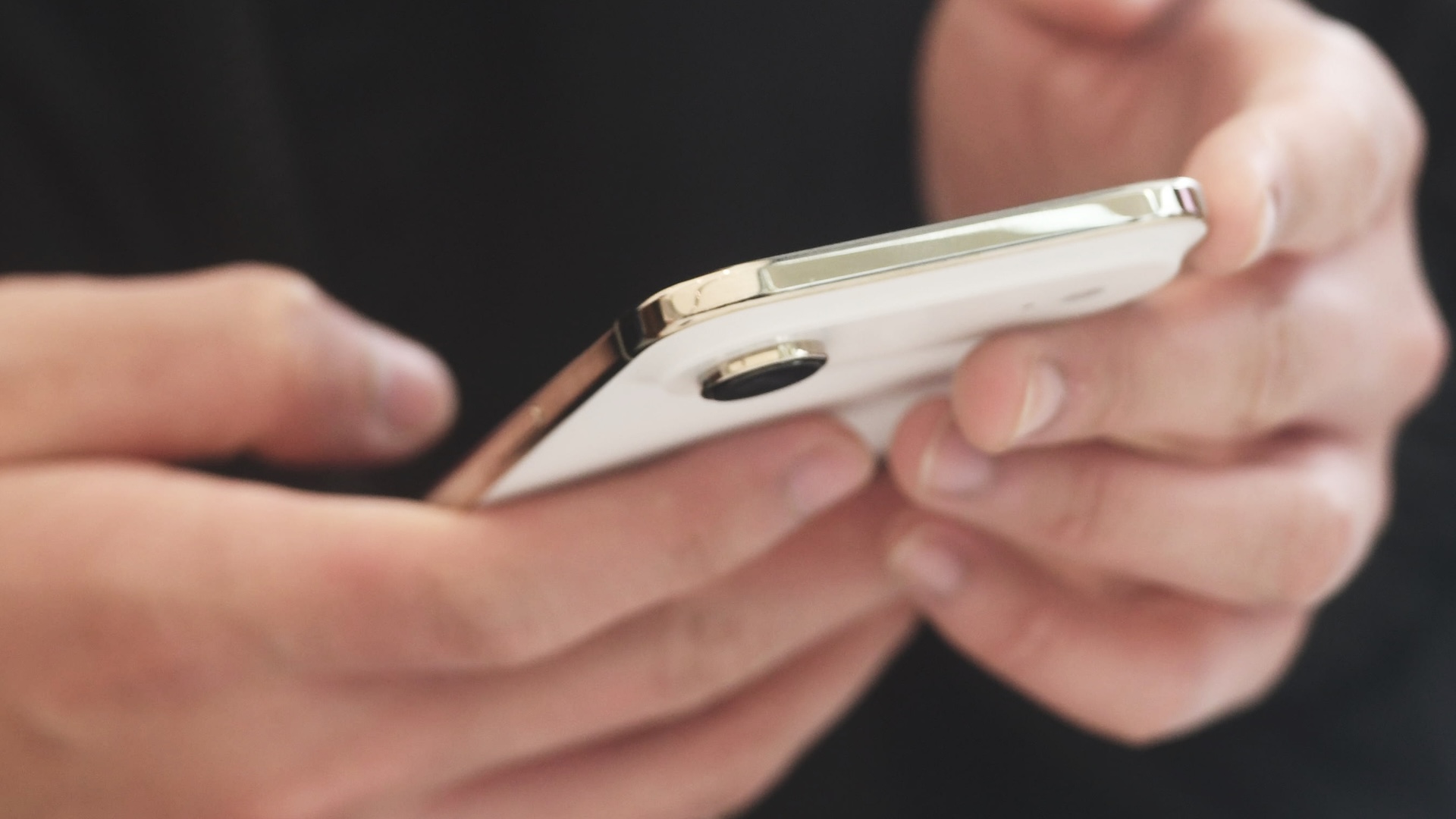
When the iPhone Air was first unveiled, it was positioned as a radical departure from the "Pro" philosophy of stacking features, sensors, and weight. It eschewed the bulk of triple-camera arrays and massive batteries in favor of a singular, streamlined experience. For designers and minimalists, it was an immediate object of desire. Its polished titanium edges and ultra-light chassis offered a tactile experience that standard iPhone models—becoming increasingly hefty with each passing generation—simply could not replicate.
Chronology of a Controversial Launch
The journey of the iPhone Air has been marked by high expectations followed by a reality check.
- September 2024: The iPhone Air is officially announced alongside the Pro series. The tech community is polarized; while the design is lauded, the £999 price point is met with immediate skepticism.
- October 2024: Initial reviews begin to circulate. Critics highlight the "purity" of the device but point to the "compromise" of the single-lens camera and battery capacity. Sales figures are noted to be lagging behind the standard iPhone 17.
- November – December 2024: The "Holiday Slump." Market data indicates that the average consumer is choosing the iPhone 17 or 17 Pro, viewing the Air as a "luxury niche" device rather than a primary workhorse.
- Q1 2025: Apple maintains price stability, despite whispers of a potential pivot. Analysts begin to suggest that the Air’s price-to-utility ratio is the primary barrier to mass adoption.
- Current Date: A significant price drop at major retailers, including Amazon, brings the 256GB model down to £799, signaling a strategic shift in how the device is marketed to the public.
The Compromise: Beauty vs. Utility
The central tension of the iPhone Air lies in what it sacrifices. By stripping away the secondary and tertiary lenses, Apple created a phone that is undeniably sleek but functionally limited for the "power user." In an era where smartphone photography is a primary selling point, the absence of a wide-angle or telephoto lens is a significant hurdle for many.
Furthermore, the pursuit of "total thinness" necessitated a smaller battery. While the efficiency of the proprietary chipsets goes a long way in managing power consumption, heavy users find themselves reaching for a charger significantly earlier than they would with a Pro model. For a device priced at £999, these trade-offs were, for many, impossible to justify. The "Air" branding implies a premium, yet the feature set felt, to some, like a step backward in the context of a modern, content-heavy digital life.
Supporting Data: The Cost of Niche Positioning
Market analysts have long debated the "Goldilocks" pricing strategy for smartphones. Data from the post-launch period of the iPhone Air suggests a clear correlation between price-to-feature ratios and consumer uptake.
In a competitive market where the standard iPhone 17 provides a balanced suite of features at a lower entry price, the Air was effectively boxed out. Research indicates that the primary demographic for the Air—design professionals and minimalists—represented too small a slice of the total market to sustain the device at the £999 price tier. When a device is marketed as a secondary luxury item rather than a primary tool, its "total addressable market" shrinks dramatically. The recent £200 reduction effectively places the Air in the "mid-premium" category, a sweet spot where buyers are often willing to trade top-tier camera versatility for superior industrial design and comfort.
The Internal Debate: Apple’s Design Philosophy
While Apple rarely comments on specific sales figures or internal strategy, the existence of the Air speaks volumes about the internal tug-of-war within Cupertino. There has always been a faction within Apple that prioritizes the "device as an object of art."
The iPhone Air is the physical manifestation of that ethos. It is designed to be felt as much as it is to be used. Interviews with lead designers often touch on the "vanquishing of complexity," and the Air is the most literal interpretation of that concept. Critics who argue that the phone is "too pure for this world" are acknowledging that in the real world—where users need long battery life and multi-lens camera setups—the Air is a romantic, perhaps even stubborn, design choice. It is a product that prioritizes the user’s experience of holding the phone over the phone’s utility as a mobile computer.
The Implications of the Price Correction
The drop to £799 is more than just a retail promotion; it is a tactical pivot that changes the consumer’s perception of the product. At £999, the iPhone Air was competing against the Pro series, a fight it was destined to lose. At £799, it is no longer being compared to the power-user workhorses, but rather to the standard, mid-range handsets.
This shift has three major implications:
- Increased Accessibility: By lowering the barrier to entry, Apple is allowing a wider audience to experience the design benefits of the titanium construction, effectively "democratizing" the premium build quality.
- Market Validation: If sales increase significantly at this new price point, it provides data-driven evidence that the design language of the Air has mass-market appeal, provided the price is aligned with the utility.
- Future Design Language: The success or failure of the Air at this price point will likely dictate whether we see a "Slim" or "Air" category in future generations of the iPhone. If the form factor proves viable, we may see it integrated as a permanent, lower-cost alternative to the Pro line.
A Second Look at the "Air"
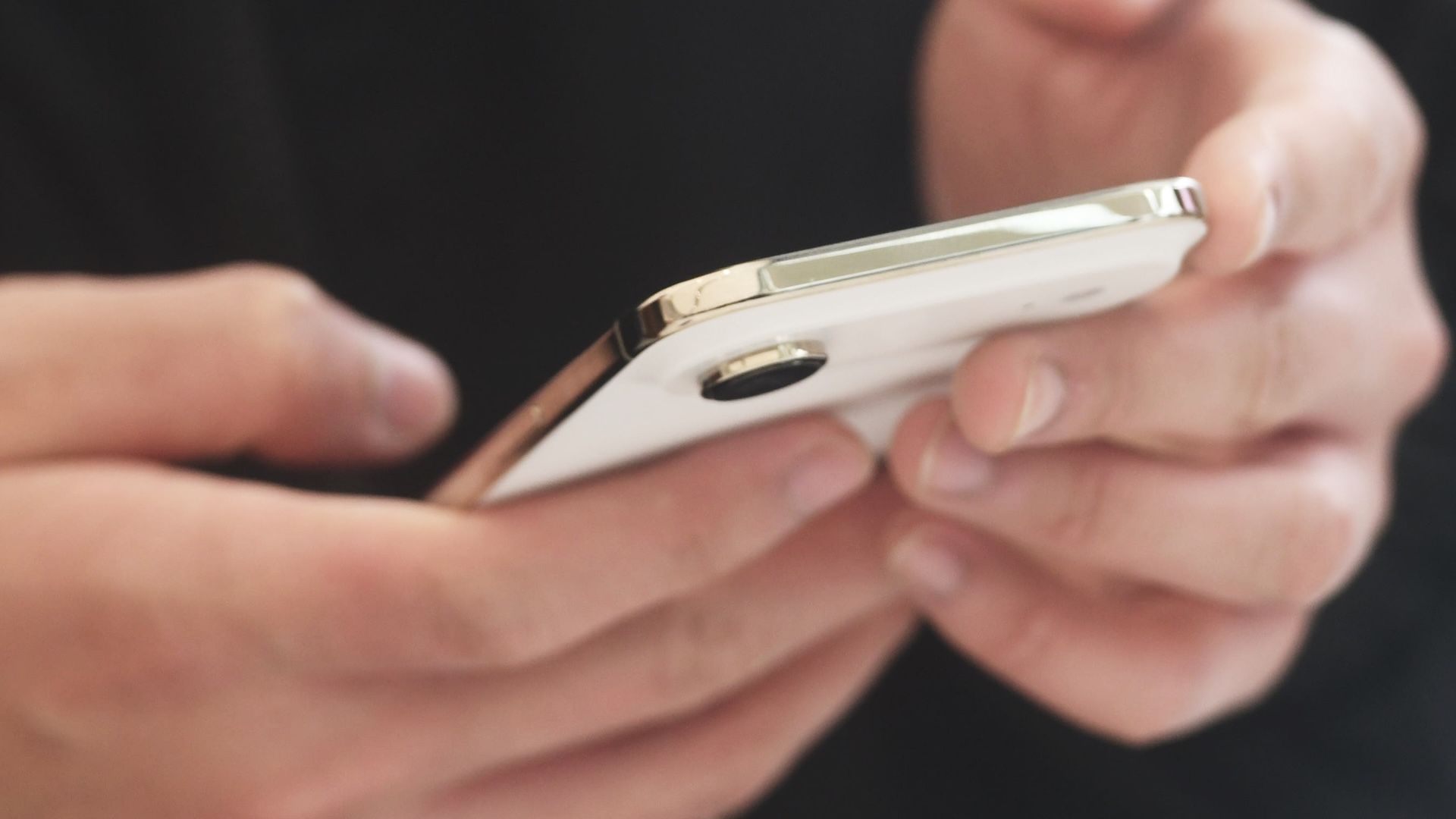
Having used the device since its inception, the initial novelty of the Air remains intact. It is a remarkable piece of engineering that reminds us of a time when tech was about lightness, agility, and grace. While it is true that one misses the wide-angle lens during landscape photography or when trying to capture a cramped room, the sheer "pocketability" of the device offers a different kind of utility. It does not pull at your pocket; it does not feel like a brick of glass and steel. It feels like an extension of the hand.
For the average consumer who is not a professional photographer or a power-user obsessed with specs, the iPhone Air is now, at £799, a compelling proposition. It offers the latest software, the latest processor, and the most refined design Apple has produced in years, all at a price that makes sense.
Conclusion: The "Air" as a Concept
The iPhone Air is a lesson in the fragility of innovation. It represents the tension between what a design team can dream and what a market will accept. By trying to force a high-end price tag on a device defined by its limitations, Apple initially misjudged the appetite for pure minimalism.
However, with this market correction, the iPhone Air finds itself in a position to be appreciated for what it is: a beautiful, intentional piece of hardware that proves you don’t always need more cameras or a larger battery to create a device that people want to own. It is a reminder that in the world of technology, sometimes less really is more—provided the price is right.