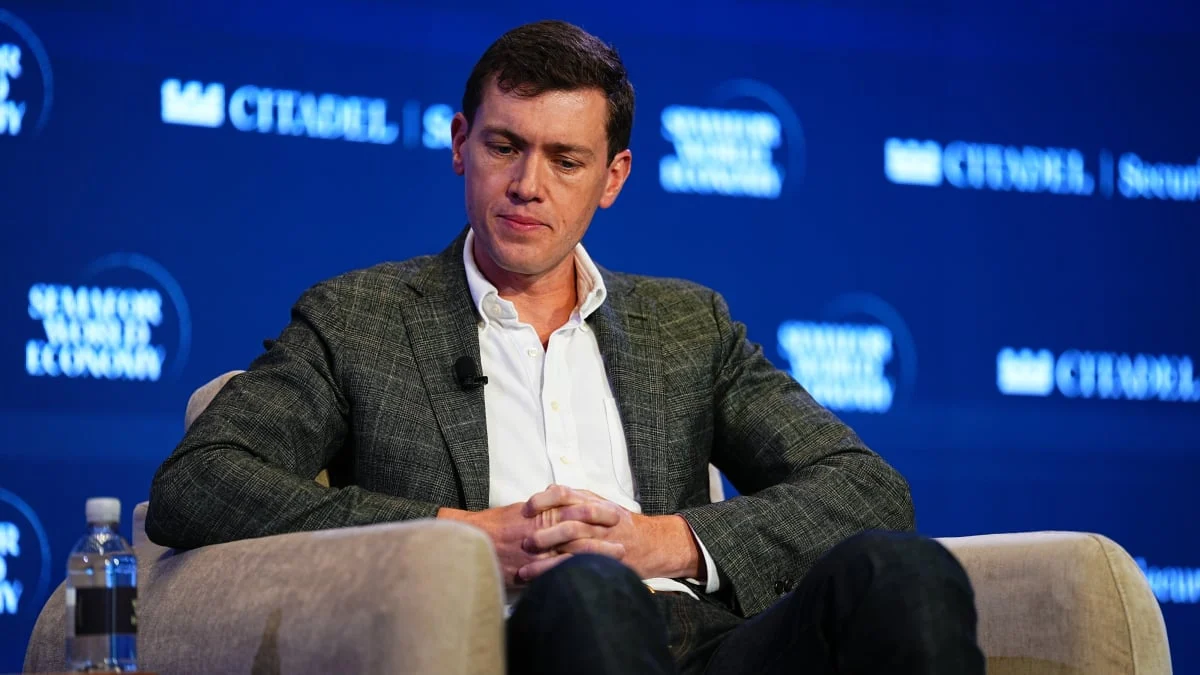
In a move aimed at transforming the often-caustic atmosphere of its reply sections, X (formerly Twitter) has initiated a strategic update to its recommendation algorithm. Announced this week by Nikita Bier, the platform’s Head of Product, the change focuses on boosting the visibility of posts from "mutuals"—users who follow one another. This algorithmic adjustment represents a pivot toward fostering deeper, more intimate social clusters, potentially shifting the platform away from the viral-first, combat-heavy model that has defined its discourse in recent years.
The Mechanics of the Change: Bridging the "Mutuals" Gap
The core of the update, as articulated by Bier, addresses a fundamental oversight in X’s previous recommendation logic. According to the product lead, internal investigations revealed that the algorithm had been failing to adequately account for the "mutual" relationship status between users. Consequently, individuals who shared a genuine connection were often buried beneath the noise of viral, polarizing, or anonymous commentary.
"We identified a gap in how the algorithm weighted relationships between users," Bier noted in his announcement. "We’re rolling out a small tweak to boost visibility of your posts to your mutuals."
By artificially inflating the priority of replies from people a user actually follows back, X hopes to normalize the experience of engaging with familiar voices. The current state of the platform’s reply sections is frequently described by users as a "battleground," where high-engagement, inflammatory remarks from strangers frequently suppress nuanced discussions between acquaintances. By recalibrating the signal-to-noise ratio, X is betting that users will feel more encouraged to participate if they are greeted by a "community" of familiar faces rather than a barrage of hostile, unrecognizable accounts.
Chronology of Platform Evolution
This latest update is not an isolated incident but rather the latest chapter in a broader, aggressive campaign to iterate on X’s user experience under the stewardship of Elon Musk and his product team. Since the acquisition of the platform, X has undergone a rapid succession of technical shifts designed to monetize the user base and reshape the "Public Square."
- Late 2023: X shifted toward a "creator-first" monetization model, emphasizing ad-revenue sharing to incentivize long-form, high-engagement content. This inadvertently favored controversial, high-engagement posts over intimate discourse.
- Early 2024: The introduction of Grok, the platform’s proprietary AI, began to integrate into the user interface, marking a transition toward AI-curated experiences.
- April 2024: X rolled out "Grok-powered custom timelines," allowing Premium subscribers to pin feeds curated by specific interests. This move was intended to help users "dive deep into your favorite niche," though it faced criticism regarding the quality and relevance of the suggested topics.
- Current Update: By focusing on "mutuals," the platform is attempting a course correction to address the atomization of its user base—the feeling that despite having thousands of followers, users are talking into a void of strangers.
Supporting Data and Algorithmic Intent
To understand why this change is significant, one must look at how modern recommendation engines function. Most social media algorithms optimize for "Dwell Time" and "Engagement Velocity." This means that content—often anger-inducing or sensationalist—is pushed to the top because it triggers the most immediate reaction.
The "Mutuals" update acts as a circuit breaker for this logic. By inserting a social-graph requirement (mutual following) into the ranking process, the algorithm is essentially saying that a reply from a known peer is qualitatively more valuable than a reply from a high-engagement, unknown entity.
While the exact weight of this "boost" remains proprietary, the intent is clearly to facilitate "clusters of interest." For years, power users on Twitter have complained about the dilution of their "Timeline." When the platform became a broadcast medium, it lost the conversational intimacy that made it a destination for niche communities. By forcing these clusters to form more easily, X is attempting to rebuild the "village" feel that the platform possessed in its earlier, smaller iterations.
Official Responses and User Sentiment
The reception to these changes has been predictably bifurcated. On one hand, long-time users who have grown weary of the "reply guy" phenomenon—where random accounts derail legitimate conversations—have expressed cautious optimism. The promise of a more recognizable, controlled discourse is a welcome change for those who use the platform for professional networking or niche hobbies.
However, there are concerns regarding "echo chambers." Critics argue that by prioritizing mutuals, X may be further insulating users within their existing political or social bubbles, effectively killing the platform’s original "global town square" mission. If users only see replies from people they already agree with or know, the cross-pollination of ideas that once made Twitter a potent source of breaking news and diverse perspectives could be compromised.
Furthermore, the implementation of these changes has not been without technical hiccups. Users have reported instances of broken links and missing data regarding these updates, highlighting the challenges of pushing out rapid-fire, AI-driven updates to a massive global codebase.
Implications for Safety and Platform Health
The most pressing challenge facing X remains its reputation for safety and toxicity. The platform’s struggle with moderation is not just a policy issue; it is a structural one.
In May, the GLAAD Social Media Safety Index ranked X as the lowest-scoring major platform for LGBTQ+ user safety, awarding it a dismal 29 out of 100. This report underscored a persistent problem: the algorithm’s tendency to prioritize content that generates high "heat" often leads to the amplification of harassment, hate speech, and disinformation.
The "Mutuals" update is a subtle, if incomplete, response to this broader critique. If a user’s feed is populated by people they have vetted through a mutual-follow relationship, the likelihood of encountering anonymous, bot-driven abuse is theoretically lower. However, critics point out that this is merely a cosmetic fix. If the underlying policy on moderation remains permissive toward hate speech and harassment, "mutuals" will not protect users from the vitriol that exists within their own networks.
The effectiveness of this change depends entirely on the accuracy of the algorithm’s "mutual" detection. If the system incorrectly identifies relationships or if the boost is too aggressive, it could lead to a feedback loop of insular content, further eroding the platform’s utility for discovery.
The Path Forward: Can X Recapture Its Core?
As X continues to experiment with its underlying code, the platform finds itself at a crossroads. It is caught between its ambition to be an "Everything App" and the reality of a user base that is increasingly frustrated by the platform’s volatility.
The decision to lean into "mutuals" is an admission that the previous, purely engagement-driven model of the platform has hit a wall. Users are fatigued by the constant bombardment of algorithmic content designed to shock or enrage them. By prioritizing the social graph—the connections that exist between actual people—X is attempting to inject a sense of human trust back into the machine.
Whether this move will be enough to win back users who have drifted toward decentralized competitors like Bluesky or Threads remains to be seen. What is clear, however, is that X has recognized the limits of pure scale. In the coming months, the success of this update will be measured not just by engagement numbers, but by the qualitative feedback of its most loyal users. If the "battleground" of the reply section finally starts to feel like a conversation again, Nikita Bier’s "small tweak" may turn out to be the most significant product adjustment of the year.
For now, the platform continues to iterate, balancing the needs of its high-paying Premium subscribers with the necessity of maintaining a usable, safe, and coherent environment for the global populace. The "Guessing Game" of what X will look like next is far from over, and for the platform’s management, the stakes have never been higher.