The second episode of the third season of House of the Dragon, titled "Queen’s Landing," serves as a masterful pivot point for the series. Following a premiere that functioned as a sonic boom of narrative momentum, this week’s installment initially teased a quieter, more atmospheric pace. However, the production quickly subverted expectations, delivering a series of seismic character shifts, tactical maneuverings, and departures that will fundamentally alter the trajectory of the Dance of the Dragons.
While the episode offers a wealth of spectacle for the casual viewer, it remains deeply rooted in the lore established by George R.R. Martin’s Fire & Blood. For the attentive, these developments are not merely plot progression—they are the chess moves of a dying era.
Main Facts: The Fall of the Old Guard
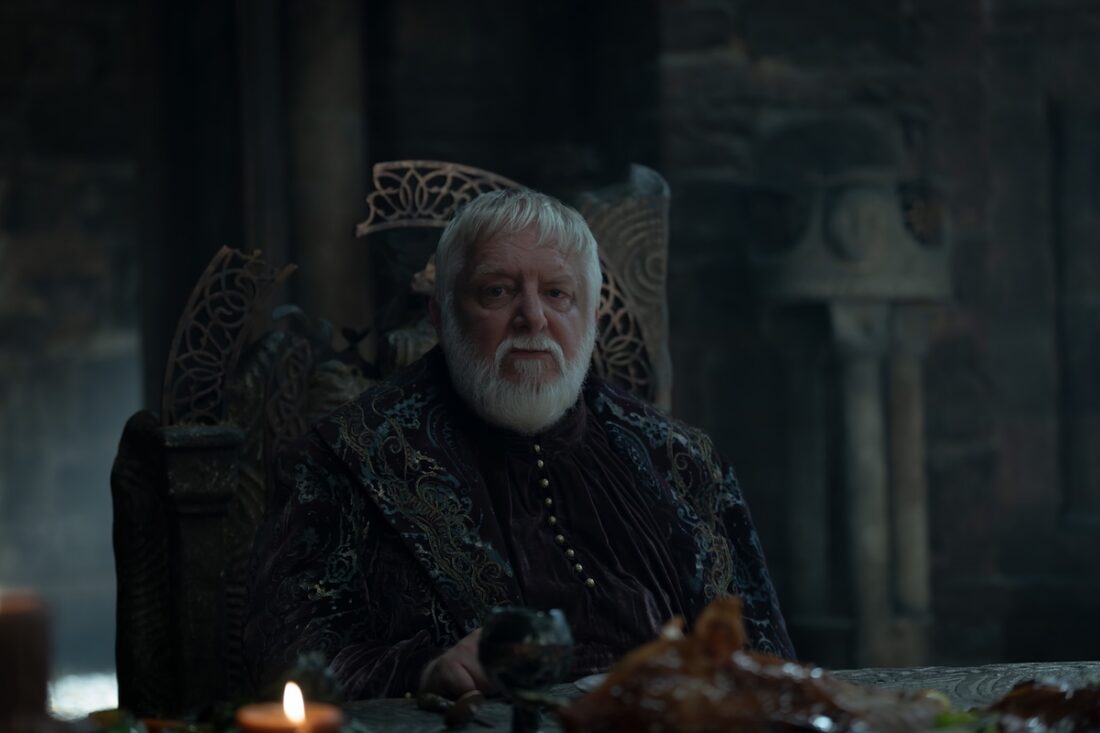
The primary narrative weight of "Queen’s Landing" rests on the final exits of two titans of the series: Ser Otto Hightower and Ser Simon Strong. The loss of these characters represents the final erosion of the "Viserysian" era—a period defined by the fragile, negotiated peace of the late King’s reign.
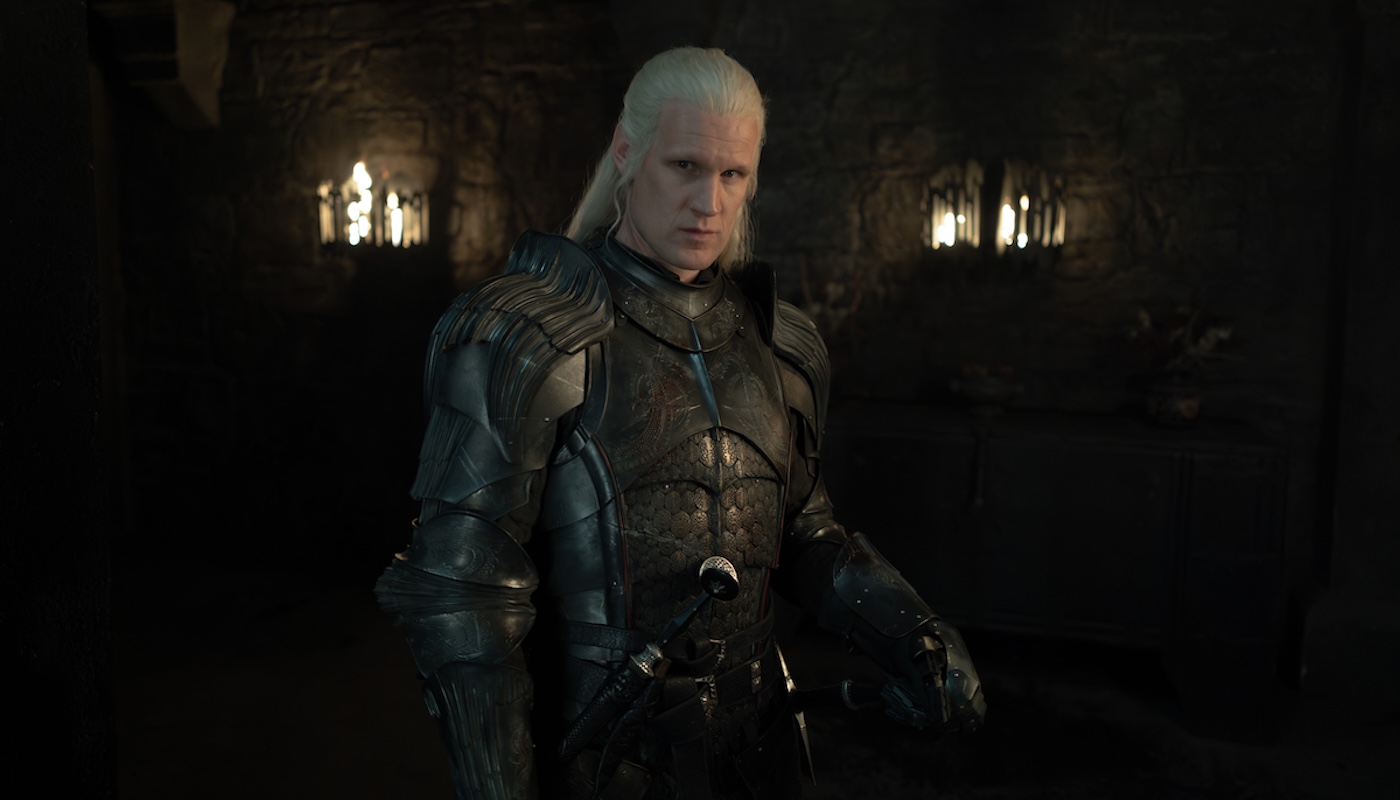
Rhys Ifans’ portrayal of Otto Hightower has been the backbone of the show’s political intrigue, and his execution marks the definitive end of the Green faction’s original strategic vision. Simultaneously, the death of Ser Simon Strong, played with exquisite nuance by Simon Russell Beale, serves as a brutal reminder that the rules of war have changed. Aemond Targaryen’s arrival at Harrenhal—a stark contrast to his uncle Daemon’s stealthier, more psychological occupation—signifies that the time for dialogue has been incinerated by Vhagar’s dragonfire.
Chronology of the Riverlands Conflict
To the uninitiated, the tactical movements in the Riverlands might appear to be a chaotic blur of skirmishes. However, the showrunners have clearly opted for a streamlined "speedrun" approach to capture the sheer scale of the conflict described in the chronicles of Archmaester Gyldayn.
In the source material, the Riverlands campaign is a protracted, agonizing affair. The show, constrained by budget and pacing, has consolidated three distinct historical engagements into a single, devastating narrative arc. The sequence follows a logical progression of escalation:
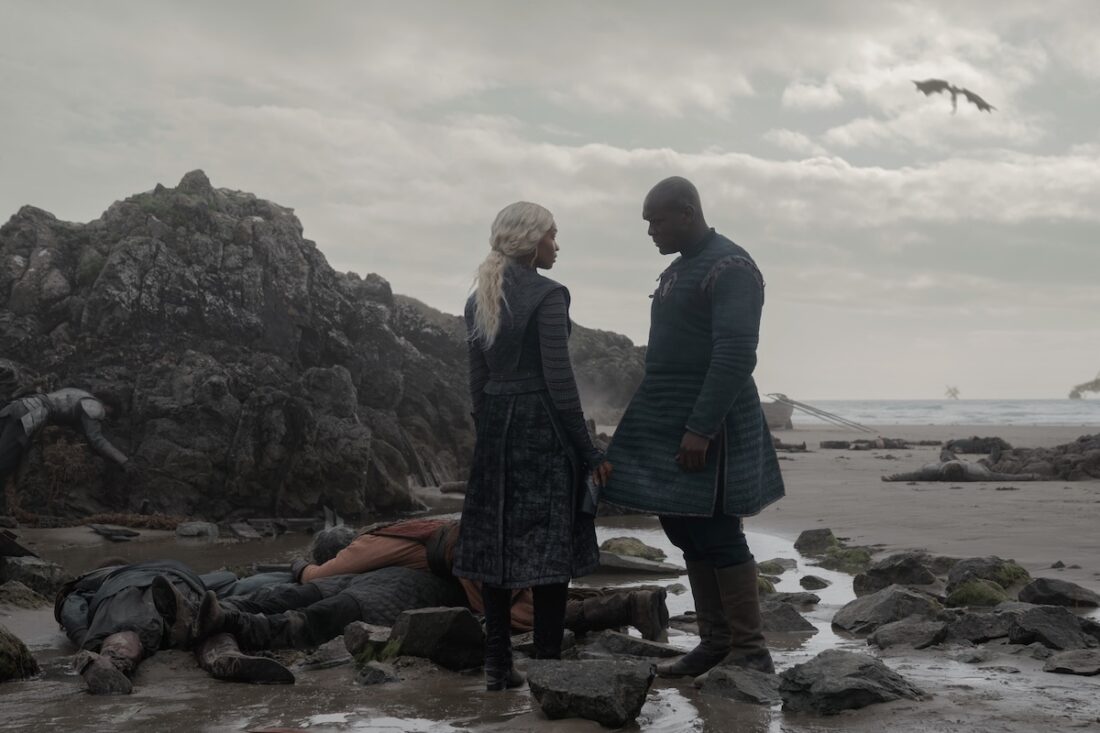
- The Battle at the Red Fork: A confrontation where the Riverlander lords Piper and Vance clash with the Lannister forces. The death of Lord Jason Lannister acts as the catalyst for the subsequent retreat.
- The Battle of Acorn Hall: A tactical follow-up where Lord Joseth Smallwood further destabilizes the Lannister position, forcing a total withdrawal.
- The Battle by the Lakeshore (The Fishfeed): The climax of the regional conflict. Lord Roderick "Roddy the Ruin" Dustin arrives with his "Winter Wolves" from the North to annihilate the remaining Lannister host. The moniker "Fishfeed" is not mere poetic license; it reflects the sheer volume of casualties that choked the waters of the Gods Eye, effectively neutralizing the Lannister threat to the Black cause for the remainder of the war.
This consolidation effectively clears the board of peripheral players, allowing the series to focus on the power dynamics within Harrenhal, now the epicenter of the war’s most mystical and strategic tensions.
Supporting Data: The Enigma of Alys Rivers
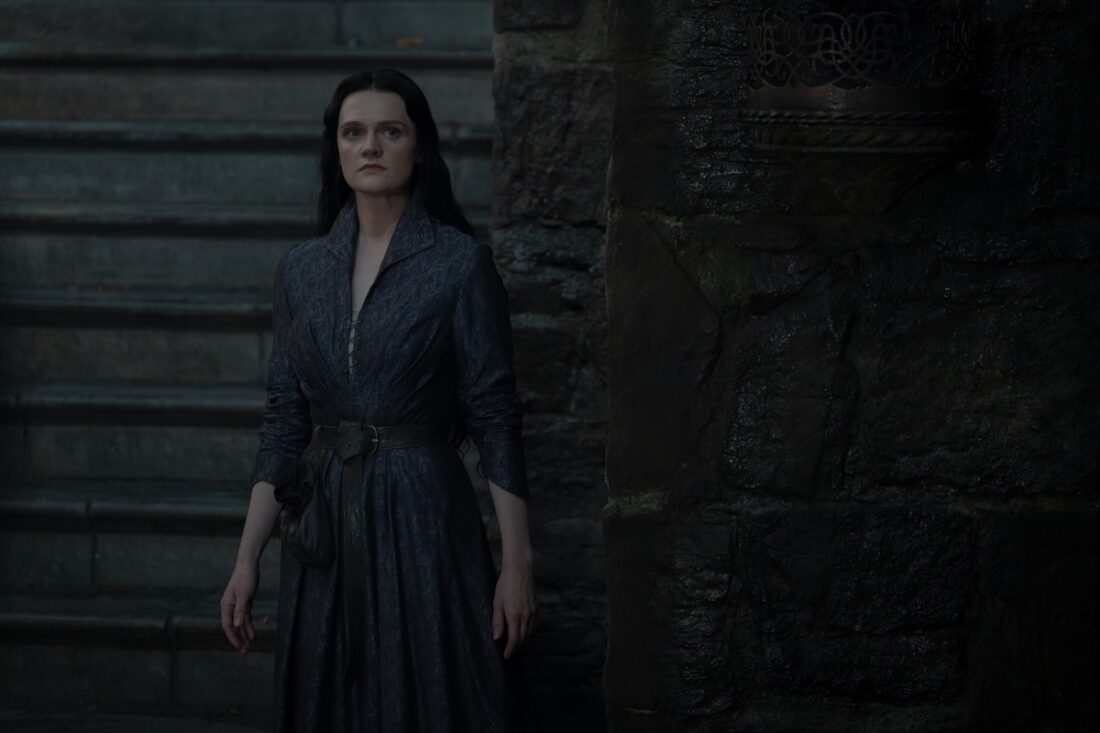
One of the most compelling expansions in this episode is the development of Alys Rivers. In Fire & Blood, Alys remains a figure of conflicting rumors—a middle-aged midwife, a sorceress, or perhaps a lingering spirit of the castle itself.
The show has chosen a more definitive, and perhaps more haunting, path. By establishing that Alys is effectively a vessel for the memory of Harrenhal, having likely witnessed the rise and fall of six different noble houses, the writers have transformed her from a "deus ex machina" into a central, albeit cryptic, character. Her desire to steward Harrenhal is presented not as a mere whim, but as a multi-generational ambition. This shift provides a much-needed grounding for the supernatural elements of the series, turning the castle into a character in its own right—a place that consumes those who try to possess it.
Official Responses and Creative Direction
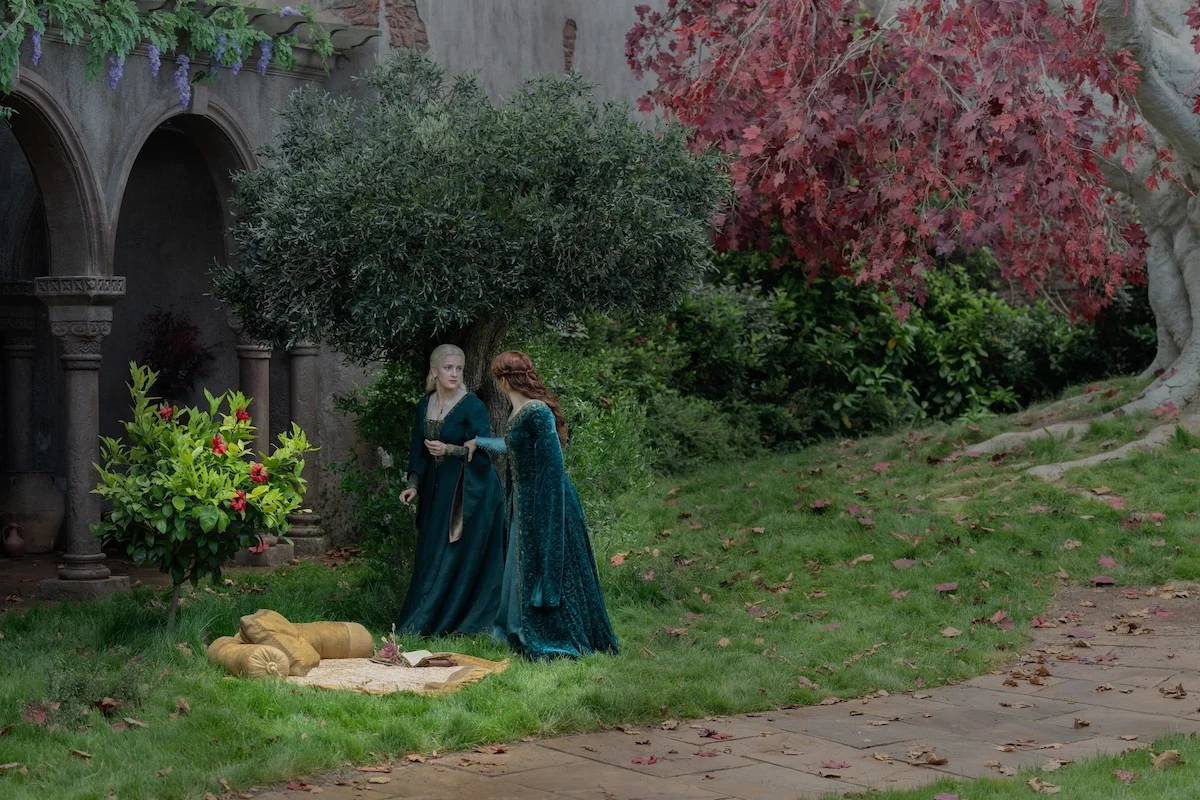
The creative team, led by showrunner Ryan Condal, has been vocal about the necessity of diverging from the book’s "historical" format to serve the needs of a visual medium. By shifting the focus from off-page battles to the visceral, face-to-face interactions between Rhaenyra and Alicent, the series is doubling down on the "personal is political" philosophy.
The decision to return Rhaenyra to a position where she must confront the political fallout of her father’s era is a masterstroke. The "bait-and-switch" regarding Otto Hightower’s fate—hiding him away in the Black Cells rather than executing him immediately—provides a lingering point of tension. It serves as a constant, ticking clock for Alicent, whose internal struggle between her duty to her house and her lingering, complex connection to her father remains one of the show’s most poignant threads.
Implications: The New World Order
The implications of this episode are profound. With the "old guard" of diplomats and shrewd administrators dead or incapacitated, the war is now fully in the hands of the younger, more volatile generation.
The transition from the calculated, if ruthless, politics of Otto Hightower to the unchecked, sociopathic impulses of Aemond Targaryen creates a vacuum where mercy is no longer a currency. We are seeing the death of the "restraint" that characterized King Viserys’ reign. The "weak-willed" Aegon, the "sociopathic" Aemond, and the "inscrutable" Larys Strong now occupy the center stage, setting the scene for a conflict that will be defined by madness and tactical brutality rather than diplomacy.
Furthermore, the "DragonWatch" segments of the episode serve a dual purpose. While the close-ups of Caraxes and the sweeping vistas of Vhagar offer the high-fantasy spectacle audiences crave, they also serve as a grim reminder of the cost of the war. The series is, at its heart, a chronicle of the extinction of dragons. Each shot of these creatures, whether drinking from a lake or turning a garrison to ash, is a reminder that the Dance is not just a war between families; it is an act of ecological and magical suicide for the Targaryen dynasty.
Conclusion: A Shift in Perspective
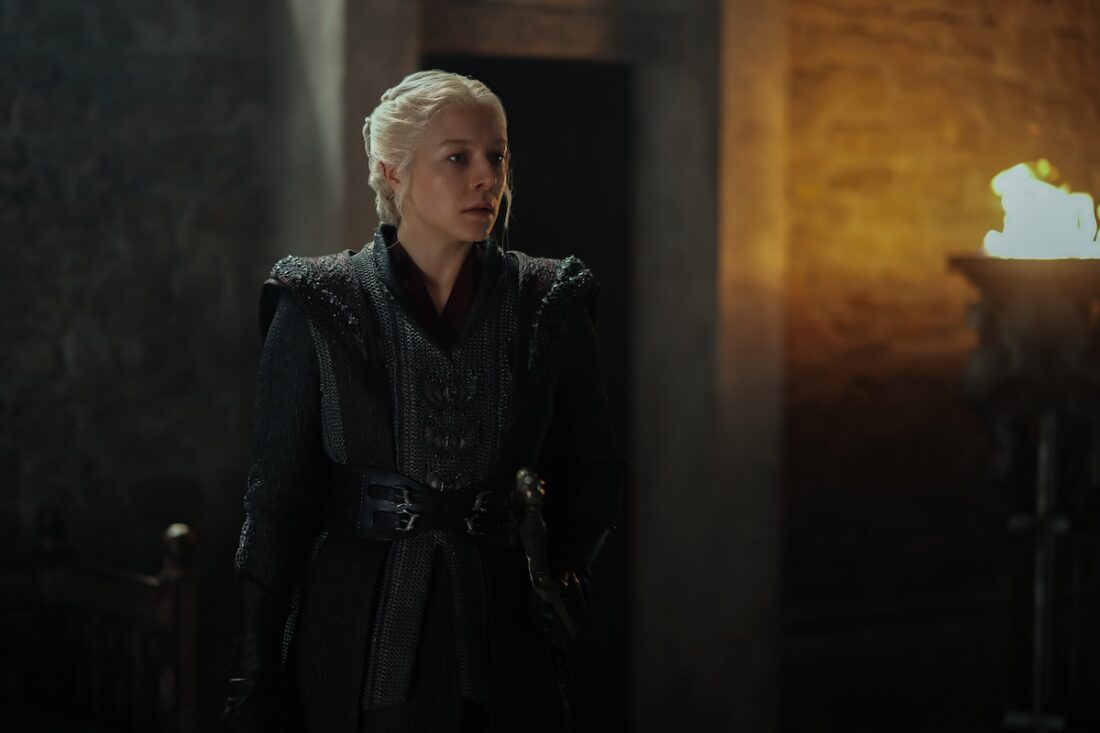
"Queen’s Landing" is a testament to the show’s ability to balance the grand scale of Westerosi history with the intimate, often agonizing, growth of its leads. The final shot of Rhaenyra—a woman struggling to maintain a mask of imperial resolve while the weight of her choices begins to fracture her—is a defining moment for the season.
As we look ahead, the audience must prepare for the "pointless slaughter" that is to come. The loss of veteran performers like Rhys Ifans and Simon Russell Beale leaves a hole in the cast, but it also creates space for the younger stars—Emma D’Arcy, Olivia Cooke, and Phia Saban—to fully inhabit the roles of the tragic architects of their own destruction.
We are no longer watching a political drama; we are watching a tragedy in its final, most violent act. The crown may have landed, but the cost of keeping it has never been higher. As the Riverlands run red and the dragons take to the skies, one thing is certain: the peace that once existed is gone, and the fire that replaces it will leave nothing behind but ash and memories.