Dwi Wanna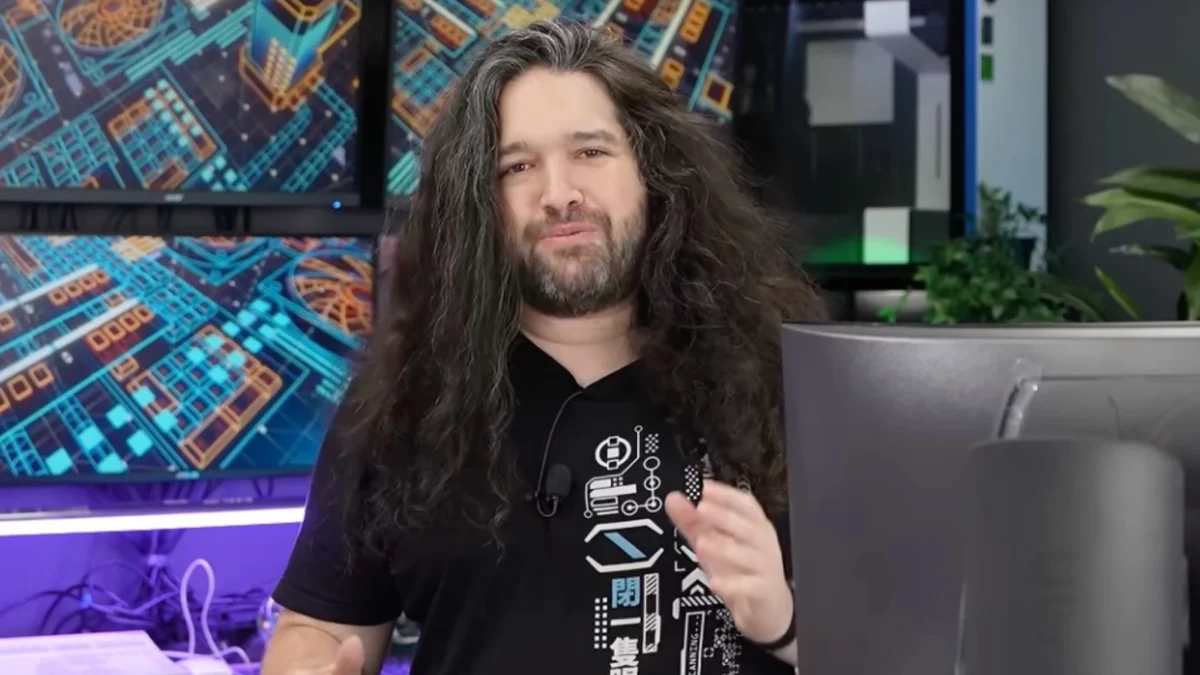
In an era where the boundary between hardware utility and intrusive marketing is increasingly blurred, a recent controversy involving LG Electronics and the Windows ecosystem has reignited the debate over bloatware. Users of premium LG monitors recently discovered that their Windows PCs were silently downloading and installing software that served aggressive, recurring advertisements for third-party antivirus services. The discovery, brought to light by the tech investigative outlet Gamers Nexus, forced a swift intervention from Microsoft, marking a rare moment where the tech giant had to publicly address the misuse of its Hardware Support App framework.
The Core Conflict: When Hardware Updates Become Ad Delivery Vehicles
The controversy centers on the "LG Monitor App Installer," a piece of software designed to facilitate the management of LG’s high-end display peripherals. Under normal circumstances, users expect monitor-related software to handle color calibration, firmware updates, or display settings. However, users began reporting that their systems were automatically installing this utility via Windows Update without explicit user consent.
Once the installer was present on a system, it behaved less like a driver utility and more like classic "adware." Upon booting their PCs, users were greeted with persistent pop-up notifications—some appearing on almost every startup—promoting a free trial of McAfee antivirus software. The aggressive nature of these prompts, combined with the fact that the software appeared silently in the background, led to a wave of user frustration and skepticism regarding the integrity of the Windows update process.
A Chronology of the Controversy
The timeline of the discovery and subsequent resolution highlights how quickly technical grievances can escalate in the age of social media accountability.
- Mid-July 2026: Users begin reporting anomalous software installations on Windows 11 machines connected to LG UltraGear monitors. Discussion threads on platforms like Reddit and X (formerly Twitter) gain traction as multiple users confirm the presence of the "LG Monitor App Installer" and the accompanying McAfee advertisements.
- July 2026 (The Investigation): Gamers Nexus, led by Steve Burke, conducts a formal investigation. The team successfully reproduces the behavior across multiple test benches running various versions of Windows 11. Their reporting confirms that the software is being delivered via the Windows Update mechanism, effectively bypassing traditional installation hurdles.
- July 22, 2026 (Public Pressure): Following the widespread circulation of the Gamers Nexus report, the story reaches the desks of Microsoft leadership. Pavan Davuluri, Microsoft’s Executive Vice President of Windows and Devices, acknowledges the issue publicly on social media.
- July 23, 2026 (The Resolution): Microsoft officially confirms that it has reached an agreement with LG. The electronics giant agrees to disable the antivirus pop-ups, effectively neutering the primary source of user complaints.
Technical Mechanics: The Hardware Support App Framework
To understand why this happened, one must look at how Microsoft handles third-party hardware. The "Hardware Support App" (HSA) framework is a system designed to simplify the user experience. Instead of forcing users to hunt for drivers and companion software on obscure manufacturer websites, Windows Update is designed to automatically detect hardware and fetch the necessary management tools.
While this framework is intended to ensure "plug-and-play" functionality, it relies on a high degree of trust between Microsoft and its hardware partners. When an LG monitor is plugged into a Windows machine, the OS identifies the device ID and checks for associated software packages. In this instance, LG utilized this automated path to push not just the essential drivers, but a marketing-heavy utility that took liberties with the user’s desktop experience.
Gamers Nexus observed that while the McAfee ads were the most egregious, the app also pushed other promotional links for software such as "LG Switch," "LG Calibration Studio," and "LG Dual Controller." This transformed a utility intended for hardware management into a platform for cross-promoting the LG software ecosystem.
Official Responses and Corporate Stance
The response from both Microsoft and LG reflects the sensitivity of the situation. Pavan Davuluri’s statement on X was concise and aimed at de-escalating the situation:
"Thanks again for bringing this to our attention. We’ve connected with the team at LG and as an immediate next step, they have agreed to disable the McAfee pop-up from their app. We appreciate LG working with us toward a shared goal of a better experience for our mutual customers."
Davuluri’s framing of the issue as a "shared goal" suggests that Microsoft is eager to avoid framing this as a policy violation, likely to maintain its working relationships with OEMs.
LG, for its part, issued a clarification to the media. The company maintained that the installer itself does not automatically install the antivirus software—a distinction they consider vital. According to LG, the antivirus software requires a user to click through an installation prompt before it is actually added to the system. However, the company stopped short of defending the pop-ups themselves, acknowledging that the marketing strategy had crossed the line and agreeing to disable the notifications immediately.
Implications for the Tech Ecosystem
This incident carries significant weight for the future of Windows and third-party hardware integration. There are several key implications for consumers and manufacturers alike:
1. The Erosion of User Trust
The most immediate consequence is the erosion of trust in Windows Update. For years, Windows Update has been marketed as a utility for system security and stability. By allowing it to be used as a distribution channel for third-party advertisements, Microsoft risked damaging its brand equity. Users who were already wary of Windows’ increasing "ad-laden" tendencies—such as those seen in the Start menu or the taskbar—now have more reason to view OS-level updates with suspicion.
2. The Responsibility of OEMs
Hardware manufacturers like LG, Dell, HP, and others often include "value-add" software with their products. While this software is often useful for power users, it frequently drifts into "bloatware" territory. This controversy serves as a warning to OEMs that in the modern digital age, invasive marketing tactics are easily exposed and can lead to significant public relations damage.
3. Microsoft’s Oversight Role
The incident forces Microsoft to re-evaluate the vetting process for the Hardware Support App framework. If Microsoft intends to continue automating the installation of third-party software, it must implement stricter guidelines on what constitutes "essential" versus "promotional" software. Allowing manufacturers to push marketing pop-ups under the guise of "driver updates" is a clear failure in quality control that Microsoft will need to address to prevent future occurrences.
Moving Toward a Cleaner User Experience
As the industry moves forward, the demand for "clean" computing is growing. Consumers are increasingly favoring hardware and software experiences that respect their digital workspace. The swift action taken by Microsoft and LG, prompted by independent journalism, is a win for the user, but it also underscores a systemic issue.
The "LG Monitor App Installer" incident should serve as a wake-up call for both parties. For Microsoft, it is a reminder that the convenience of their ecosystem must not come at the expense of user autonomy. For LG, it is a lesson that premium hardware should be supported by software that prioritizes utility over monetization.
In the long term, users should keep a close eye on the software installed alongside their hardware. While the McAfee pop-ups may be gone, the underlying framework that allowed them to appear remains. As technology becomes more integrated, the vigilance of both the user and independent watchdogs remains the only barrier between a truly functional desktop and an endless stream of unwanted advertisements.
Final Thoughts: A Precedent for Change
The resolution of this issue is not the end of the story. Rather, it is a starting point for a broader conversation about what kind of software should be allowed to interact with the operating system at a system-wide level. By forcing the removal of the McAfee ads, the tech community has drawn a line in the sand. Manufacturers now know that the "silent installation" of marketing materials will be met with scrutiny and public backlash.
Moving forward, the expectation is clear: hardware drivers should remain drivers, and utilities should remain tools. The days of treating a user’s PC as a billboard for third-party partnerships are, hopefully, coming to an end. As for the users who were affected, the removal of the pop-ups is a welcome relief—a reminder that in the complex, interconnected world of modern computing, the user’s voice, when amplified by the right channels, still carries the power to dictate the terms of their own digital experience.

 Sagoh
Sagoh
 Neng Nana