Neng Nana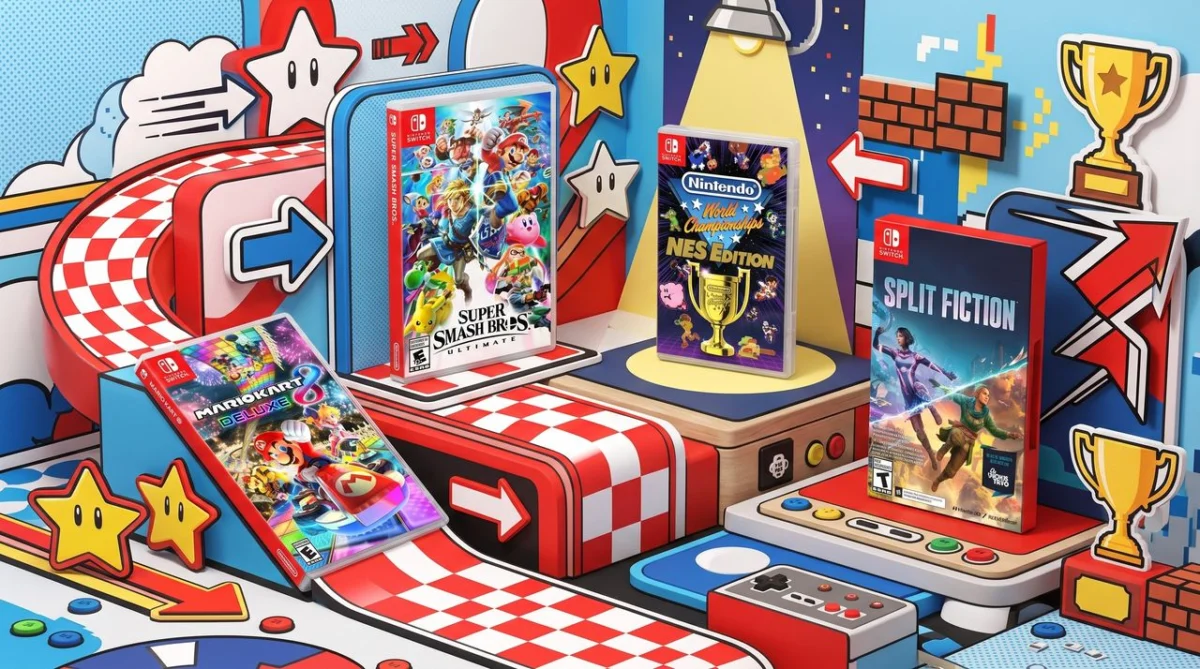
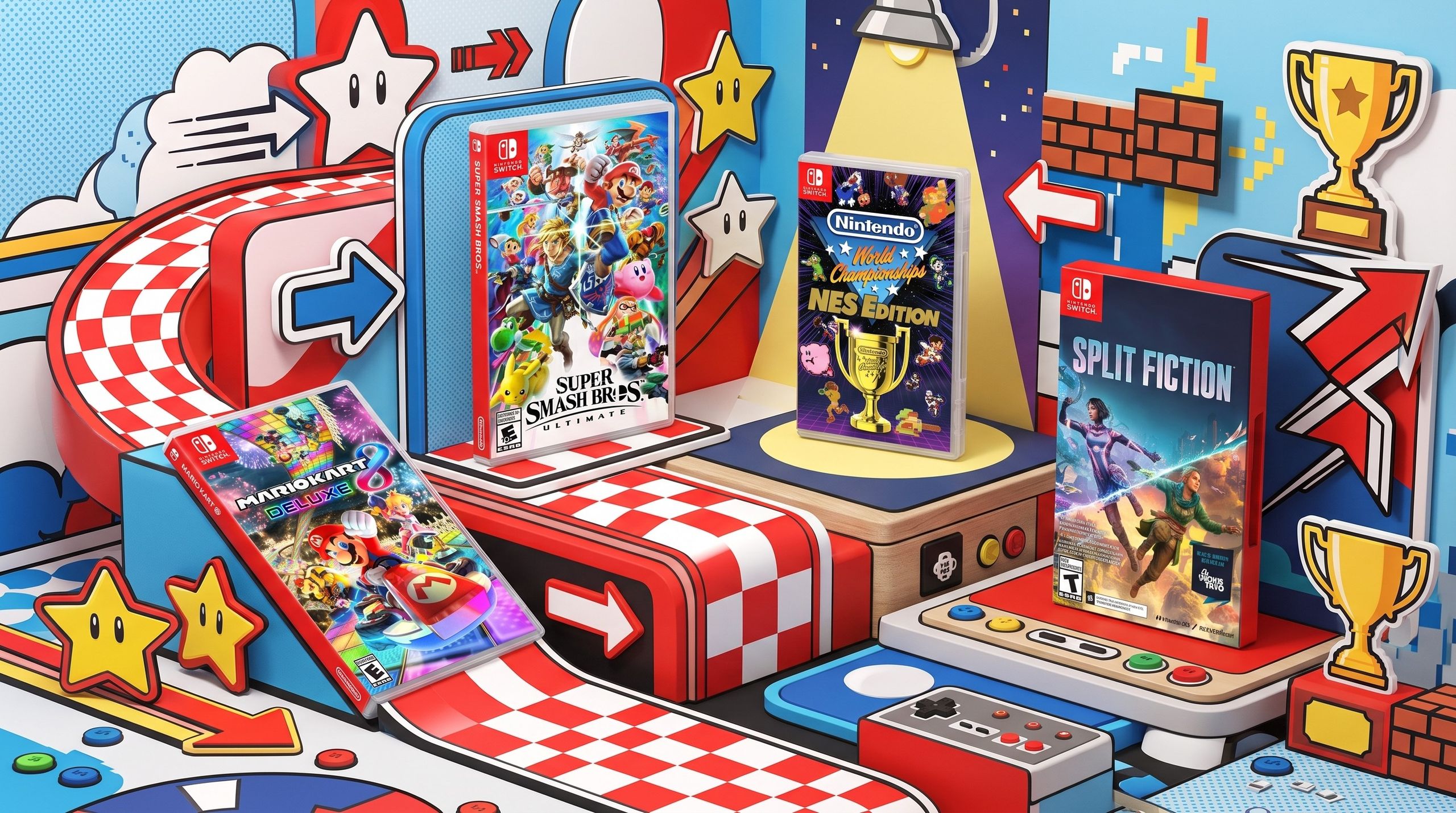
Whether you are an early adopter eagerly awaiting the next evolution of Nintendo’s hardware or a loyalist still squeezing every ounce of potential out of the original Switch console, one reality remains constant: Nintendo games carry a premium price tag. Known for their enduring quality and "evergreen" status, titles like The Legend of Zelda or Mario Kart rarely see the aggressive, steep discounting common among competitors. However, for the savvy consumer, opportunities to expand your digital or physical library without breaking the bank are more frequent than they appear.
This guide explores the current state of the Nintendo Switch marketplace, providing a roadmap for securing the best deals on both cult classics and retro-inspired gems.
The Landscape of Nintendo Pricing: Why Deals Matter
In the gaming industry, the "Nintendo Tax" is a well-documented phenomenon. Unlike titles on other platforms that might see a 50% price drop within months of launch, Nintendo’s first-party lineup is notoriously resilient. This pricing strategy is built on the concept of longevity; a Nintendo game released in 2017 often provides as much engagement today as it did at launch.
However, the ecosystem is shifting. With hardware lifecycles evolving and digital storefronts becoming more competitive, the barrier to entry for building a robust library is lower than it has ever been. For the average gamer, the challenge isn’t a lack of content, but rather the "backlog anxiety" that comes from owning more games than time allows.
Chronology: The Evolution of the Switch Marketplace
To understand how to find the best deals today, one must look at how the Switch ecosystem has matured over the last seven years.
2017–2019: The Launch Era
During the initial years of the Nintendo Switch, discounts were rare and almost exclusively physical. Retailers like Amazon, Best Buy, and Walmart held sway, using physical game cartridges as loss leaders to drive foot traffic. Digital sales were infrequent, limited mostly to major seasonal events like Black Friday or the "New Year" sales.
2020–2022: The Digital Shift
The global pandemic accelerated the transition toward digital distribution. Nintendo expanded the Nintendo eShop’s functionality, introducing more frequent publisher-led sales and "Game Trials" for Nintendo Switch Online subscribers. During this period, indie developers became the primary drivers of value, offering high-quality experiences for a fraction of the cost of AAA titles.
2023–Present: The Pre-Transition Phase
As rumors of successor hardware have intensified, the marketplace has entered a unique phase. Major retailers are increasingly clearing out inventory of older titles, while Nintendo has leaned into its "Nintendo Switch Game Vouchers" program—a brilliant loyalty strategy that allows subscribers to purchase two first-party titles at a significantly reduced combined price.
Supporting Data: Where the Value Lies
When analyzing where to spend your budget, data suggests three distinct tiers of value:
1. First-Party Vouchers
The Nintendo Switch Game Voucher program remains the single most effective way to secure "new" first-party games at a discount. By paying a flat rate for two vouchers, users can effectively bring the price of a $70 game down to roughly $50. This is the gold standard for players who know exactly which major titles they want to play next.
2. Indie Gems and Cult Classics
The eShop is currently a goldmine for independent developers. Titles that might have been overlooked at launch often see deep discounts during developer-focused sales. Data shows that indie games with high "Metacritic" scores are frequently discounted by 30% to 75% within their first year of release.
3. Physical Pre-Owned Market
While digital sales are convenient, the physical secondary market remains a vital resource. Platforms like eBay, Mercari, and specialized game exchange stores allow players to trade in completed games, essentially subsidizing the cost of the next title.
Official Perspectives and Strategic Insights
Nintendo has long maintained that their pricing strategy is designed to protect the perceived value of their intellectual property. In various shareholder meetings, leadership has emphasized that because their games are designed for long-term enjoyment—often spanning years of play—they do not require the rapid depreciation cycles seen in other sectors of the gaming industry.
However, Nintendo has also recognized the need to incentivize the ecosystem. By investing in the "Nintendo Switch Online" service, they have provided a secondary layer of value: the library of NES, SNES, and Game Boy classics. For many, this has replaced the need to buy individual retro titles, representing a significant "soft" saving.
For those looking to optimize their physical setup, the hardware itself is also part of the equation. As noted by industry experts, upgrading your peripherals—such as investing in high-quality Joy-Con alternatives or Pro Controllers—can extend the lifespan of your console, making the cost-per-hour of your gaming experience significantly lower over time.
Implications: Building a Sustainable Library
The implication of these shifting trends is clear: the modern gamer must be a strategist. Here is how to apply this knowledge to your own collection:
- Prioritize the Vouchers: If you have two big-ticket Nintendo titles on your wishlist, don’t buy them individually. Use the Voucher program. It is the only reliable way to circumvent the high MSRP of new releases.
- Use Price Trackers: Websites like DekuDeals have become essential for any serious Switch owner. They provide historical pricing data, notifying you when a game hits its "all-time low," effectively eliminating the guesswork of whether a sale is truly a deal.
- Manage the Backlog: The "to-be-played" list is a common source of frustration. By focusing on one or two games at a time rather than buying in bulk during sales, you prevent the depreciation of your own investment. A game bought on sale but never played is a net loss, regardless of the discount.
- Embrace the Indie Scene: Some of the most critically acclaimed games on the system—such as Hollow Knight, Celeste, or Stardew Valley—often cost less than $20. These games frequently offer more hours of gameplay than $70 AAA titles.
Looking Ahead: The Future of Deals
As we look toward the potential launch of next-generation hardware, the market is likely to see a shift in how legacy titles are handled. Will Nintendo implement a system-wide backward compatibility that allows older games to perform better? If so, the value of your current physical library could increase, as those titles remain playable and potentially enhanced on future hardware.
In the meantime, the current Switch marketplace remains incredibly vibrant. Whether you are hunting for the next blockbuster adventure or looking to dive into a hidden indie masterpiece, the tools to build a world-class collection on a budget are available. It simply requires a little patience, a reliance on data, and the discipline to ignore the hype of day-one purchases in favor of long-term value.
Ultimately, gaming is about the experience. By managing your budget effectively, you aren’t just saving money—you are ensuring that your library remains a source of joy rather than a source of financial stress. Happy gaming, and may your next great find be just a click away.
Natalie Fear is a staff writer at Creative Bloq with a keen interest in the intersection of technology and consumer culture. She continues to track the latest trends in the gaming industry, ensuring that readers have the information they need to make informed, budget-conscious decisions in an increasingly expensive digital world.


 Asro
Asro
 Sagoh
Sagoh