Muslim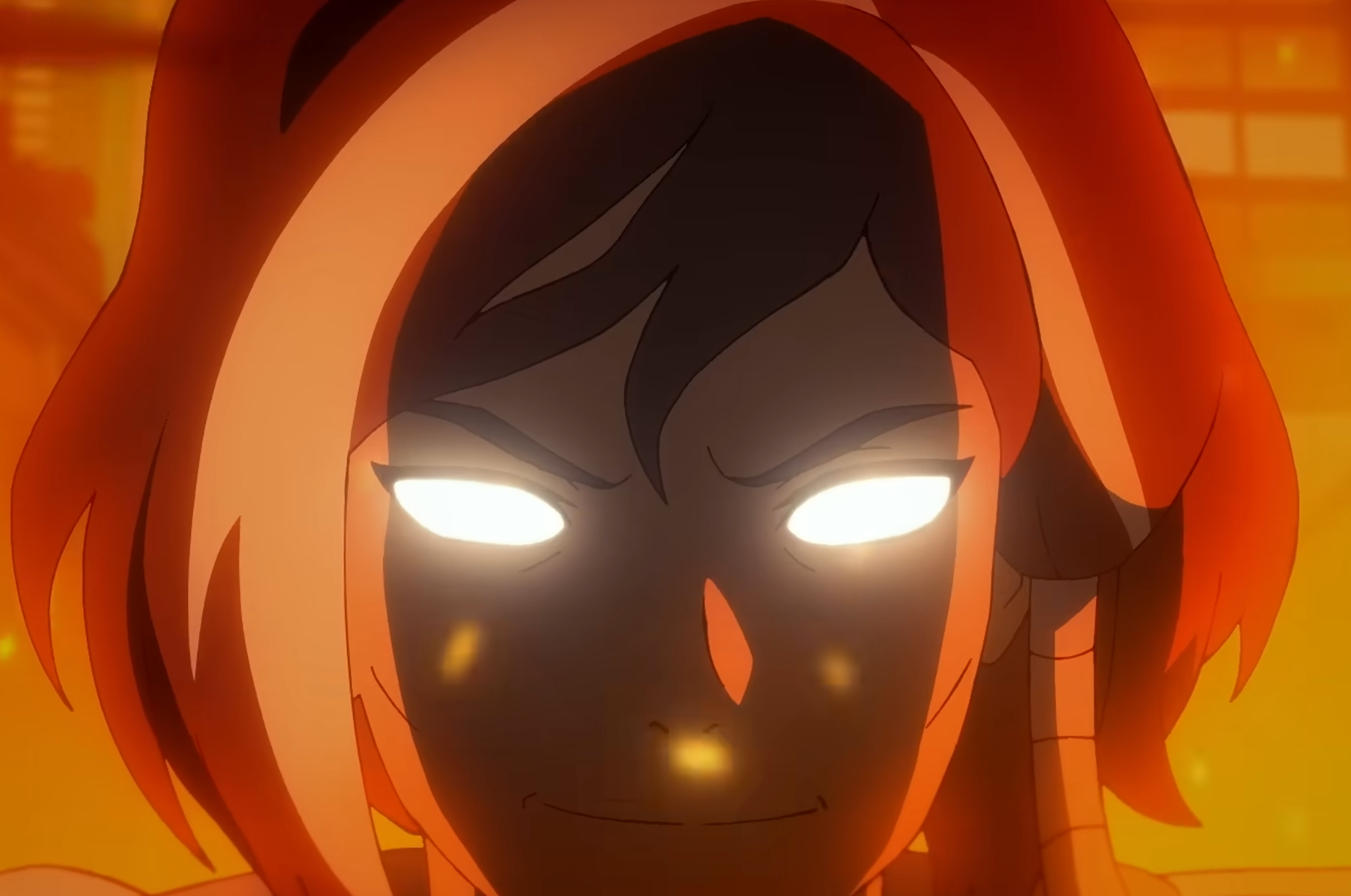
The San Diego Comic-Con (SDCC) 2026 floor erupted in a mixture of excitement and palpable confusion this past weekend as the first official trailer for the next major installment in the Avatar franchise, Avatar: Seven Havens, made its grand debut. While the visual fidelity and the promise of a fresh, gritty narrative have fans eager to return to the world of elemental benders, the teaser has ignited a firestorm of speculation regarding the fate of the franchise’s most divisive protagonist: Korra.
Set in the aftermath of The Legend of Korra, the new series presents a world fundamentally broken. Gone are the technological advancements of Republic City and the relative peace of the post-war era. Instead, viewers are introduced to a landscape defined by desolation, ruin, and a profound, lingering resentment toward the very concept of the Avatar. As the dust settles on the trailer’s release, the central question remains: How did the world descend into this catastrophic state, and where does the previous Avatar fit into this bleak history?
Main Facts: A World Reborn in Ruin
The premise of Avatar: Seven Havens marks a radical tonal shift for the franchise. The series follows Pavi, a young Earthbender who unexpectedly discovers her status as the next Avatar. Unlike the rapid ascension of previous incarnations, Pavi is born into a world that has largely turned its back on the Avatar cycle.
The trailer establishes that the world is currently suffering from the fallout of an unnamed, apocalyptic event. Crucially, the lore presented in this teaser suggests that this cataclysm is tied to the legacy of the previous Avatar, Korra. The narrative tension is built upon the idea that Korra "let everyone down," a sentiment that has evolved from a historical grievance into a societal dogma in the world of Seven Havens. Pavi must not only master the four elements but also navigate a landscape where the mantle of the Avatar is viewed with deep-seated suspicion, if not outright hostility.
The series is confirmed for an October 9, 2026, release on Paramount+, occupying the high-profile slot previously reserved for the untitled Avatar feature film, signaling that the studio views this project as the flagship title for the franchise’s immediate future.
Chronology: Bridging the Gap
To understand the weight of the mystery surrounding Seven Havens, one must look at the established timeline. The Legend of Korra concluded with the protagonist ushering in a new era of balance, followed by canonical graphic novels that depicted a world in transition.
- The Korra Era: Following the harmonic convergence, Korra restored the connection to the spirit world and dismantled the old monarchies, setting the stage for democratic growth.
- The Interim Years: The gap between The Legend of Korra and Seven Havens is currently an "era of silence." Fans have long speculated that this period would be defined by the eventual decline of the industrial advancements seen in Republic City.
- The Catalyst: The trailer for Seven Havens suggests a "Great Fracture" or catastrophic event occurred at some point after Korra’s passing. In the tradition of the Avatar cycle, a new Avatar cannot be born until the previous one dies. This confirms that Korra, the strong-willed protector who survived countless assassination attempts and spiritual crises, has indeed passed away.
However, the timeline is where the narrative becomes truly muddy. If Seven Havens takes place shortly after the death of Korra, the survivors of her era—such as Mako, Bolin, or Asami—would have been elderly or potentially still alive. If the show instead opts for a time jump of several generations, it implies that the "failure" attributed to Korra has been amplified through centuries of historical revisionism.
Supporting Data: The Fandom and the Narrative Subtext
The choice to frame the previous Avatar as a source of failure is a bold, if not risky, creative decision. For years, the Avatar franchise has been plagued by a segment of the fanbase that remained critical of Korra’s character arc. By leaning into the idea of her "failing" the world, Seven Havens walks a fine line between compelling narrative conflict and meta-commentary that inadvertently validates some of the more toxic critiques of the original show.
The "Villainous" Avatar Trope
History in the Avatar universe is often written by the victors. The trailer heavily implies that the current state of the world—one of poverty and ruins—is blamed on the Avatar. However, in the context of the series, this is almost certainly a distorted perspective.
- Revisionist History: The citizens of Seven Havens are living in a post-truth world. It is highly probable that the cataclysmic event was caused by external forces, perhaps a political or spiritual extremist movement, and the Avatar was simply the convenient scapegoat.
- The Burden of Memory: Pavi’s struggle is not just against the elements, but against the weight of a ghost. The "slander" against Korra mentioned in the teaser suggests that the showrunners intend to explore the cyclical nature of public opinion regarding the Avatar, mirroring real-world discourse.
Official Responses and Production Insights
While Paramount+ has been tight-lipped regarding the specific plot beats, showrunners and creative leads at the recent SDCC panel emphasized that Seven Havens is designed to be a "deconstruction" of the franchise.
"We wanted to see what happens when the world stops needing the Avatar," remarked one of the lead writers during the panel. "When you take away the reverence, when you take away the support, what does the Avatar become? Pavi isn’t a hero by choice; she is a survivor by necessity."
When pressed about the fate of Korra, the production team remained guarded. They noted that "the history of the Avatar is the history of the world," implying that Korra’s actions—or lack thereof—during the catastrophe will be a central mystery that unfolds across the first season. They declined to comment on whether any surviving characters from the Korra era would appear, keeping the focus squarely on the new, isolated, and dangerous environment Pavi inhabits.
Implications: A Darker Path for the Franchise
The implications of Avatar: Seven Havens are profound. If the franchise is willing to paint the previous Avatar’s tenure as a failure, it effectively ends the "Golden Age" of the Avatar universe that began with Aang and continued with Korra.
1. The Death of the "Legend"
By focusing on a world that has forgotten the importance of the Avatar, the show moves away from the "chosen one" trope and into a more desperate, survivalist narrative. This is a departure from the heroic, high-fantasy tone of previous iterations.
2. A New Moral Ambiguity
If the world is truly in ruins because of a failure, the show must answer whether that failure was due to the Avatar’s weakness or the world’s reliance on a singular person to solve systemic problems. This could lead to a critique of the Avatar system itself, potentially hinting that the system is what causes the imbalance in the first place.
3. The Release Strategy
The decision to release the show on October 9—the original release date for the abandoned Avatar movie—suggests that Paramount+ is pivoting. Instead of focusing on the past and the legacy of Aang or Korra, they are betting that the audience is ready for a darker, more complex future. The absence of an episodic schedule at this time likely points to a desire to maintain "water cooler" conversation, with the studio potentially looking to drop the episodes in a way that maximizes engagement and debate.
Conclusion: The Road Ahead
As we look toward the autumn release, the questions surrounding Avatar: Seven Havens are as much about the franchise’s identity as they are about the plot. Is the show an attempt to rehabilitate the perception of Korra by showing the injustice of the rumors surrounding her? Or is it a genuine exploration of how legends fade and distort over time?
For Pavi, the journey is just beginning. For the audience, the wait until October 9 will be filled with re-watches of the trailer, obsessive theory-crafting, and a collective hope that the show treats the legacy of its predecessors with the care it deserves. One thing is certain: the world of the Avatar has never looked quite this bleak, and for the first time in the franchise’s history, the Avatar may not be the world’s salvation—but its most controversial inhabitant.
Whether Seven Havens succeeds or fails will likely hinge on its ability to balance the mystery of the past with the immediate, visceral stakes of Pavi’s present. If the SDCC trailer is any indication, we are in for a ride that is as challenging as it is beautiful.

 Nana Muazin
 Raul Delapena Setiawan