

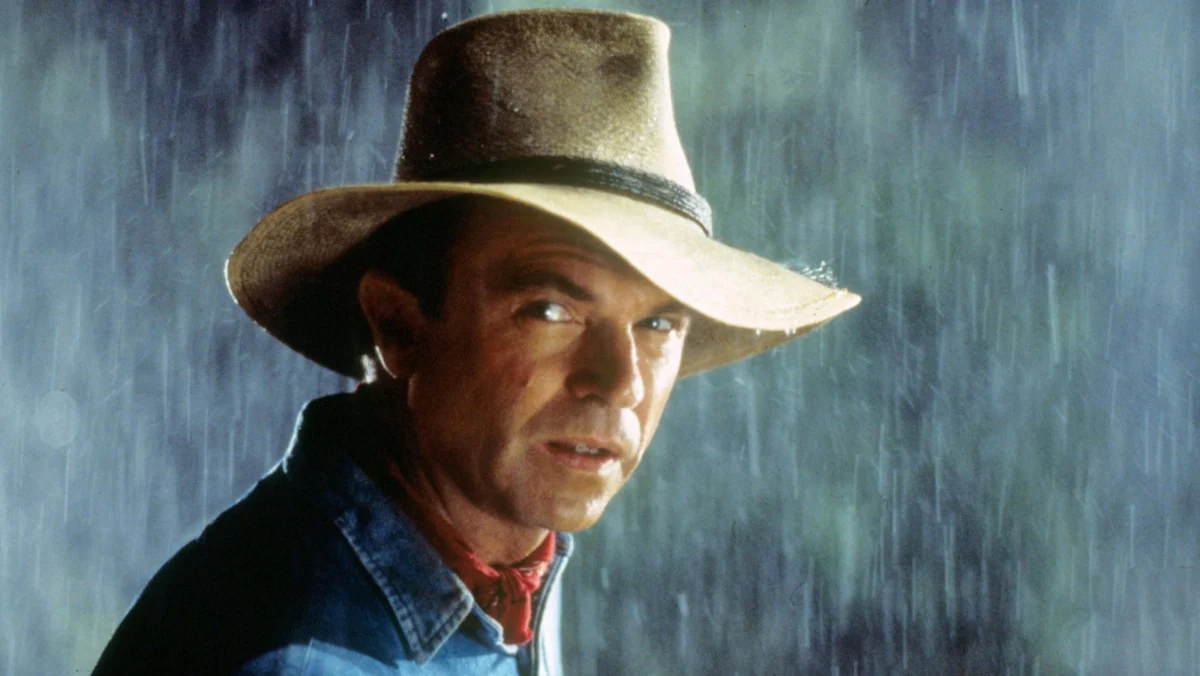
The entertainment industry is in mourning following the sudden passing of Sam Neill, the internationally acclaimed actor whose career defined a generation of cinema. Neill, a fixture of both high-octane Hollywood blockbusters and intimate, avant-garde dramas, died on Monday, July 13, in Sydney, Australia, at the age of 78. His death marks the end of a prolific, half-century-long journey that saw him evolve from a New Zealand theatrical talent into one of the most recognizable and respected faces in global film history.
The Final Curtain: A Sudden Loss
The news of Neill’s passing came as a profound shock to fans and colleagues alike. Despite a public and courageous battle with stage 3 angioimmunoblastic T-cell lymphoma, which he first revealed in 2022, Neill had shared the encouraging news in April of this year that he was cancer-free.
His family released a poignant statement confirming the news, noting that he passed away peacefully while surrounded by loved ones. "It is with immense sadness that the whānau of Sam Neill share the news of his passing," the statement read. "Sam was surrounded by family and passed with the dignity that has characterized his whole life. The loss was sudden and unexpected but blessed by the fact that Sam remained cancer-free."
The family extended their gratitude to the medical team at St Vincent’s Private Hospital in Sydney for the "incredible care" they provided during his final moments. While the world remembers him as a titan of the screen, his family has requested privacy as they navigate this transition, promising that further details regarding memorials would be shared in due course.
A Life in Focus: Chronology of a Legend
Born in Northern Ireland to an English mother and a New Zealand father, Neill’s journey to stardom was as eclectic as the roles he chose to inhabit. His interest in performance blossomed during his university years, where he honed his craft on the stage before transitioning to the screen.
The Formative Years (1970s–1980s)
Neill’s professional debut arrived in 1977 with the New Zealand action-thriller Sleeping Dogs, a film that signaled the arrival of a compelling new screen presence. By the early 1980s, Neill was already testing the boundaries of genre cinema. In 1981, he gained international attention through two vastly different projects: the mainstream horror sequel Omen III: The Final Conflict and Andrzej Żuławski’s polarizing cult masterpiece Possession. His performance in the latter proved that Neill was not merely a handsome lead, but a performer capable of tapping into intense, psychological depths.
The Breakthrough (1990s)
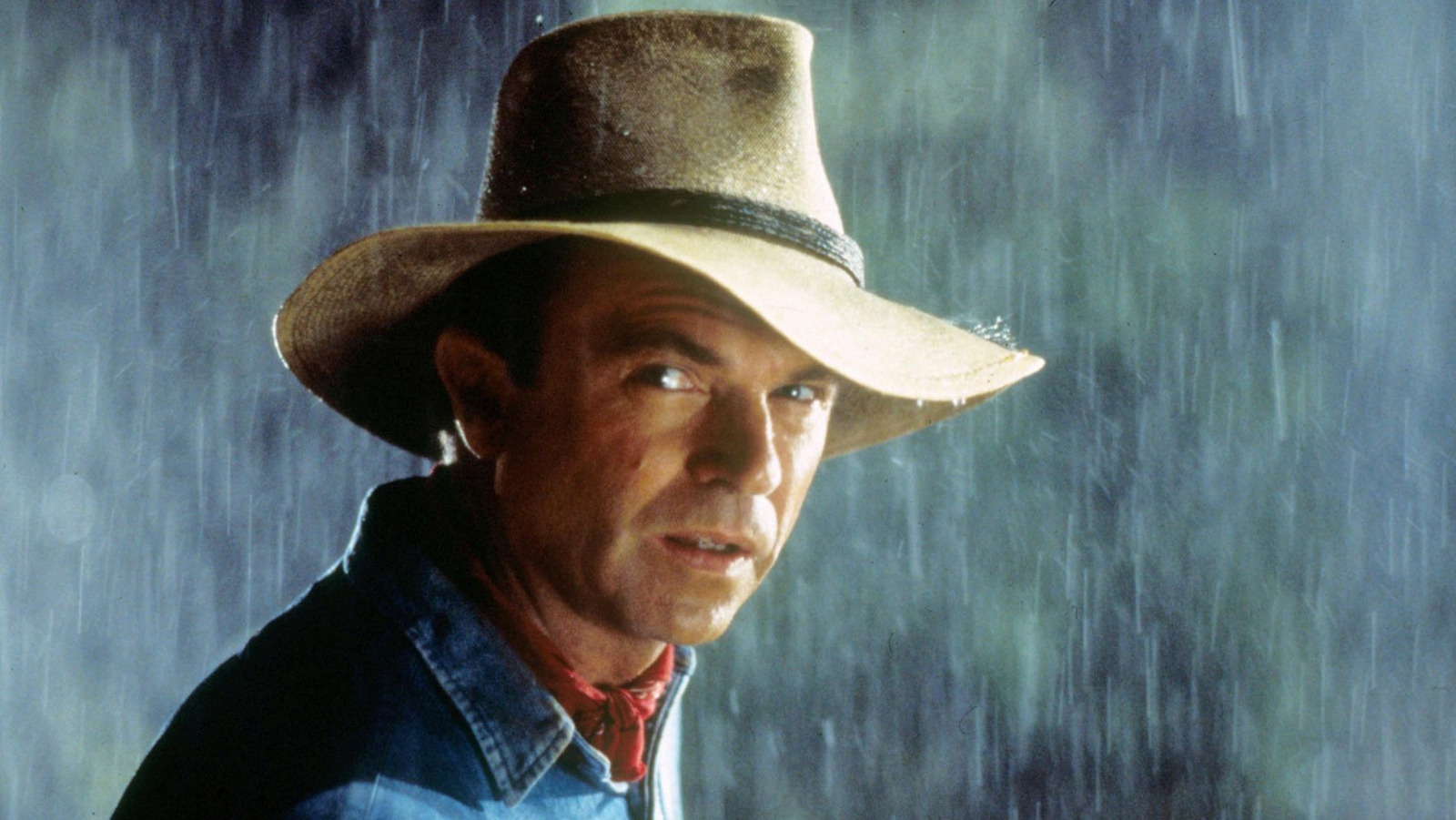
The 1990s cemented Neill as a household name. He began the decade with a high-profile turn in the Cold War thriller The Hunt for Red October (1990), holding his own against industry veterans Sean Connery and Alec Baldwin. However, it was 1993 that changed the trajectory of his career forever. After being tapped for the role of Dr. Alan Grant in Steven Spielberg’s Jurassic Park—a role originally considered for Harrison Ford—Neill became the face of one of the most successful franchises in movie history.
His portrayal of the grumpy but inherently noble paleontologist, tasked with protecting two children amidst a prehistoric nightmare, made him an icon of 90s pop culture. That same year, he showcased his range in Jane Campion’s Oscar-winning drama The Piano, demonstrating an ability to pivot seamlessly from blockbuster spectacle to nuanced, character-driven storytelling.
The Later Years and Genre Versatility
As he moved into the 2000s and beyond, Neill refused to be pigeonholed. He became a staple of the horror genre, appearing in cult favorites like John Carpenter’s In the Mouth of Madness (1994) and the sci-fi horror Event Horizon (1997). His television work was equally impressive, notably his menacing, layered portrayal of Major Chester Campbell in the hit BBC series Peaky Blinders.
Even in his later years, he remained active, finding a new audience in the Marvel Cinematic Universe through his cameo appearances in Thor: Ragnarok and Thor: Love and Thunder.
Supporting Data: A Legacy of Collaboration
Beyond his filmography, Neill was a man of diverse passions. He was the proprietor of Two Paddocks, a winery that reflected his deep connection to his home in New Zealand. He also proved himself an eloquent writer with his 2023 memoir, Did I Ever Tell You This?, a book that offered a candid look at his life, his diagnosis, and his philosophy on the industry.
In his memoir, Neill shared his thoughts on the collaborative nature of filmmaking, stating: "If I’ve made a film that turns out to be good, that’s a good result. If I’ve made a film that’s good and made a couple of friends, that’s a great result. If I’ve made a film that’s no good, but I made a friend, that’s still another great result."
This sentiment highlights why he was so beloved by his peers. Whether he was working on a small independent production or a massive tentpole film, Neill was known for his "sturdy, dependable grace" and a wry sense of humor that disarmed both his co-stars and the public.
Official Responses and Industry Impact
The outpouring of grief from the film community has been instantaneous. Colleagues from across his five-decade career have taken to social media and public platforms to honor his memory.
The industry’s reaction is a testament to the respect he commanded. Beyond his accolades, he is remembered as a professional who brought gravitas to every project he touched. His commitment to the craft remained steadfast even through his health challenges; he managed to complete work on two upcoming films, Godzilla x Kong: Supernova and The Last Resort, ensuring that audiences will have one final opportunity to see his work on the silver screen posthumously.
Implications: The End of an Era
The death of Sam Neill leaves a palpable void in the landscape of cinema. He represented a breed of actor increasingly rare in the modern era—a performer who could anchor a billion-dollar blockbuster one week and carry a cerebral, character-driven indie the next, all while maintaining a relatable, grounded public persona.
His passing is not just the loss of a famous actor, but the loss of a storyteller who bridged the gap between the golden age of 20th-century cinema and the modern streaming era. He was a constant in a changing industry, a reliable force of nature whose presence on screen was often a guarantee of quality.
As the industry reflects on his life, it is clear that Neill’s influence will persist. Through his extensive catalog of films, his memoir, and his contributions to the world of viticulture, he leaves behind a legacy that is as rich as the life he led. For those who grew up watching him survive the horrors of Isla Nublar or navigate the treacherous streets of Birmingham in Peaky Blinders, the loss feels personal. Sam Neill may have left the stage, but his work remains a permanent fixture of our cultural heritage, waiting to be rediscovered by future generations.










