Nila Kartika Wati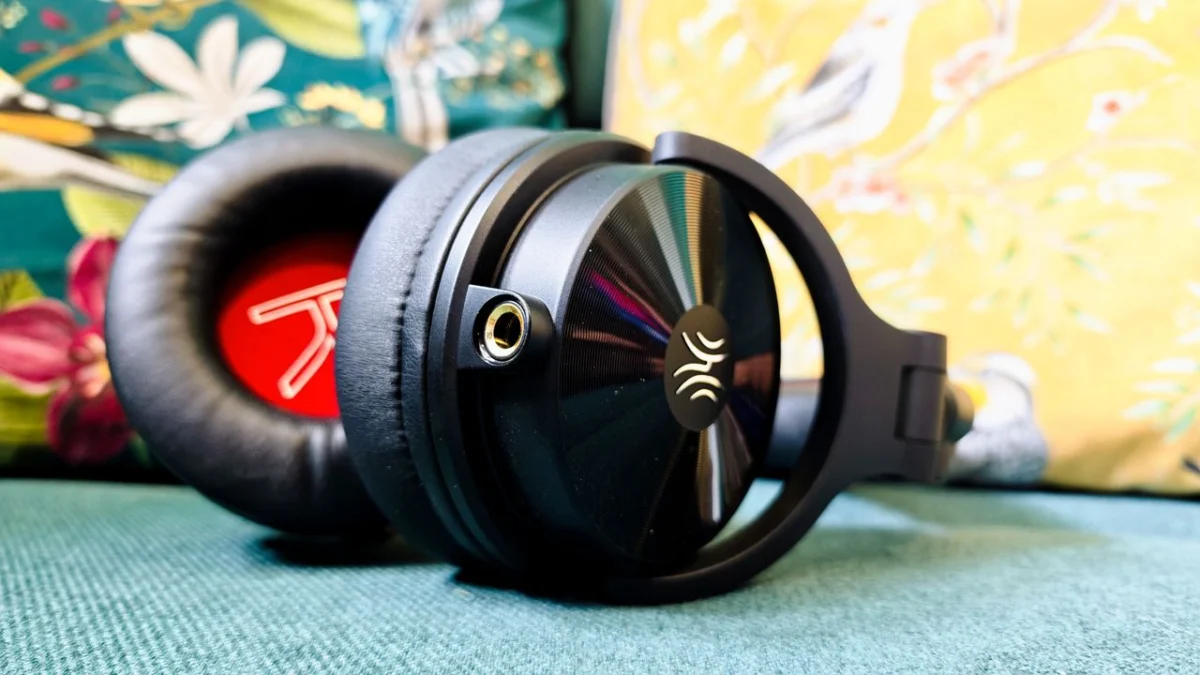
The audio gear landscape is currently saturated with sleek, minimalist designs aimed at the casual commuter. Amidst this sea of muted aesthetics, the OneOdio Studio Max 2 arrives with the swagger of a headline act and the marketing bombast of a Hollywood blockbuster. Promising "industry-shattering 0.009s latency" and "45mm high-flux drivers" fine-tuned in collaboration with KSHMR, these headphones are clearly aiming for the professional booth rather than the coffee shop. But in an industry where precision is king, does this maximalist approach deliver the goods?
Main Facts: The Arrival of the Studio Max 2
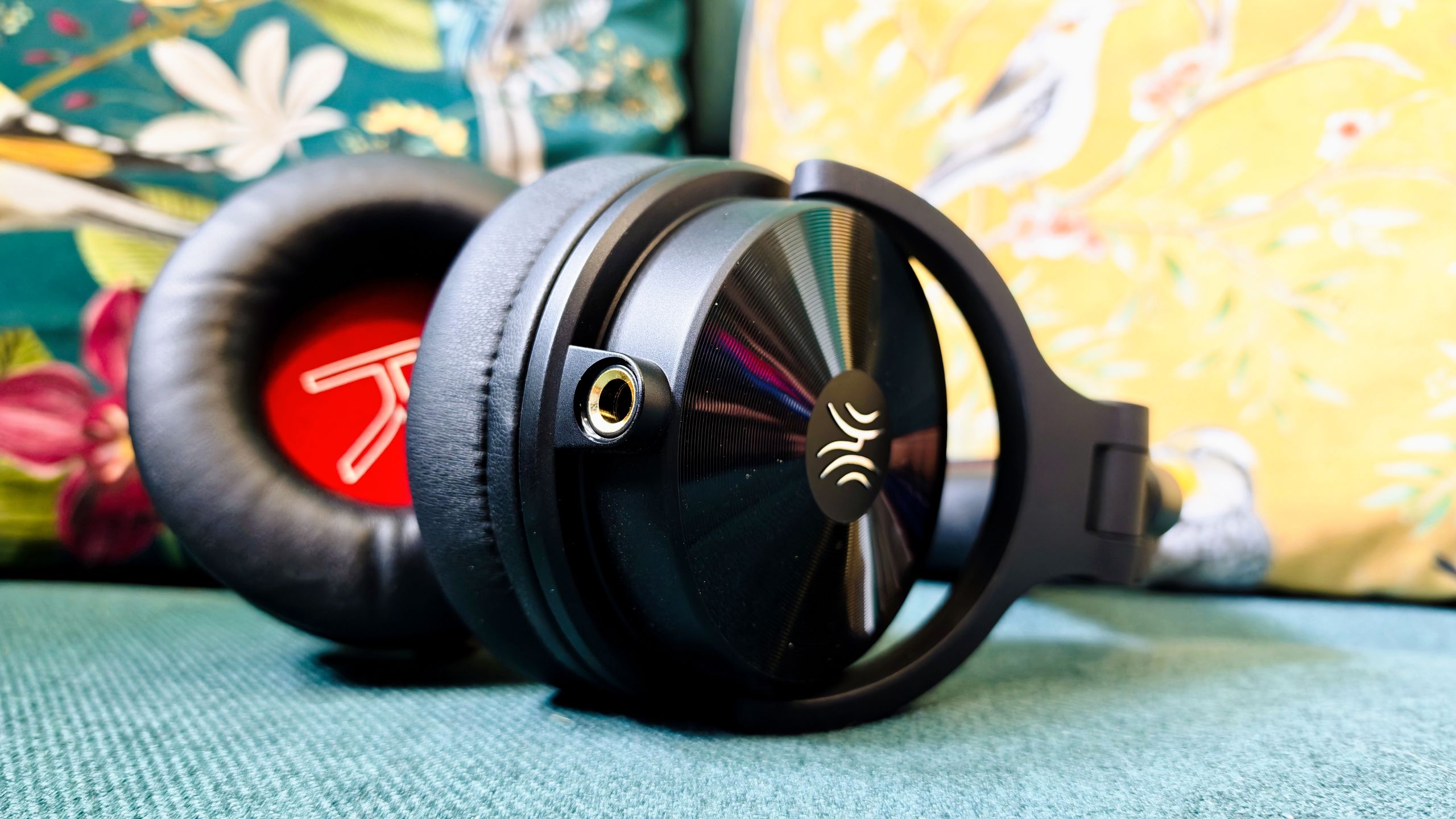
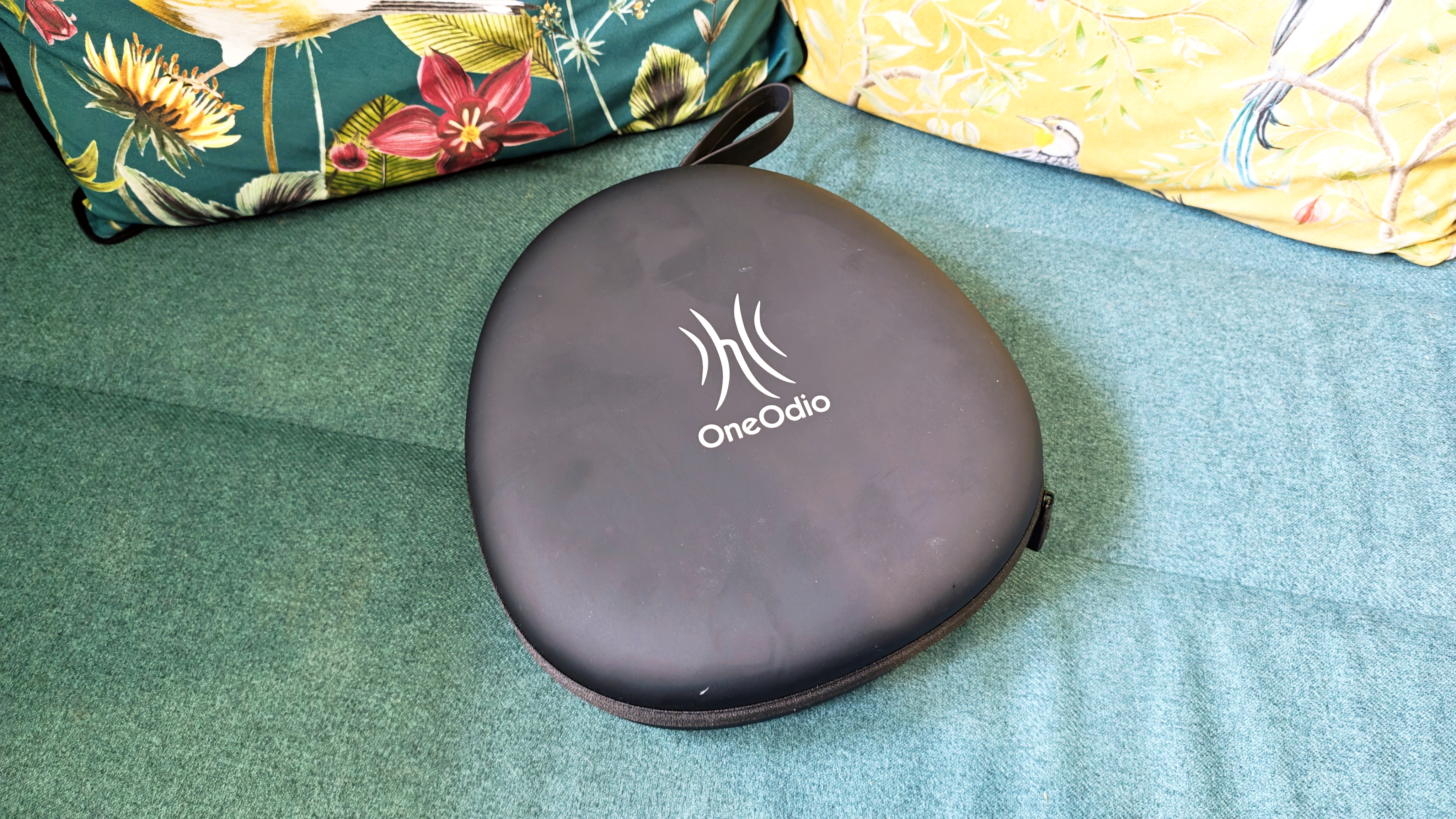
The OneOdio Studio Max 2 are, above all, an exercise in scale. From the enormous EVA hard case—which feels rugged enough to survive a tactical deployment—to the chunky, swiveling earcups, the design philosophy is one of function over subtlety.
Key specifications include:
- Drivers: 45mm high-flux drivers (KSHMR tuned).
- Connectivity: Bluetooth with ultra-low latency (0.009s).
- Battery Life: A staggering 120 hours in standard Bluetooth mode.
- Fast Charging: 5 minutes of charge for 9 hours of playback.
- Build: Professional-grade swivel hinges and dense, comfortable padding.
- Pricing: $189.99 (Standard) / $209.99 (KSHMR Edition).
These headphones are designed for the modern creator who needs versatility. Whether you are mixing tracks, monitoring a live stream, or simply switching between multiple devices in a complex studio workflow, the Studio Max 2 attempts to bridge the gap between high-fidelity studio performance and the convenience of wireless technology.
Chronology: Two Weeks in the Field
To understand how these headphones perform in the wild, I subjected them to a rigorous two-week testing period. My testing environment spanned the quiet focus of my home office, the dynamic acoustic challenges of various filming sets, and the ambient noise of a typical walk through Cardiff.
Initial Impressions (Day 1-3): Upon unboxing, the sheer size of the product is impossible to ignore. The "vinyl-record" aesthetic on the earcups provides a nice touch of DJ culture nostalgia. However, the weight and the "big" feel of the chassis suggested that comfort might be a concern for long-haul sessions.
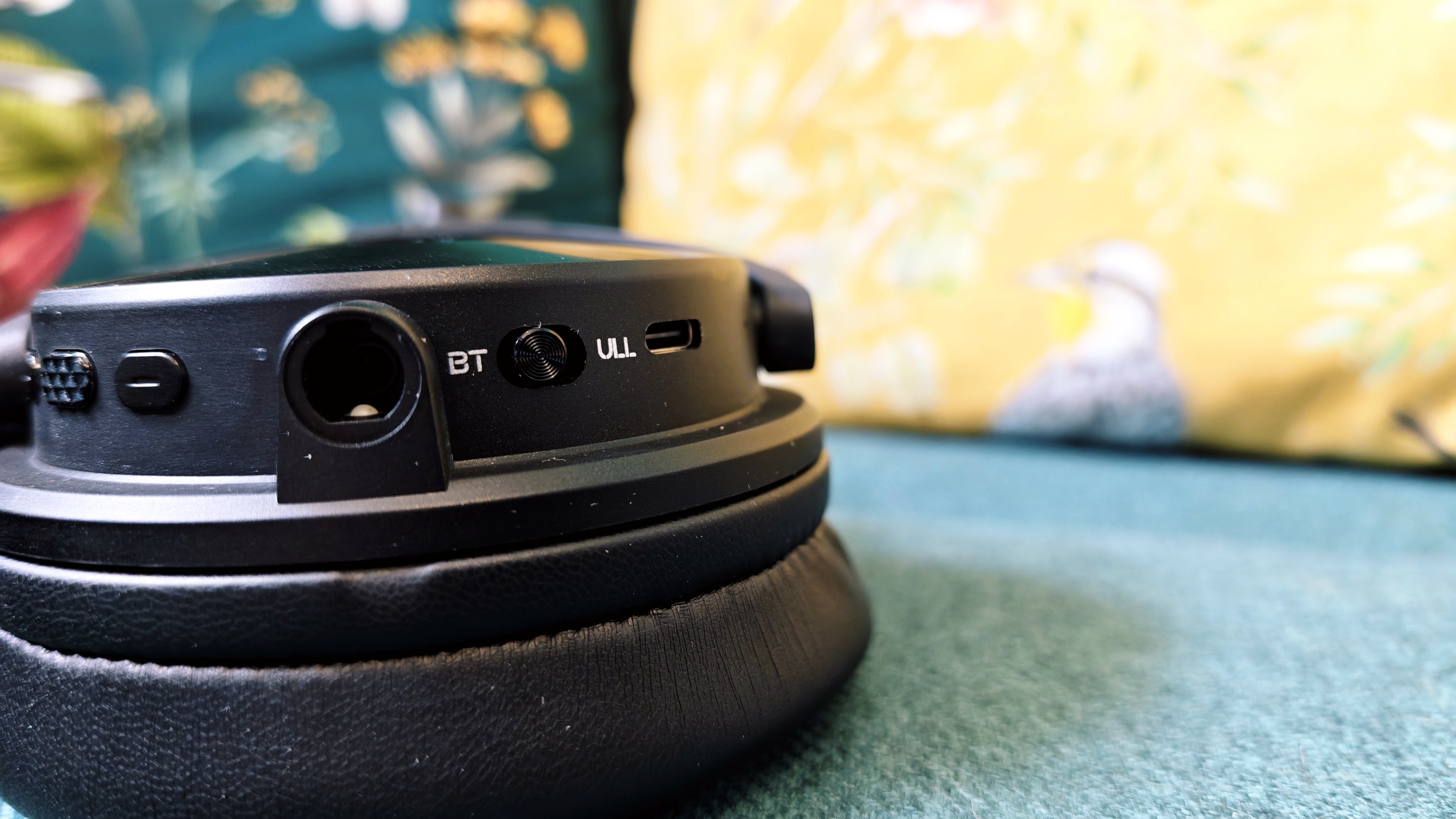
Operational Testing (Day 4-10): This is where the product began to show its true colors. The low-latency performance is not just a marketing gimmick; it is legitimately impressive. Monitoring live audio with these cans felt snappy and immediate. The ability to switch between a wired connection for critical listening and a wireless setup for casual usage was seamless—a major win for multi-tasking creators.
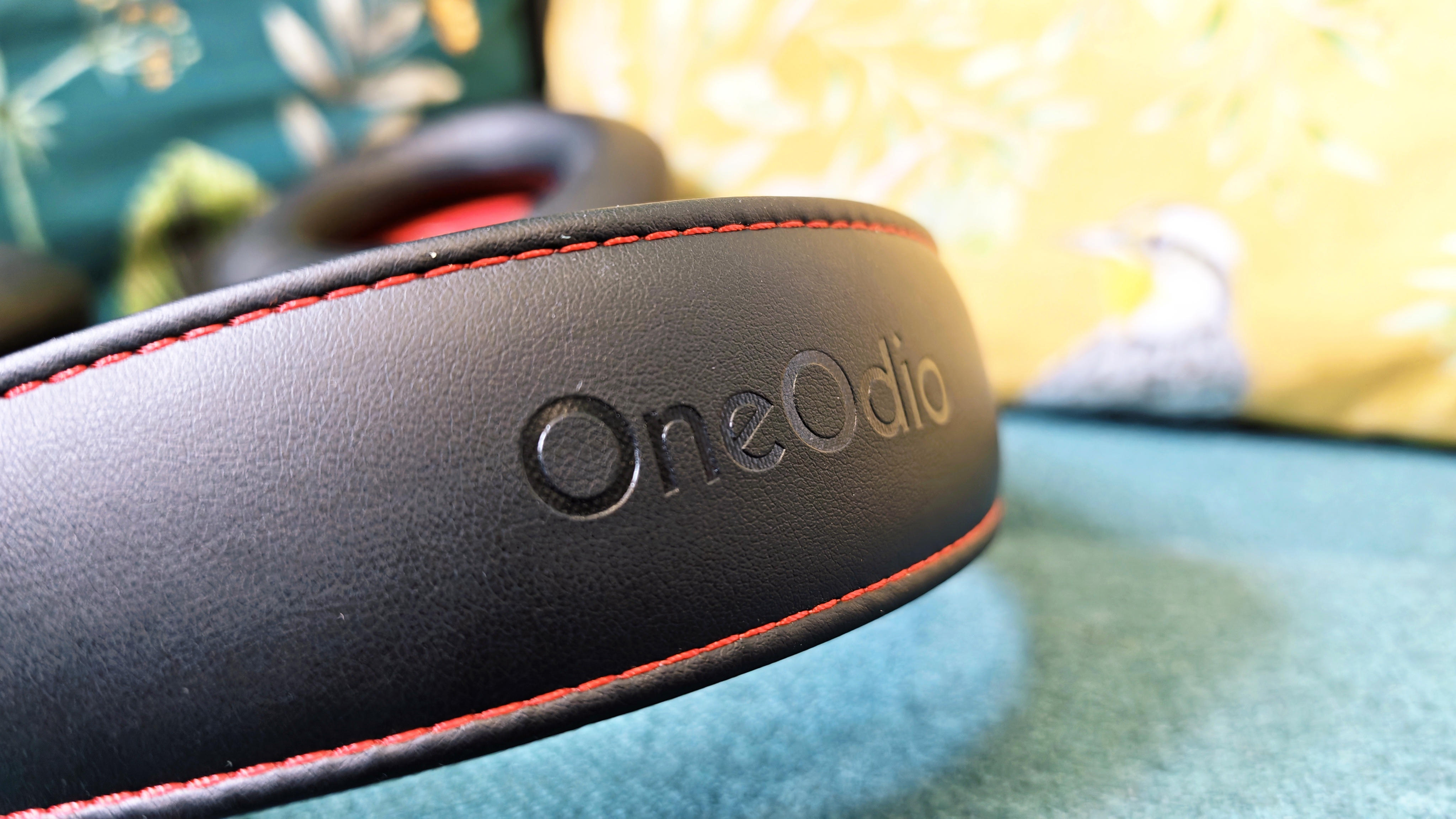
Long-term Comfort and Endurance (Day 11-14): After extended periods of wear, the "dense cushion" design mentioned in the marketing began to manifest as heat. While the clamping force is perfectly calibrated—secure enough for the booth, loose enough to avoid headaches—the lack of breathability in the materials means your ears will likely feel the warmth after about two hours of continuous use.
Supporting Data: Performance vs. Expectation
The Studio Max 2 occupies a difficult middle ground in the market. At roughly $190, they compete with established heavyweights that prioritize clinical accuracy.
The Sound Signature
The collaboration with KSHMR is evident in the sound profile. The tuning is unapologetically energetic. The bass is weighty, providing a rhythmic foundation that is excellent for electronic music and live DJ monitoring. The mids are pushed forward, ensuring that vocals and lead instruments remain intelligible even in noisy environments. However, for those seeking the analytical clarity of the OneOdio Monitor 60, the Max 2 may come up short. When deconstructing complex arrangements, the Max 2 struggles to separate micro-textures, leading to a slightly "congested" soundstage compared to higher-end reference gear.
Battery Life: A New Benchmark
The 120-hour battery life claim is perhaps the most impressive technical feat of this unit. In my testing, which involved a mix of high-fidelity wireless streaming and low-latency performance modes, the battery barely registered a decline. The quick-charge feature—offering 9 hours of playback from a 5-minute charge—is a genuine game-changer for professionals who often forget to plug in their gear until five minutes before a gig.
Official Perspectives and Market Positioning
OneOdio has positioned these as professional tools. By focusing on "industry-shattering" latency and robust build quality, the company is explicitly targeting the gigging DJ and the home-studio producer.
Compared to the previous Studio Max 1, the trajectory of the series is clear: OneOdio is moving away from purely budget-friendly consumer audio and toward the "prosumer" market. However, by leaning into this segment, they invite comparisons to brands like Sennheiser, Beyerdynamic, and Audio-Technica.
While the Studio Max 2 is undoubtedly a leap forward in terms of wireless functionality and battery endurance, it lacks the "audiophile refinement" that critics praised in the original Studio Max 1. The trade-off here is clear: you are paying for the advanced Bluetooth architecture and the massive battery, rather than for a neutral, flat frequency response.
Implications: Who are these for?
The implications for the creative community are twofold. First, the Studio Max 2 represents a shift toward "function-first" hardware. If your primary goal is to have a set of headphones that can survive being thrown in a backpack, provide a rock-solid wireless connection for a video call, and handle a late-night DJ set without needing a power outlet for a week, these are arguably the best in their class.
However, if your primary goal is mixing and mastering—where you need to hear the exact frequency decay of a snare drum or the subtle airiness of a vocal take—you will find the Studio Max 2 wanting. The "flair" of the design—the oversized look and the bold branding—suggests a brand that knows its audience is younger, more energetic, and more mobile than the traditional studio engineer.
Buy it if:
- You are a DJ who needs reliable, low-latency wireless monitoring.
- You value battery life above almost every other feature.
- You work across multiple devices and need a seamless, "no-fuss" workflow.
- You prefer a bass-forward, energetic sound signature.
Don’t buy it if:
- You are looking for a flat, analytical response for professional mixing and mastering.
- You have sensitive ears that require highly breathable, open-back designs.
- You prioritize subtle, nuanced soundstage separation over raw, punchy energy.
Final Verdict
The OneOdio Studio Max 2 is a confident, feature-rich, and undeniably bold product. It doesn’t pretend to be an audiophile masterpiece; instead, it leans into the identity of a workhorse. While it fails to capture the sonic finesse of its predecessors or the clinical detail of dedicated studio monitors, it succeeds where it matters most for the modern, on-the-go creator: reliability, versatility, and sheer stamina.
In a market crowded with "commodity" headphones that offer little more than basic Bluetooth connectivity, the Studio Max 2 stands out by offering actual utility. They are a solid, if slightly unspectacular, option for those who value the functionality of a professional tool and the flair of a modern aesthetic over the cold, precise neutrality of traditional studio gear. They are, in essence, the perfect headphones for the producer who lives in the real world, not the recording booth.


 Asro
Asro
 Sagoh
Sagoh