Asep Darmawan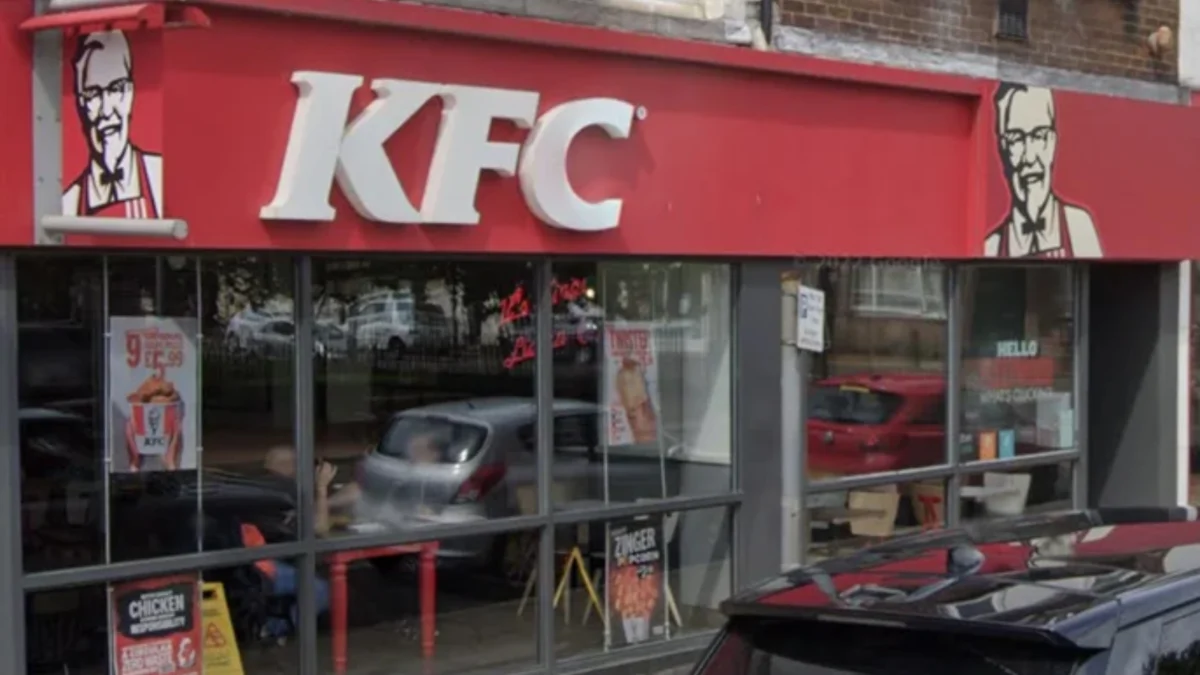
In a move that has captured both the attention of the public and the curiosity of local officials, the animal rights organization People for the Ethical Treatment of Animals (PETA) has unveiled an ambitious proposal: to convert a vacant former KFC restaurant in Fleetwood, Lancashire, into the world’s first "Chicken Empathy Museum."
The project, which seeks to flip the narrative on a site formerly dedicated to the consumption of poultry, aims to replace fryers and order counters with exhibits highlighting the intelligence, social complexity, and emotional depth of chickens. While the proposal has been praised by some for its innovative approach to repurposing derelict high-street infrastructure, it has already encountered significant administrative hurdles.
The Proposal: A Paradigm Shift for Lord Street
The property in question, located on Lord Street in Fleetwood, encompasses approximately 2,126 square feet. Once a bustling hub that could accommodate up to 62 diners, the site has remained vacant for some time, serving as a stark reminder of the shifting landscape of the UK’s high streets.
PETA’s vision for the space is comprehensive. According to the organization’s leadership, the museum would serve as an educational facility designed to challenge the public’s perception of chickens, which are often viewed solely as food commodities. Exhibits would reportedly explore the natural behaviors of these birds, their sophisticated communication methods, and the bonds they form with their offspring and peers.
Beyond educational displays, the museum would function as a hub for vegan advocacy. Plans include the serving of plant-based chicken alternatives, alongside more sobering, provocative exhibits—such as replicas of slaughterhouse equipment like kill cones and shackles—intended to confront visitors with the reality of industrial farming practices. The site would also serve as a permanent home for PETA’s long-standing mascot, a character the organization has previously attempted to bring to the mainstream via gaming partnerships.
Chronology of the Campaign
The path to the proposed museum has been marked by a series of strategic maneuvers and unexpected roadblocks:
- Initial Identification: PETA identified the abandoned Fleetwood site as an ideal location for its project, citing the irony of the building’s history as a former fried-chicken establishment as a powerful vehicle for its message.
- The Outreach: PETA initiated contact with Landwood Property Auctions, the firm previously associated with the sale of the building, requesting that the property owner either donate or lease the building to the organization for charitable and educational purposes.
- The Administrative Snag: The request was met with a reality check. Landwood informed PETA that the property had been sold in the summer of the previous year. Consequently, the organization was directed to the UK Land Registry to track down the current private owner, a process that remains ongoing.
- Public and Local Reception: Following the public announcement of the plan, the story gained traction in local and national media, prompting responses from community leaders and residents regarding the future of the Lord Street site.
Supporting Data: The State of the UK High Street
The interest in the Lord Street property highlights a broader economic trend across the United Kingdom. Data from the Local Data Company and the British Retail Consortium have consistently shown a rise in long-term vacancies in town centers. As consumer habits shift toward online shopping and delivery-only services, the "fast-food footprint" in regional towns is being significantly altered.

PETA’s proposal enters a landscape where local councils are increasingly desperate for "meanwhile use" strategies—temporary or permanent repurposing of vacant retail units to prevent urban decay. The 2,126-square-foot footprint of the former KFC is representative of the "mid-sized" retail units that many UK towns are struggling to fill. By positioning their museum as a destination attraction, PETA argues that they could drive foot traffic back to the local economy, albeit through a non-traditional commercial model.
Official Responses and Stakeholder Perspectives
The reception to the "Chicken Empathy Museum" has been varied, oscillating between amusement and genuine consideration of its community benefits.
The PETA Perspective
Dawn Carr, Vice President of Vegan Projects at PETA, has been the primary spokesperson for the initiative. "PETA would be delighted to help transform a place once linked to suffering into one that inspires compassion," Carr stated. "What better use for a former fried-chicken restaurant than a place dedicated to understanding—and respecting—the birds who have long paid the ultimate price for fast food?"
Local Governance
Local councillor Mary Belshaw has offered a pragmatic, if somewhat unexpected, endorsement of the project. Speaking to the BBC, Belshaw described the proposal as "a novel idea." She noted, "I would rather have a chicken empathy museum than another large empty property on our high street. Who knows? It could become a huge attraction for the town." Her comments reflect a growing sentiment among local officials that any active use for a vacant property is preferable to continued blight.
The Property Sector
Landwood Property Auctions, while professional in their response, effectively distanced themselves from the PETA pitch by clarifying the ownership status. This highlights a common hurdle for activist groups: the transition of commercial properties through various holding companies and private equity owners makes direct negotiation for "social-good" leases exceptionally difficult.
Implications: The Intersection of Activism and Urban Planning
The Fleetwood proposal is the latest in a series of unconventional campaigns by PETA. The organization has established a pattern of attempting to insert its messaging into pop culture and urban spaces. Previous attempts include:
- Gaming Advocacy: PETA has famously pressured Nintendo to remove cow nose rings from Mario Kart and proposed a "vegan guide" for the creature-collecting game Palworld.
- Cultural Pressure: The organization’s public demand that Sean Evans, host of the viral web series Hot Ones, switch to vegan wings was a calculated effort to influence mainstream digital media.
The "Chicken Empathy Museum" represents a pivot toward physical, location-based advocacy. If successful, it could set a precedent for "ideological repurposing"—the phenomenon where mission-driven organizations purchase or lease former corporate properties to act as permanent counter-narratives to the previous tenant.

The Challenge of "Graphic" Advocacy
One of the primary implications of this project is the potential for public friction. While the museum aims to teach "empathy," the inclusion of slaughterhouse equipment—such as shackles—is designed to be visceral. This raises questions about local zoning and the psychological impact of such displays on a high-street environment. Unlike a traditional museum, which often seeks to provide a neutral educational experience, the Chicken Empathy Museum is explicitly designed to be a site of advocacy.
Economic Viability
From a sustainability standpoint, the museum must contend with the costs of maintenance, heating, and business rates for a 2,000-square-foot unit. PETA, as a large and well-funded organization, is likely capable of subsidizing the space, but the long-term viability of the project will depend on public engagement. Can a "museum" of this nature sustain the curiosity of the local population, or will it remain a niche destination for activists?
Conclusion: A Waiting Game
As of this writing, PETA’s proposal remains in the "aspirational" phase. The organization must first successfully navigate the bureaucracy of the UK Land Registry to identify the current owner of the Fleetwood site, and then convince that owner to move away from a traditional commercial lease toward a social-impact partnership.
The proposal serves as a fascinating case study in how modern social movements are moving beyond the picket line to engage with the built environment. Whether the "Chicken Empathy Museum" becomes a reality or remains a footnote in the history of creative campaigning, it has already succeeded in doing what PETA intended: it has forced a conversation about the origins of our food and the future of the spaces we inhabit.
For the residents of Fleetwood, the building on Lord Street remains, for the moment, a silent storefront. Whether it remains a monument to the fast-food era or is reborn as a site for animal advocacy depends on the outcome of the property search—a process that will likely be watched closely by urban planners and animal rights activists alike.


 Ammar Sabilarrohman
 Lina Irawan