In the ever-evolving landscape of modern sequential art, few creators have managed to bridge the gap between traditional graphic novel publishing and the high-octane, digital-first world of Webtoon quite like Walter Ostlie. A versatile writer and artist known for his distinctively stylized approach, Ostlie has spent over a decade navigating the industry’s shift from print to pixel, ultimately carving out a career as a full-time, independent comic creator.
His journey, marked by successful Kickstarter campaigns, editorial accolades, and a deep commitment to the technical craft of storytelling, offers a blueprint for contemporary artists looking to sustain a career in an increasingly competitive marketplace.
A Chronology of a Creator: From Self-Taught to Professional
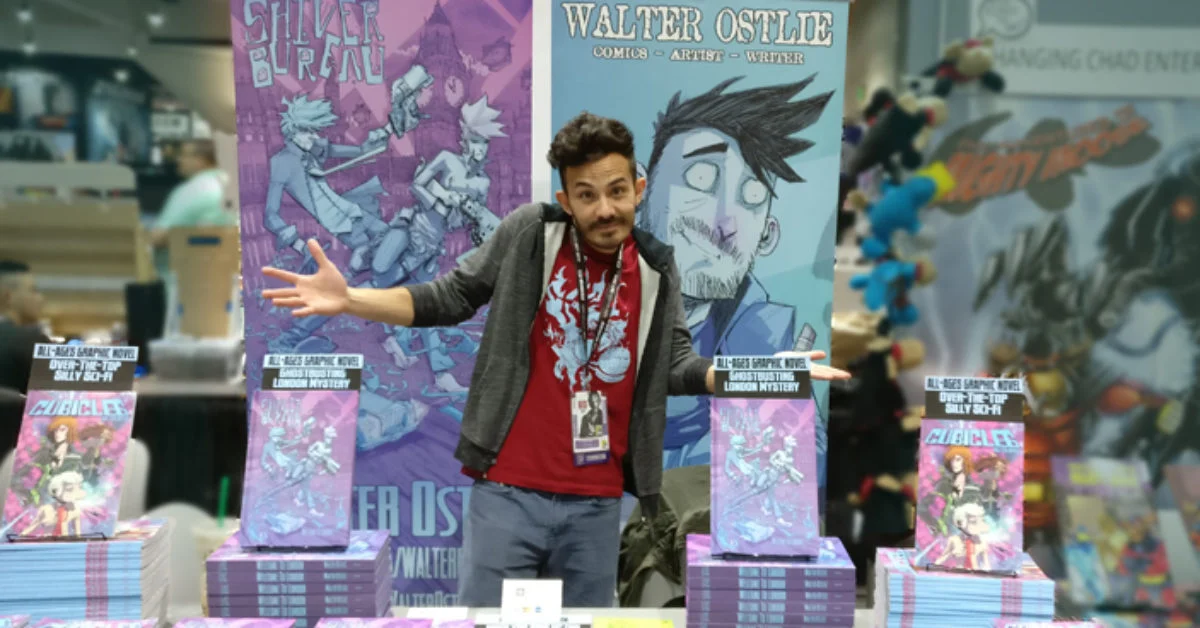
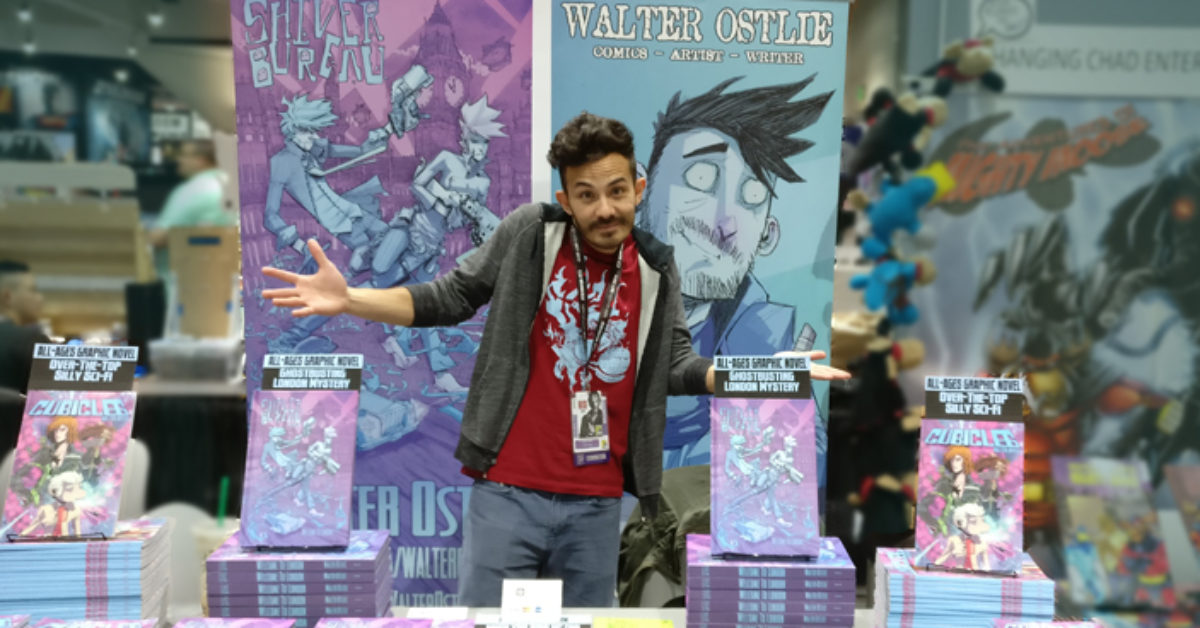
Walter Ostlie’s professional trajectory is a testament to persistence and the power of self-education. While many in the industry follow the traditional path of art school and editorial scouting, Ostlie began his journey in 2008 as a self-taught creator. His entry into the market was marked by his first graphic novel, Cubicles, published in 2011 by Red5 Comics.
The modest success of Cubicles served as the foundation for his sophomore project, Shiver Bureau. Recognizing the potential of direct-to-fan funding, Ostlie turned to Kickstarter, raising over $13,000 to bring his vision to life. This project was not only a personal milestone but a commercial one; its quality and narrative depth caught the attention of the editorial staff at Webtoon, the global leader in the vertical-scroll digital comic format.
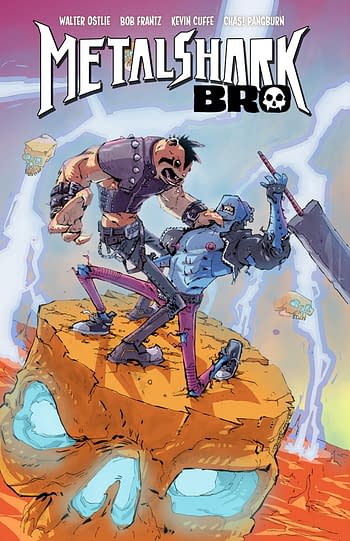
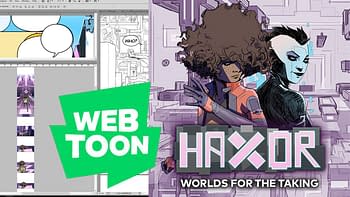
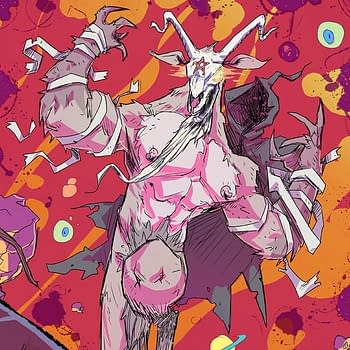
This collaboration led to the creation of Haxor, a featured Webtoon original. The transition to Webtoon was a turning point for Ostlie, allowing him to leave his traditional "9-to-5" day job behind to pursue comic creation as a full-time, self-employed profession. Since then, he has continued his creative momentum, most notably with the wildly successful Metalshark Bro, a bizarre and beloved saga about a shark-man battling demons, which raised over $50,000 on Kickstarter.
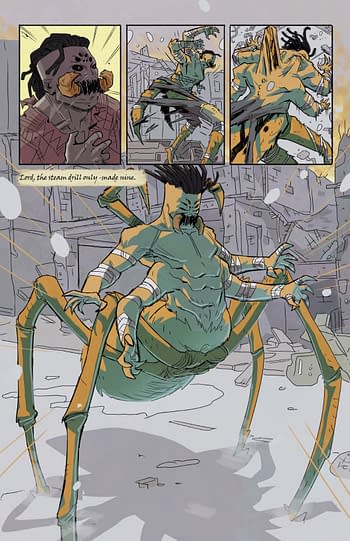
Beyond his solo projects, Ostlie has become a sought-after collaborator, most famously providing the artwork for Greg Anderson Elysee’s award-winning series, Is’nana: The Were-Spider.
The Economics of Modern Comics: Webtoon and Beyond
For those unfamiliar with the current state of digital publishing, Ostlie explains that Webtoon functions less like a traditional comic publisher and more like a high-powered media platform. "Webtoon is webcomics, but to the power of a million," Ostlie notes. "It’s like YouTube for comics. Anyone can post, but their ‘Originals’ are professionally funded, providing creators with a stable fee while they retain their intellectual property rights."
This structure, according to Ostlie, is a "serious game-changer" when compared to the traditional, often volatile US comic book model. The financial stability provided by his Haxor contract allowed him to take the "plunge" into full-time freelancing—a move that has sustained him for three years as of late 2020.
The Technical Demands of the Vertical Scroll
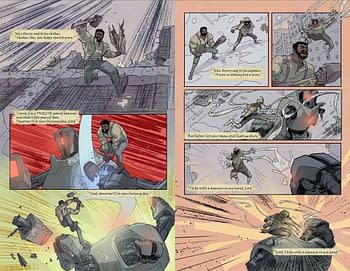
The transition from traditional page-based layouts to the infinite vertical canvas of Webtoon requires a significant shift in storytelling technique. Ostlie describes it as "reprogramming everything I know." Because the reader scrolls through the content, the pacing changes entirely. Wide establishing shots and traditional splash pages lose their impact, replaced by a focus on panel-to-panel flow. Ostlie highlights the freedom this offers: "I could use ten panels of the same face, slowly changing the expression from confusion to horror. It allows for so much more character building."
The Daily Grind: Discipline in the Creative Process
Maintaining a successful career in comics is often less about "artistic inspiration" and more about disciplined, repetitive labor. Ostlie maintains a rigorous schedule that would intimidate most traditional workers. Working six days a week, he begins his day at 7:00 AM, focusing on drawing from 8:00 AM until late afternoon.
"I don’t feel like I have a choice; it’s just what I do," Ostlie reflects on his motivation. "It’s like breathing. Not in some artistically meaningful way, but just an everyday, mundane part of what I am."
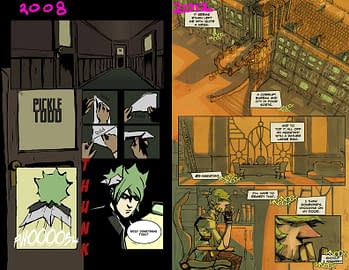
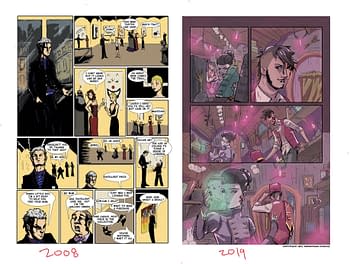
This pragmatism extends to his artistic style. Ostlie acknowledges that while his style has evolved, the primary catalyst for his current look is speed. To survive as a creator, he had to find ways to streamline his process, simplifying his art to ensure he could meet deadlines while still delivering high-quality work. He views each project as an "obstacle course," noting that one cannot complete a 100-page comic without becoming more proficient in everything from anatomy and architecture to lighting and composition.
Collaboration: The Art of the Shared Vision
One of the most complex aspects of Ostlie’s career is his work as a collaborator. When asked how he maintains his "Walter" aesthetic while working on scripts by others, he emphasizes the importance of trust and open communication.
"The most simplistic way to put it is: let’s say there’s a script, and it reads, ‘there’s a box.’ If I wrote that, I know the texture, the room it’s in, and the lighting. If someone else wrote it, I don’t know jack squat. Working through that makes me see things in a different light."
Ostlie believes the most successful collaborations occur when both the writer and the artist are comfortable with honest, sometimes difficult feedback. He stresses that writers should actively encourage a dialogue where an artist can point out when a scene isn’t working, and vice versa.
Implications for Aspiring Creators
Ostlie’s success has not been kept behind closed doors. He has dedicated a significant amount of his time to running a YouTube channel, where he provides educational content on the technical side of making comics. With thousands of subscribers, the channel serves as a resource for those overwhelmed by the complexities of the industry.
"People are overwhelmed by the technical stuff," Ostlie says. "I wanted to approach the technical and more mundane aspects to take away that stress, so people could focus on their stories."
For the next generation of creators, Ostlie’s career offers several critical takeaways:
- Diversify Platforms: Relying on a single distribution model is risky. Ostlie balances creator-owned Kickstarter projects with the stability of Webtoon Originals.
- Master the Craft, Not Just the Art: Success is found at the intersection of artistic skill and technical efficiency. Understanding the business, the logistics of production, and the nuances of different digital formats is just as important as drawing ability.
- Community Building: Whether through YouTube or social media, connecting with an audience and providing value—beyond just the final product—is essential for sustaining a long-term career.
Future Outlook
While Ostlie remains tight-lipped about his next major project, citing a new contract that will keep him occupied well into 2021, he continues to leave the door open for future creative endeavors. Whether he returns to the world of Shiver Bureau or embarks on an entirely new, high-concept project, one thing is certain: Walter Ostlie has cemented his place as a powerhouse of the modern independent comic scene.
As he continues to push the boundaries of what is possible within the digital medium, his work serves as an inspiration for any artist who believes that with enough discipline and the right tools, a dream of making comics can indeed become a sustainable reality. For those looking to support his journey or learn from his methods, his portal at Walterostlie.com remains the central hub for all his current and future ventures.