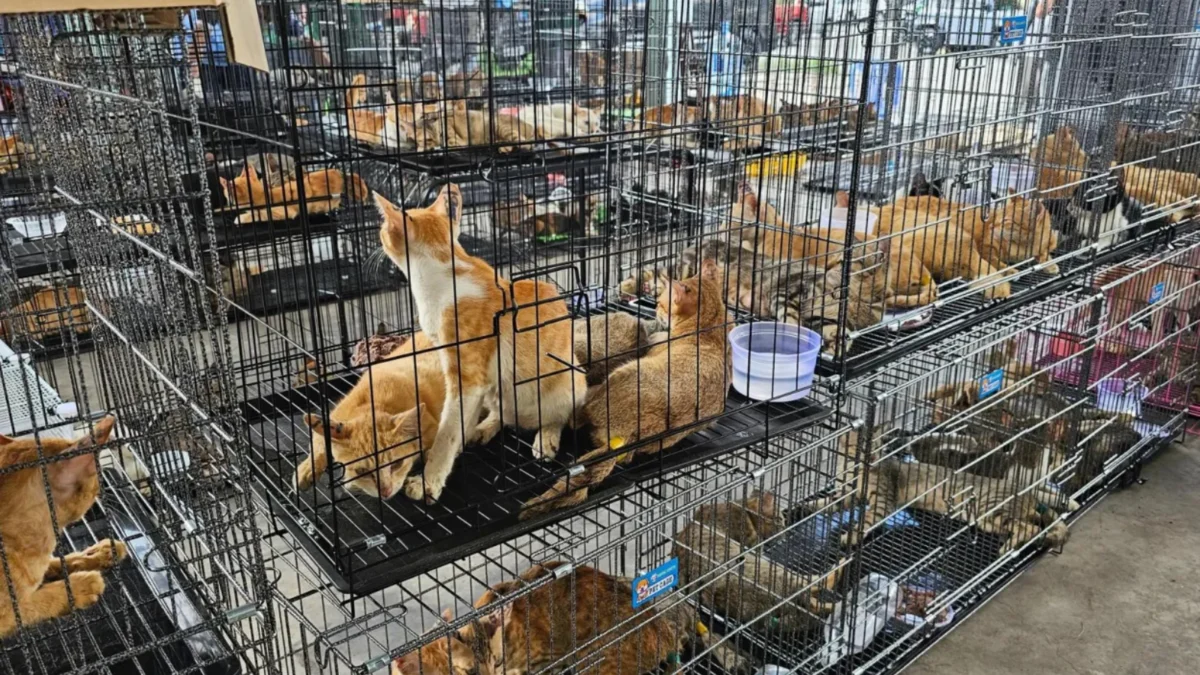
In a massive operation that has sent shockwaves through Vietnam, authorities in Ho Chi Minh City have dismantled a sophisticated criminal syndicate responsible for the systematic theft and trafficking of hundreds of domestic cats. The raid, which represents one of the largest interventions against the cat meat trade in the nation’s history, has resulted in the rescue of over 400 live animals and the arrest of nine suspects, marking a significant victory for animal welfare advocates.
While the operation brought immense relief to dozens of grieving pet owners, it also cast a stark light on the brutal reality of an underground industry that continues to thrive in the shadows, fueled by persistent demand and organized criminal activity.
The Anatomy of the Operation: Facts and Figures
The crackdown, led by Ho Chi Minh City police, was the culmination of a months-long investigation into a network that had allegedly been operating for approximately three years. According to official reports, the syndicate functioned as a highly organized pipeline: suspects would lure and trap cats—many of them beloved family pets—from neighborhoods across southern Vietnam, transport them to holding facilities, and ultimately supply them to the meat trade.
The scale of the operation was staggering. During the raid, police recovered:
- 400+ live cats: These animals were found in cramped, unsanitary conditions, awaiting slaughter.
- 80 deceased cats: These animals were discovered preserved on ice, having already succumbed to the conditions of their captivity.
- 21 additional cats: Seized from a secondary, separate facility, indicating that the network was far more expansive than initially thought.
Investigations suggest the syndicate was selling these animals for approximately 70,000 Vietnamese dong per kilogram. Transactions occurred with chilling regularity, often every two to three days, demonstrating a constant and aggressive turnover of stolen animals.
Chronology of the Crisis: From Theft to Discovery
The story of this criminal ring is one of heartbreak and persistent vigilance. For years, residents in Ho Chi Minh City and surrounding provinces reported a sudden, unexplained disappearance of neighborhood cats. Local social media forums were flooded with "missing pet" posters, yet for a long time, there was no connection made between the individual thefts and a centralized trafficking operation.
The breakthrough occurred as police surveillance intensified, tracking the movement of illicit goods across the southern region. When the final raid was executed, the news spread rapidly across digital platforms, prompting a surge of desperate pet owners to descend upon police headquarters.

The Aftermath
In the days following the raid, the scene at the police station was one of raw emotion. Scores of citizens arrived, holding photographs of their missing companions, hoping against hope to find them among the rescued. For some, like Quach Thi Lan Anh, the outcome was miraculous.
"I was truly surprised. I never imagined I would find both of my cats at the same time," Lan Anh stated, clutching her recovered pets. "I would like to thank the Ho Chi Minh City police for giving me the chance to see them again."
However, the reality for many others remained bleak. For every success story, there were dozens of owners who left empty-handed. Tuan Minh, who had spent two agonizing weeks searching for his missing British Shorthair, remained without answers. "I have been very upset since my cat went missing," he remarked. "I just hope it was rescued somewhere and is still alive."
The Human and Animal Toll: Supporting Data
While the raid successfully liberated hundreds of lives, the trauma inflicted upon the animals has proven fatal for many. According to Humane World for Animals, a non-profit organization that assisted in the aftermath, approximately 100 of the rescued cats did not survive the transition. Many were severely dehydrated, malnourished, or suffering from infections contracted while held in the traffickers’ squalid cages.
The organization stepped in immediately, donating food and setting up large-scale ventilation systems to keep the survivors cool in the sweltering heat, as they waited for owners to come forward. The survival rate, while tragic, is a sobering reminder of the horrific conditions these animals endured during their captivity.
Official Responses and Ethical Implications
The legal status of cat and dog meat in Vietnam remains a complex and controversial subject. While the consumption of these animals is technically legal, the trade is heavily regulated. Vendors are legally required to provide documentation, including certificates of origin and health status, for every animal sold for human consumption.
The criminal syndicate dismantled by the police failed on every front. They lacked the necessary certificates, operated outside of legal supply chains, and, most importantly, were engaged in theft—a criminal act that transcends the legal status of the meat trade itself.

Advocacy and Future Policy
Phuong Pham, the Viet Nam Country Director for Humane World for Animals, praised the police action while calling for broader structural changes. "This large seizure and the swift actions of the police are a welcome step in the crackdown that is badly needed on this trade," Pham stated. Advocates argue that the lack of strict enforcement against illicit pet theft has allowed such syndicates to operate with relative impunity for years.
The ethical implications of this trade are also drawing international scrutiny. As pet ownership becomes increasingly common in Southeast Asia, the cultural divide regarding the treatment of domestic animals is widening. The theft of pets—not merely livestock—has become a flashpoint for social unrest, as families view their animals as companions rather than food commodities.
A Global Phenomenon: The Persistence of the Trade
The problem is not unique to Vietnam. Across the border and throughout the region, the illegal pet trade remains a significant challenge for law enforcement. The demand for cat and dog meat is often linked to traditional culinary practices, though it is increasingly being rejected by younger, more urbanized generations.
The severity of the issue was highlighted earlier this month when a high-profile case emerged in China. A famous Border Collie, which had amassed over 1.58 million followers on social media, was stolen from its owner, sold to a local restaurant, and subsequently slaughtered. The incident ignited a firestorm of international outrage, underscoring the growing divide between those who profit from the trade and a global public that is increasingly demanding legal protection for household pets.
Looking Ahead
The Ho Chi Minh City raid serves as a critical precedent. It demonstrates that when police prioritize the investigation of pet theft, they can effectively dismantle networks that have operated in the shadows for years. However, the survival of the industry, despite these efforts, suggests that a multi-faceted approach—combining law enforcement, public education, and stricter supply chain oversight—is essential.
For the survivors of the raid, the focus remains on recovery and reunion. For the families still searching, the hope is that this historic intervention will not be a one-time event, but rather the beginning of a sustained effort to protect the bonds between pets and their owners. As authorities continue their investigation, the case stands as a powerful reminder that the fight against animal cruelty is far from over, but, with decisive action, justice is possible.