In the age of algorithmic virality, the line between authentic human conflict and manufactured digital performance has never been blurrier. Over the past few weeks, a gripping, 13-part Instagram saga—colloquially dubbed "Oreogate"—captivated millions, pulling parents, medical influencers, and even the snack brand itself into a heated debate over kindergarten lunchbox etiquette.
However, what appeared to be an unfiltered look into the petty, high-stakes world of school-run politics has been revealed as a calculated marketing exercise. The drama, centered on a mother’s crusade to ban Oreos from her child’s classroom, was a paid partnership with Suno, an AI music generation platform. As the dust settles, the controversy has shifted from the merits of the ban to a much larger question: In the creator economy, does authenticity even matter anymore?
The Anatomy of the Drama: A Chronology of "Oreogate"
The saga began on the Instagram account of creator @ashleighjamz, which, as of the start of the series, was less than a month old. The premise was deceptively simple: a mother, identified only as "Michelle," initiated a digital uprising within a parent WhatsApp group. Michelle demanded that her fellow parents cease packing Oreos, chocolates, and assorted candies in their children’s lunches.
Her reasoning? Her daughter, Ava, had severe restrictions and would suffer emotional outbursts upon seeing classmates enjoying the forbidden treats.
The Escalation
The conflict unfolded in rapid-fire installments, with each video presenting a screenshot of the alleged WhatsApp group chat, seamlessly transformed into a catchy, AI-generated song. As the narrative progressed, the stakes rose significantly:
- The Conflict: Michelle’s initial request was met with immediate pushback from other parents who refused to police their children’s diets.
- The Overreach: The screenshots claimed that Michelle began contacting the school administration, allegedly going as far as to inspect children’s lunchboxes herself and demanding that Ava be isolated from any classmate consuming the "contraband" cookies.
- The Twist: In a later video, the narrative took a sharp turn. The messages suggested that Ava had been secretly trading her own snacks for the forbidden Oreos, painting Michelle as a disconnected and overbearing parent.
By the time the 13th installment aired, the series had garnered over 10 million views. It became a cultural touchstone for "mom-fluencer" commentary channels, with medical professionals analyzing the psychology of the mother and brands reacting in real-time.
The AI Reveal: Behind the Suno Partnership
The most jarring aspect of "Oreogate" was not the behavior of the fictionalized Michelle, but the infrastructure behind the content. Every video in the series featured the hashtag #sunopartner, a disclosure that was initially overlooked by a public enthralled by the drama.
Suno, a generative AI platform that creates music from text prompts, confirmed to Business Insider that @ashleighjamz is a paid creator partner. This disclosure served as the catalyst for the unraveling of the "truth." While the platform confirmed their financial relationship with the creator, they were quick to distance themselves from the narrative’s substance.
"Our creator partners have the freedom to use Suno however they want," a spokesperson for the company stated. This statement highlights a burgeoning trend in social media marketing: brands are increasingly funding "narrative-driven" content where the AI tool is not the subject, but the medium through which the storytelling is executed.
Official Responses and Corporate Silence
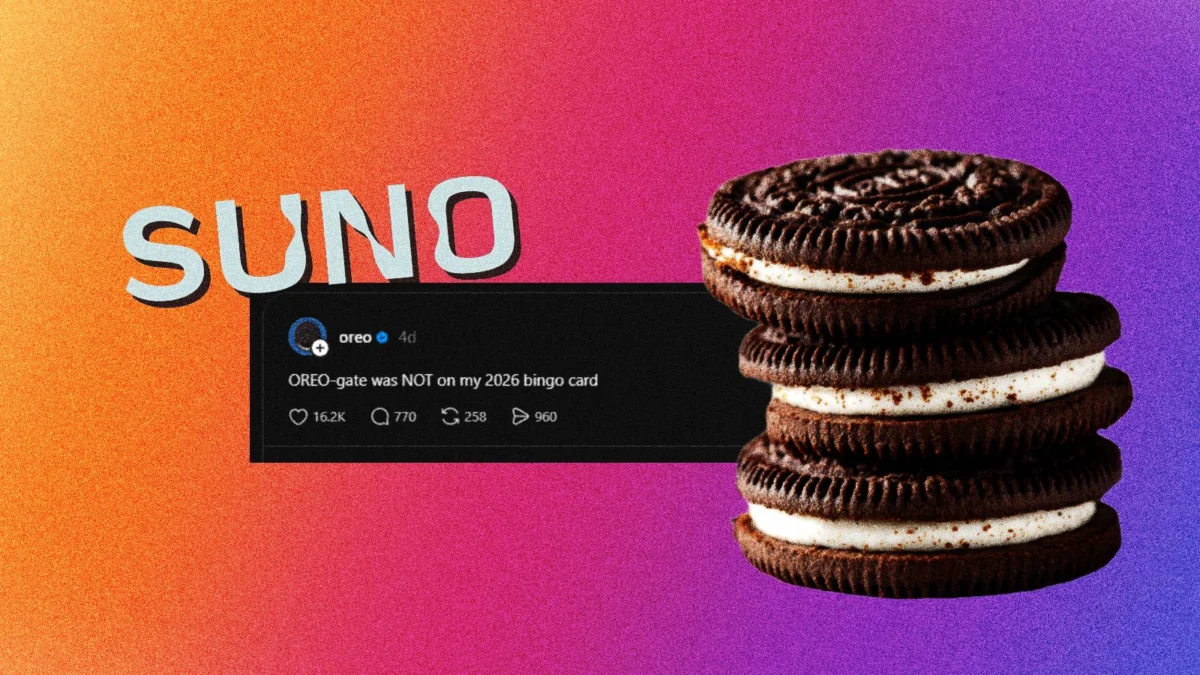
The sheer scale of the engagement forced the brand at the center of the storm to respond. Oreo, a subsidiary of Mondelēz International, found itself involuntarily cast as a protagonist in a grassroots controversy. Their official Threads account eventually broke the silence, noting: "OREO-gate was NOT on my 2026 bingo card."
Crucially, Oreo clarified that they had no involvement in the production of the series. This isolation of the brand from the content creator is a standard PR maneuver, yet it leaves a vacuum of accountability. If the brand didn’t sponsor it, and the AI company only provided the tools, the burden of truth rests entirely on the creator.
When pressed for clarification regarding the authenticity of the WhatsApp screenshots, the parents involved, or the child named Ava, @ashleighjamz declined to comment. She noted that she was deliberately avoiding "getting into the specifics" while the story was at its peak. Since these inquiries were made, the account has ceased responding to requests for comment, leaving the audience to grapple with the possibility that the entire saga was a work of fiction.
The "Fake" Content Ecosystem
The skepticism surrounding "Oreogate" is not isolated. Internet-culture writer Stephanie McNeal was among the first to point out the anomalies of the @ashleighjamz account. A profile with almost no history, populated entirely by sponsored AI-generated song content, fits the mold of a "rage-bait" engine.
Before "Oreogate," the account had successfully deployed similar tactics, turning supposed drama from bachelorette trips, toxic workplace environments, and "delusional" friendships into viral, song-based content. This structure suggests a repeatable formula:
- Identify a common cultural pain point (e.g., entitled parents, workplace drama).
- Generate "evidence" (screenshots of text messages) that is inflammatory enough to spark debate.
- Use AI music to create a hook that makes the content feel like an organic "trend."
- Maximize engagement through the comments section, where viewers argue about the reality of the situation.
This is not the first time AI-generated music has sparked a "fake" viral trend. We have seen instances where fabricated songs have topped charts or been used as background audio for fake life events, leading to a broader crisis of trust in social media.
The Implications: Is Truth Dead in the Creator Economy?
The legacy of "Oreogate" will likely be a cautionary tale regarding the erosion of digital literacy. When content creators use AI to simulate "real-life" conflicts, they capitalize on the audience’s desire for communal gossip. By the time the audience realizes the story is fabricated, the engagement numbers—and the paycheck for the creator—have already been secured.
The Erosion of Trust
The primary implication of this saga is the shifting expectation of the audience. We are entering an era where social media users must operate under the assumption that everything is a "bit," a marketing campaign, or an AI-generated fiction. While this may increase critical thinking, it also risks creating a cynical environment where genuine, authentic stories are dismissed as "fake" by default.
The Role of Platforms
Instagram and other platforms are currently struggling to keep up with the pace of AI-assisted content. While disclosure requirements (like the #sunopartner tag) are in place, they are often insufficient to inform the viewer that the entire narrative premise might be a lie. As AI tools become more sophisticated, the distinction between a "story" and a "deception" will become even harder to define.
The Future of Marketing
Brands and AI companies have learned a valuable lesson from "Oreogate": controversy sells. By funding creators to build high-engagement, narrative-heavy content, they can achieve reach that traditional advertising cannot touch. However, this strategy carries significant reputational risk. If a brand becomes synonymous with deceptive, "rage-bait" content, they risk alienating the very audience they are trying to reach.
Conclusion: Lessons from the Cookie Jar
"Oreogate" may have started as a simple, albeit bizarre, squabble over school snacks, but it ended as a masterclass in the mechanics of modern digital deception. Whether or not the messages were real is almost secondary to the fact that they were designed to be perceived as such.
As we look toward the future of digital media, the "Oreogate" saga serves as a stark reminder: behind every viral thread, every catchy song, and every "relatable" screenshot, there is often a hidden algorithm or a corporate contract pulling the strings. In a world where reality is just another prompt, the most valuable currency left is the truth—and it is becoming increasingly difficult to find.