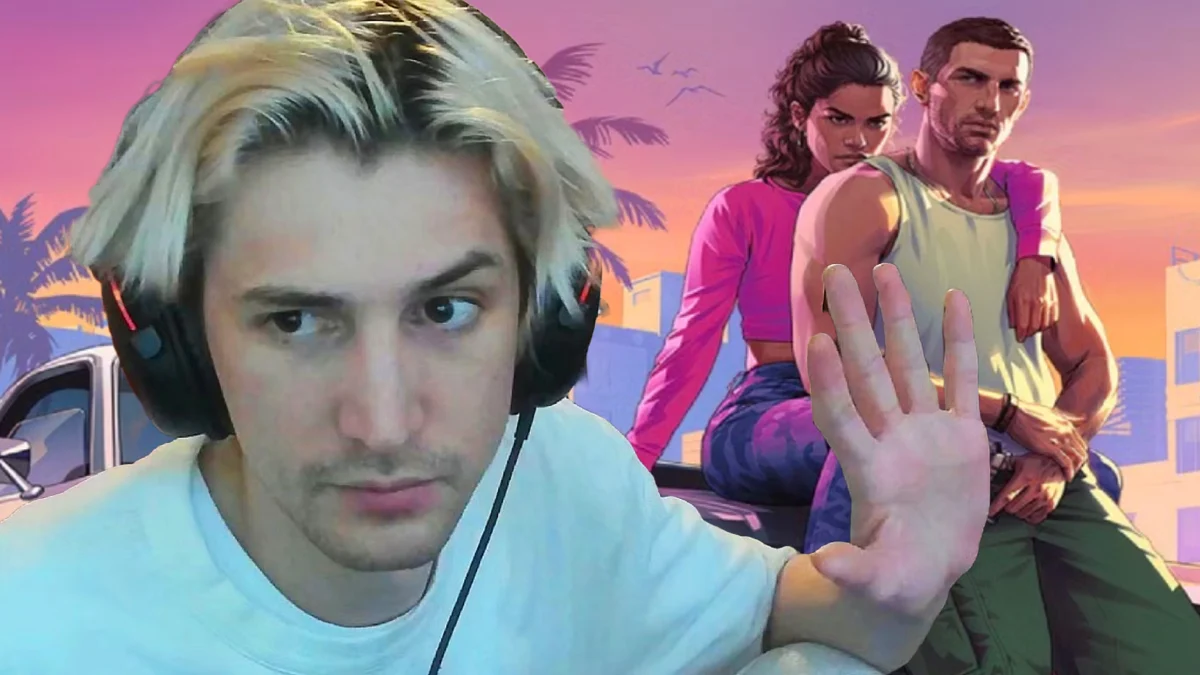
In the high-stakes world of digital content creation, the line between fair use and copyright infringement is often blurred. This week, that tension reached a boiling point as Félix "xQc" Lengyel, one of the most prominent streamers on Twitch, found himself at the center of a heated confrontation with the platform’s administrative hierarchy. The catalyst? A reaction video to the highly anticipated extended look at Grand Theft Auto VI, an event that has dominated the gaming discourse since its debut on August 27.
While thousands of creators covered the reveal, xQc has been singled out by Twitch to remove his Video on Demand (VOD) of the event. The move has sparked a firestorm of controversy, raising questions about selective enforcement, platform inconsistency, and the precarious relationship between streamers and major publishers like Rockstar Games and Netflix.
A Chronology of the Conflict
The saga began on Thursday, August 27, when Rockstar Games and Netflix unveiled an extended look at Grand Theft Auto VI. The footage, which provided a granular look at story beats, gameplay mechanics, and significant graphical leaps, was arguably the most significant gaming announcement of the year.
Like many of his peers, xQc broadcasted a live reaction to the footage. However, shortly after the stream concluded, the situation took a turn. According to xQc, he received a staggering "string of 105 messages" from Twitch management. The directives were clear: the VOD of his reaction had to be taken down or made private.
The streamer, visibly frustrated during a subsequent broadcast, noted that these communications were not merely automated copyright strikes; they originated from "all the way at the top." As the industry watched, the inconsistency became glaringly apparent. While xQc was being pressured to purge his content, other top-tier creators—including Kai Cenat, HasanAbi, and Asmongold—continued to host their own reaction VODs on the platform, completely unfettered by the same restrictions.
The Inconsistency of Enforcement
The most damning aspect of this controversy is the disparity in treatment among top-tier creators. If the mandate to remove the content was based on a blanket policy regarding the GTA VI footage—which carried strict guidelines from Rockstar and Netflix regarding how it could be covered—one would expect a uniform application of that policy.
Instead, the ecosystem of Twitch appears to be operating under a "selective enforcement" model. Fans and industry analysts have pointed out that while xQc was the target of a direct outreach to his production team, others were left untouched. This has led to widespread speculation on social media platforms like Reddit and X (formerly Twitter) regarding why a singular creator was targeted.
Some observers suggest that because xQc is one of the highest-earning and most visible creators on the platform, he acts as a "canary in the coal mine" for Twitch’s legal department. By pressuring him, the platform may be attempting to appease Rockstar Games’ legal team, which is notoriously protective of its intellectual property. Others argue that the discrepancy is simply a sign of poor communication channels within Twitch, where different account managers may be applying rules with varying degrees of severity.
The Legal and Corporate Landscape
The underlying tension in this situation stems from the rigid conditions placed on the GTA VI trailer by its creators. When major publishers release high-value content, they often issue specific guidelines on how influencers can interact with that media. These rules can dictate everything from the length of clips allowed to the requirement that the footage be presented with significant "transformative" commentary.
Industry experts believe that Twitch is operating under a cloud of fear regarding potential litigation. If Rockstar Games or Netflix determines that the "manner" in which the content was presented violates their terms, they could potentially hold the platform liable for hosting the infringing material. This creates a scenario where Twitch, in an effort to maintain its relationship with these massive entities, may be willing to sacrifice the content of its own creators to avoid a legal headache.
However, the question remains: why target xQc while leaving other, equally large creators to host the exact same content? It is a question that Twitch has yet to address publicly, leaving the community to fill the void with speculation and distrust.
xQc’s Defiance: A Call for Rebellion
Refusing to back down, xQc has taken an openly defiant stance. After receiving the directives to scrub his channel, he reportedly instructed his moderation team to reinstate the VOD. His rationale was rooted in a sense of fairness: if his peers are allowed to keep their content up, he believes his own should remain as well.
During a recent stream, he did not mince words. Expressing deep disappointment that he was being singled out for reacting to "the biggest announcement of the year," he went so far as to encourage his fellow streamers to disregard the platform’s internal pressures.
"Break all of the rules, genuinely," xQc told his audience. "Just break the rules and wait till you get banned or warned, f*ck TOS."
This rhetoric marks a significant escalation in the relationship between the streamer and the platform. By calling for a widespread disregard for the Terms of Service (TOS), xQc is positioning himself as an advocate for creator autonomy, challenging the platform to either enforce its rules consistently across the board or stop enforcing them altogether.
Implications for the Streaming Industry
The implications of this incident are far-reaching. First, it highlights the vulnerability of streamers when faced with the combined pressure of platform management and external corporate entities. When a streamer is told to remove content, they often have little recourse, even if they believe their work constitutes fair use under copyright law.
Second, the lack of transparency in how these decisions are made erodes trust between Twitch and its most valuable asset: its creators. If top-tier streamers feel that their content can be arbitrarily deleted at the behest of external publishers without clear justification or consistent application, they may begin to look toward rival platforms—such as YouTube Gaming or Kick—which have historically offered different approaches to copyright management.
Finally, this incident underscores the changing nature of gaming journalism and commentary. As publishers move toward more controlled, restrictive environments for their reveals, creators are increasingly squeezed between the need to produce content that their audiences crave and the legal threats issued by the very companies that make the games they love.
Conclusion: A Turning Point for Twitch
As the dust settles, the GTA VI VOD controversy remains a potent reminder of the power dynamics within the gaming industry. It is no longer enough for streamers to simply create content; they must now navigate a labyrinthine set of corporate restrictions that are often applied inconsistently and without warning.
Whether or not Twitch chooses to backtrack on its demands or double down on its enforcement remains to be seen. What is clear, however, is that the current situation is unsustainable. For a platform that prides itself on being the home of live entertainment, the current climate of confusion and selective policing serves only to alienate the very creators who drive its success.
As xQc continues to push back, the industry will be watching closely. Will this lead to a more transparent policy, or will it result in further fractures between the platform and its top talent? For now, the VODs remain a battleground, representing a much larger struggle for control in an age where the line between creator, publisher, and platform has never been more contentious.