

By Craig Robinson, Senior Editor
Last Updated: May 26, 2026
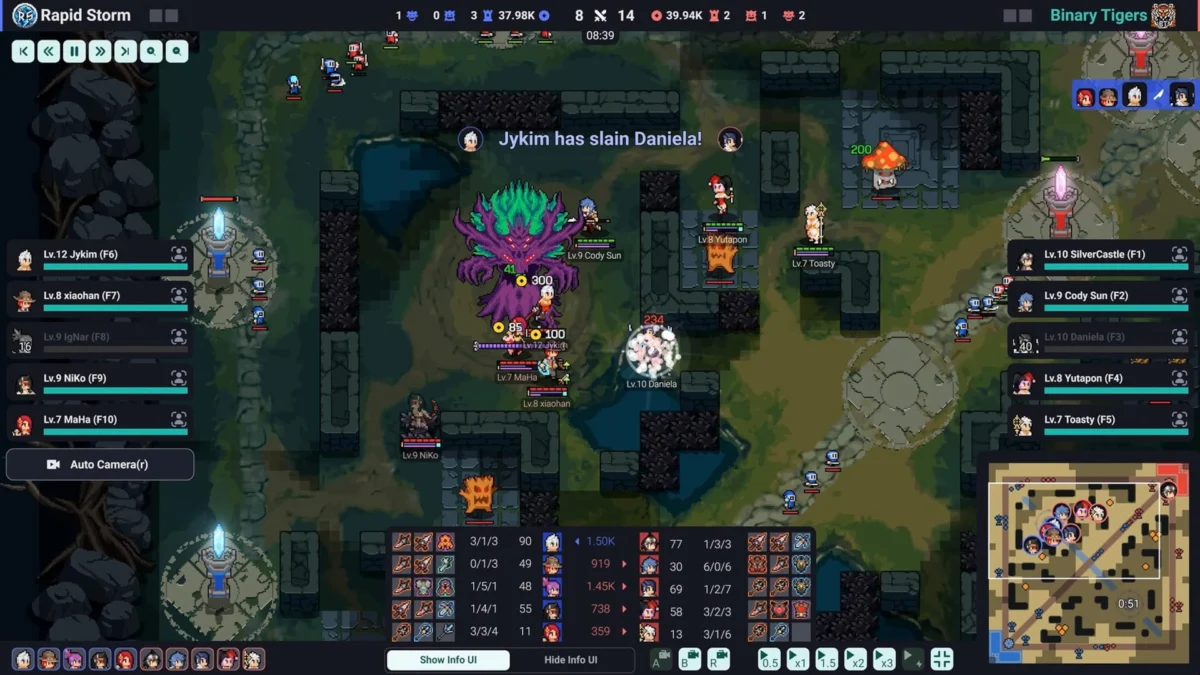
The world of esports management simulation has long been a niche but passionate corner of the gaming market. While titles like Football Manager have set the gold standard for sports simulations for decades, translating the high-octane, micro-intensive world of Multiplayer Online Battle Arenas (MOBAs) into a strategic management experience has proven significantly more difficult. Enter Team Samoyed, the Korean indie developer that captured hearts in 2021 with the original Teamfight Manager. Now, the studio has returned with Teamfight Manager 2, an ambitious sequel that aims to turn the player into the ultimate esports mastermind.
Currently available via Steam Early Access, the sequel represents a substantial leap forward in complexity, offering a granular look at the life of an esports organization owner, from the high-stakes drafting phase to the tedious minutiae of contract negotiations and training regimens.
The Core Experience: Managing the Virtual Rift
At its heart, Teamfight Manager 2 is a fusion of two distinct genres: the deep administrative simulation and the tactical autobattler. Unlike traditional real-time strategy games where the player controls the movement of units, Teamfight Manager 2 shifts the agency from the keyboard to the clipboard.
The Management Loop
The player assumes the role of an organization manager. Your success is not dictated by your ability to land skill shots, but by your ability to build a roster capable of doing so. This involves:
- Scouting and Recruitment: Players must navigate a talent pool, analyzing stats and simulated "solo queue" rankings to find hidden gems.
- Contract Negotiations: Balancing the books is a constant struggle. You must secure top-tier talent without bankrupting your organization, a task that requires an understanding of player valuation and market trends.
- Tactical Preparation: Before a match, the manager must define playstyles. Will your team play aggressively, focusing on early-game skirmishes, or will they adopt a more conservative, objective-focused approach?
The MOBA Simulation
The matches themselves utilize a familiar structure. Your team competes in a 5v5 format—Top, Jungle, Mid, Bot, and Support—with the ultimate goal of destroying the enemy Nexus. The gameplay is entirely automated; once the match begins, your players proceed through the map, battling over objectives, securing buffs, and reacting to enemy movements based on the parameters and "orders" you established during the drafting and prep phases.
The game’s AI has been significantly refined since the original title, ensuring that the "autobattler" logic feels more intuitive and reactive to the specific champion compositions chosen during the draft.
Chronology of Development: From 2021 to 2026
The journey to Teamfight Manager 2 is a testament to the growth of the indie esports sim market.
- 2021: The Original Breakthrough: The first Teamfight Manager launched to widespread acclaim, boasting an 83% positive rating on Steam. It proved that there was a hungry audience for a game that focused on the drafting phase—arguably the most cerebral part of a MOBA match—as a core mechanic.
- 2024: Development Cycle: Team Samoyed announced the sequel, promising to address community feedback from the original, specifically regarding the depth of team management and the variety of the champion pool.
- May 2026: The Early Access Launch: The game officially entered Steam Early Access. The launch build included the core loop, a massive expansion of the champion roster, and the introduction of an online league mode, allowing players to test their rosters against the strategies of others.
Supporting Data: Complexity and Community Feedback
The transition from a cult classic to a complex management sim has not been without its hurdles. Current Steam reviews reflect a "mixed" sentiment, which is common for Early Access titles attempting to overhaul the systems of a beloved predecessor.
Key Enhancements
Team Samoyed has explicitly targeted three areas for improvement in this iteration:
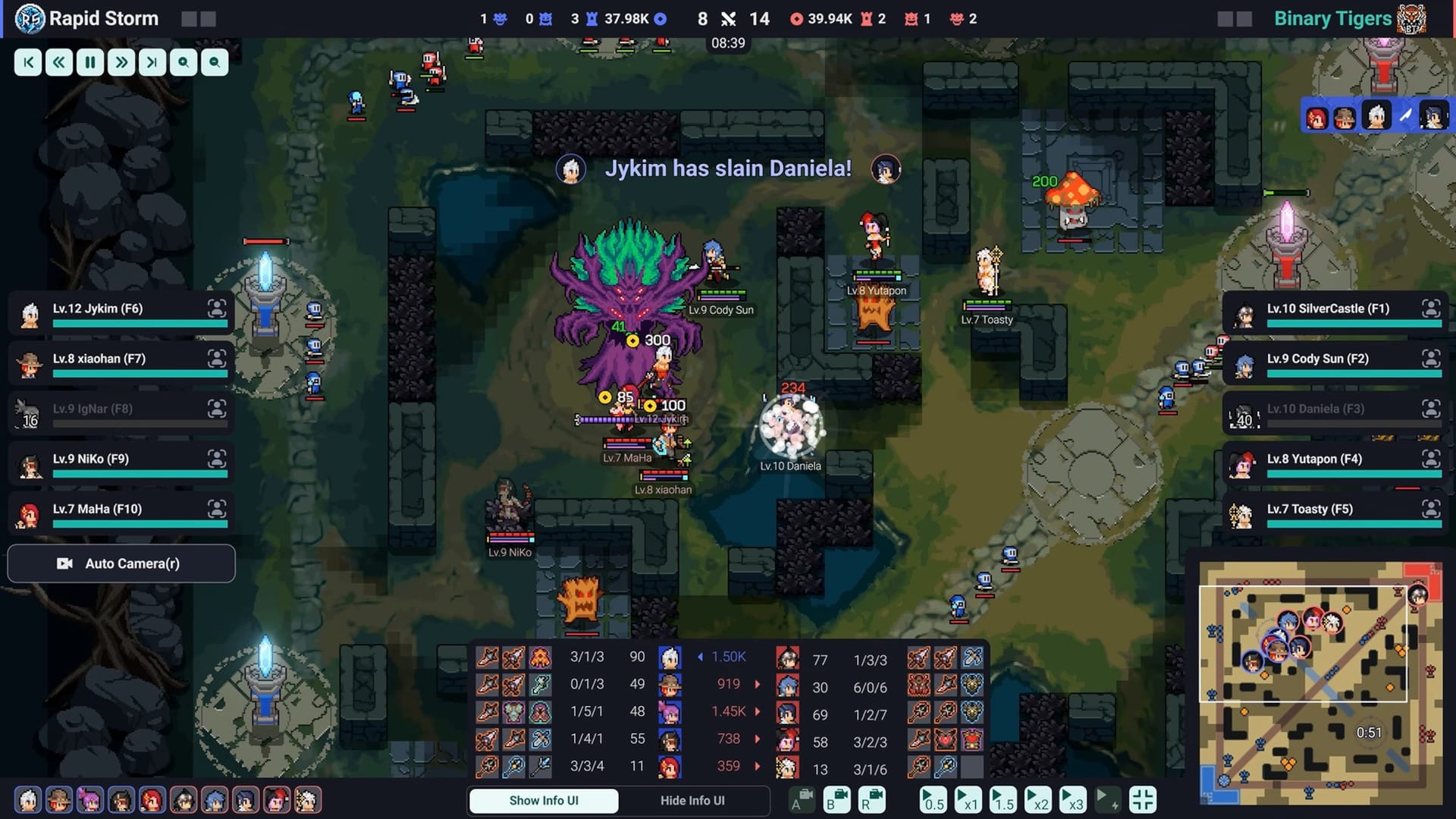
- Champion Diversity: Dozens of new champions have been added, each with distinct skill sets and synergy potential.
- Tactics Engine: A deeper, more layered system for setting team tactics allows for more distinct "team identities."
- Steam Workshop Integration: Perhaps the most significant addition, the inclusion of Workshop support empowers the community to create and share their own custom champions, maps, and even tournament structures. This effectively guarantees the game’s longevity, as players can inject their own meta into the game.
Performance and Stability
While the game features familiar faces—including cameos from professional players like IgNar and Mowgli—the "mixed" reception largely stems from the steep learning curve and the desire for more refined balancing. As Team Samoyed moves through the Early Access period, they have committed to a regular cadence of updates aimed at balancing the meta and expanding the managerial feature set.
The Competitive Landscape
Teamfight Manager 2 does not exist in a vacuum. The rise of the esports sim genre has seen other titles attempt to capture the magic of the professional circuit. Notably, Esports Team Manager, which launched on Steam last year, took a different approach by focusing on real-world organizations.
The presence of teams like Bulldog and Verdant in Esports Team Manager offers a "real-world" simulation experience, whereas Teamfight Manager 2 leans into a "fictionalized" world that allows for more creative freedom regarding game mechanics and champion design. This divergence is healthy for the genre, as it separates those looking for a sports-management-style experience from those who prefer the strategic depth of a high-fantasy MOBA.
Implications for the Genre
The release of Teamfight Manager 2 signals a maturing of the esports management genre. We are moving away from simple "click-to-win" simulations toward deeply systemic games that mirror the complexity of actual esports organizations.
The "Algorithm" Era
The inclusion of complex algorithms—similar to those found in F1 Manager—is a game-changer. By tracking practice habits, player form, and historical performance, the game forces the player to consider the human element of esports. Managing the "mental game" of a roster is becoming as important as the mechanical skill of the virtual players.
The Role of Community Content
By opening the game to the Steam Workshop, Team Samoyed is acknowledging that no developer can anticipate every strategic preference of a MOBA fan. By allowing the community to build their own meta, the developers are essentially crowdsourcing the game’s longevity. If the community successfully populates the Workshop with high-quality, balanced content, Teamfight Manager 2 could easily surpass the success of its predecessor.
Official Stance and Future Outlook
Team Samoyed has been transparent regarding their roadmap. During this Early Access phase, the focus is strictly on:
- Refining Balance: Adjusting champion power levels based on thousands of simulated matches.
- UI/UX Improvements: Streamlining the management dashboard to make the deluge of data more digestible for the player.
- Feature Expansion: Adding more depth to the "Online League" mode to foster a competitive ecosystem outside of the single-player campaign.
While the current review score on Steam may give some potential buyers pause, it is essential to view Teamfight Manager 2 as a work-in-progress. The foundation built by the 2021 original is present, but it has been expanded into a much larger, more complex machine. For those who enjoy the "drafting phase" of a game like League of Legends or Dota 2 more than the actual clicking, this title offers the most comprehensive look at the role of an esports coach and manager to date.
As the team continues to iterate, the goal remains clear: to provide a simulation that respects the intelligence of the player and the complexity of the professional gaming environment. Whether you are a fan of the tactical side of MOBAs or simply a management sim enthusiast looking for a new challenge, Teamfight Manager 2 is a project worth watching as it grows from a promising Early Access title into a definitive esports management experience.
For more information on the latest updates, patches, and community tournament news, keep an eye on the official Teamfight Manager 2 Steam store page. You can subscribe to our newsletter via Google News for the latest updates on this and other developing stories in the esports sector.










No comments yet. Be the first to join the conversation!