In the rapidly evolving landscape of digital illustration, few artists manage to bridge the gap between traditional sensibilities and modern technical precision as effectively as Andy Jauffrit. A France-based freelance illustrator, Jauffrit has carved out a distinct niche within the highly competitive world of Trading Card Game (TCG) art. His work is characterized by a lush, painterly aesthetic that breathes life into high-fantasy environments, focusing less on hyper-realistic textures and more on the visceral emotional resonance of a scene.
For Jauffrit, the digital canvas is not merely a tool for production but an instrument of storytelling. "Above all, I strive to make viewers feel something through my images," he explains, noting that the goal of his process is to evoke a specific mood—be it tranquility, awe, or tension—rather than simply documenting a character or a setting.
The Evolution of a Digital Visionary: A Chronological Journey
Jauffrit’s journey into the professional art sphere has been marked by a consistent refinement of his personal style. While many digital artists fall into the trap of over-rendering, Jauffrit’s career trajectory has been defined by his commitment to maintaining the "soul" of the initial sketch.
Early Foundations and Stylistic Development
In his early years, Jauffrit experimented with various digital mediums, eventually settling on a workflow that prioritizes organic brushwork. Unlike artists who rely heavily on procedural textures, Jauffrit adopts a labor-intensive approach that mimics the strokes of traditional oil or acrylic painting. This approach has proven particularly effective in the TCG industry, where card art must remain legible at small scales while still possessing enough detail to captivate players.
Transitioning to TCG Mastery
The demands of TCG design are unique: they require a balance between iconic character design and background immersion. Jauffrit’s rise to prominence began as he successfully adapted his painterly style to the tight constraints of card templates. By mastering the ability to tell a complete narrative within a small, rectangular frame, he quickly became a sought-after collaborator for fantasy game developers.
Analyzing the Creative Process: Two Signature Works
Jauffrit’s process is best understood through his own recent portfolio additions, which showcase his technical versatility and narrative depth.
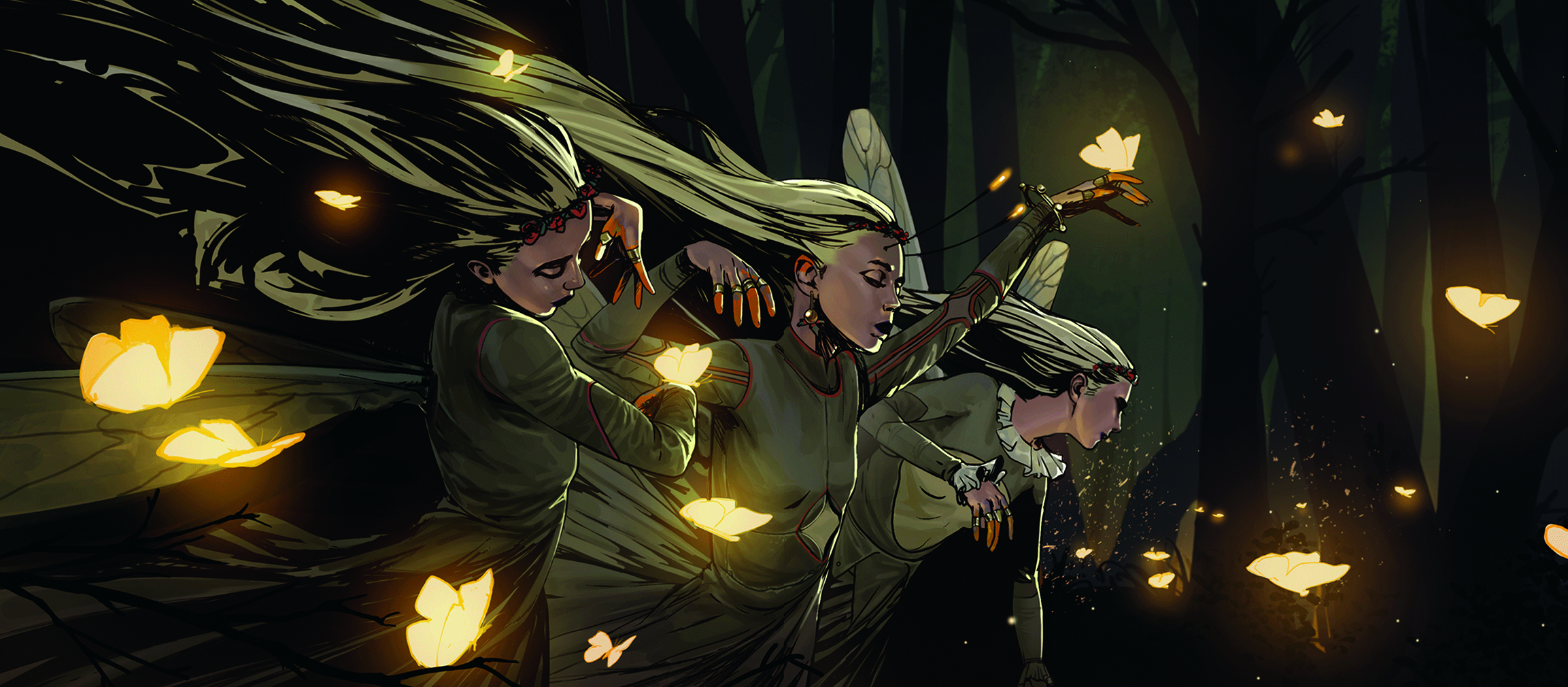
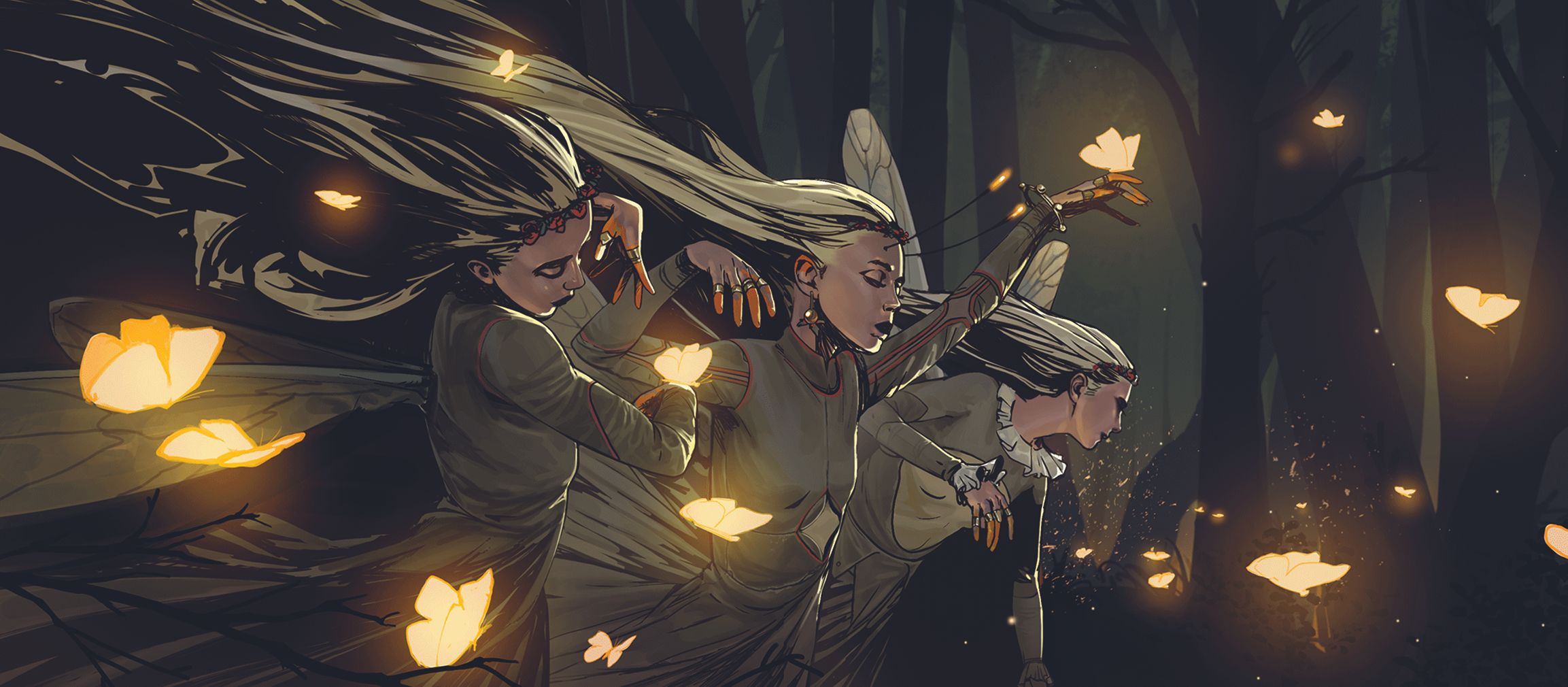
Case Study: Spirit Flying Through the Forest
In this composition, Jauffrit explores the interplay between fluidity and permanence. The piece depicts an ethereal entity moving through a dense woodland.
"I wanted to create something poetic and elegant, with a sense of movement, as if a wave were breaking in the middle of the forest," Jauffrit shares. Technically, the piece is a testament to his hybrid approach. Rather than painting over his line art until the ink is completely obscured, Jauffrit made the deliberate choice to preserve the integrity of his initial sketches. By blending the raw, energetic lines of his drawing with soft, painterly light values, he creates a dynamic contrast that emphasizes the spirit’s kinetic energy against the static, grounded nature of the forest.
Case Study: Le Scribe De La Tempête
Shifting from the serene to the electric, Le Scribe De La Tempête (The Storm Scribe) serves as an exploration of elemental effects. The work originated from a personal challenge to render the complex visual nature of electricity—a subject notoriously difficult to capture without appearing static or "plastic."
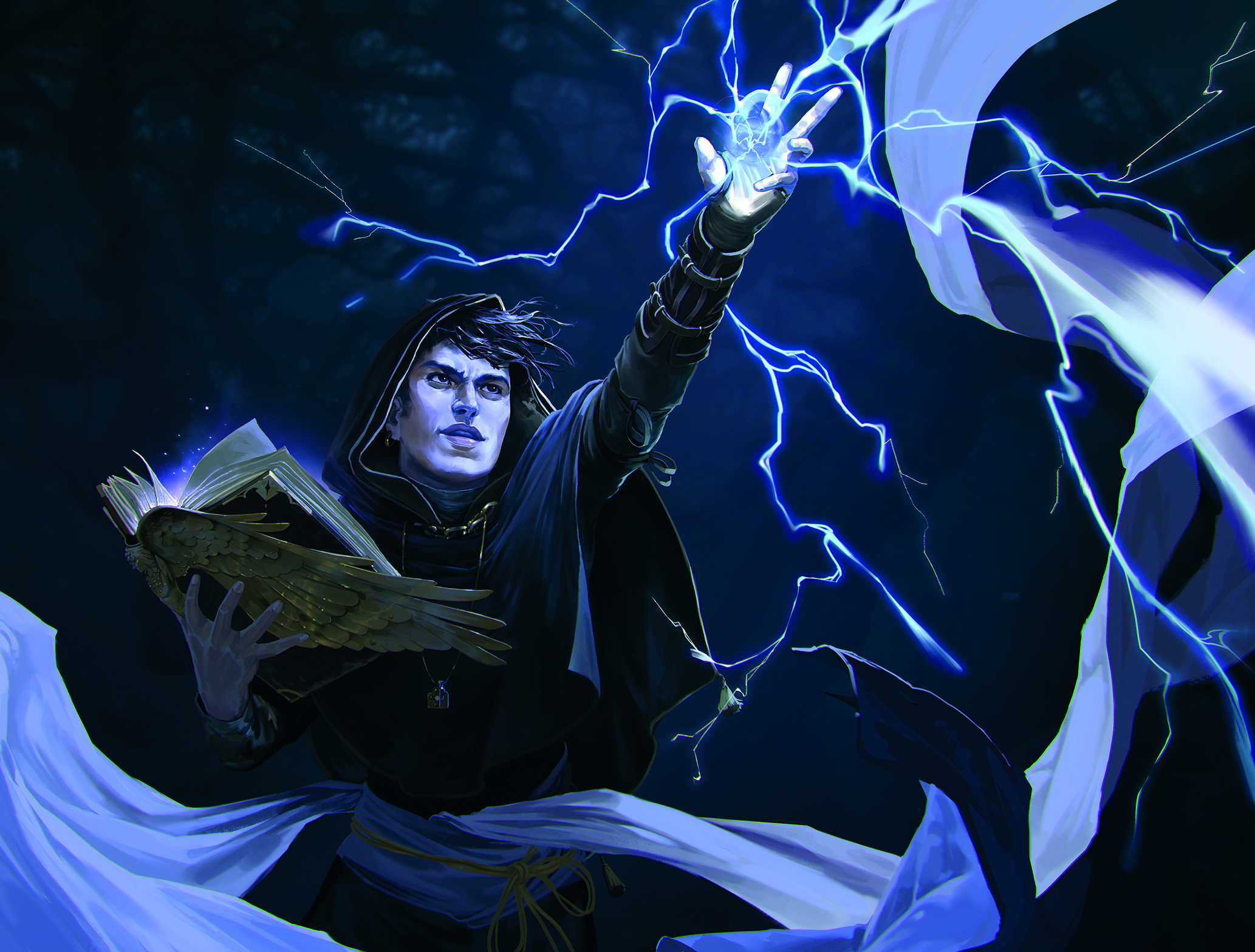
Jauffrit opted to ground the magical effect in a character-driven narrative. By placing a mage at the center of the storm, he provided the viewer with a focal point that explains the origin and intensity of the energy. The lighting in this piece is particularly sophisticated, with the blue, jagged bolts of magic reflecting off the robes and skin of the scribe, creating a cohesive atmospheric environment that feels dangerous and alive.
The Hardware Behind the Magic: Data and Industry Standards
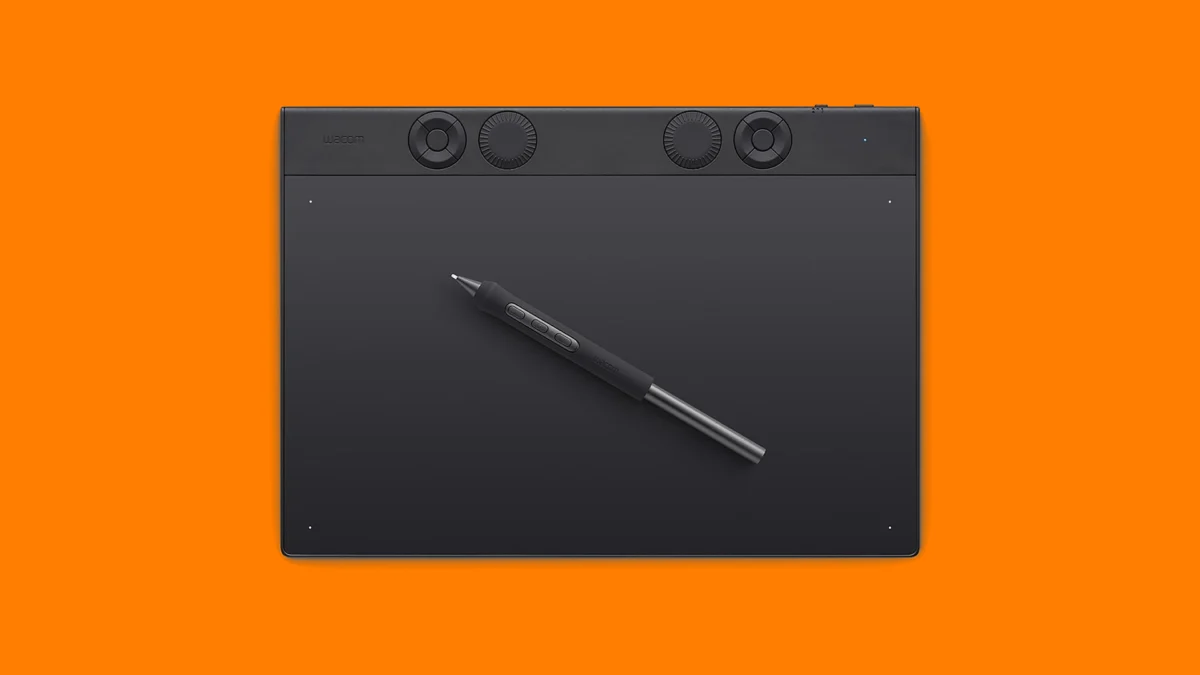
For those looking to replicate Jauffrit’s painterly output, the barrier to entry has never been lower, though the choice of hardware remains critical. The modern digital artist must navigate a saturated market of input devices. According to industry data and professional usage patterns, the following devices are currently considered the gold standard for artists pursuing the high-fidelity finish Jauffrit achieves:
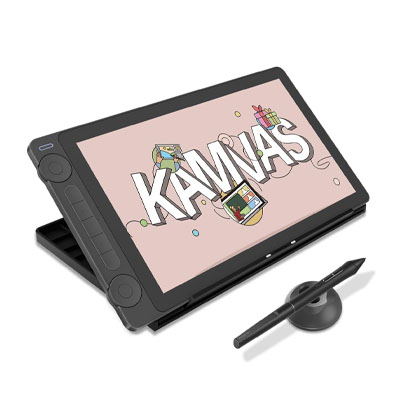
- The Pen Display Experience: The HUION Kamvas 13 Gen 2 has emerged as a favorite for freelancers due to its full-laminated screen, which minimizes the parallax gap between the stylus and the digital line. For artists who value the tactile feedback of drawing directly onto a screen, this model represents a significant leap in affordability without sacrificing color accuracy.
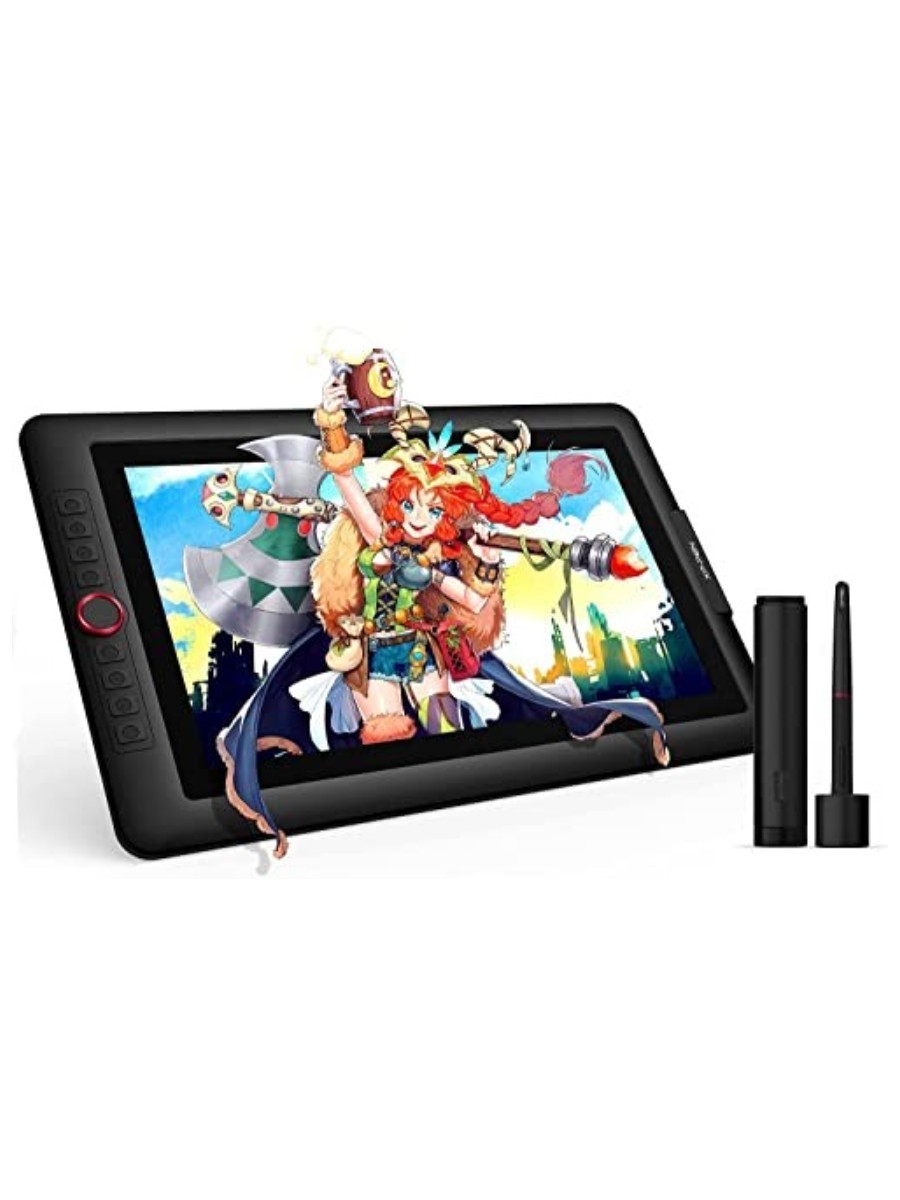
- Professional Reliability: The XP-Pen Artist 15.6 Pro remains a staple in professional studios. Its extensive range of express keys and its wide color gamut make it an ideal choice for the long, marathon painting sessions required for high-end TCG commissions.
- Entry-Level Powerhouses: For those just beginning their journey, the XP-Pen Updated Deco 01 V3 or the HUION Inspiroy H640p offer high levels of pressure sensitivity. While they lack the integrated display of higher-end models, they are often the preferred choice for artists who prioritize ergonomics and portability.
Implications for the Future of Digital Illustration
Jauffrit’s approach—prioritizing the emotional "feeling" of an image over technical perfection—serves as a timely reminder in an era increasingly dominated by generative AI and automated art processes. As the industry moves toward faster production cycles, the human touch represented by Jauffrit’s visible brushstrokes and intentional sketch-blending becomes a differentiator.
The Rise of the "Painterly" Digital Aesthetic
We are currently witnessing a shift in the digital art market. Collectors and game companies are moving away from the "plastic" look of early-2010s digital art in favor of styles that feel hand-crafted. Jauffrit’s work, which invites the viewer to see the "process" within the final image, aligns with this broader cultural move toward authenticity.
Community and Continued Education
Jauffrit remains an active participant in the wider artistic community, frequently sharing his process on platforms like ArtStation. This transparency is crucial for the next generation of illustrators. By documenting his struggles—such as the challenge of rendering electricity in Le Scribe De La Tempête—he provides a roadmap for others to follow. He demonstrates that technical skill is not about avoiding mistakes, but about learning how to translate a creative spark into a tangible, finished work of art.
Final Thoughts: A Call to Aspiring Artists
For those inspired by Jauffrit’s work, the path forward is clear: prioritize your voice over your software. Whether you are using a top-of-the-line Cintiq or a budget-friendly tablet, the core of the art lies in the decision-making process—what to show, what to hide, and how to make the viewer pause.
As Jauffrit continues to produce evocative pieces for the TCG world, he stands as a testament to the fact that the digital medium is not a cold, mechanical process, but a vibrant, living extension of the artist’s hand. For further inspiration and to keep up with his latest projects, readers are encouraged to visit his ArtStation profile.
This article originally appeared in ImagineFX. For more insights into the world of digital art, including expert tutorials, interviews with leading illustrators, and comprehensive gear guides, subscribe to ImagineFX magazine today. Whether you are a professional or an enthusiast, our print and digital editions provide the tools you need to elevate your creative practice.