

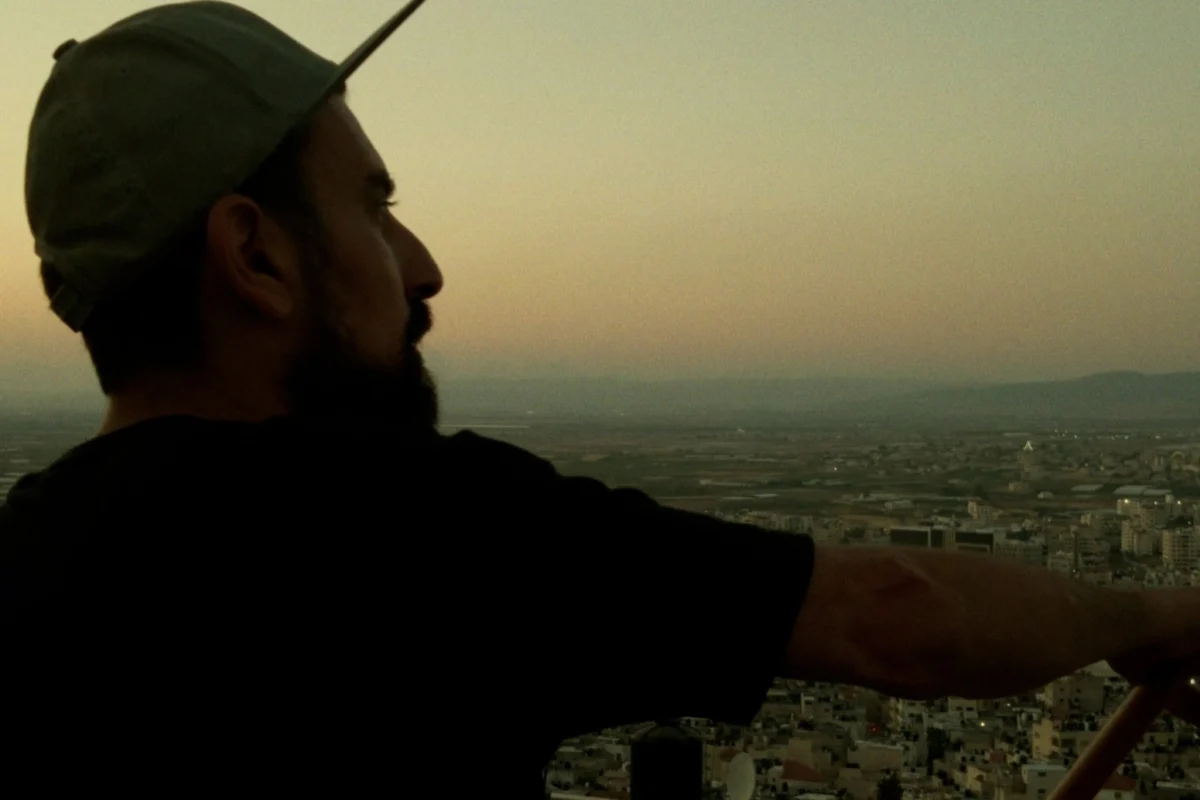
In an era defined by geopolitical volatility and the struggle for cultural preservation, the power of storytelling remains one of the most potent forms of resistance. It is against this backdrop that legendary Pink Floyd co-founder and outspoken activist Roger Waters has stepped into a new role: executive producer for Freedom Theatre, the debut feature-length documentary from filmmaker Rishi Pelham. The film promises an intimate, visceral exploration of art’s capacity to survive under the most oppressive of conditions.
The Narrative Core: A Story of Resilience in Jenin
At the heart of Freedom Theatre lies the story of Ahmed Tobasi, a man whose life trajectory serves as a testament to the transformative power of the arts. Once a resistance fighter, Tobasi has undergone a profound evolution, emerging as a central figure in the creative pulse of the Jenin refugee camp in Palestine.
The documentary is described by its creators as an "immersive and sensory character study." Rather than relying on traditional talking-head interviews or dry historical exposition, the film seeks to transport the audience directly into the daily reality of the camp. Tobasi’s struggle to keep the theater doors open—despite the threat of destruction and the suffocating pressure of his surroundings—forms the backbone of the narrative.
For director Rishi Pelham, the project was never a calculated career move; it was a compulsion. "I didn’t intentionally set out to make this film," Pelham remarked. "I kept returning to Jenin, to the theater, to the camp, and over time the story insisted on being told. What drew me in was the tension between two worlds: the black-box rehearsal room, sealed and controllable, and the camp outside, alive, volatile, and impossible to contain. Slowly, these spaces began to bleed into one another."
Chronology of Production: A Five-Year Journey
The development of Freedom Theatre is a testament to long-form, observational filmmaking. The project has been in active production for five years, a period during which the political climate in the region has shifted dramatically.
- Initial Engagement: The project began with Pelham’s recurring visits to the Jenin refugee camp, where he began building the trust necessary to film such a sensitive and high-stakes environment.
- The Creative Process: Over the half-decade of filming, the production team focused on capturing the day-to-day existence of those within the theater’s sphere of influence. This long-term commitment allowed for a depth of character development rarely seen in short-term documentary projects.
- The Scoring Phase: Recognizing the importance of sound as a sensory element, Pelham took an active role in composing the film’s original score. The soundtrack features contributions from prominent Palestinian artists, including the globally recognized techno DJ and producer Sama’ Abdulhadi, lending a contemporary, pulsating heartbeat to the film’s atmosphere.
- Current Status: As of late 2026, the documentary is in the final stages of post-production. The team is currently refining the narrative flow and color-grading the footage, preparing it for an international festival circuit debut.
Production Pedigree and Collaborative Forces
Freedom Theatre is being produced by Suzanne Harb in collaboration with Pelham for the London-based production house, Bathtub Films. The team carries a reputation for high-quality, socially conscious cinema; they were previously behind the 2019 award-winning drama Hilda, which featured executive production by the acclaimed actor Tim Roth.
The project has further bolstered its reach by partnering with Amman-based Tabi360. Executive partners Khaled Habayeb and Alaa Alasad have brought significant expertise to the table, having previously backed heavy-hitting titles such as Zain Duraie’s family drama Sink—which premiered to acclaim at the Toronto International Film Festival last year—and Ameer Fakher Eldin’s 2025 Berlin competition selection, Yunan.
The Waters Effect: Activism Meets the Lens
The involvement of Roger Waters as executive producer brings a significant level of visibility to the project. Waters, a long-standing and vocal advocate for Palestinian liberation, has consistently used his platform to highlight the conditions in the West Bank and Gaza. His decision to attach his name to Freedom Theatre is consistent with his recent public activism, including his participation in an open letter signed by hundreds of prominent international artists. This letter demanded that the Venice Film Festival take "concrete action in support of Palestine," underscoring the necessity of cultural institutions to engage with the political realities of the day.

For the filmmakers, Waters’ support is more than just a promotional boon; it is an ideological alignment. By joining a project that highlights the human cost of the occupation through the lens of art, Waters reinforces his commitment to the "BDS" (Boycott, Divestment, Sanctions) movement and the broader effort to bring Palestinian voices to the forefront of global discourse.
Implications for the Documentary Genre
Freedom Theatre arrives at a time when the documentary genre is increasingly grappling with the ethics of "crisis cinema." The film’s focus on the "bleeding" of the theater into the camp suggests a metafictional approach that questions the role of art in times of war.
1. Cultural Diplomacy through Cinema
The film serves as a piece of soft-power diplomacy, humanizing a population that is often flattened by Western media headlines. By focusing on a single, compelling character—Tobasi—the film bypasses political jargon in favor of emotional resonance.
2. The Role of the Executive Producer
In the current indie film landscape, the role of an executive producer like Waters is evolving. It is no longer merely about financing; it is about "curating the discourse." By lending his credibility to this specific story, Waters is effectively signaling to festival programmers and global distributors that this is a "must-watch" piece of political cinema.
3. Festival Strategy and Future Distribution
The production team is currently strategizing for a major festival rollout, with initial meetings planned at the Venice Film Festival. Such a strategy is designed to create a "prestige" aura around the film, ensuring it reaches the eyes of international buyers, human rights organizations, and academic institutions.
Conclusion: A Window Into Unresolved Realities
As Freedom Theatre approaches its final edit, the urgency of its subject matter has only increased. The film stands as a bold assertion that the arts are not a luxury in the context of a refugee camp, but a fundamental necessity for maintaining one’s humanity.
By capturing the volatile intersection of the rehearsal space and the street, Rishi Pelham and his team have created a portrait of survival that is as fragile as it is defiant. With the combined efforts of a seasoned production team, the support of industry veterans like Khaled Habayeb and Alaa Alasad, and the high-profile advocacy of Roger Waters, Freedom Theatre is poised to become a landmark entry in the canon of contemporary political documentaries. It is a reminder that while bombs can destroy infrastructure, the impulse to create—and to document that creation—remains an indestructible form of resistance.










