For years, the portable solid-state drive (SSD) market felt like a consumer’s playground. Shoppers had become accustomed to seeing the latest high-speed storage devices slashed by 40% to 50% during every major retail event. For a long time, the "list price" of a drive was essentially a fiction—a high-water mark that nobody actually paid. However, the landscape of personal data storage has undergone a tectonic shift, leaving many tech enthusiasts wondering why their favorite hardware has become so unexpectedly expensive.
The Paradigm Shift: Why Storage is No Longer Cheap
The era of "set-it-and-forget-it" discounts on consumer SSDs has effectively ended, and the reasons are deeply rooted in the broader technological landscape. The primary driver behind this price volatility is the explosive, insatiable global demand for Artificial Intelligence.
As companies like OpenAI, Google, and Meta race to train massive Large Language Models (LLMs), the infrastructure requirements for these endeavors have reached astronomical levels. AI training requires not only immense computational power—typically supplied by high-end GPUs—but also massive quantities of high-speed RAM and enterprise-grade NAND flash storage.
Manufacturers like Samsung, SanDisk, Crucial, and Western Digital have found themselves in a unique bind. Faced with a choice between supplying the high-margin, high-volume data center market—where hyperscalers are willing to pay a premium for guaranteed supply—or the consumer retail market, the decision has skewed heavily toward the former. This pivot has tightened the supply chain, restricted inventory for retail channels, and subsequently pushed consumer prices to levels not seen in years.
Chronology of a Market Correction
To understand how we arrived at this current "storage squeeze," it is helpful to look at the timeline of the last three years:
- 2021–2022: The Post-Pandemic Surplus: During the height of the remote-work boom, manufacturing capacity for memory chips was expanded significantly. As the world returned to the office, a surplus of NAND flash led to a "race to the bottom" in terms of consumer pricing. SSDs were at an all-time low, and consumers grew comfortable with bargain-basement prices.
- Late 2022–Early 2023: The AI Awakening: The public release of ChatGPT acted as a catalyst for a global infrastructure pivot. Data centers began upgrading their storage arrays at an unprecedented pace to accommodate the massive datasets required for generative AI training.
- Late 2023–2024: The Inventory Drought: By the second half of 2023, the surplus of memory chips had been entirely absorbed by the AI sector. Manufacturers responded by slowing down production of consumer-grade consumer components to prioritize the fabrication of enterprise-class storage, leading to the current state of higher list prices and infrequent, shallow discounts.
Supporting Data: Understanding the Cost of Silicon
The current market realities are best illustrated by the fluctuations in NAND flash pricing. Market intelligence reports from the semiconductor industry indicate that contract prices for NAND flash have seen double-digit percentage increases quarter-over-quarter throughout 2024.
When NAND prices rise at the manufacturing level, the "floor" for consumer pricing is raised automatically. For the average consumer, this manifests as a reduction in the frequency of "doorbuster" sales. Where a 1TB drive might have frequently dipped to $70 or $80 in previous years, the new floor for high-quality, reliable portable SSDs has shifted upward, often hovering between $120 and $200 for mainstream models.
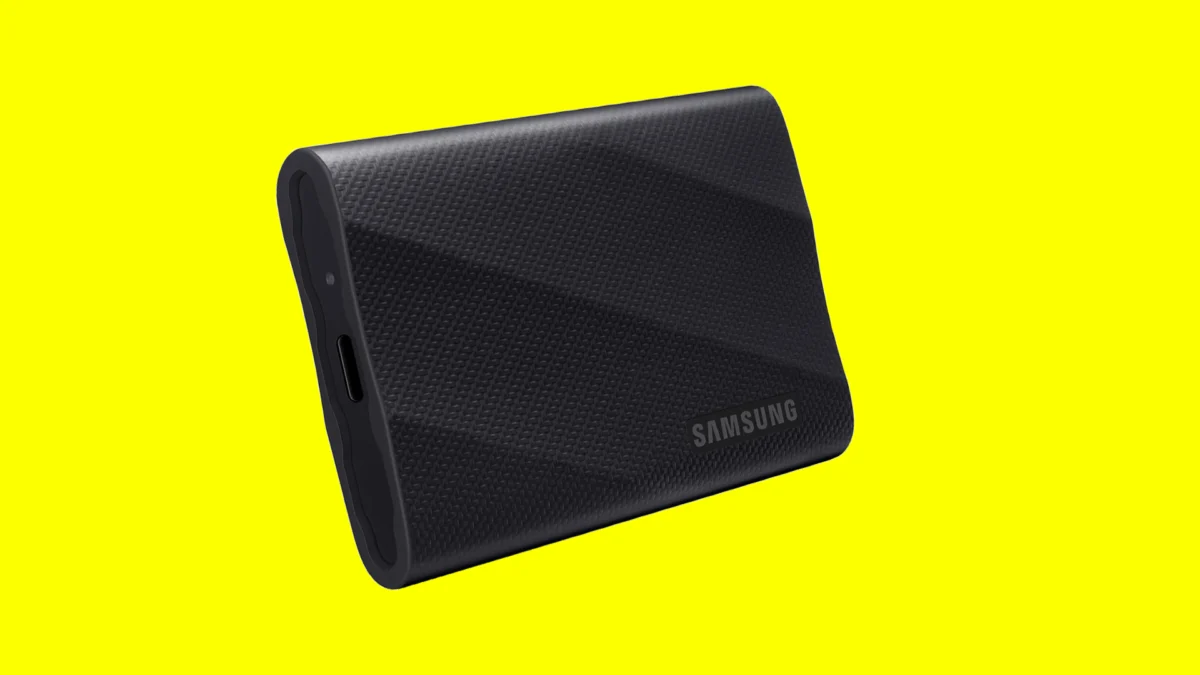
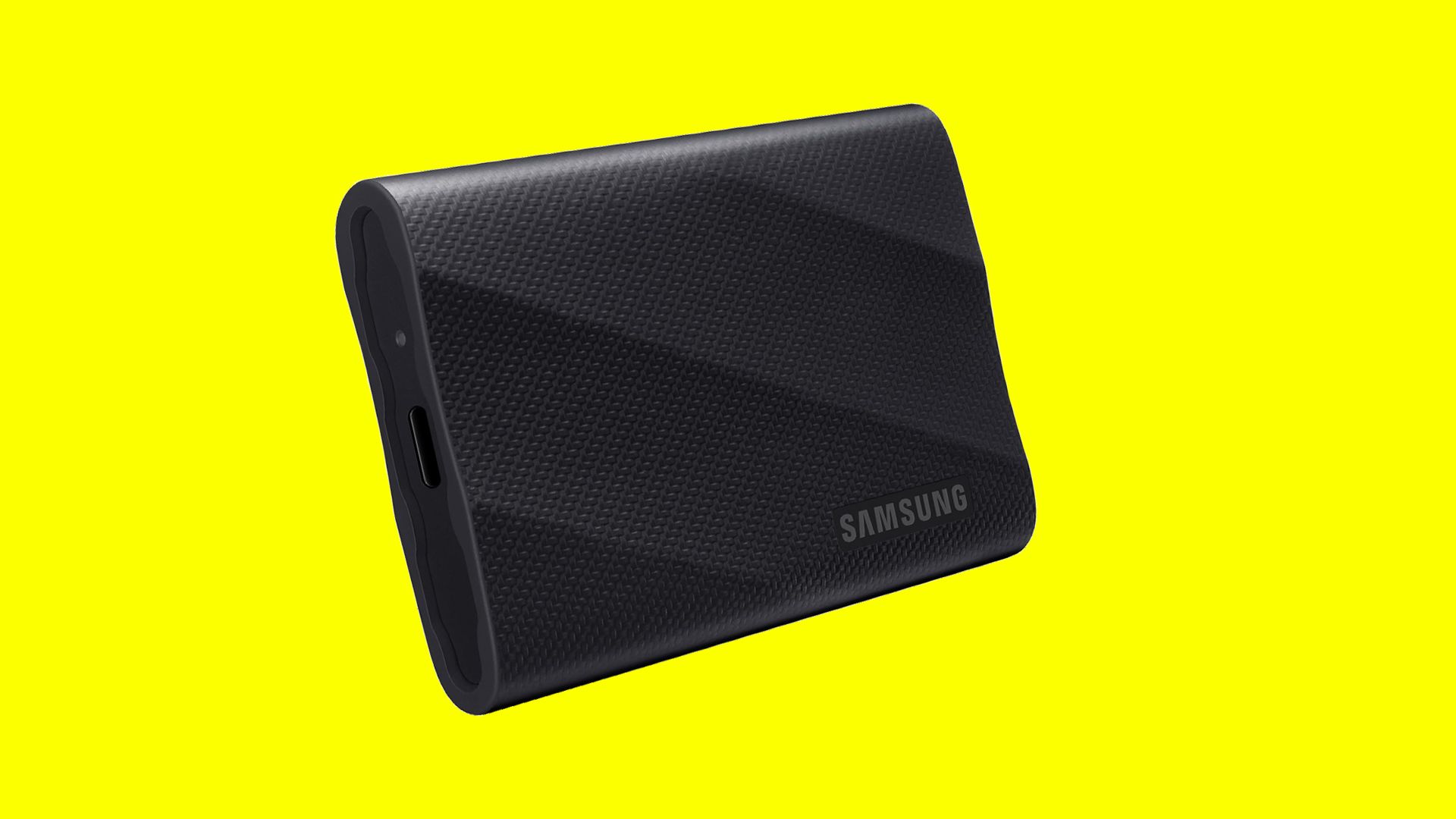
Despite this broader trend, the market is not entirely devoid of opportunities. Amazon’s current offer on the Samsung T7 1TB—a 24% reduction from $287.99 to $219.99—serves as a rare "bright spot" in a market defined by scarcity. While this price point would have been considered expensive in 2022, it represents a significant value proposition in the current climate for a drive that remains a benchmark for performance and reliability in the creative sector.
Official Perspectives and Industry Responses
Industry analysts have noted that the manufacturers are currently in a "balancing act." Samsung, for instance, has publicly stated in various investor briefings that it is managing its NAND supply to maximize profitability while maintaining its commitment to consumer retail.
However, the "official" word from the industry is cautious. Major storage players are not signaling a return to the aggressive discounting of the past. Instead, the focus has shifted toward "value-added" features—such as increased encryption, ruggedization, and faster transfer speeds—to justify the higher price points. The industry narrative is no longer about the cheapest cost-per-gigabyte; it is about the "cost of data integrity," a message designed to convince professional users that paying a premium for a reputable, high-performance brand is a necessary insurance policy against data loss.
Implications for the Creative Professional
For the creative professional—the video editor, the photographer, or the digital artist—this price hike has real-world consequences. The workflow of a modern creator often relies on the ability to swap terabytes of footage between machines.
1. The Death of Impulse Upgrades
In the past, creatives might have purchased an extra SSD "just in case" they needed more space for a project. In today’s economy, the purchase of storage has become a calculated line item in a project’s budget rather than an impulse buy.
2. The Rise of Hybrid Storage Solutions
With high-speed portable SSDs remaining expensive, many professionals are returning to a tiered storage strategy. This involves keeping active project files on a smaller, high-performance NVMe SSD while utilizing high-capacity, lower-cost external HDDs for long-term archival. The "all-SSD" workflow is becoming a luxury rather than the default.
3. The Value of Brand Loyalty and Reliability
The current scarcity has highlighted the importance of reliability. When storage prices are high, the risk of a "cheap" drive failing becomes even more catastrophic. Consequently, buyers are flocking to established names like Samsung, SanDisk, and Crucial, even when they carry a price premium, because the cost of data recovery from a failed cheap drive far outweighs the initial savings.
Looking Forward: Navigating the Market
So, how should the savvy consumer navigate this landscape?
- Be Prepared to Strike: When a genuine discount appears—such as the aforementioned Samsung T7 deal—it is unlikely to last. These sales are often limited by inventory levels rather than time constraints.
- Understand Your Needs: Do you truly need the speeds offered by a top-tier USB 3.2 Gen 2×2 drive? If you are just backing up documents or photos, a slightly older, slower model may suffice and save you a significant amount of money.
- Monitor Major Retail Events: While the "every other week" sale cycle is dead, major events like Prime Day, Black Friday, and Cyber Monday remain the most likely times for manufacturers to move inventory at competitive prices.
- Prioritize Performance for Active Projects: Do not skimp on your primary "working drive." If you are editing 4K or 8K video, the time saved by a faster drive is worth the higher list price. Save your budget-conscious shopping for your cold-storage or archival solutions.
The era of cheap, disposable storage may be behind us, but the value of a high-performance SSD remains undeniable. As the AI boom continues to reshape the global supply chain, consumers must become more strategic, more patient, and more selective with their technology investments. In the current market, the best deal isn’t just the one with the biggest percentage off; it’s the one that ensures your creative work remains fast, secure, and accessible for years to come.