In the vast ecosystem of enterprise software, few entities possess the sheer ubiquity—and the penchant for bewildering nomenclature—of Microsoft. For decades, the Redmond-based tech giant has acted as the digital infrastructure for the global workforce. However, as the company pivots toward an AI-first future, its brand identity has become increasingly fluid, often leaving users, IT administrators, and even long-time partners struggling to keep pace with a rapid-fire succession of product renamings.
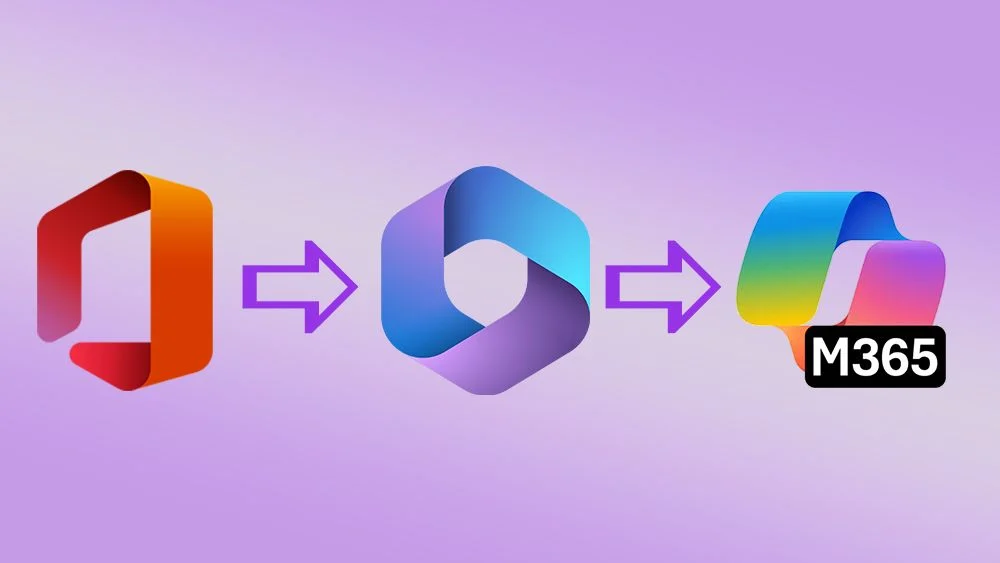
What began as a simple "Office" suite has metamorphosed through a labyrinth of iterations: Microsoft Office, Office 365, Microsoft 365, and now, the omnipresent Microsoft Copilot 365. This shifting landscape is not merely a quirk of marketing; it is a profound identity crisis that has reached such a level of complexity that it has necessitated the creation of an unofficial "Microsoft Rebrand Registry."
A Chronicle of Constant Change
The history of Microsoft’s branding is a study in evolution that often borders on the surreal. The transition from the classic desktop-centric "Office" to the subscription-based "Microsoft 365" was, in retrospect, a logical business move. However, the subsequent branding of its AI-driven features—specifically the "Copilot" suite—has created a recursive loop of naming conventions.
When a product carries a name that shares DNA with its predecessor while simultaneously competing with a new AI chatbot, the result is "brand drift." Users find themselves searching for documentation on a tool, only to find three different articles referring to it by three different names, depending on whether the content was written in 2020, 2022, or 2024.
This confusion is precisely why Loryan Strant, a multi-time Microsoft Most Valuable Professional (MVP) award recipient, took matters into his own hands. Strant, who previously gained notoriety for his project Let Me Correct That For You—a repository dedicated to the pedantic but necessary task of tracking Microsoft’s inconsistent capitalization styles (e.g., the transition from "PowerPoint" to the modern, streamlined "Copilot")—has now launched the Microsoft Rebrand Registry.
The Rebrand Registry: Data Behind the Chaos
The Rebrand Registry is not merely a list; it is a forensic audit of corporate identity. Strant’s data-driven approach quantifies the scale of the confusion: the registry currently tracks 72 surviving Microsoft products, which between them have accrued a staggering 158 distinct names over their lifetimes.
The Persistence of Flux
The data reveals that rebranding is not an isolated incident but a structural phenomenon within Microsoft. The registry highlights eight specific products that have undergone three distinct name changes. Notable examples include "Azure AI Search" and the "Microsoft 365 Copilot" application. These products serve as the "canaries in the coal mine," signaling a broader organizational tendency to prioritize the "freshness" of a brand name over the "stability" of a user’s mental model.
Analytical Insights
The registry goes beyond simple documentation, offering an analysis section that evaluates the longevity of brand names. By measuring the "Mean Time Between Rebrands" (MTBR) across different product families, Strant offers a predictive look at what might be next on the chopping block.
According to his analysis, certain product lines exhibit a "rebrand-prone" signature. Based on the frequency of past changes and the duration of the current branding, Strant suggests an "elevated likelihood" that several major services are nearing a rename. Among those identified are:
- Azure App Service
- Azure SQL Database
- Azure DevOps
- Microsoft Dynamics 365 Field Service
The Implications of "Brand Whiplash"
Why does this matter? For the casual user, it is an annoyance. For the enterprise, it is a logistical headache. The implications of these constant shifts extend far beyond the marketing department; they permeate the entire lifecycle of enterprise software.
The IT Burden
For IT administrators and managed service providers (MSPs), the cost of rebranding is tangible. Every time Microsoft renames a service, documentation must be updated, training materials must be rewritten, and internal help-desk scripts must be overhauled. When a user asks for help with a specific feature, the administrator must first clarify, "Are you using the new name for that, or the old one?" This introduces friction into support workflows and increases the cognitive load on employees tasked with maintaining these systems.
The Erosion of Brand Equity
There is a fundamental marketing principle that suggests brand value is derived from recognition and consistency. By consistently wiping the slate clean, Microsoft risks diluting the equity it has spent billions to build. While the transition to "Copilot" is clearly designed to capitalize on the current AI gold rush, the aggressive rebranding of existing, stable products under the "Copilot" banner risks confusing the core utility of those products. When everything is a "Copilot," the specific value proposition of a single tool can become obscured by the noise of the broader brand umbrella.
The "Innovation" Trap
From an internal perspective, these rebrands are often driven by a desire to signal agility and innovation. In the high-stakes world of cloud computing and AI, stagnation is death. Consequently, marketing teams are often pressured to ensure that product names sound "modern." However, when this pressure leads to a cycle of constant renaming, it can create the impression that the company is more focused on optics than on long-term product stability.
Official Responses and Corporate Strategy
Microsoft rarely acknowledges the confusion caused by its branding cycles. In official communications, these changes are almost always framed as "aligning our product names with our vision for the future" or "simplifying the user experience."
When asked about the rationale behind these transitions, the company generally points toward the convergence of services. For instance, the transition of various productivity tools under the "Microsoft 365" and "Copilot" brands is presented as a way to create a "unified ecosystem." The company argues that as its AI integrations deepen, the separation between, for example, a document editor and an AI assistant, should diminish—hence the overlapping names.
However, the disconnect between the official "unification" narrative and the reality of the user experience remains wide. While the company views these changes as strategic alignments, the users view them as disruptive updates that require constant relearning.
Navigating the Future: A Survival Guide
For those tasked with navigating Microsoft’s ecosystem, the Rebrand Registry provides more than just amusement—it acts as a defensive tool. By understanding the patterns of change, organizations can better prepare their documentation and internal processes.
Best Practices for Organizations:
- Adopt a "Functional-First" Naming Policy: In internal documentation, refer to products by their function (e.g., "The cloud database service") rather than relying solely on the current official product name.
- Monitor Industry Sources: Resources like the Rebrand Registry serve as an early warning system. By staying informed about which products are statistically likely to be rebranded, organizations can avoid wasting resources on creating elaborate training manuals for a product that might be renamed in six months.
- Embrace the "Alias" Approach: Accept that names are transient. In internal IT communications, include both the current and previous names of services for a transition period of at least 18 months to ensure clarity for all staff.
Conclusion
Microsoft’s penchant for rebranding is a double-edged sword. On one hand, it reflects a company that is constantly evolving and aggressively integrating the latest technological trends into its stack. On the other, it creates a persistent, unnecessary, and costly confusion that ripples throughout the global IT infrastructure.
As we look toward the future, it is clear that the "Copilot" era is only just beginning. If the patterns observed by Loryan Strant and his peers hold true, we can expect the names of our core productivity tools to continue their dance of modification. In this environment, the most valuable skill for a Microsoft user is not just mastering the software itself, but mastering the ability to keep track of what that software is called today—and preparing for what it will be called tomorrow.
The Microsoft Rebrand Registry serves as a testament to the fact that while technology moves at breakneck speed, the human need for consistency remains a constant. Until Microsoft finds a way to balance its need for "fresh" branding with the user’s need for stability, the tech community will continue to rely on the diligence of independent observers to navigate the ever-changing tides of Redmond’s nomenclature.