

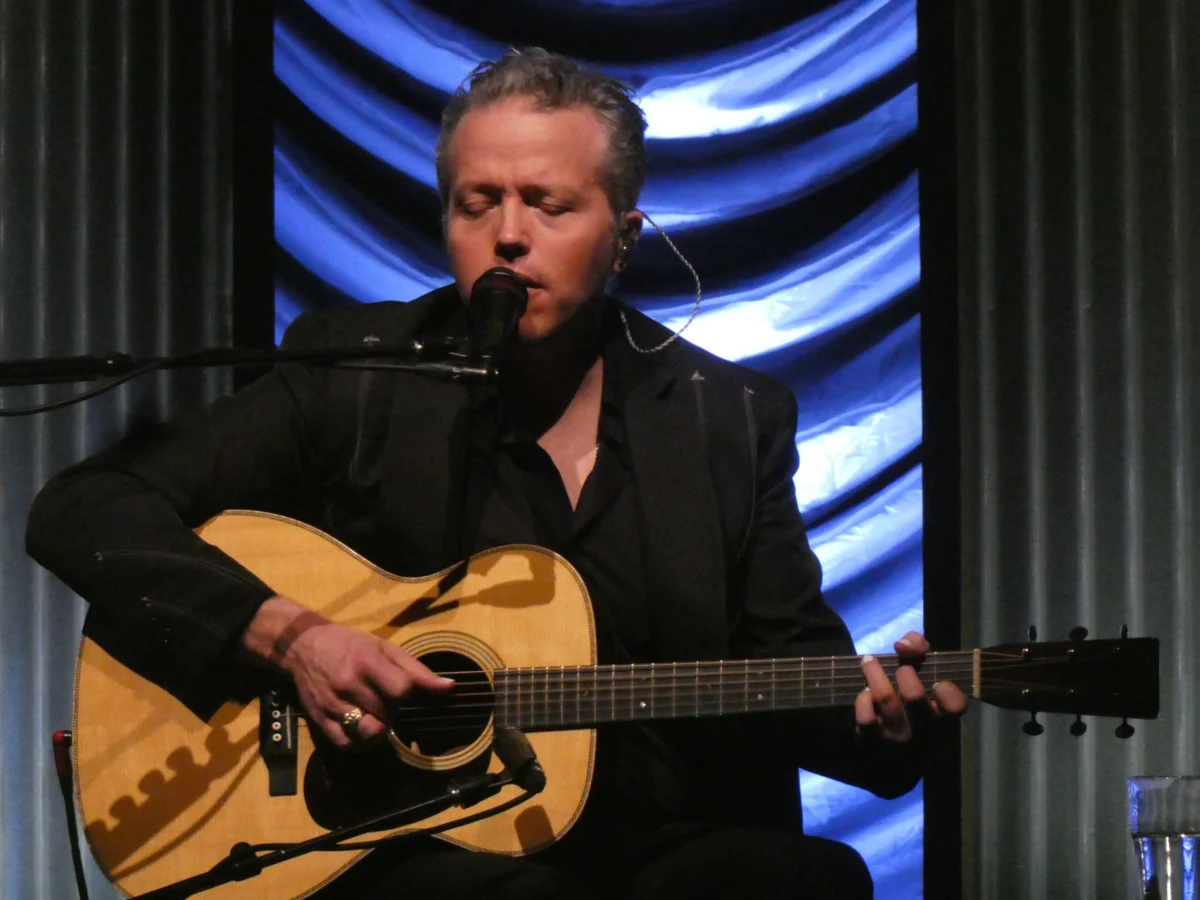
The legal frontier of generative artificial intelligence has shifted from the battlefields of copyright infringement to the more personal, and potentially more volatile, terrain of identity rights. In a landmark federal lawsuit filed this week in the U.S. District Court in Massachusetts, a coalition of high-profile musicians—led by Grammy-winning Americana stalwart Jason Isbell—has launched a direct assault against the AI music platform Suno.
The plaintiffs, a diverse group including Cracker and Camper Van Beethoven frontman David Lowery, Texas blues luminary Guy Forsyth, and renowned Florida-based saxophonist Eduardo Calle, allege that Suno has systematically misappropriated their personas to fuel its commercial success. Unlike previous litigation that focused on the ownership of sound recordings, this suit zeroes in on the commodification of the human essence: the unique "voiceprints" and stylistic identities that define an artist’s professional life.
The "Borg" Comparison: A New Legal Theory
At the heart of the complaint is a provocative metaphor: the Borg. Referencing the relentless, hive-minded antagonists from the Star Trek franchise, the lawsuit likens Suno’s underlying technology to an assimilation machine.
"Resistance is futile," the plaintiffs’ attorney, Alan D. Rose, wrote in the filing, invoking the Borg’s famous mantra. The complaint argues that Suno has restructured the creative output of musicians into its own "hive mind," allowing users to generate tracks that are essentially "similar, if changed versions" of the artists themselves.
The core of the legal argument is that an artist’s identity is a form of property, distinct from the copyright of any individual song. "A musician’s identity is their property, but Suno took it without consent," Rose asserted. "This lawsuit is how these musicians resist the premise that resistance is futile."
Chronology of Conflict: The Rise of Generative Audio
The tension between the music industry and AI developers has been building since the explosive public launch of generative audio tools in 2023.
- Early 2023: Generative AI models for music began gaining traction, with platforms like Suno and Udio promising to democratize music production. Users quickly discovered that by prompting these models with specific artist names, they could generate tracks that mimicked the vocal timbre, phrasing, and stylistic signatures of popular performers.
- Late 2023 – Early 2024: Major record labels and independent music publishers began to sound the alarm. Universal Music Group, Sony Music Entertainment, and Warner Music Group initiated legal inquiries into the training data used by these platforms.
- Mid-2024: Legal pressure mounted as companies like Round Hill Music filed suit. During this period, Warner Music Group opted for a strategic pivot, settling with Suno and entering into a partnership to develop "licensed" models—a move that highlighted the industry’s internal divide between those seeking to litigate and those seeking to capitalize on AI integration.
- October 2024: The filing of the Isbell-led lawsuit marks a significant evolution in strategy. By shifting the focus from copyright—which is often subject to complex licensing deals and record label ownership—to the right of publicity and personal identity, the plaintiffs are attempting to bypass the limitations of traditional intellectual property law.
The Mechanism of Misappropriation: "Voiceprints" and Guardrails
While Suno’s CEO, Mikey Shulman, has maintained a public stance of compliance, the plaintiffs’ legal team paints a different picture. Shulman stated in a blog post last month that Suno does not retain artist names in its metadata and that its models are not designed to allow users to prompt for specific performers.
The lawsuit challenges this technical defense as a "veneer" of safety. The plaintiffs claim that Suno has ingested "voiceprints"—distinctive acoustic signatures—that remain embedded in the model’s weights. They argue that users can easily circumvent Suno’s safety guardrails through creative prompting. By asking for tracks that invoke an artist’s "tone and phrasing," by using real names instead of stage names (as in the case of the rapper Common), or by using character-spacing techniques to mask names, users can consistently extract "cloned" performances.
"It encoded musicians’ identities into its AI model to create its commercial product without consent," Rose wrote, "and now exploits those identities by publicly using musicians’ names to Suno’s considerable commercial benefit." The suit further alleges that Suno’s marketing partners were encouraged to tout these capabilities to attract users, directly contradicting the company’s internal safety claims.
Implications for the Music Industry and Legal Precedent
The stakes of this litigation extend far beyond the plaintiffs named in the complaint. If the court agrees that "identity rights" are independent of copyright ownership, it could trigger a seismic shift in how AI companies handle training data.
1. The Right of Publicity
For decades, the "right of publicity"—the right of an individual to control the commercial use of their name, image, and likeness—has been used primarily by actors and athletes. This case seeks to codify that musicians hold a similar right to their "sonic likeness." If successful, this would prevent AI companies from training models on specific artist datasets without explicit, separate licensing agreements, regardless of whether those artists still own their master recordings.
2. A Fragmented Legal Landscape
The industry is currently divided. Major labels are increasingly signing "coexistence" deals with AI firms, effectively creating a "walled garden" where only major-label artists can be legally cloned or sampled. This lawsuit represents the "independent" front, where artists are fighting for the right to refuse participation in the AI ecosystem entirely.
3. Economic Consequences
The plaintiffs are seeking class-action status, statutory damages, and punitive damages. They are also demanding a permanent injunction to stop Suno from capturing and monetizing the identities of the artists in the class. If the court forces Suno to purge its models of these "voiceprints," it could necessitate a complete "retraining" of their AI systems, a process that is astronomically expensive and technically complex.
The Road Ahead
Suno has thus far declined to comment on the specifics of this new lawsuit, preferring to rely on their previous statements regarding their commitment to protecting artists. However, as more artists join the suit, the company’s ability to remain silent will diminish.
The legal battle will likely turn on the definition of "transformative use." Suno will likely argue that their AI is a new tool for creativity, protected by fair use, and that their models create original music rather than copying the work of others. The plaintiffs, conversely, will argue that the machine is not creating "original" music, but rather engaging in a sophisticated, automated form of identity theft.
For Jason Isbell and his colleagues, this is a fight for the future of the profession. In an era where "content" is increasingly generated by algorithms, the value of the human performer is being distilled down to data points. By asserting that an artist’s identity is their own, regardless of the technology used to harvest it, this lawsuit serves as a final stand against the erosion of the individual in the digital age.
As the case proceeds through the Massachusetts district court, the global music community will be watching. The result will likely set the gold standard for how human creativity is protected—or sacrificed—at the altar of artificial intelligence.










