Layla Zulfa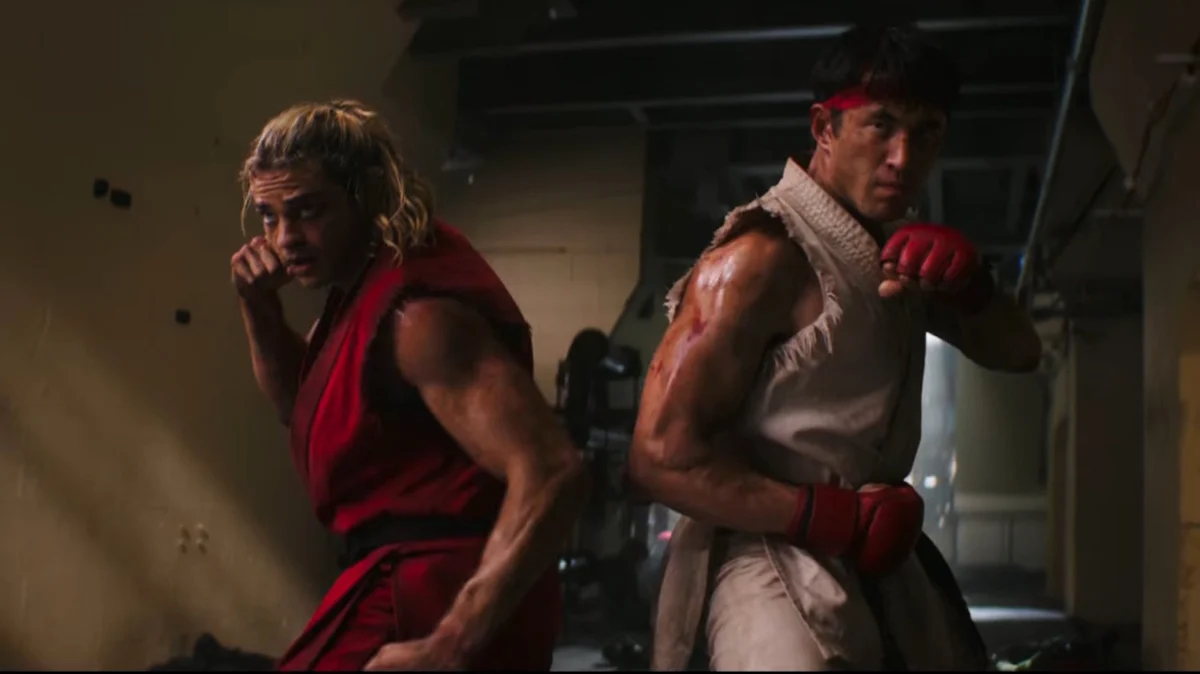
The fighting game genre has long struggled to translate its arcade-born, high-octane DNA into the medium of live-action film. From the notorious 1994 cult classic to the more grounded, gritty adaptations of the modern era, the Street Fighter property has spent decades searching for its cinematic identity. However, with the release of the latest trailer, it appears that director Kitao Sakurai has found the answer: stop trying to be serious and start embracing the absolute absurdity of the source material.
Paramount Pictures’ upcoming Street Fighter adaptation is shaping up to be a masterclass in cinematic maximalism. Far from the drab, desaturated color palettes that dominate contemporary action cinema, this film leans heavily into the neon-soaked, hyper-stylized aesthetic of Street Fighter II. It is silly, it is campy, and most importantly, it looks like a genuine blast.
The Core Facts: A Departure from Tradition
The latest promotional footage confirms that the film is not attempting a gritty reboot or a grounded reimagining. Instead, it is a high-octane, neon-drenched love letter to the 90s arcade era. The film centers on the core roster of world warriors, including Ryu, Ken, and Chun-Li, as they navigate a world where physics are merely a suggestion and special moves are a way of life.
Director Kitao Sakurai, best known for his collaborative work with Eric Andre on The Eric Andre Show, brings a distinct, chaotic visual sensibility to the production. The trailer showcases a world that is vibrant, sweaty, and unapologetically artificial. The inclusion of Jason Momoa as a CGI-heavy rendition of Blanka serves as the ultimate litmus test for the film’s tone; it is a creative choice that prioritizes visual spectacle and character faithfulness over grounded realism.
Chronology of a Production: From Teaser to Spectacle
The road to this cinematic vision began in earnest during the Game Awards, where the initial teaser trailer ignited a wildfire of speculation and excitement. Set to the driving, aggressive beat of "Punk Tactics," the teaser offered the first concrete evidence that the production team understood the assignment: Street Fighter is about the visceral thrill of combat, not the intricacies of political intrigue or complex world-building.
Following the initial hype, the latest trailer has provided a more granular look at the choreography and visual effects. The chronology of the production suggests a deliberate shift away from the "prestige" adaptations that have dominated the last decade of video game-to-film transitions. By choosing a director with a background in surrealist comedy and unconventional visual storytelling, Paramount has signaled that they are aiming for a cult classic status rather than a standard blockbuster release.
Supporting Data: Why Maximalism Works for Street Fighter
The decision to lean into "camp" is not merely an aesthetic choice; it is a calculated response to the limitations of adapting fighting games. Historically, when studios have attempted to add "weight" or "realism" to these characters, the results have felt hollow.
- Color Palette: The film utilizes a high-saturation approach that mirrors the iconic art style of the 16-bit era. This visual consistency acts as a shorthand for the audience, signaling that the film exists in a heightened reality.
- Choreography: The footage highlights an emphasis on "thighs of fury"—specifically in the staging of Chun-Li’s combat sequences. By prioritizing well-staged, stylized action over shaky-cam realism, the film honors the rhythmic, pattern-based nature of the original games.
- Special Effects: The inclusion of "real-life" hadoukens and energy-based projectiles is a bold move. By leaning into the supernatural elements rather than hiding them, the filmmakers are avoiding the "uncanny valley" trap that plagues films that try to make magic look "scientifically plausible."
Official Responses and Creative Vision
While the studio has remained relatively tight-lipped regarding specific plot details, the director’s creative fingerprints are all over the production. Sakurai’s background suggests that the humor in the film will be sharp, frantic, and perhaps a bit uncomfortable. This is a stark departure from the polished, safe action movies typically pushed by major studios.
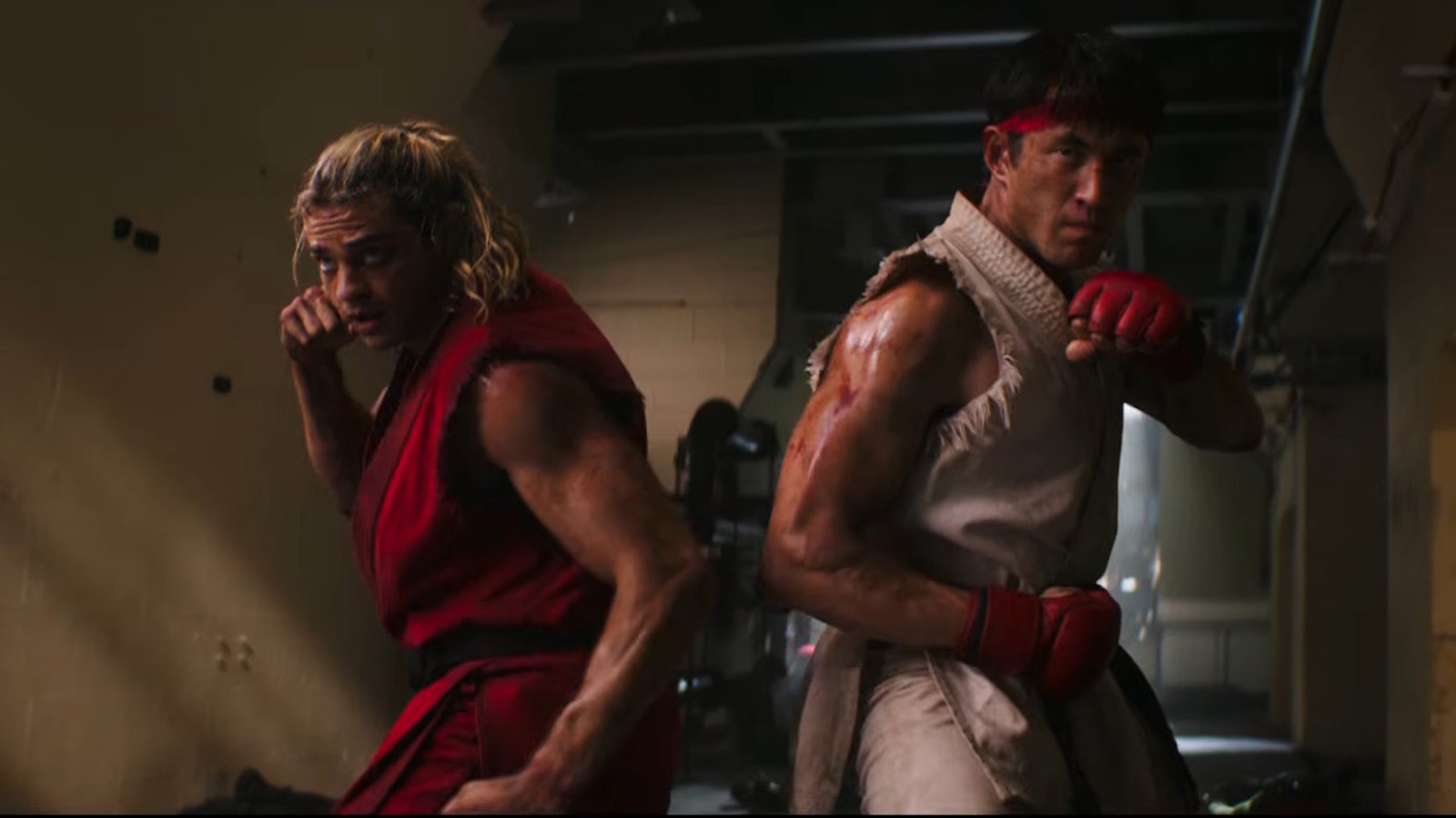
In industry circles, the "Sakurai approach" is being viewed as a potential pivot point for video game adaptations. Rather than hiring directors who want to "fix" the source material, studios are increasingly looking toward visionaries who want to amplify the inherent quirks of the games. If the full film maintains the frenetic energy of its marketing campaign, it could establish a new template for how to handle franchises that were never meant to be taken seriously in the first place.
The Implications: A New Era for Gaming Adaptations
The implications of this film’s success—or failure—are significant. We are currently in a "Golden Age" of video game adaptations, with successes like The Last of Us, Fallout, and The Super Mario Bros. Movie setting a high bar for quality. However, Street Fighter is different. It is not a story-heavy property; it is a mechanical one.
The Summer Face-off That Wasn’t
One of the most interesting discussions surrounding the film is the missed opportunity for a box office showdown with Mortal Kombat 2. Industry analysts had speculated on the potential for a "Fighting Game Summer," where the two titans of the 90s arcade scene would clash at the multiplex. The lack of a direct head-to-head release is seen by many fans as a missed marketing opportunity, as the two franchises represent opposite ends of the spectrum: Mortal Kombat’s obsession with grim, visceral gore versus Street Fighter’s vibrant, sport-like spectacle.
Market Positioning
Paramount’s decision to position Street Fighter as a maximalist, campy experience places it in direct competition with the "superhero fatigue" currently affecting the film industry. Audiences are increasingly showing a preference for films that offer a distinct visual identity, even if that identity is inherently "silly." By fully committing to the cheesiness of the franchise, the film is insulating itself against criticisms of being "too serious" or "not accurate enough."
Conclusion: Embracing the Hadouken
Whether or not the final product delivers on the promise of its trailer, the trajectory of this production is a fascinating case study in modern IP management. In a landscape filled with grim, dark, and hyper-realistic reboots, there is a refreshing honesty in a film that admits it is, at its core, a movie about people in colorful outfits performing impossible feats of martial arts.
The upcoming Street Fighter film is not attempting to win Oscars or redefine the genre. It is, by all indications, aiming to be a visceral, loud, and intentionally absurd experience that respects the chaotic spirit of the games that inspired it. For fans who have waited years for a live-action version that captures the "feel" of the arcade, that might be exactly what the doctor ordered. If the goal is to capture the infectious energy of a Saturday morning cartoon mixed with the high-stakes intensity of a tournament final, Paramount looks to be on the right path.
As we approach the release date, the question is no longer whether Street Fighter can be a "good" movie in the traditional sense, but whether it can successfully capture the lightning-in-a-bottle energy of its source material. Given the commitment to color, choreography, and the sheer audacity of its visual style, the signs are promising. It is time to stop worrying about the plot and start worrying about how to translate a Hadouken to the big screen—and, based on the trailers, it looks like the team behind the camera has finally cracked the code.


 Rifan Muazin