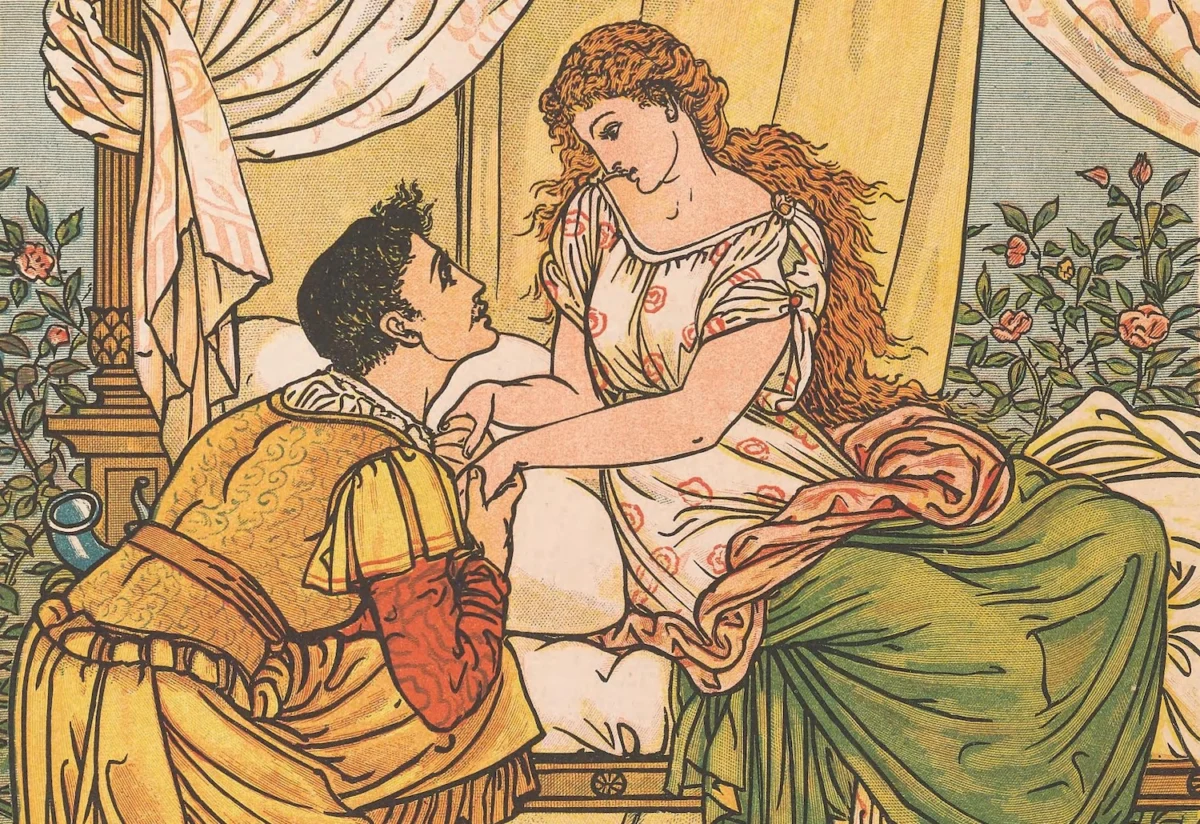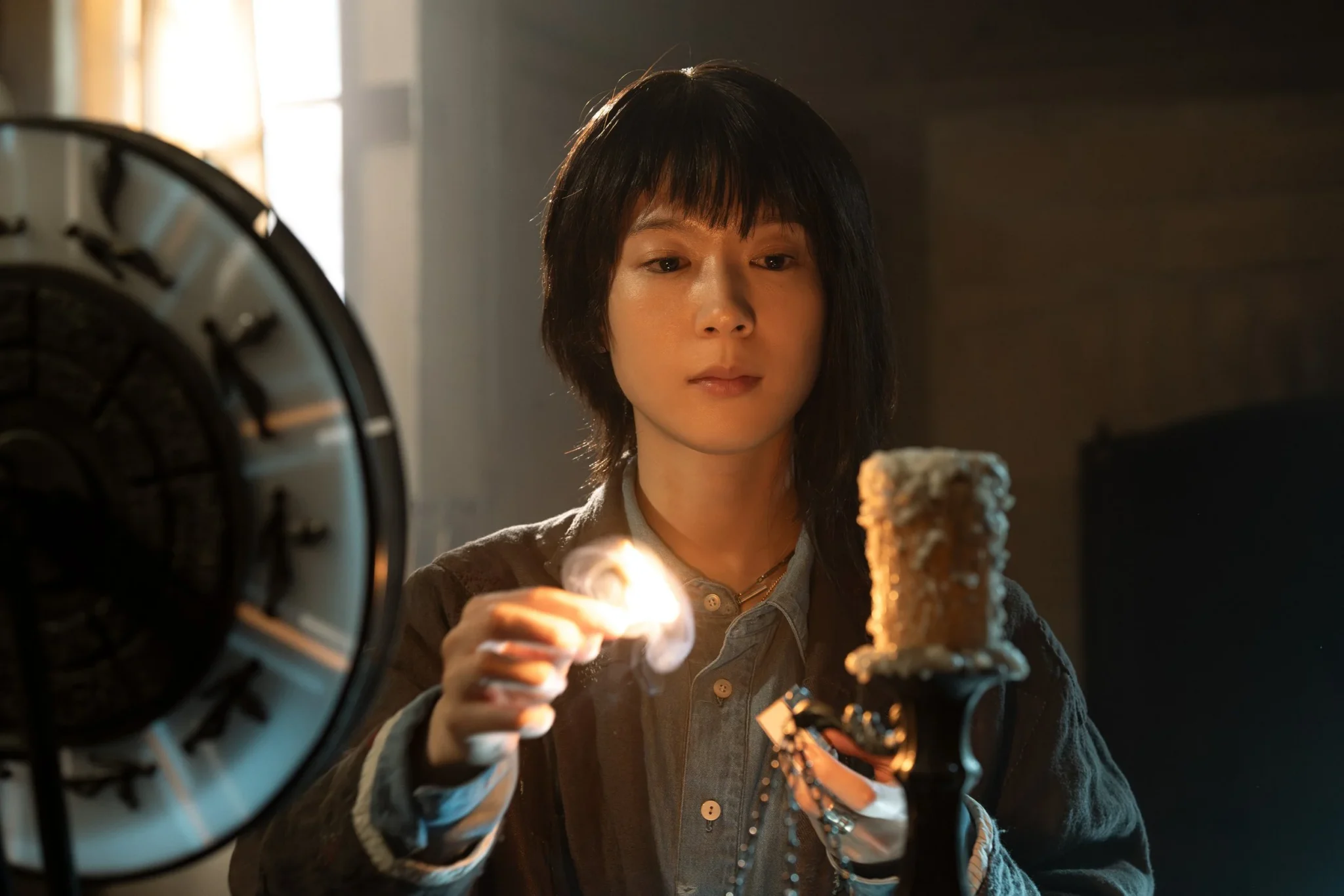
Everyone loves a good fairy tale. Whether they are rendered as grotesque, ethereal, or brought to life through the iconic, haunting narration of Shelley Duvall, there is an inherent, gravitational pull to the fantasy genre. It is a tapestry woven with threads we recognize by heart: the rebellious princess, the untamed wild magic, the strange creatures, the daring quest, the fire-breathing dragon, and the cold-hearted stepmother. These tropes are the DNA of our childhoods, yet they remain perpetually exhilarating—feeling simultaneously like a relic of the past and a discovery of the present.
The most compelling iterations of these stories do not simply retell the classics; they invite the audience into the margins. They leave just enough to the imagination, allowing contemporary writers to fill in the gaps, subvert expectations, and poke fun at the rigid conventions of the past. As the genre continues to evolve, we find ourselves in a golden age of "fractured" fairy tales. Below, we examine eight masterworks that redefine what it means to live "happily ever after."

The Chronology of Revisionism
Fairy tale revisionism is not a new phenomenon, but the pace at which modern authors are deconstructing these myths has accelerated in the 21st century. While writers like Angela Carter laid the groundwork for the dark, adult subversion of folklore in the 1970s, contemporary authors have moved toward a more meta-textual approach.
The current landscape of fractured fairy tales began shifting in the 1980s and 90s, with authors like Diana Wynne Jones and John Barnes challenging the "rules" of the genre. Today, this trend has blossomed into a sophisticated dialogue between the canonical texts of the Brothers Grimm or Hans Christian Andersen and modern, high-fantasy sensibilities.

One For the Morning Glory by John Barnes
In Barnes’s masterful narrative, the infant Prince Amatus accidentally consumes the Wine of the Gods, resulting in the literal disappearance of his entire right side. This physical erasure sets off a chain reaction: his caretakers are executed for their failure, and four bizarre strangers arrive to fill the void. Barnes crafts a world where all stories are recognized as objective historical truth. The characters are painfully aware of their roles, actively struggling to stay one step ahead of the narrative arcs that threaten to define—and consume—them. It is a profound meditation on the stories we believe and the quest for an ending that is not necessarily perfect, but simply "happy enough."
Howl’s Moving Castle by Diana Wynne Jones
Perhaps no work captures the "cockeyed" approach to magic better than Jones’s seminal novel. When the young hatmaker Sophie is cursed into the body of an old woman by the Witch of the Wastes, she finds refuge in the interdimensional fortress of the vain, erratic Wizard Howl. The brilliance of this work lies in how it treats magic as a messy, domestic inconvenience. Jones highlights the absurdity of living in a world where everyone knows the "rules" of fairy tales and acts accordingly, while never shying away from the genuine, high-stakes danger posed by demons and jilted lovers.

The Enchanted Forest Chronicles by Patricia C. Wrede
Wrede’s series flips the script on the "damsel in distress" trope with surgical precision. Princess Cimorene and her dragon companion, Kazul, aren’t interested in being saved; they are interested in maintaining their quiet, intellectual life of treasure-sorting and avoiding the meddlesome knights who insist on "rescuing" them for the sake of royal rewards. By blending slapstick comedy with a robust, original magic system, Wrede offers a refreshing look at what happens when characters refuse to play along with the roles forced upon them by tradition.
Supporting Data: Themes in Modern Folk-Fantasy
A cross-analysis of these works reveals a consistent shift in the "Fairy Tale" paradigm. Whereas traditional tales focused on moral binaries (good vs. evil, victim vs. villain), modern fractured fairy tales emphasize the agency of the marginalized.

- Self-Awareness: Characters in these novels (notably in Barnes and Jones) understand the mechanics of their world’s folklore.
- Deconstruction of the "Chosen One": In works like Uprooted by Naomi Novik, the traditional "sacrifice" is subverted. When Agnieszka is chosen instead of her perfect, "damsel-coded" friend Kasia, the narrative pivots to explore the messy, uncontrolled nature of power.
- World-Building as Critique: Authors like Joan Tierney utilize "new weird" post-apocalyptic settings to show how fairy tale tropes might survive in a world where the old gods have failed.
Official Responses and Literary Reception
The critical reception of these works has been overwhelmingly positive, with many literary scholars noting that these authors are effectively "reclaiming" the genre for adult readers. The shift away from didactic morality plays toward complex, character-driven narratives has allowed the fantasy genre to tackle modern anxieties.
"The best fractured fairy tales serve as a mirror," says literary critic Dr. Elena Vance. "They show us that our current obsession with self-definition and the questioning of authority is not a modern invention, but something that has been hidden in the subtext of folklore for centuries."

Implications for the Future of the Genre
What does this mean for the future of fantasy literature? The popularity of these books suggests a move away from the "High Fantasy" of the mid-20th century, which often leaned on monolithic world-building (the Tolkien model), toward a more intimate, subjective style.
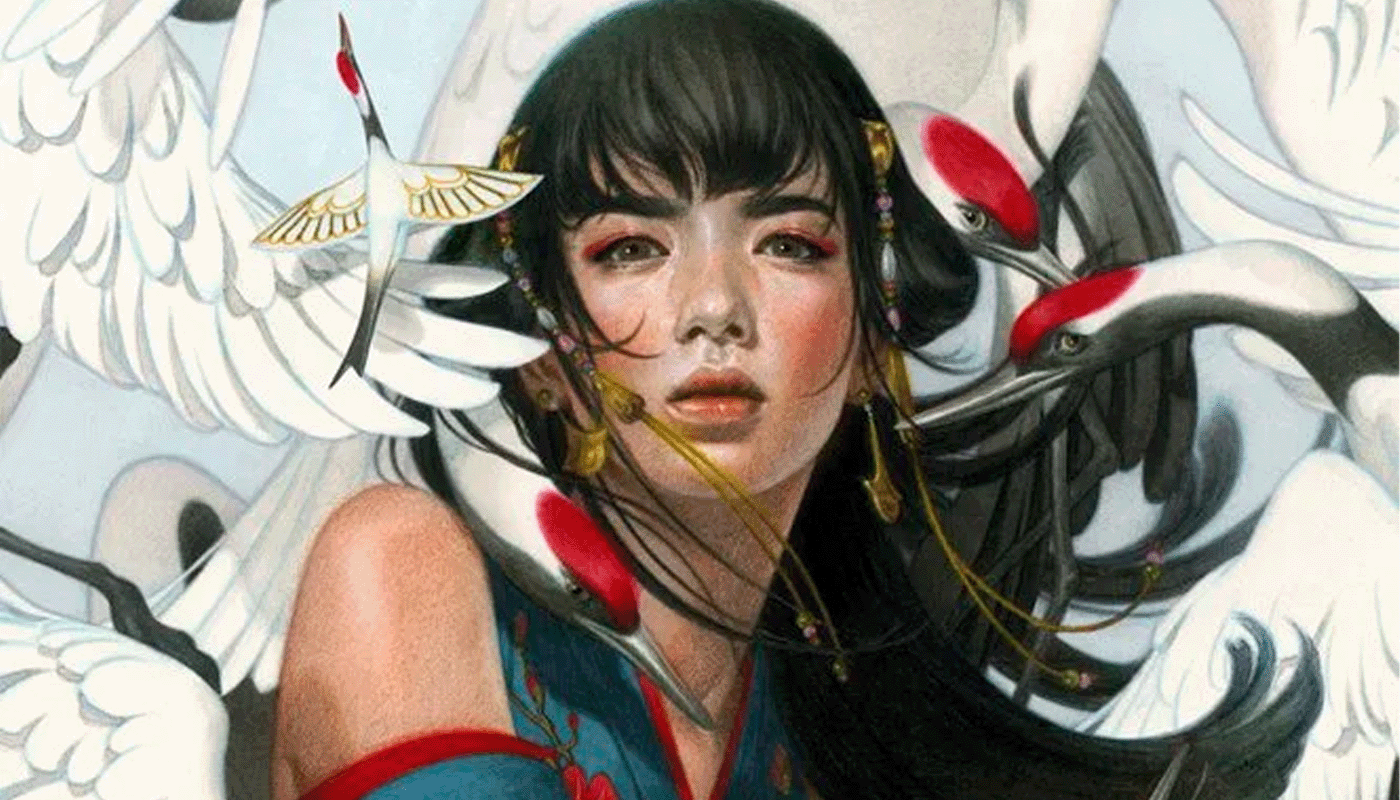
Six Crimson Cranes by Elizabeth Lim
Lim’s work represents the next generation of this movement, blending the lush, beautiful imagery of East Asian folklore with the chaotic, unpredictable nature of wild magic. By forcing her protagonist, Princess Shiori, to navigate a world where she is cursed into silence, Lim explores themes of identity and power that resonate deeply with contemporary readers.

Bridge of Birds by Barry Hughart
Hughart’s "Ancient China that never was" remains a benchmark for the genre. By pairing a naive, physically strong boy with an elderly, morally ambiguous detective, Hughart creates a platform to deconstruct ghost stories and folktales from the inside out. His work serves as a reminder that the most "serious" literature is often the kind that knows when to be incredibly funny.
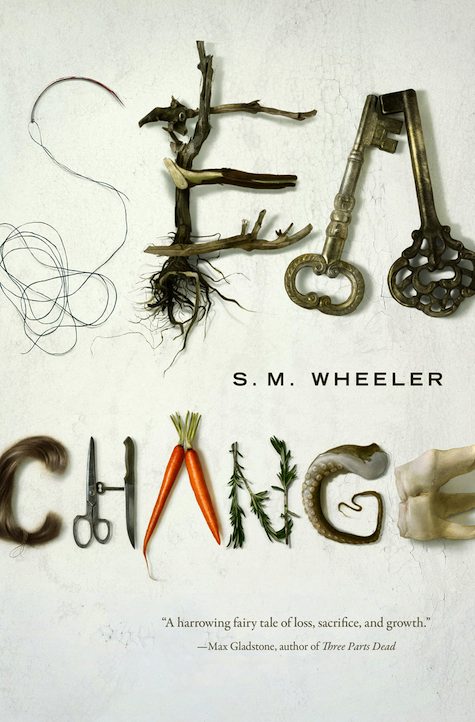
Sea Change by S.M. Wheeler
Wheeler takes a bleaker approach, grounding the magical in the grotesque. In the relationship between Lilly and her kraken companion, Octavius, we see a deconstruction of the "friendship" tropes found in childhood stories, replaced by a narrative of trauma, loss, and the painful process of growing up.

Misery’s Wife by Joan Tierney
Tierney’s recent work rounds out this list by pushing the genre into the "new weird." By setting a classic fairy tale in a post-apocalyptic landscape where men have lost their grip on the earth, she forces readers to look at the foundations of these stories in a world that has already ended. It is a bold, necessary evolution.
Conclusion
The "Once Upon a Time" is no longer a static opening; it is an invitation to experiment. As these eight authors demonstrate, the power of the fairy tale lies not in its ability to tell us the same story over and over, but in its capacity to change, shatter, and rebuild itself alongside our own shifting understanding of the world.
Whether you are looking for the intellectual wit of John Barnes, the dark humor of Barry Hughart, or the haunting, beautiful subversions of Naomi Novik, the modern landscape of fantasy offers a bounty of "happily ever afters"—even if, as we have learned, "happy enough" is often the most honest ending of all.
What are your favorite subversions of classic folklore? Join the conversation in the comments below.