In the rarefied world of high-end collectibles, where a single statue can command thousands of dollars and become the centerpiece of a dedicated fan’s collection, the transition from concept to physical reality is a complex, multi-stage odyssey. At the heart of this process is the digital sculptor—a master of both anatomy and technology. Among the most respected names in this field is Argentine artist Emiliano Calderón, whose 11-year career has helped shape the visual language of pop culture icons for industry giants such as Sideshow Collectibles, Queen Studios, and Superkraft Lab.
By blending the tactile sensibilities of traditional clay sculpting with the infinite precision of digital workflows, Calderón has carved out a niche that bridges the gap between digital fantasy and physical permanence.
The Evolution of a Digital Sculptor: A Chronology
Emiliano Calderón’s journey into the professional sphere of digital artistry was not an overnight success; it was a decade-long refinement of skills that began with an appreciation for traditional form.
The Formative Years (2013–2016)
Calderón began his career during a pivotal moment for the collectible industry. As 3D printing technology became more accessible and software like ZBrush matured, the barrier to entry for digital sculptors began to shift from physical molding to virtual modeling. In these early years, Calderón focused heavily on mastering the fundamentals of anatomy and the unique constraints of high-end manufacturing. He spent this period learning how to interpret 2D concept art into 3D space, a skill that remains his hallmark today.
The Professional Ascent (2017–2020)
By 2017, Calderón had established a reputation for reliability and extreme attention to detail. This period saw him securing contracts with major studios. His ability to handle complex surfaces—ranging from the porous skin of a monster to the high-gloss finish of a superhero suit—made him an invaluable asset. During this time, he moved beyond simple character modeling, beginning to experiment with dynamic posing and composition that prioritized storytelling within a static statue.
The Modern Era (2021–Present)
Today, Calderón is recognized as a leader in the field. He utilizes a sophisticated stack of software, primarily Maxon’s ZBrush, to push the boundaries of what is possible in mass-produced collectibles. His work is now characterized by its "pre-production ready" nature, meaning his digital files are optimized to withstand the rigors of molding and casting in various materials like polystone, resin, and PVC.
Case Studies: The Anatomy of a Masterpiece
Calderón’s expertise is best illustrated through his work on iconic characters. Here, he breaks down the philosophy behind three of his most acclaimed projects.
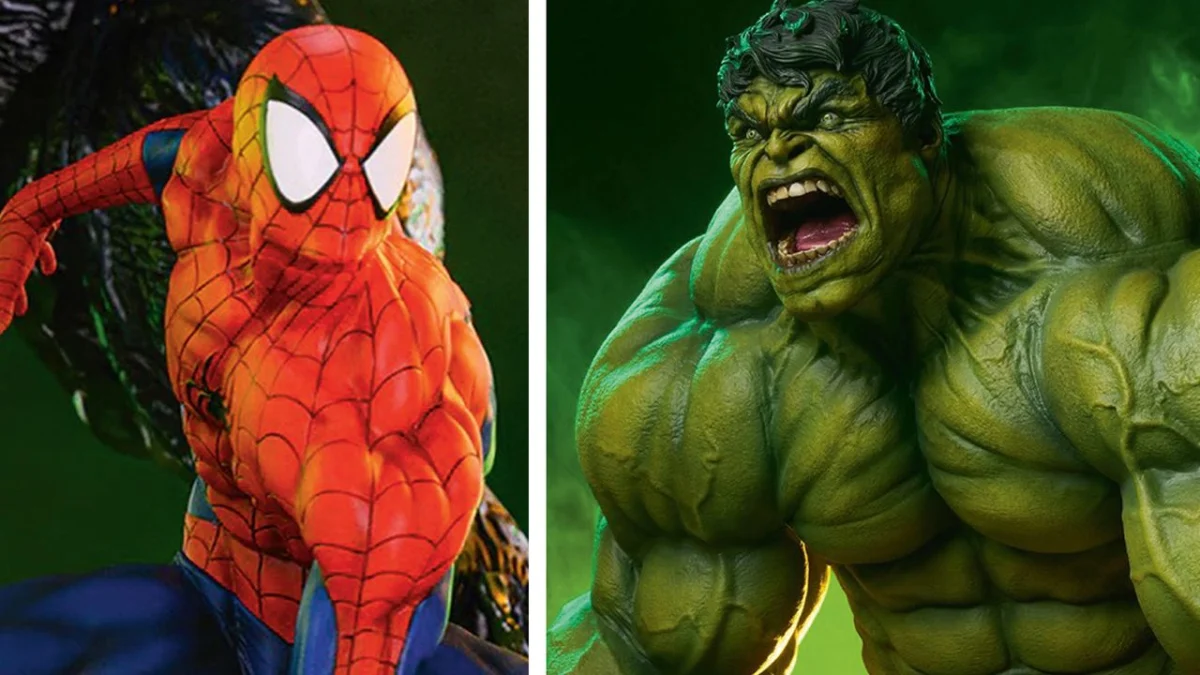
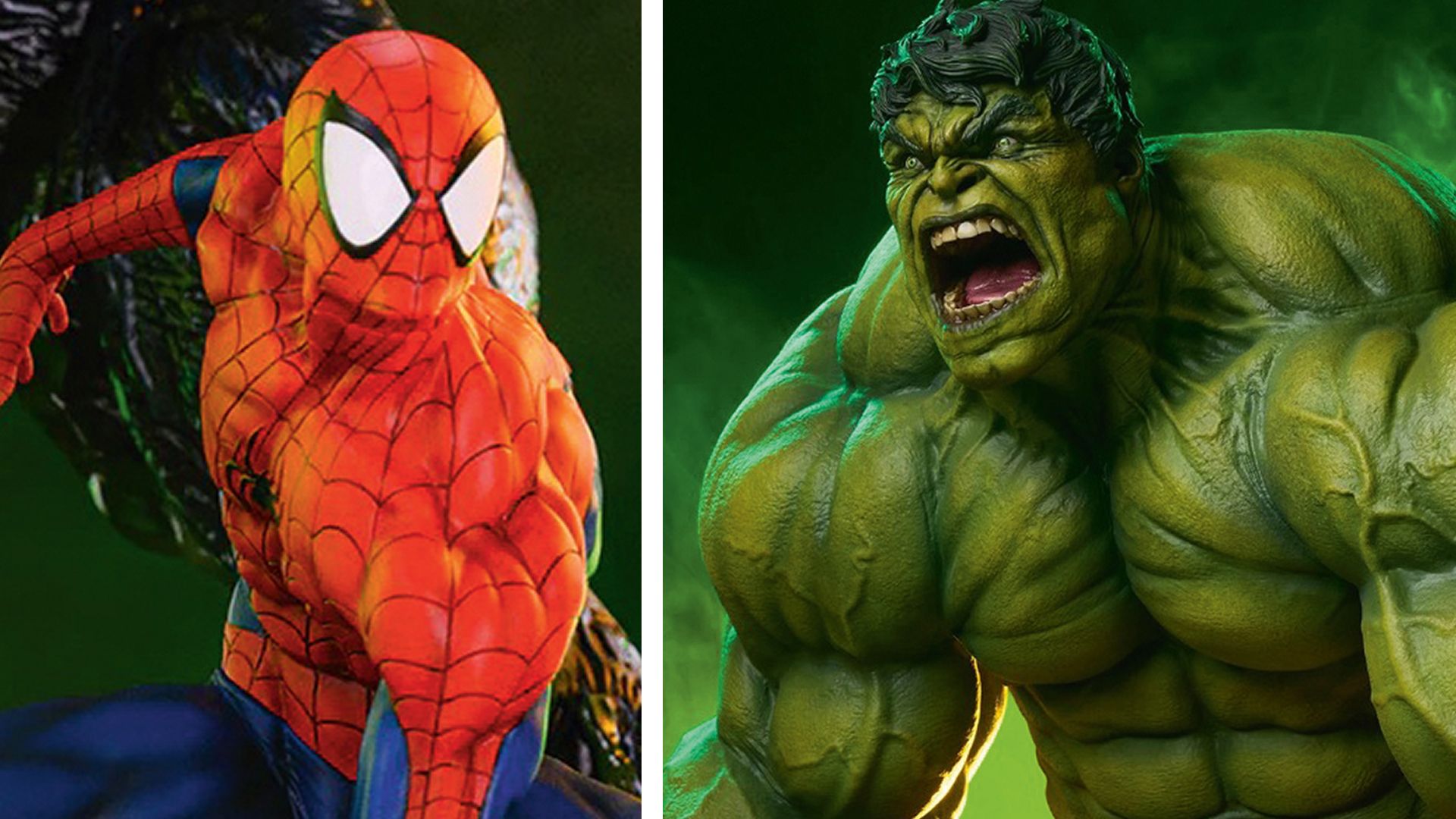
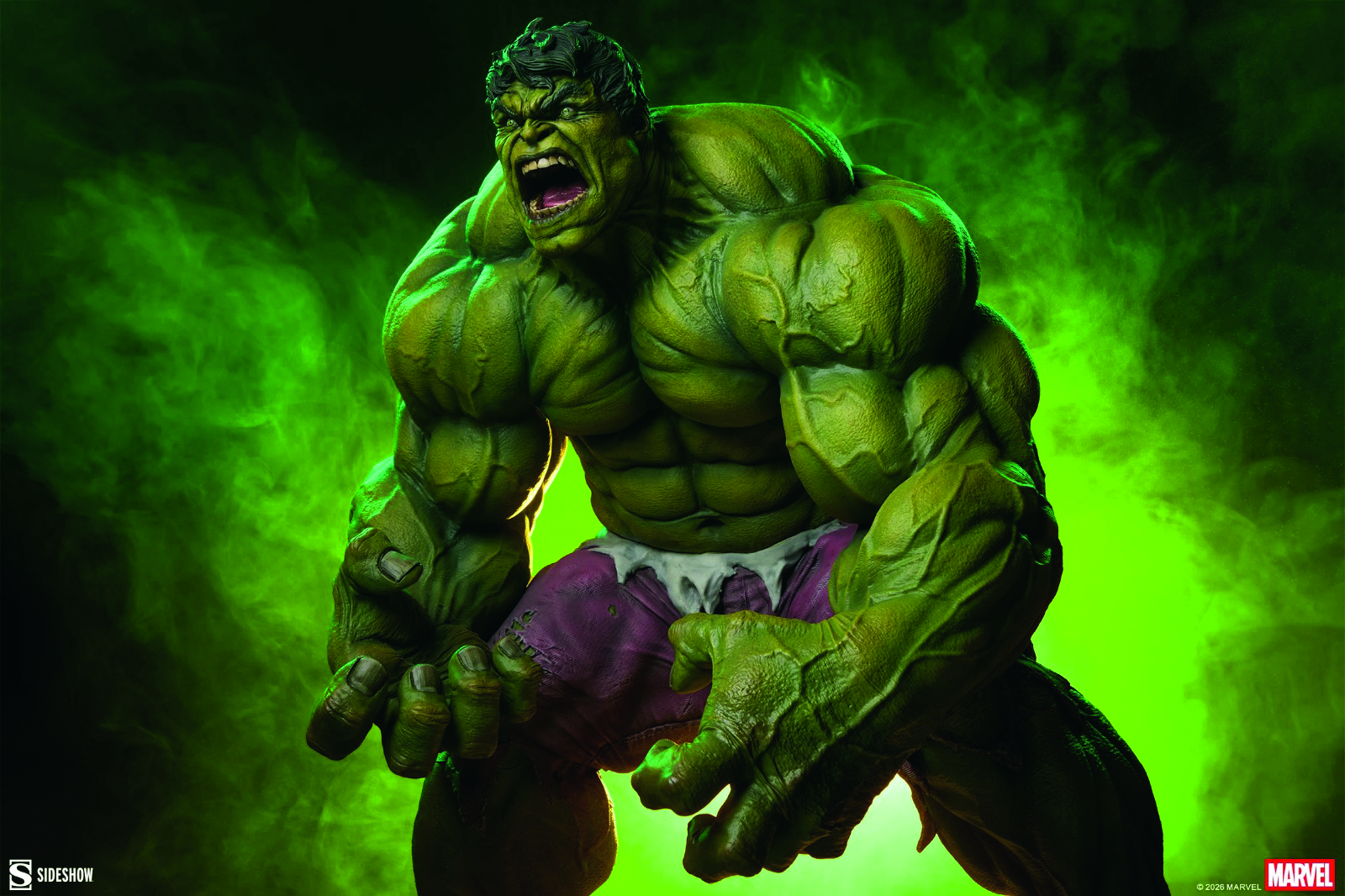
1. The Incredible Hulk: Capturing Dynamic Energy
When sculpting the Hulk, the challenge is not just size, but scale and weight. "I’m motivated by creating dynamic poses and conveying a strong personality when it comes to sculpting," Calderón notes. "It’s a fun challenge to remain faithful to the original character design while ensuring the pose conveys a sense of unstoppable momentum."
For a character as physically imposing as the Hulk, the digital workflow allows Calderón to adjust the muscular tension in real-time. By utilizing ZBrush’s layering system, he can experiment with the displacement of muscle fibers during a leap or a punch, ensuring the figure looks as though it is under immense physical stress.
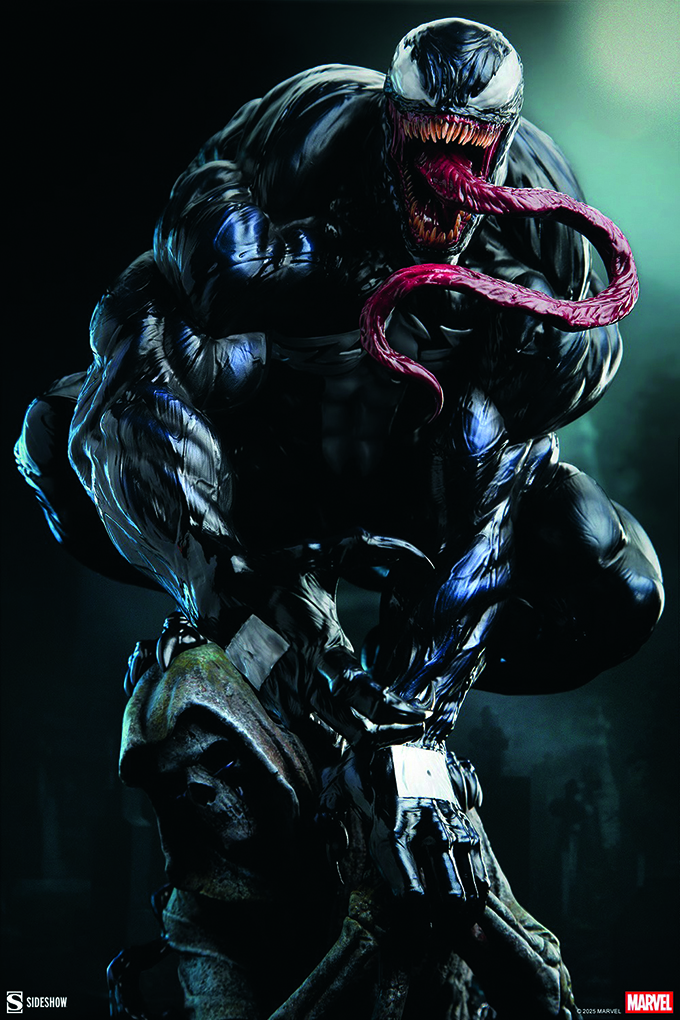
2. Venom: Mastering Organic Textures
Venom presents a different set of challenges. Unlike the Hulk, whose design is primarily anatomical, Venom is defined by his symbiotic, oily, and ever-shifting surface. "Organic sculpting is my greatest strength," says Calderón. "It allows me to emphasize the anatomy, fine surface detail, and texture."
In the digital realm, this involves creating a high-frequency map of the character’s skin. Calderón uses custom brushes to simulate the alien nature of the symbiote, creating subtle imperfections that, when cast in high-quality resin, catch the light in a way that feels inherently "alive."
3. Spider-Man: The Intersection of Realism and Iconic Design
The Spider-Man project allowed Calderón to explore the technical side of the industry. "Digital sculpting allows me to achieve exceptional levels of detail while preparing collectible statues for physical production," he explains. "Different materials enhance the sense of realism and quality."
When working on a character with a tight, patterned suit, Calderón must ensure that the geometry of the suit remains consistent across the entire body, even in complex, acrobatic poses. This requires a rigorous technical workflow where the digital mesh is treated with the same care as a traditional wax sculpture, ensuring that every web-line and suit texture translates perfectly during the physical molding process.
Industry Implications: The Digital-to-Physical Pipeline
The work of artists like Calderón has profound implications for the collectible market. In the past, physical sculpting was a slow, expensive process that left little room for error. If a sculptor made a mistake, the entire piece might have to be discarded.
The shift to digital sculpting has democratized the process while simultaneously raising the ceiling for quality. Because digital sculptors can iterate in real-time, studios can now produce more detailed, expressive, and accurate statues than were possible even twenty years ago. This has led to a "golden age" of collecting, where fans can purchase museum-quality pieces that look as if they were ripped directly from the pages of a comic book or a film frame.
Furthermore, the integration of 3D modeling has allowed for better collaboration between international teams. A sculptor in Argentina can work seamlessly with a manufacturing plant in China and a licensing office in the United States, with the digital file acting as the universal source of truth.
Supporting Data: The Tools of the Trade
For those aspiring to follow in Calderón’s footsteps, the technical requirements are significant. The current industry standard requires a blend of high-end hardware and specialized software:
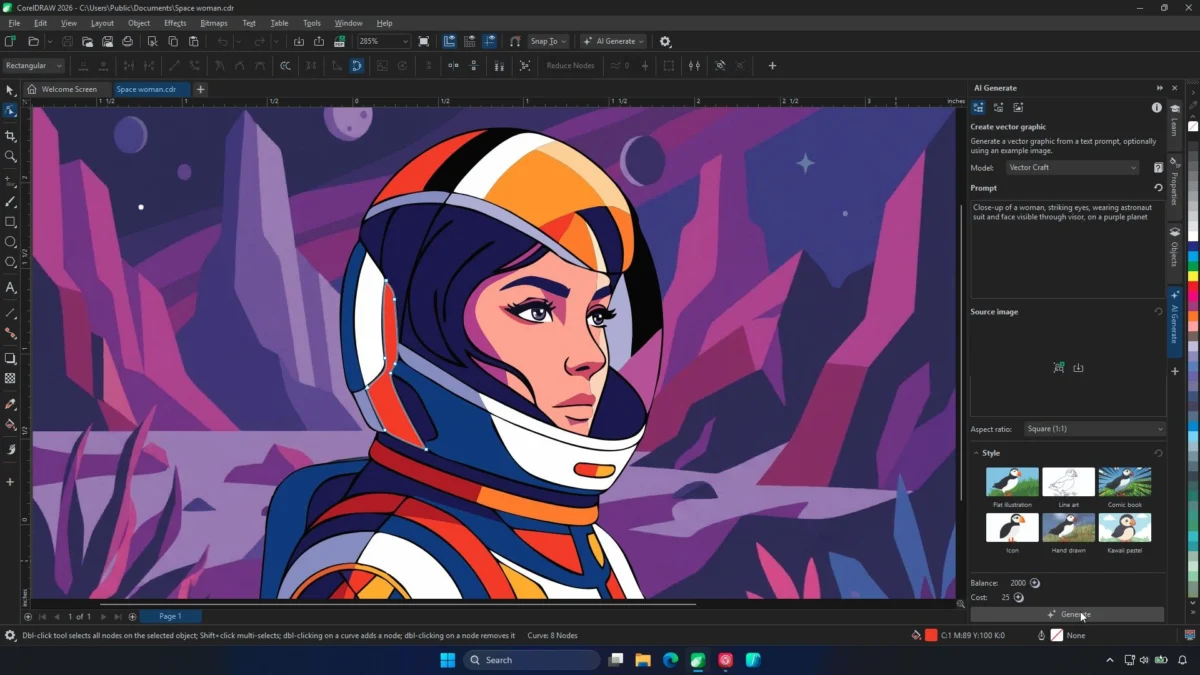
- ZBrush (Maxon): The undisputed industry standard for digital sculpting. Its ability to handle millions of polygons allows for the microscopic skin detail seen in Calderón’s work.
- 3D Modeling Suites: Beyond ZBrush, artists often utilize software like Maya or Blender for base-mesh creation and technical geometry, ensuring the statues are structurally sound for 3D printing.
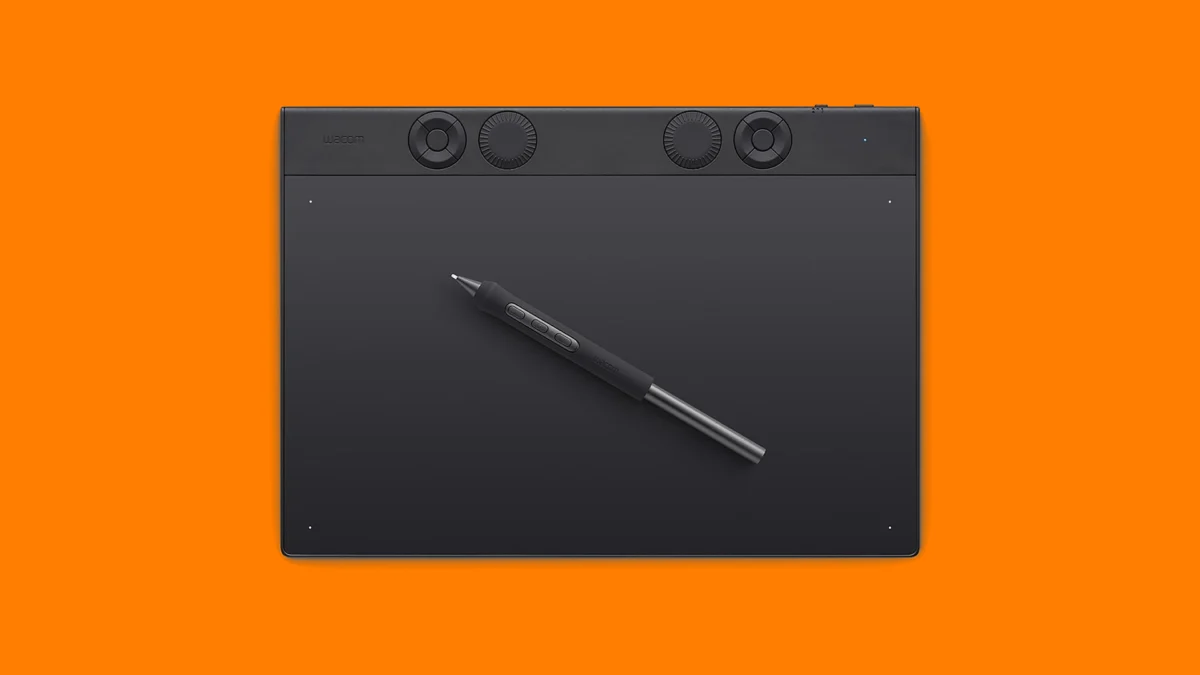
- Drawing Tablets: The physical input is vital. Professionals rely on high-fidelity pen displays (such as those from Wacom or Huion) that offer pressure sensitivity, allowing the artist to "carve" into the digital surface with the same nuance as a physical clay tool.
The Future of the Craft
Looking ahead, the role of the digital sculptor is set to evolve further. With the rise of AI-assisted modeling and more sophisticated rendering engines, the time between a character’s appearance in a movie and the release of a physical statue is shrinking.
However, Calderón emphasizes that the technology is only as good as the artist wielding it. The soul of the statue—the "strong personality" he refers to—cannot be generated by an algorithm. It requires a deep understanding of human (and superhuman) anatomy, an eye for composition, and the patience to refine every surface detail until it feels tangible.
As the industry continues to grow, artists like Emiliano Calderón serve as the essential bridge between the digital imagination of film studios and the physical shelves of collectors worldwide. His work is a testament to the fact that while the tools of the trade have changed, the fundamental principles of art—form, movement, and expression—remain the heartbeat of the industry.
For those interested in exploring the depth of his portfolio, Calderón’s work can be viewed on his ArtStation profile, which serves as a masterclass in digital anatomy and character design.