

Benjamin Franklin once famously quipped, "The three absolutes in life are death, taxes, and a new Call of Duty coming out every single year." Centuries later, the sentiment remains the North Star of the gaming industry. Despite the shifting tides of live-service trends and corporate restructuring under Microsoft’s acquisition of Activision Blizzard, the annual cadence of the Call of Duty franchise remains a structural pillar of the gaming calendar.
As we look toward the horizon, the cycle of development—led by a rotating ensemble of industry giants including Infinity Ward, Treyarch, and Sledgehammer Games—is already in motion for the next half-decade. By analyzing historical development patterns, current industry leaks, and the evolving technological requirements of modern hardware, we can map out a trajectory for the franchise from 2026 through 2030.
The Foundation: Modern Warfare 4 and the End of an Era (2026)
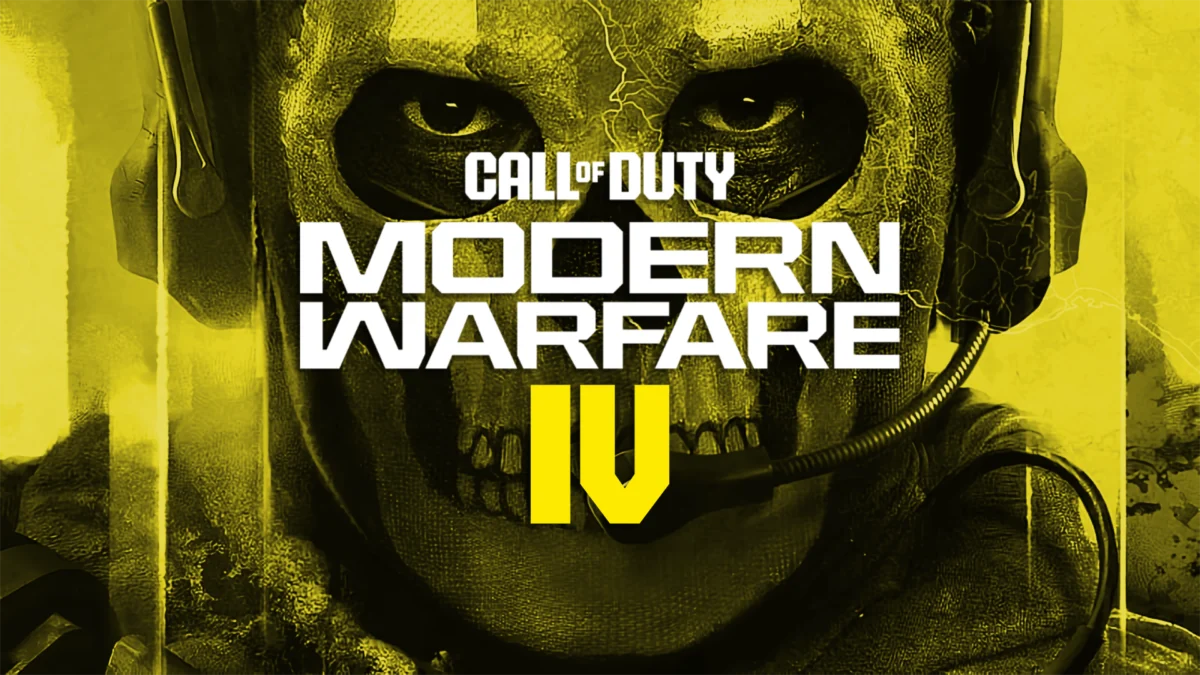
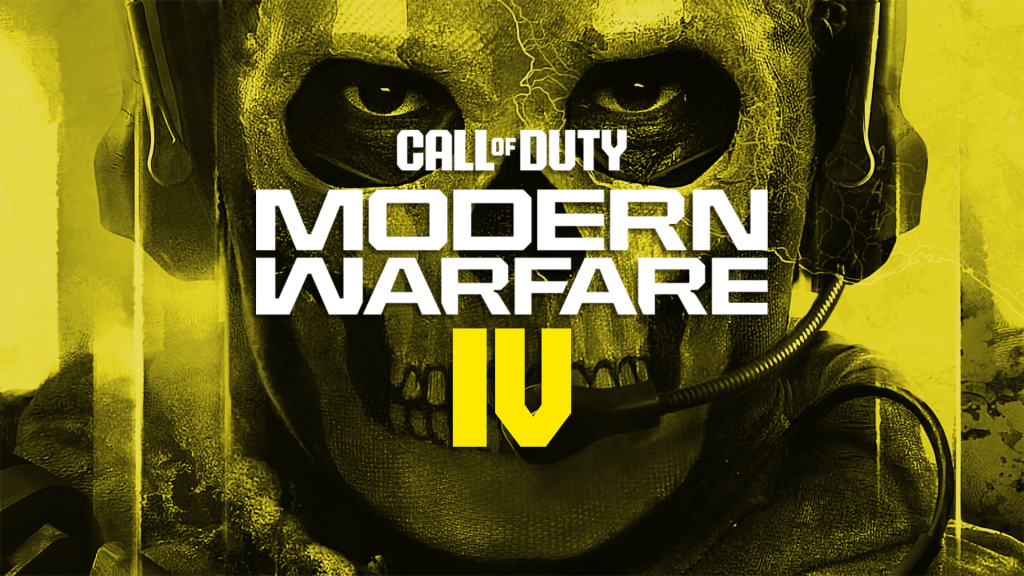
The immediate future is dominated by Infinity Ward’s upcoming 2026 entry, widely reported to be Modern Warfare 4. Official channels have confirmed that this title will mark a significant technological leap: it will be the first entry in the franchise to officially sunset support for last-generation consoles, focusing exclusively on current-gen hardware.
Tactical Shifts and Mechanical Revisions
According to industry insiders and dataminers, Modern Warfare 4 is positioned as a "course correction." After the high-octane, movement-heavy meta of recent years, Infinity Ward is reportedly looking to pivot toward a more grounded, tactical experience. Key leaks suggest the removal of "omni-movement" in favor of a refined tactical sprint system. Furthermore, the removal of the dedicated melee slot—a feature that had become a franchise staple—signals a move to simplify the combat loop and prioritize traditional weapon-based gunplay.
The Resurrection of DMZ
Perhaps the most significant structural change involves the 3rd game mode. While recent years have seen modes like DMZ relegated to the free-to-play Warzone ecosystem, reports indicate that a "DMZ 2.0" will be integrated directly into the premium Modern Warfare 4 package. This suggests a desire to add value to the base purchase, shifting the monetization model away from pure cosmetic sales toward a more robust, content-heavy premium offering.
The Narrative Finale
Narratively, Modern Warfare 4 is expected to serve as the definitive conclusion to the Modern Warfare saga that began in 2007. To provide a sense of finality, speculation suggests the franchise may finally kill off Captain Price. However, in true Call of Duty fashion, a post-credits "sting" will likely leave the door ajar, perhaps introducing a battle-scarred survivor to ensure the brand’s legacy remains intact, even as the specific sub-series reaches its sunset.
2027: Sledgehammer Games and the Espionage Paradigm
While Infinity Ward wraps up the MW saga, Sledgehammer Games is reportedly preparing to launch an entirely new sub-franchise in 2027. Unlike the established Black Ops or Modern Warfare pillars, this title aims to inject a fresh narrative and gameplay identity into the series.
The Rise of "Espionage"
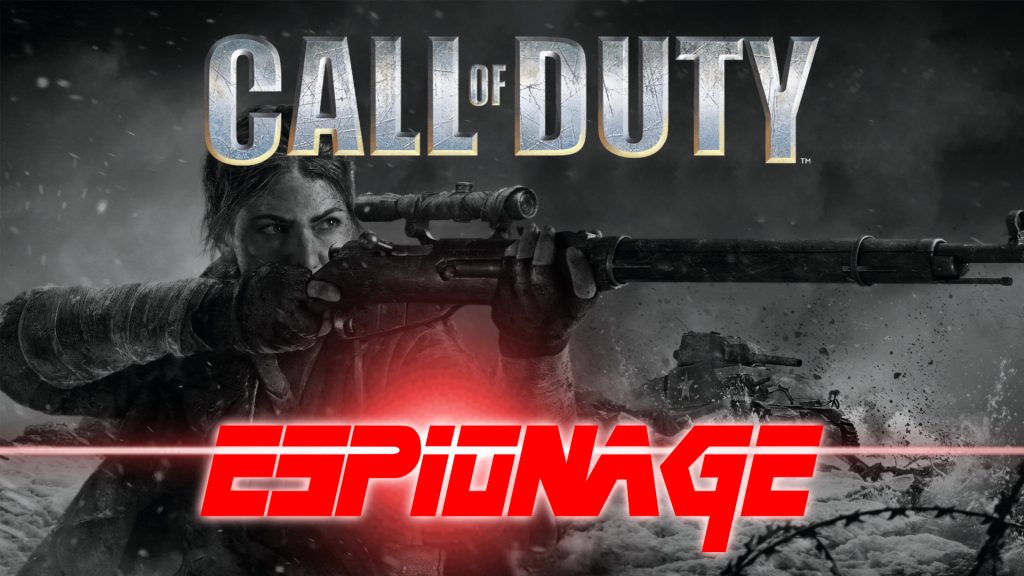
Dubbed Call of Duty: Espionage for the sake of this forecast, the 2027 entry is expected to move away from large-scale front-line warfare to focus on clandestine operations. With no "zombies" mode currently planned, the development team is reportedly leaning heavily into movement-based mechanics that emphasize agility, such as wall-climbing, slide-executions, and a "proto-parkour" system.
Gameplay and Mechanical Focus
The campaign is anticipated to prioritize stealth and environmental interaction, allowing players to utilize verticality and gadgets rather than brute force. In the multiplayer space, the focus on quick, reactive movement will likely define the meta. The third mode, a co-operative sandbox experience for two players, will emphasize infiltration and intelligence gathering, marking a distinct departure from the horde-mode intensity typically associated with Call of Duty’s secondary offerings.
2028: Treyarch’s "Dark Ops" and the Return of the Occult
By 2028, the spotlight shifts back to Treyarch. Having spent years refining the Black Ops live-service model, the studio is expected to leverage its expertise to launch a new sub-franchise: Call of Duty: Dark Ops.
The Alternate History Narrative
Dark Ops is rumored to take the franchise back to a reimagined version of World War I. However, the hook will be an "occult" twist. Much like the Black Ops series’ penchant for conspiracy and psychological thriller elements, Dark Ops will slowly introduce supernatural themes throughout the campaign, blending the grim reality of the Great War with high-concept sci-fi and horror.
The Evolution of Zombies
Treyarch’s return to the Zombies format will be a major selling point. After years of modern mechanical refinements, the studio is expected to "return to the formula," stripping back some of the complex open-world systems seen in recent years to favor a more curated, atmospheric experience. The aesthetic will likely draw inspiration from Vanguard Zombies, leaning into demonic imagery and dark, gothic set pieces.
2029: Infinity Ward and the "World Warfare" Refresh
As the decade approaches its end, Infinity Ward will likely return with a new engine iteration, designed to push the boundaries of what is possible on mid-lifecycle consoles. This new series, potentially titled World Warfare, will look to replace the legacy of the Modern Warfare brand with a more global, systemic approach to combat.
Immersion and Tactical Realism
World Warfare is expected to prioritize "hyper-immersion." Leaked design philosophies suggest the inclusion of first-person vehicle mechanics, complex tactical reloads, and a biological bleed-out system that forces players to manage their health more actively. The campaign will likely tackle contemporary geopolitical tensions, with missions focusing on strategic maritime zones, such as the Strait of Hormuz, mirroring real-world international volatility.
The Survivalist 3rd Mode
The 3rd mode in 2029 will likely be an inverse of previous survival experiences. Instead of gearing up for a mission, players will start with nothing, forced to scavenge, craft, and traverse hostile environments to reach extraction points. Swimming and water-based combat will be a core design focus, with developers reportedly overhauling the swimming physics to be more fluid and interactive.
2030: The Expansion of Espionage
Closing out the decade, Sledgehammer Games is expected to deliver the first true sequel in their new sub-series: Esp[II]onage. By 2030, the studio will have established its own unique mechanical niche, allowing them to expand upon the movement tech introduced in 2027.
Verticality and New Tech
The campaign will shift to a mid-future setting, with a heavy emphasis on Asian urban environments. The movement mechanics will be further evolved, featuring a limited-range grappling hook that allows for rapid lateral and forward traversal, though avoiding the controversial "boost jumping" of the early 2010s. A new "forearm shield" mechanic will be introduced, providing players with a temporary defensive barrier to combat the high lethality of modern weaponry.
Roguelike Design
The 3rd mode will embrace roguelike elements, creating a dynamic, replayable experience that changes with every run. By introducing procedural generation to map layouts and mission objectives, Sledgehammer hopes to create a long-tail experience that keeps players engaged without needing the traditional map-rotation cycles of standard multiplayer.
Implications and Industry Outlook
The transition of Call of Duty into this new, multi-franchise future signifies a shift in how Activision Blizzard views its most valuable asset. By rotating between distinct sub-brands—each with its own specific gameplay "flavor" (Stealth/Espionage, Occult/Dark Ops, Tactical/World Warfare)—the publisher can cater to a wider demographic of players.
Official Responses and Strategy
While official comments from Activision remain focused on the immediate success of upcoming titles, the underlying strategy is clear: maintain the annual release cycle while mitigating "franchise fatigue" by ensuring that every two or three years, the game feels fundamentally different.
The Future of the Annual Model
Will this continue into the 2030s? The sheer profitability of the annual model makes it unlikely that Microsoft will move toward a "Games as a Service" singular platform anytime soon. The financial data consistently proves that a full-priced, branded release every year provides the revenue spikes required to support the massive, multi-studio workforce behind the franchise.
As we look toward 2030, the Call of Duty franchise is not just surviving; it is diversifying. By moving away from the singular identity of the Modern Warfare and Black Ops duopoly, the developers are creating a sandbox of possibilities that ensures that no matter what the player’s preference—be it stealth, tactical realism, or supernatural horror—there is a Call of Duty entry designed to capture their interest. The "absolute" status of the franchise seems secure for at least another decade.












No comments yet. Be the first to join the conversation!