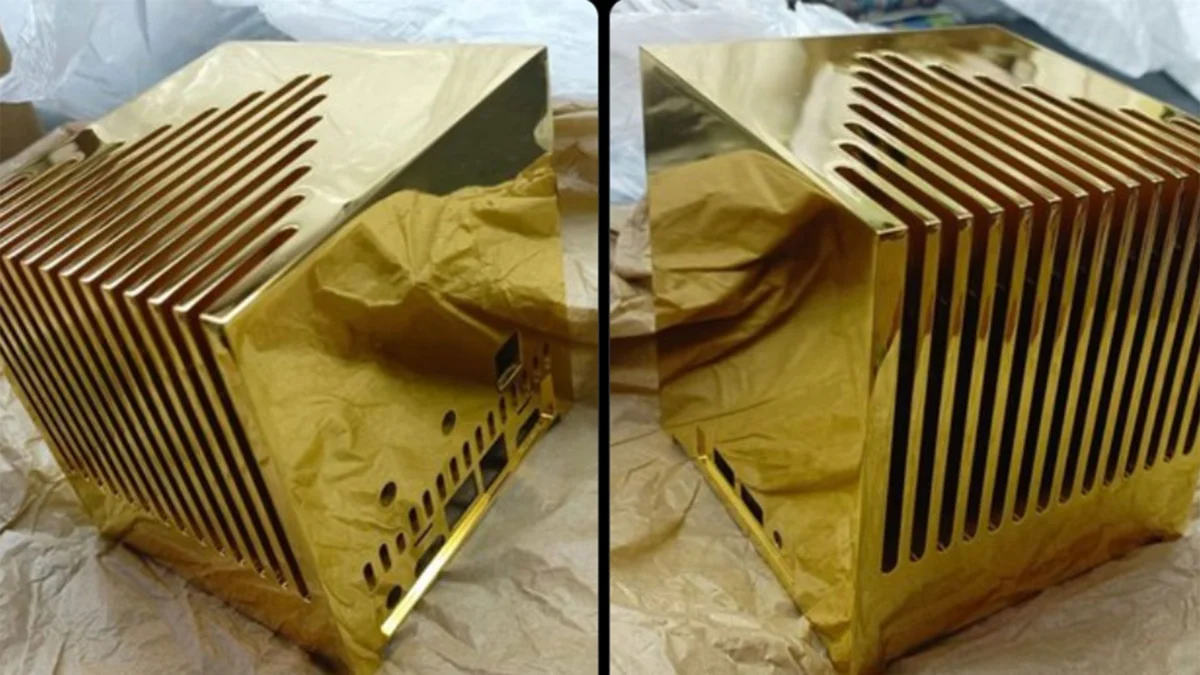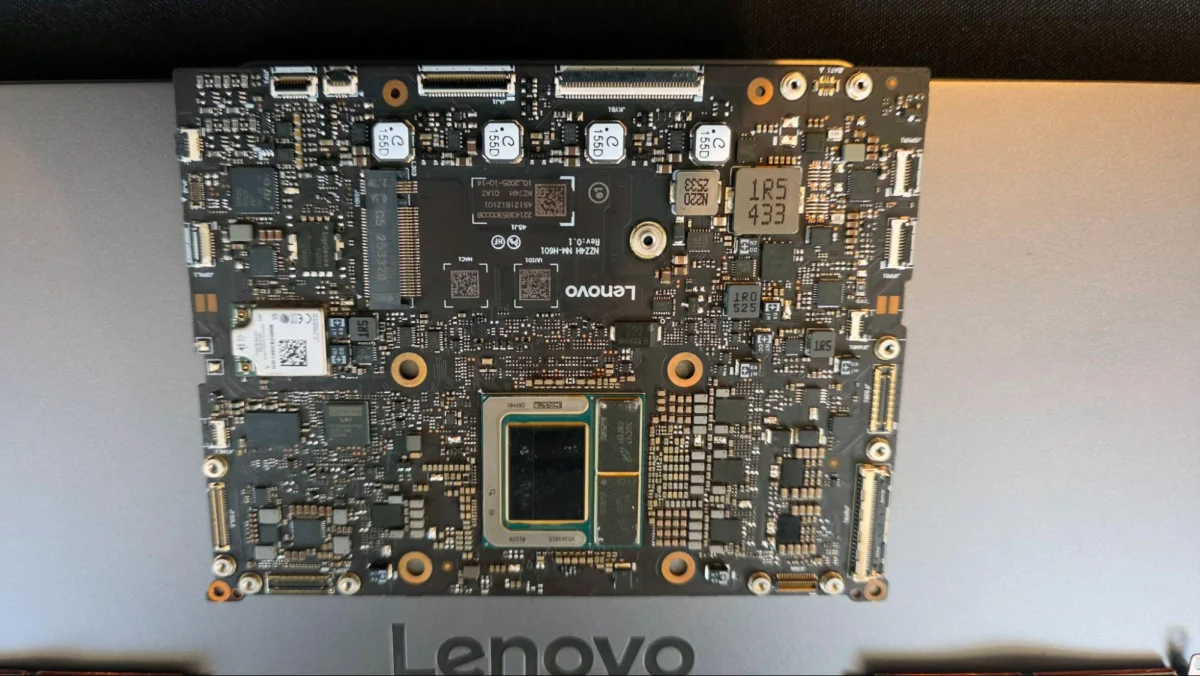
At this year’s IFA trade show in Berlin, Lenovo has once again positioned itself at the cutting edge of personal computing innovation. Known for its willingness to experiment with the physical constraints of hardware, the tech giant unveiled two distinct concepts—Project AeroBlade and Project Swan—that push the boundaries of what a modern laptop can be. These aren’t merely exercises in vanity; they represent a tangible evolution toward hyper-portability and dynamic screen real estate, signaling a potential shift in how professional users might interact with their devices in the coming years.
The Evolution of Concepts: Moving Toward Real-World Utility
Historically, trade show concepts have often been dismissed as whimsical "what-if" designs that rarely see the light of a retail shelf. However, the latest offerings from Lenovo carry a different weight. They feel engineered with a focus on solving genuine pain points for the mobile professional: the eternal struggle between thermal performance and thin-form factor, and the compromise between screen size and device footprint.
By integrating advanced cooling technologies and flexible display mechanics, Lenovo is signaling that the era of the "standard" laptop design may be approaching a plateau, prompting a necessary pivot toward more creative, adaptive form factors.
Project AeroBlade: Defying Thermal Physics
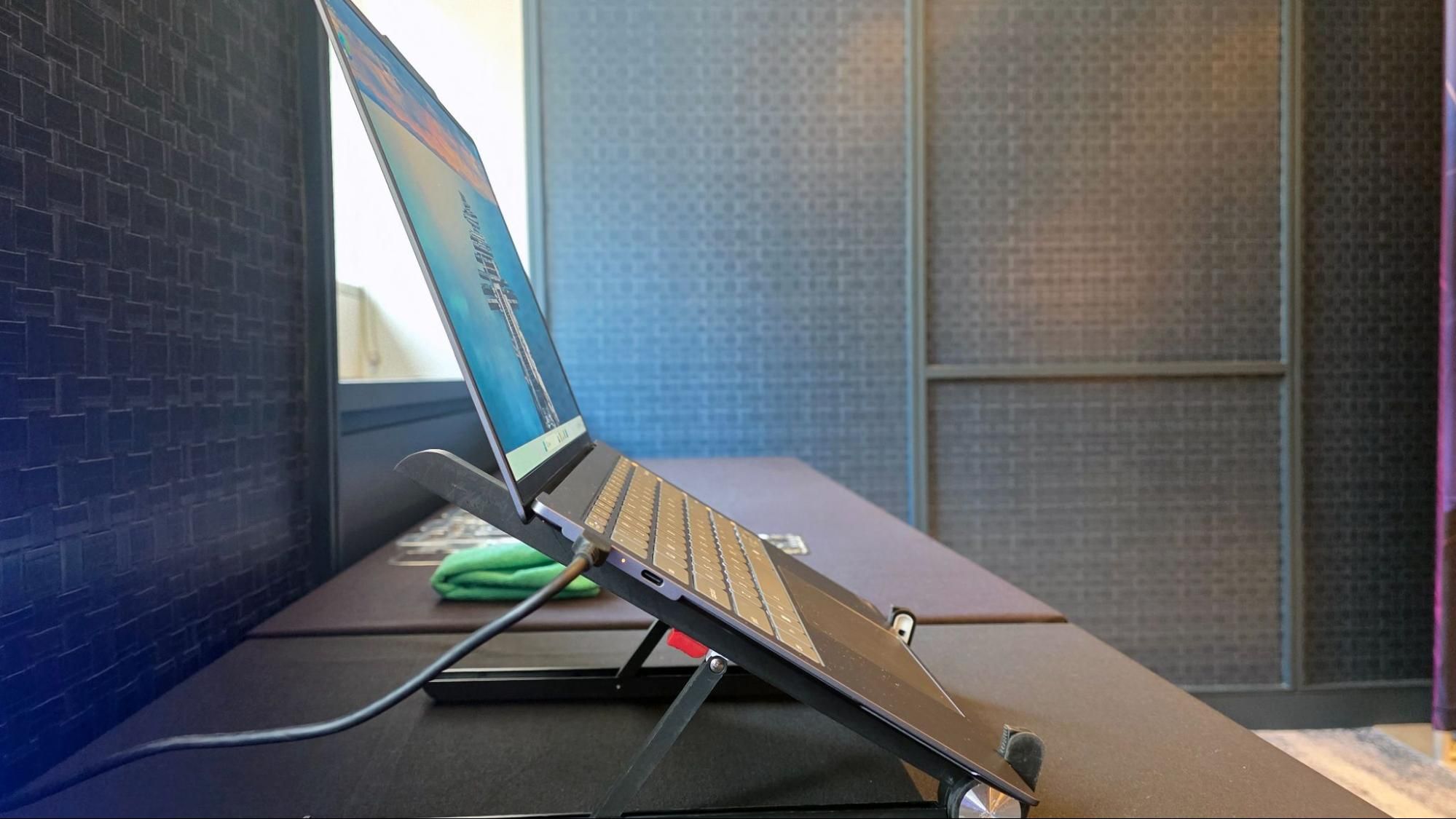
The centerpiece of Lenovo’s showcase is undoubtedly Project AeroBlade, a 14-inch ultrabook that aims to redefine the limits of miniaturization. The primary challenge in designing an exceptionally thin laptop has always been heat management; traditional mechanical fans require significant space and intake/exhaust vents, which inevitably increase the chassis thickness.
The AirJet Revolution
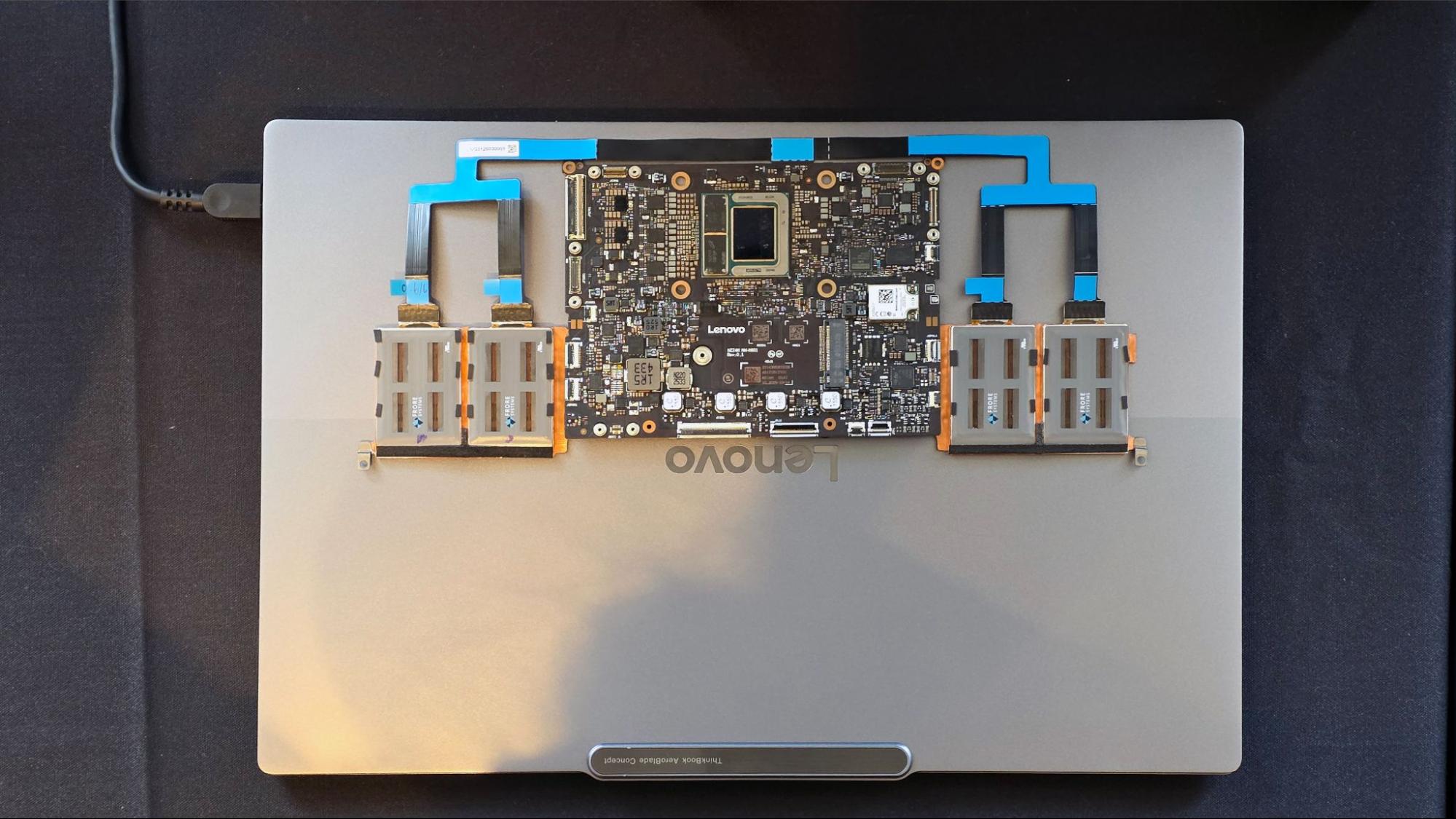
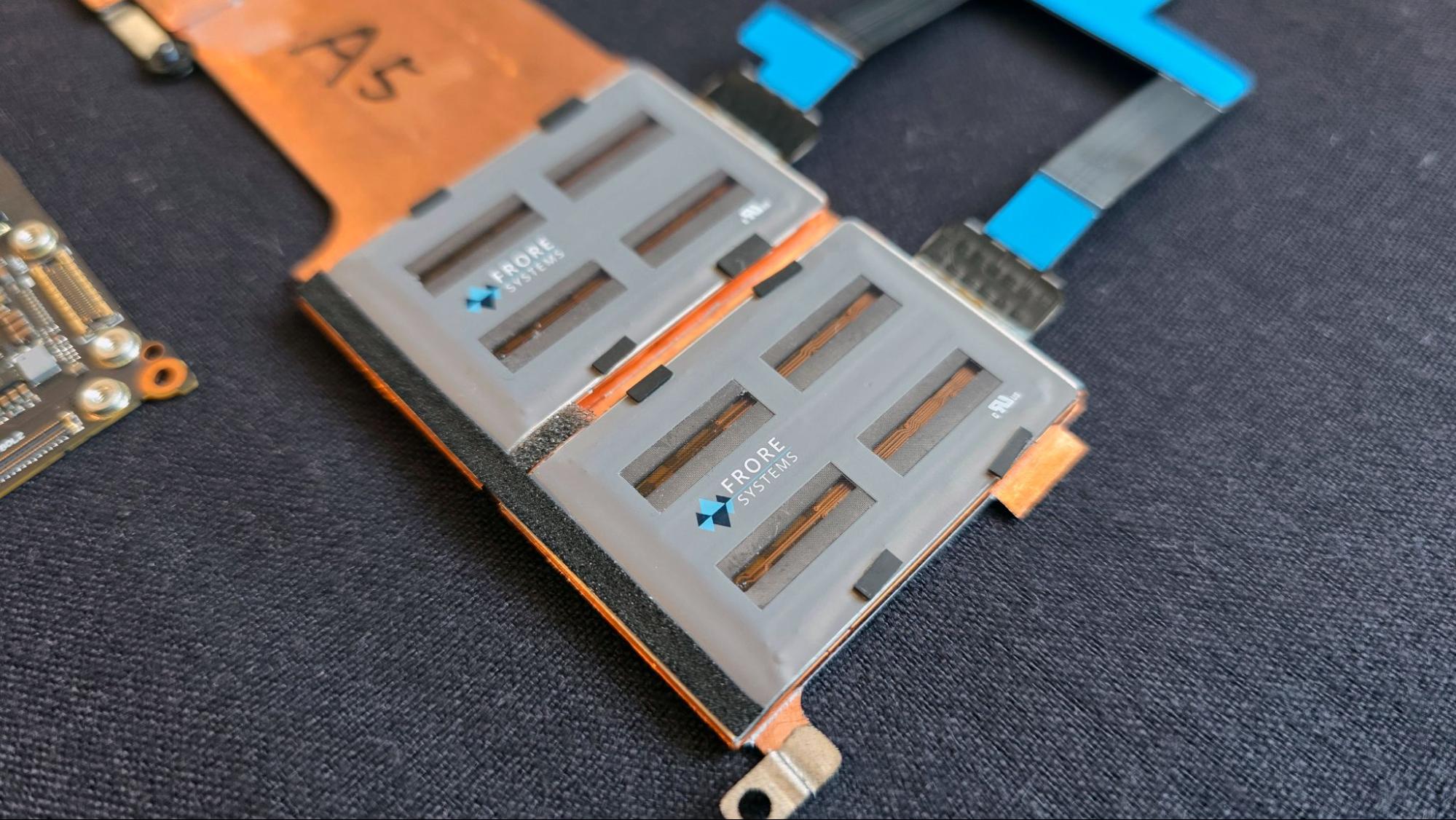
To circumvent this, Lenovo has partnered with Frore Systems to implement their revolutionary "AirJet" solid-state cooling technology. Instead of relying on spinning blades to push air, the AirJet modules utilize piezoelectric membranes that vibrate at ultrasonic frequencies. These vibrations create a high-pressure jet of air that effectively pulls heat away from the processor and pushes it out through narrow vents.
In the AeroBlade concept, Lenovo has scaled this up to four AirJet Mini modules. This configuration provides a staggering 30 watts of active heat dissipation. Compared to previous attempts at fanless cooling, which often forced CPUs to throttle significantly under load, this robust thermal solution allows for sustained performance that rivals, or perhaps even exceeds, traditional actively cooled machines.
Engineering for Portability
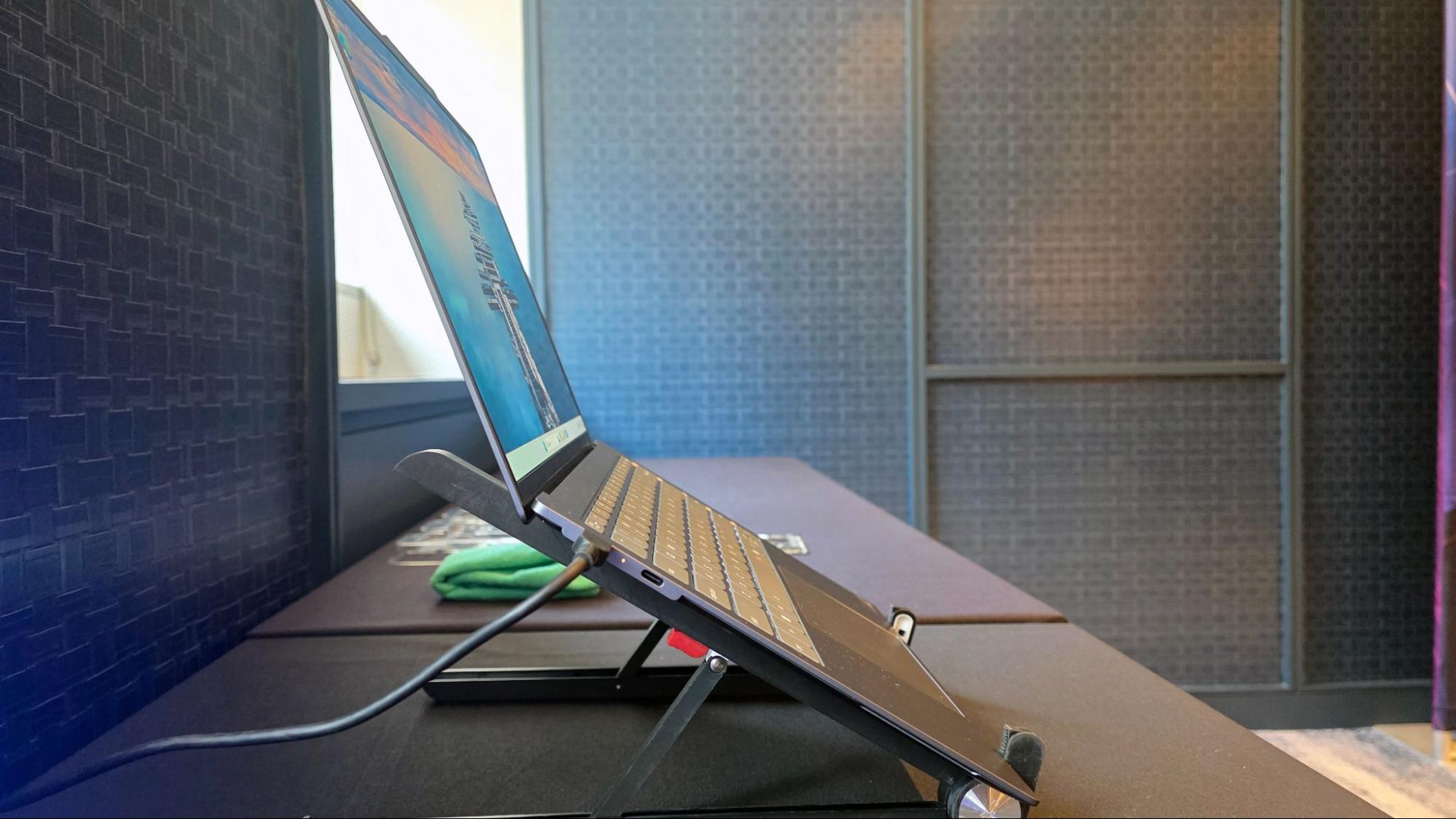
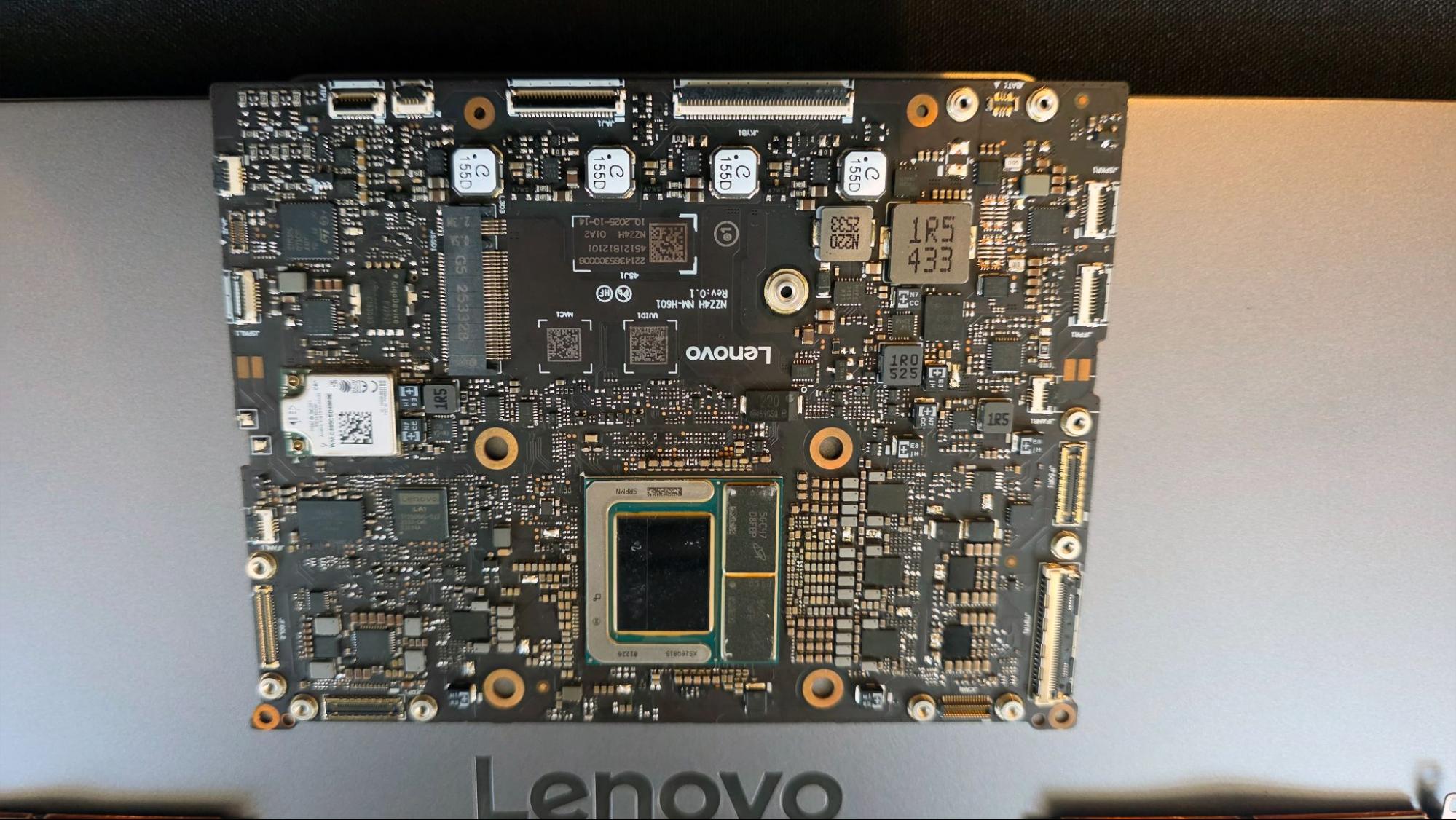
By utilizing a miniaturized motherboard design and a lightweight magnesium-aluminum chassis, the AeroBlade achieves an astonishing profile: just 0.39 inches (10 mm) in thickness, with a total weight of under 1.83 pounds (830 grams). While this extreme slimness necessitates a reliance on USB-C and Thunderbolt 4 connectivity—forgoing legacy ports entirely—the inclusion of Wi-Fi 7 and a high-fidelity OLED display ensures that the device remains a top-tier productivity machine for the modern era.
Project Swan: The Rollable Paradigm
If AeroBlade is about performance-per-millimeter, Project Swan is about maximizing screen real estate without sacrificing the portability of a 14-inch device. The concept addresses the "big screen, small bag" dilemma that has plagued creative professionals for decades.
Mechanism and Design
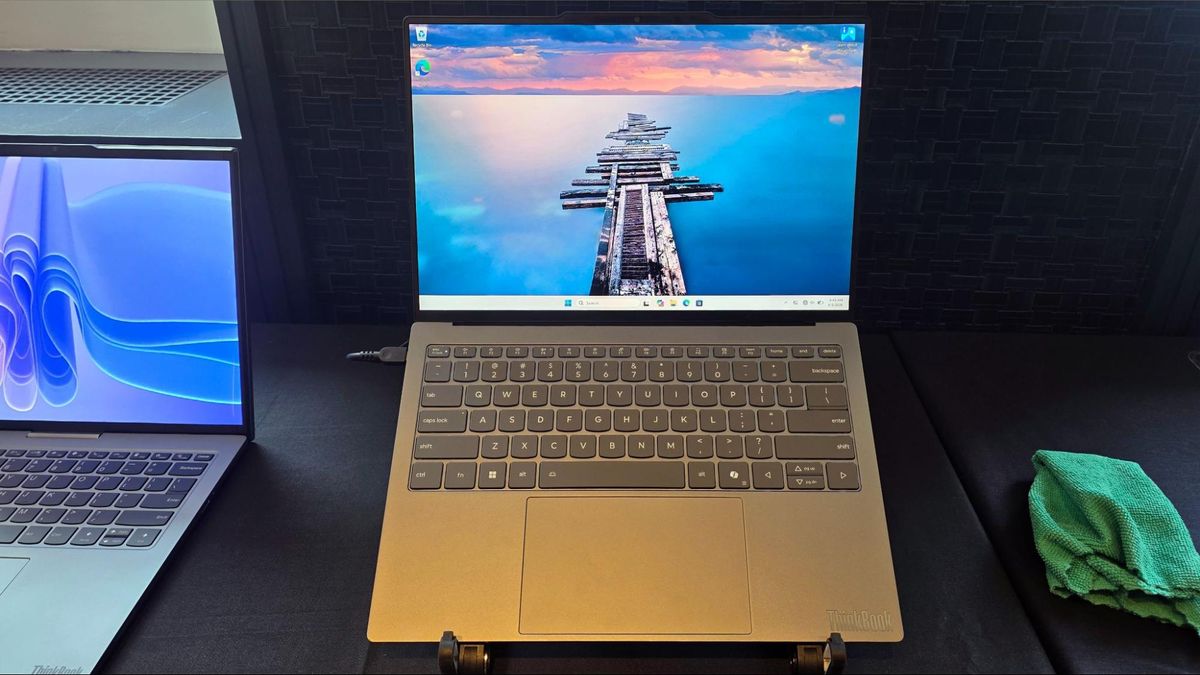
Housed within a chassis that resembles a standard 14-inch ThinkBook, Project Swan features a display that, at the press of a button, expands into a 17-inch, 16:9 panel with a resolution of 2850 x 1672. The magic lies in the internal rollable mechanism, which retracts the display into the lid.
While the current prototype weighs approximately 3.53 pounds (1.6kg) and measures 0.7 inches (17.9 mm) in thickness—largely due to the motor housing and the mechanical support required for the rollable panel—the functionality is remarkably mature. During demonstrations, the device transitioned between states with a mechanical reliability that was noticeably absent in previous rollable concepts.
Supporting Data and Technical Context
The integration of these technologies is supported by the current generation of silicon. Lenovo’s AeroBlade prototype currently utilizes Intel’s Lunar Lake architecture. Lunar Lake is specifically optimized for efficiency and performance in thin-and-light devices, making it the perfect partner for solid-state cooling.
- Thermal Dissipation: 30W (via four AirJet Mini modules).
- Portability Metrics: <10mm thickness, <830g weight.
- Display Flexibility: 14-inch base state expanding to a 17-inch, 2850 x 1672 resolution display.
- Connectivity: 3x USB-C/Thunderbolt 4 ports.
The potential for future iterations is even higher. With Intel’s roadmap pointing toward "Wildcat Lake" and "Panther Lake," we can expect even better performance-per-watt metrics. If Lenovo can maintain the efficiency of the AirJet cooling system while incorporating these next-generation chips, the distinction between a "thin-and-light" laptop and a "high-performance" workstation will become increasingly blurred.
Official Responses and Industry Outlook
While Lenovo has not provided a firm date for the commercial release of these specific devices, representatives at the event noted that the technologies behind them are "under active evaluation" for upcoming product lines. Industry analysts suggest that while the rollable mechanism in Project Swan may still require a few years of refinement to bring down the weight and mechanical noise, the AirJet cooling in Project AeroBlade is essentially "production-ready" for high-end ultrabooks.
"The goal," a Lenovo spokesperson hinted, "is to transition from the era of ‘what we can build’ to ‘what users need to be productive anywhere.’"
Implications for the Laptop Market
The introduction of these concepts highlights a significant shift in the personal computer market. For years, the industry focused on minor incremental upgrades—better battery, slightly faster CPUs, and higher resolution screens. However, the physical architecture of the laptop remained largely static.
A New Era of Productivity
Lenovo’s experiments suggest a future where the hardware adapts to the user, rather than the user adapting to the hardware.
- Thermal Freedom: Solid-state cooling could allow manufacturers to pack significantly more power into thinner devices without the noise and mechanical failure points of traditional fans.
- Dynamic Workspaces: Rollable displays could eliminate the need for secondary monitors in remote work environments, effectively allowing a user to carry a portable "desktop" experience in a standard laptop bag.
Challenges Ahead
Despite the promise, there are hurdles. Mechanical reliability for rollable screens over thousands of cycles remains a concern for enterprise-grade durability. Furthermore, the reliance on USB-C for everything—while sleek—remains a barrier for users who still require HDMI, legacy USB-A, or SD card slots. The "dongle life" is still a significant friction point for many professionals.
Conclusion: A Glimpse into the Near Future
Lenovo’s presence at IFA 2024 serves as a reminder that the laptop is far from a "solved" product category. By challenging the necessity of internal fans and fixed-size displays, the company is provoking the rest of the industry to think bigger. Whether we see an AeroBlade-inspired ultrabook or a Swan-inspired rollable laptop on shelves in 2025 or 2026, the trajectory is clear: the future of computing is going to be thinner, cooler, and infinitely more flexible.
For the mobile professional, the promise of a 17-inch screen that fits into a 14-inch footprint, combined with a silent, high-performance chassis, is the holy grail of hardware design. Lenovo has shown us that this dream is no longer science fiction—it is, quite literally, sitting on a table in Berlin, waiting for its moment to enter the mainstream.