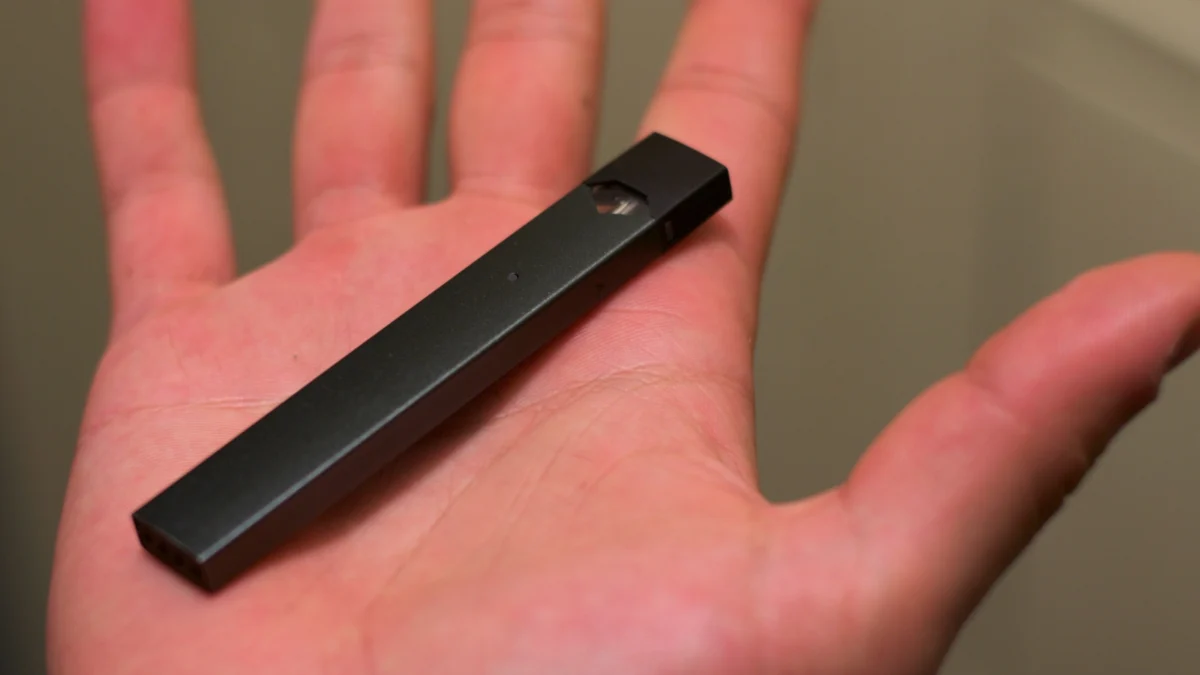
In a landmark decision that marks a significant turning point for the e-cigarette industry, the U.S. Food and Drug Administration (FDA) has granted marketing authorization for Juul Labs’ next-generation vaping platform, the JUUL2. The approval, finalized on August 28, represents a calculated gamble by both the regulator and the manufacturer to address the long-standing public health crisis surrounding youth nicotine addiction through the implementation of advanced, digital age-verification technology.
This authorization covers the JUUL2 device along with its tobacco and menthol-flavored pods. While the move is being hailed by the company as a step toward restoring its reputation and providing a regulated alternative for adult smokers, it arrives under the shadow of a turbulent decade defined by litigation, intense regulatory scrutiny, and a national outcry over the prevalence of vaping among adolescents.
The Technological Pivot: Age Verification as a Gatekeeper
The centerpiece of the FDA’s authorization is the JUUL2 system’s integration of proprietary, app-based age-verification technology. Unlike previous iterations of vaping devices that functioned immediately upon removing them from the packaging, the JUUL2 utilizes a connected digital ecosystem.
Through a paired smartphone application, the device requires users to undergo a verification process before it can be unlocked for use. This mechanism is designed to align with federal law, which mandates that consumers must be at least 21 years of age to purchase tobacco and nicotine products in the United States.
Beyond age gating, the system incorporates rigorous authentication protocols. The device is programmed to detect only "authenticated" pods, effectively creating a closed-loop system. This feature serves a dual purpose: it ensures that consumers are using verified, regulated products, and it acts as a significant deterrent against the influx of illicit, black-market counterfeit pods that have flooded the U.S. market in recent years. By restricting the device to recognized, authorized hardware, Juul aims to curb the sale of unregulated liquid nicotine products that often lack safety standards.
A Chronology of Controversy and Reform
To understand the weight of this FDA authorization, one must examine the tumultuous history of Juul Labs. For the better part of the last decade, the company has been the face of the "youth vaping epidemic."
The Rise and the Backlash (2015–2019)
Following its launch, Juul’s sleek, discreet design—often compared to a USB flash drive—propelled it to market dominance. However, its rapid growth was accompanied by accusations that the company targeted minors. Critics pointed to the company’s early social media marketing campaigns, the use of youthful influencers, and the wide availability of fruit and dessert flavors as primary drivers of increased nicotine consumption among middle and high school students.
The Regulatory Reckoning (2020–2022)
As public health organizations and government officials pressured the FDA to take action, the regulatory climate tightened. In 2022, Juul reached a monumental $438.5 million settlement with nearly three dozen states and territories. This legal resolution addressed allegations that the company had intentionally marketed its products to underage consumers. The settlement was not merely financial; it imposed strict marketing restrictions and forced the company to overhaul its business model.
The Path to Reauthorization (2023–2026)
Following the 2022 settlement, Juul entered a period of relative silence, focusing on its Premarket Tobacco Product Application (PMTA) process. During this time, the company pivoted toward a "harm reduction" narrative, positioning its products exclusively as tools for adult smokers looking to transition away from combustible cigarettes. The approval of the JUUL2 is the culmination of years of data submission, where the company had to prove to the FDA that the public health benefit of providing adult smokers with a reliable, age-verified tool outweighed the risks to youth.
Supporting Data: Public Health and Market Dynamics
The FDA’s decision to authorize the JUUL2 is based on the agency’s determination that the product is "appropriate for the protection of the public health." This legal standard requires the FDA to weigh the potential for a product to help adults quit smoking against the potential for it to lure new, younger users into nicotine addiction.
According to recent industry data, the illicit market for e-cigarettes has expanded rapidly since the initial crackdown on flavored disposables. Counterfeit products—often produced in unregulated overseas facilities—frequently contain higher concentrations of nicotine and unknown chemical additives, posing severe health risks.

By introducing a device that effectively "locks" out unverified users and rejects non-authentic pods, the FDA is signaling a shift in its strategy. Rather than attempting to ban vaping entirely—a move that some argue would only push users toward the black market—the agency is opting for a "controlled access" model. The data suggests that if the age-verification technology is implemented effectively at the retail and point-of-use levels, it could significantly reduce the number of high schoolers who gain access to the device.
Official Responses and Stakeholder Perspectives
The reception to the news has been polarized, reflecting the deep divisions in public health policy.
Juul Labs’ Stance
In official statements, Juul leadership has emphasized that this authorization is a validation of their commitment to "resetting" the company. By embedding technology directly into the hardware, they argue they are taking accountability for the product’s usage. "Our mission remains to provide adult smokers with a better alternative to cigarettes," a spokesperson stated. "The JUUL2 system represents the future of this mission, where technology ensures that our products stay in the hands of adults and out of the hands of youth."
The Public Health Perspective
Conversely, anti-tobacco advocates remain skeptical. Organizations like the Campaign for Tobacco-Free Kids have expressed concern that "age verification" through an app may be easily bypassed by savvy teenagers using their parents’ credentials or forged information. They argue that the focus should remain on the inherent addictive nature of the nicotine salts used in Juul pods, regardless of how the device is unlocked.
"The FDA is trusting a company with a history of deceptive marketing to now be the primary gatekeeper of its own usage," noted a public health researcher. "The burden of proof remains on Juul to show that this technology is not just a marketing feature, but a functional barrier that stands the test of real-world use."
Long-term Implications for the Vaping Industry
The authorization of the JUUL2 sets a new precedent for the entire tobacco industry. If this system proves successful in lowering youth access while maintaining a stable customer base of adult smokers, it is likely that the FDA will move to mandate similar "smart" technology across all electronic nicotine delivery systems (ENDS).
The End of the "Wild West"?
For years, the vaping market has been characterized by a lack of standardization. Small, disposable vapes have dominated shelf space in convenience stores, often with little to no age verification at the point of sale. If the FDA begins to favor devices that require digital authentication, the market could see a consolidation toward larger, tech-capable manufacturers who have the capital to invest in these sophisticated hardware systems.
A New Regulatory Standard
The implications are clear: the future of nicotine delivery is going to be digitized. By tying hardware activation to digital identity, the regulatory framework is shifting away from simple "retail age checks" toward "product-level enforcement." While this is a win for Juul, it is also a sign that the FDA will continue to hold manufacturers responsible for the lifecycle of their products, not just their initial sale.
Conclusion
The FDA’s decision to authorize the JUUL2 is not an endorsement of nicotine use, but a pragmatic attempt to manage a landscape that has become increasingly fragmented and dangerous. By leveraging digital technology to enforce age restrictions, the agency is attempting to curb the worst excesses of the vaping crisis while acknowledging the reality that millions of American adults currently rely on these products to move away from traditional cigarettes.
As the JUUL2 begins to appear on store shelves, the eyes of the public health community will be fixed on the data. Will the age-verification technology prove to be a robust barrier, or will it be another hurdle that tech-savvy youth eventually find a way to circumvent? For Juul Labs, this is more than a product launch—it is an attempt at institutional redemption. For the FDA, it is a high-stakes experiment in balancing public health policy with technological innovation in an industry that has historically been defined by conflict.