

For millions of Apple users, the annual cycle of developer and public beta releases is a period of excitement. It offers a tantalizing glimpse into the future of mobile computing, promising performance enhancements, refined user interfaces, and the latest AI-driven features before they reach the general public. However, a recent, alarming incident involving the iOS 27 beta serves as a stark, practical reminder of why testing pre-release software on your daily driver is a high-stakes gamble.
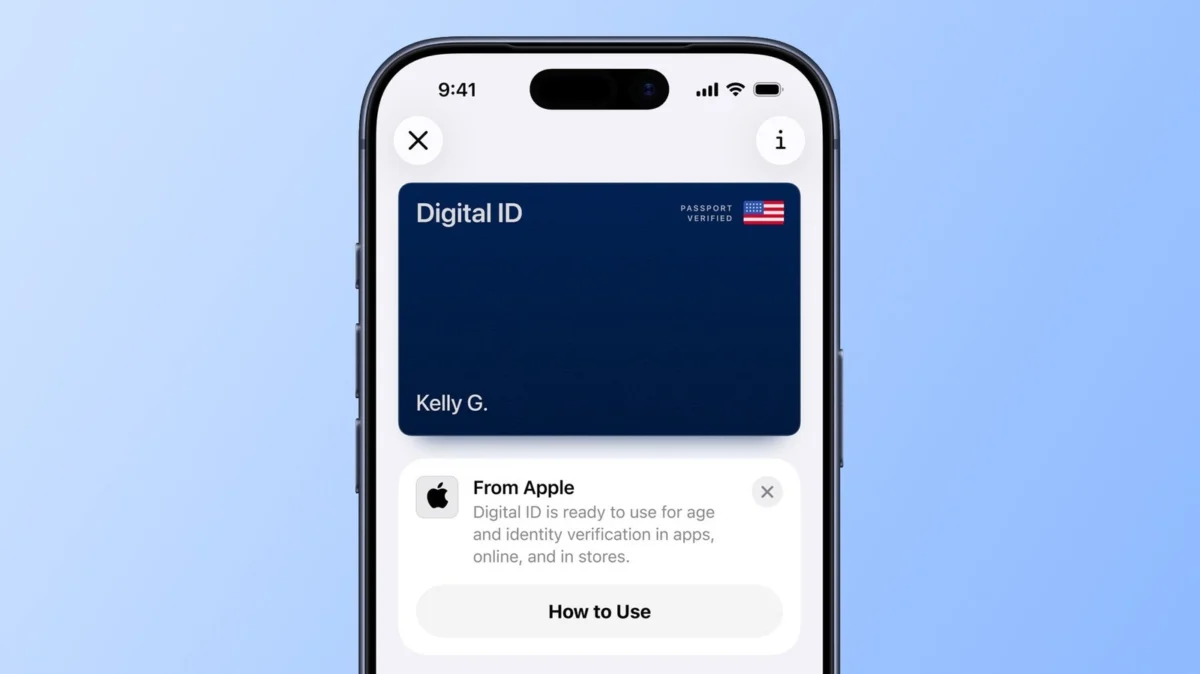
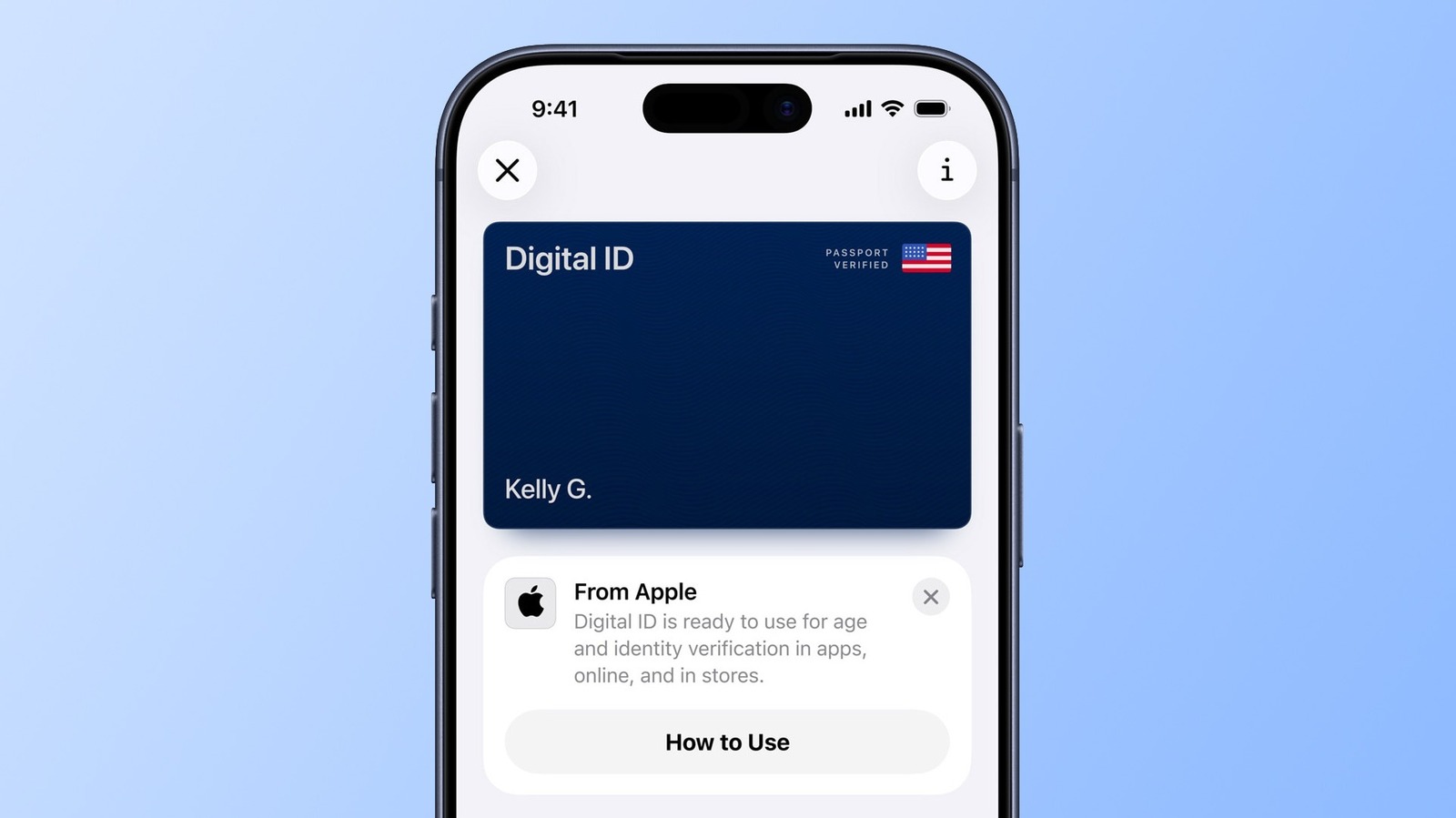
Reports from users across social media platforms have surfaced detailing a troubling bug in the current iOS 27 beta: the sudden and unexplained removal of Digital IDs—specifically digital passports—from the iPhone’s Wallet app. For travelers relying on these conveniences at security checkpoints, the glitch turned a streamlined experience into a moment of genuine panic.
The Nature of the Glitch: When Convenience Turns to Chaos
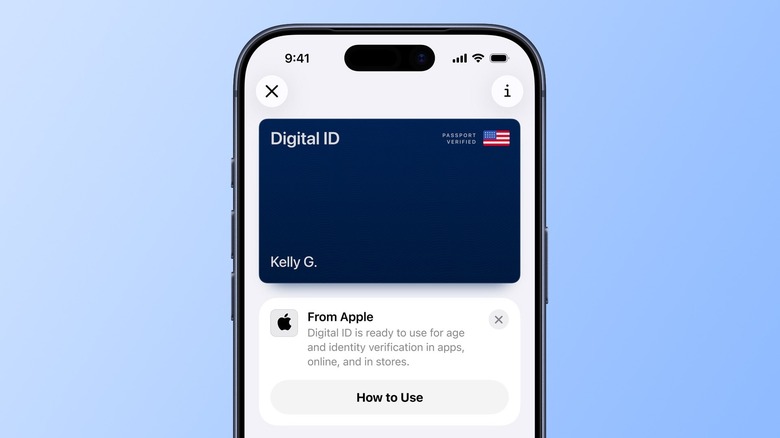
Apple’s Digital ID feature, introduced as part of the iOS 26 ecosystem in 2025, was designed to redefine the airport experience. By allowing users to securely store a digital representation of their passport within the Wallet app, Apple enabled travelers to breeze through Transportation Security Administration (TSA) checkpoints at over 250 airports across the United States.
The system relies on a sophisticated cryptographic handshake between the iPhone’s Secure Enclave and the airport’s verification infrastructure. However, for users running the iOS 27 beta, this bridge appears to be prone to intermittent failure. Without warning, the Digital ID credential simply vanishes from the Wallet interface, leaving the user with a blank digital passbook at the exact moment they need it most.
While the bug does not permanently delete the user’s sensitive biometric or biographical data from Apple’s servers, the disappearance of the UI element creates a functional lockout. For a traveler standing in a crowded security line, the realization that their primary form of identification is missing—even if temporarily—is a significant stressor that underscores the inherent instability of experimental software.
Chronology of the Disruption
The reports began to coalesce on platforms like X (formerly Twitter) shortly after the latest iteration of the iOS 27 beta was pushed to registered testers.
- Initial Deployment: Upon the release of the iOS 27 beta, early adopters noted the expected speed improvements and the integration of new, highly anticipated features, such as the overhauled, AI-powered Siri and the visual refinements of "Liquid Glass."
- The First Wave of Reports: Within days, users began posting screenshots and anecdotal accounts of the Wallet app failing to display their previously validated Digital IDs.
- Widespread Recognition: As the beta reached a broader segment of the public testing pool, the frequency of reports spiked. Travelers documented their experiences at various domestic hubs, noting that while the physical passport was still a necessary backup, the loss of the digital convenience feature caused significant delays.
- Community Troubleshooting: By mid-week, the community had identified that the issue was not a server-side revocation of credentials, but a client-side rendering error within the Wallet app itself.
Supporting Data: The Beta Paradox
To understand why this happened, one must look at the nature of "beta" software. A beta is, by definition, unfinished code. It is a work-in-progress that contains debugging hooks, diagnostic logging, and experimental API calls that are not optimized for real-world reliability.
While Apple has touted iOS 27 as a massive leap forward in terms of system performance—with internal benchmarks and early user tests suggesting a significant reduction in app launch times and improved thermal management—the trade-off is often a lack of long-term stability. The integration of complex, high-security features like Digital ID into a system that is still undergoing frequent kernel and framework updates is a recipe for edge-case conflicts.
When the OS undergoes a deep-level update, the Wallet app’s ability to "see" the encrypted tokens representing a passport can be disrupted by permission changes or service interruptions. Because these digital IDs are managed through high-level encryption, any minor bug in the file system or the Wallet application layer can cause the data to remain inaccessible, even if the data itself remains safely stored in the Secure Enclave.
Official Responses and Recovery
At the time of this writing, Apple has not issued a formal press release specifically addressing the Digital ID glitch, which is standard procedure for minor bugs discovered during a beta cycle. However, the company’s support channels and developer forums have provided a clear path to resolution for affected users.
The "fix," while simple, requires the user to proactively intervene. Users who find their Digital ID missing must navigate to the Wallet app and re-initiate the verification process. By re-adding the passport, the app re-establishes the necessary credentials with the issuing authority, effectively "re-syncing" the identity verification.
While this solves the immediate problem, it is a tedious process that highlights the fragility of digital-first identity solutions. If a user does not have their physical documents handy, or if they are in a location with poor cellular connectivity, a re-add might not be possible, effectively stranding the user at the checkpoint.
The Broader Implications of Digital Reliance
The incident raises fundamental questions about our reliance on digital infrastructure. As we move toward a "wallet-less" society, where the iPhone acts as a repository for our most critical documents—driver’s licenses, insurance cards, and passports—the consequences of software instability become increasingly severe.
1. The Danger of "Beta-testing" Essential Services
The primary implication is a warning against the culture of early adoption. When users install beta software on their primary device, they are effectively serving as uncompensated quality assurance testers. While this is acceptable for a minor app interface change, it is inherently risky for apps that manage travel, finance, or identity.
2. The Fallacy of "Always-On" Security
The Digital ID glitch serves as a reminder that digital credentials are not just data; they are a service. Unlike a physical passport, which is a static object that functions as long as it exists, a Digital ID is an active service that requires constant communication with backend systems. If the operating system’s interface layer is compromised, the "document" ceases to exist for all practical purposes.
3. The Need for Redundancy
Perhaps the most important takeaway for the average user is the necessity of redundancy. The convenience of the iPhone Wallet is undeniable, but it should never replace the physical documentation that serves as the ultimate fallback. The current glitch is a "minor" inconvenience, but in a world where we are increasingly moving away from physical backups, such software bugs represent a growing threat to personal mobility and security.
Conclusion: A Lesson in Restraint
The allure of the iOS 27 beta is understandable. The promise of an AI-first Siri and the visually stunning, highly readable Liquid Glass interface makes the temptation to update almost impossible to resist. However, as this Digital ID incident proves, the cost of entry is a loss of reliability that could have real-world consequences.
For the casual user, the advice from cybersecurity experts and industry analysts remains the same: If you must test new software, do so on a secondary device. Keep your daily driver on the current, stable public release. Apple’s engineering teams work tirelessly to ensure the final public versions of their operating systems are robust, but until that public release date arrives, the bugs are not just glitches—they are warnings.
As we look toward the final launch of iOS 27, it is clear that while the future of digital identity is bright and undeniably convenient, it is not yet infallible. Until the technology reaches a level of maturity where failures are rare and recovery is instantaneous, the smartest users will continue to treat beta software with the caution it deserves. The convenience of a digital passport is a privilege, not a right, and it is one that currently comes with a "use at your own risk" warning label.











