Sagoh
Sagoh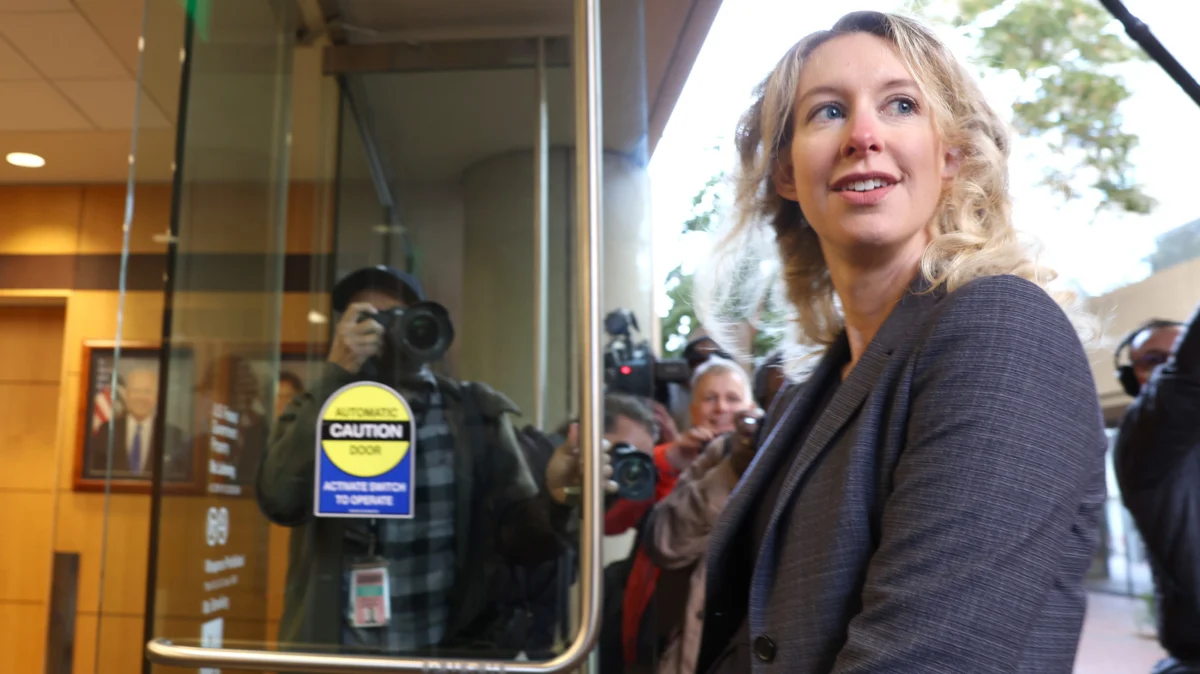
It has been years since the world first learned that the "next Steve Jobs" of Silicon Valley was peddling nothing more than a dangerous, high-stakes mirage. Yet, the fascination with Elizabeth Holmes—the disgraced founder of Theranos—remains an unquenchable fire in the public consciousness. Just when it seemed the saga of the blood-testing startup had been exhausted by HBO’s The Inventor, ABC’s The Dropout, and endless investigative podcasts, a new, surreal chapter has arrived.
Produced by the indie powerhouse A24 and helmed by the unlikely directing duo of Nathan Fielder and Lance Oppenheim, You Can See Everything is not a traditional retrospective. It is a three-hour psychological deep dive filmed in the final, frantic days before Holmes reported to prison to begin her 11-year sentence. If the previous documentaries were clinical dissections of fraud, You Can See Everything is an uncomfortable, voyeuristic confrontation with the woman behind the black turtleneck.
Main Facts: A Portrait of Denial
The premise of the film is as bizarre as the subject matter itself. In 2023, as the legal walls closed in and the reality of her incarceration became inevitable, Holmes granted Fielder and Oppenheim unprecedented access. According to reports from The New York Times, the project was conceived by Holmes as a desperate, final attempt to "clear her name."
The result is a documentary that eschews the standard "talking head" format in favor of intense, prolonged, and often deeply awkward interactions between the disgraced founder and Fielder, whose background in deadpan, cringe-inducing comedy (The Rehearsal, Nathan for You) provides a haunting lens through which to view Holmes.
The film’s teaser, released by A24, encapsulates the unsettling nature of the project. In one standout moment, a close-up shot frames Holmes as she gazes directly into Fielder’s eyes—and by extension, the viewer’s—asking, "Why would I deceive you? There’s no reason for me to do that." It is a chilling echo of the same persuasive charm that once convinced high-profile investors like Rupert Murdoch and George Shultz to pour millions into a technology that didn’t exist.
A Chronology of the Theranos Collapse
To understand why You Can See Everything is such a significant departure from previous coverage, one must look back at the rapid rise and catastrophic fall of Theranos.
- 2003: A 19-year-old Elizabeth Holmes drops out of Stanford University to found Real-Time Cures, later renamed Theranos. Her mission: to revolutionize healthcare with a device—the Edison—capable of performing hundreds of tests from a single drop of blood.
- 2010–2014: At the height of her influence, Holmes graces the covers of Fortune and Forbes. Theranos is valued at $9 billion. Holmes becomes the world’s youngest self-made female billionaire.
- 2015: Investigative journalist John Carreyrou publishes a bombshell exposé in The Wall Street Journal, revealing that the company’s technology is faulty and that they have been relying on commercial analyzers from other companies to run tests.
- 2018: Theranos officially dissolves. Holmes and former COO Ramesh "Sunny" Balwani are indicted on federal fraud charges.
- 2022: A jury finds Holmes guilty on four counts of wire fraud and conspiracy to commit wire fraud.
- 2023: After failed appeals and a brief delay, Holmes is sentenced to 11 years and three months in prison. You Can See Everything is filmed in the shadow of this surrender.
Supporting Data: The Cost of the Deception
The financial and human cost of the Theranos fraud is staggering, providing the backdrop against which Fielder and Oppenheim operate. At the peak of its valuation, the company raised over $700 million from private investors. The impact of the deception, however, extended far beyond the balance sheets of venture capitalists.
For the patients who relied on Theranos’s faulty diagnostic tests, the consequences were personal and medical. Some received false positives for life-altering conditions, while others received false negatives for serious illnesses, leading to delayed treatments and severe emotional distress.
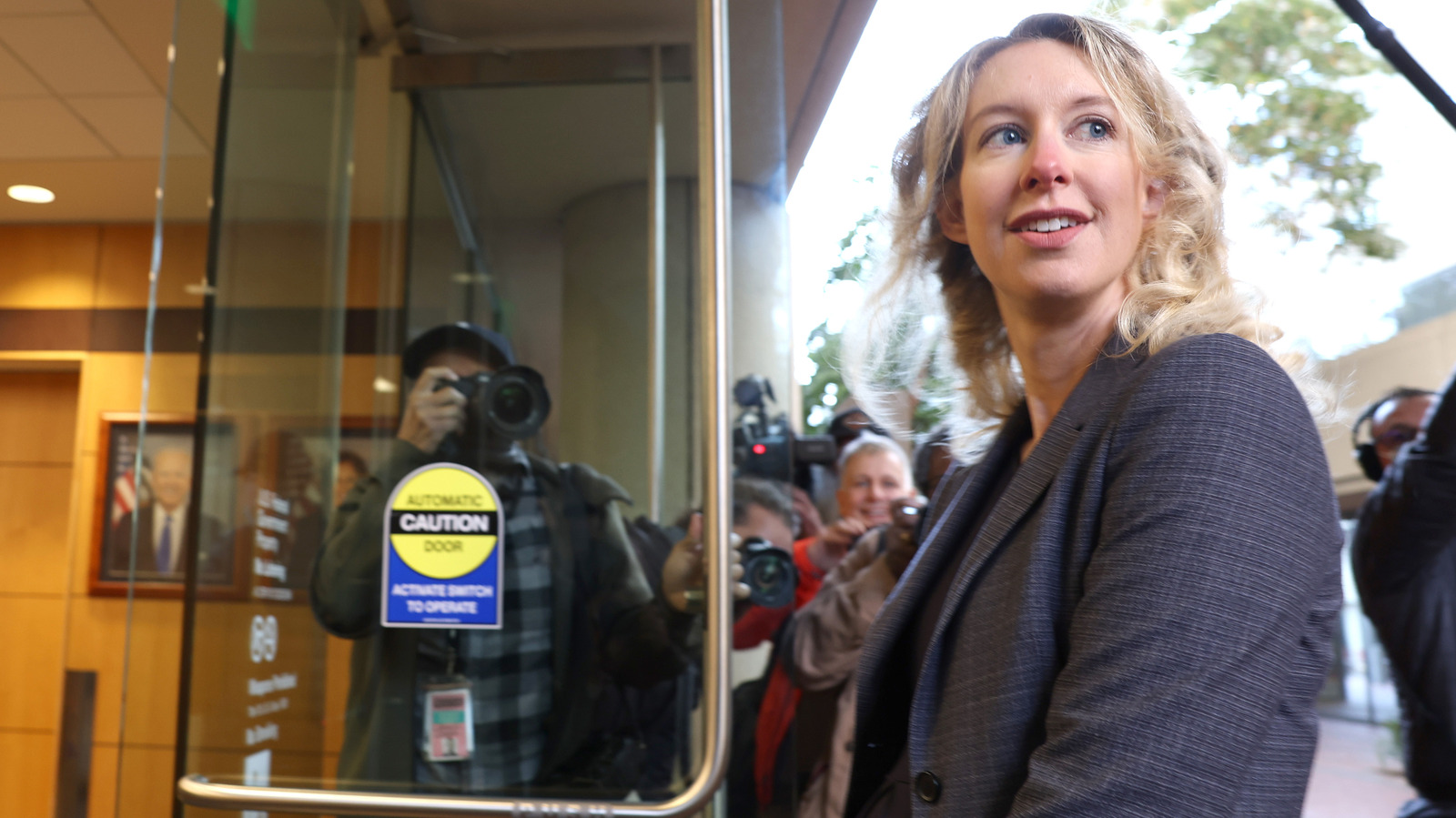
The documentary reportedly utilizes "innovative recreations"—a hallmark of Fielder’s work—to bridge the gap between Holmes’s stated reality and the documented fraud. These segments serve to highlight the disconnect between the founder’s narrative and the objective, often grim, evidence presented in court. Perhaps most jarringly, the film includes footage of Holmes and her partner discussing, with apparent sincerity, their plans to launch a "new and improved" version of the company once she is free, a testament to the persistent, perhaps delusional, nature of her ambition.
Official Responses and Public Reception
The reaction to the documentary’s announcement has been polarized. Some critics argue that giving Holmes a platform to "clear her name" is irresponsible, potentially allowing her to manipulate the narrative once again. Others, however, see the involvement of Fielder—a director known for exposing the absurdity of human behavior—as the perfect antidote to Holmes’s carefully curated persona.
For her part, Holmes appears to be embracing the project. Despite her incarceration, she has become a frequent, if controversial, presence on X (formerly Twitter). In a recent post sharing the trailer for You Can See Everything, she stated, "I’m always being real." While she notes that she relies on assistants to help her post, the sentiment reflects the same unwavering conviction that characterized her time at the helm of Theranos.
The production company, A24, has remained characteristically enigmatic about the release, allowing the bizarre nature of the teaser and the reputation of its directors to drive the conversation. The film is slated for a theatrical release in October, a move that suggests the studio believes there is still a massive audience hungry for the final, strange notes of the Holmes saga.
Implications: Why We Still Care
Why does a society that has moved on to new crises continue to fixate on Elizabeth Holmes? The implications of You Can See Everything suggest that the story is less about blood testing and more about the architecture of truth in the digital age.
Holmes was a master of the "fake it until you make it" culture that defined Silicon Valley in the 2010s. By the time her fraud was exposed, she had become a symbol of the dangers of unchecked corporate hubris and the complicity of the media and the investment class.
By allowing Nathan Fielder to poke at the seams of her narrative, the documentary asks a deeper question: Can someone who has lived a lie for so long ever truly "be real"? The film does not appear to provide a neat resolution. Instead, it offers a portrait of a woman who remains trapped in her own myth, even as she serves her sentence.
As You Can See Everything hits theaters, audiences will be forced to decide if this is an act of genuine contrition or the final, most sophisticated performance of a career built on illusions. Regardless of the verdict, the documentary stands as a testament to the enduring, unsettling power of the Theranos story—a narrative that, like its subject, refuses to go away quietly.


 Jia Lissa
 Basiran