


A groundbreaking announcement from the world of competitive esports has sent ripples of excitement and speculation through the gaming community. Psyonix, the developer behind the immensely popular vehicular soccer game, Rocket League, has revealed that an overhauled and updated version of the title will be powered by Unreal Engine 6. This revelation, made during a high-profile esports event in Paris, not only signals a significant leap in graphical fidelity and technical capability for Rocket League but also ignites fervent discussion about the potential hardware it will leverage, with many questioning if this is our first tangible glimpse of the PlayStation 6.
The gaming industry is in a constant state of evolution, with technological advancements pushing the boundaries of what’s possible with each new console generation and engine iteration. Unreal Engine, developed by Epic Games, has long been at the forefront of this progress, powering some of the most visually stunning and technically ambitious titles across the globe. The jump to Unreal Engine 6, the next iteration of Epic’s proprietary game engine, represents a monumental step forward, promising a wealth of new features and capabilities that will undoubtedly redefine the gaming experience.
While specific details regarding the full scope of Unreal Engine 6’s features remain under wraps, the initial reveal in Paris offered a tantalizing preview. A graphic displayed at the conclusion of a trailer showcased a metaverse-style splash screen, prominently featuring not only Rocket League but also other Epic Games titles like Fortnite and LEGO Fortnite. This strongly suggests that these popular games are also slated for migration to Unreal Engine 6, hinting at a unified ecosystem of next-generation experiences built upon this powerful new foundation. The integration of these titles within a shared visual and technological framework could pave the way for unprecedented cross-game interactions and a more cohesive virtual world.
The close relationship between Epic Games and Psyonix, the studio behind Rocket League, provides a logical explanation for this early adoption of Unreal Engine 6. Epic Games acquired Psyonix in 2019, fostering a synergy that allows for direct integration of cutting-edge technology. This ownership structure ensures that Psyonix benefits from early access and deep integration with Epic’s proprietary engines, granting them a significant advantage in pushing the envelope of their flagship title. The announcement makes it clear that this is not a sequel in the traditional sense, but rather a substantial enhancement of the existing Rocket League experience, rebuilt and reimagined with the power of Unreal Engine 6.
Early visual evidence from the reveal trailer suggests a dramatic improvement in graphical presentation. Enhanced lighting models, more sophisticated reflections on the intricate car designs, and a noticeable upgrade in environmental details, such as the texture and complexity of the in-game grass, all point towards a significant visual leap. These enhancements are indicative of the power and sophistication that Unreal Engine 6 is expected to bring, offering players a more immersive and visually striking gameplay experience. The increased detail and realism will undoubtedly contribute to a more engaging and dynamic environment for the fast-paced action that Rocket League is known for.

The PS6 Speculation: A Familiar Echo from the Past
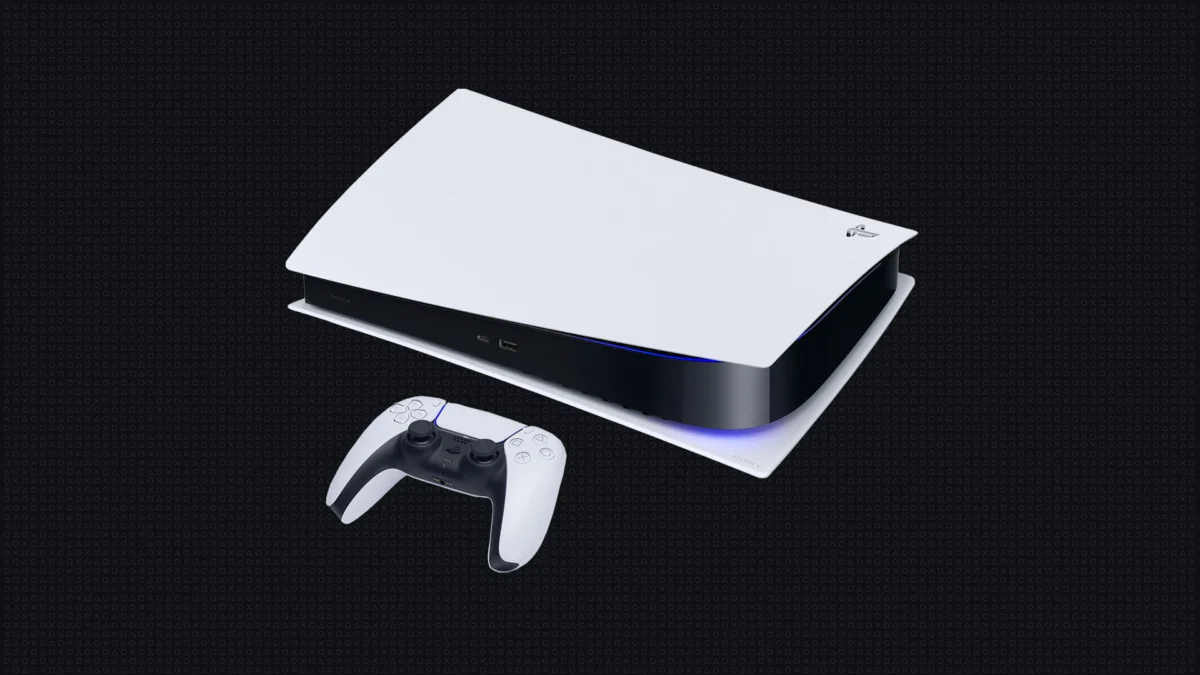
The immediate and most compelling question arising from this announcement is the potential hardware platform for this next-generation Rocket League. The timing and nature of the reveal have drawn strong parallels to a pivotal moment in the lead-up to the PlayStation 5’s launch. It will be recalled that Epic Games famously leveraged PlayStation 5 hardware to debut Unreal Engine 5, showcasing the nascent capabilities of the next-generation console long before its official release. This precedent has naturally led many to speculate that the Unreal Engine 6 showcase for Rocket League could similarly be an early indicator of the PlayStation 6’s technological prowess.
This hypothesis is further fueled by the historical trajectory of game engine development and console launches. Developers often utilize advanced engine technology as a benchmark for future hardware, allowing them to anticipate and prepare for the capabilities of upcoming consoles. The fact that Rocket League, a title with a massive player base and a consistent presence across PlayStation platforms, is being rebuilt on the bleeding edge of game engine technology strongly suggests a forward-looking strategy. The enhanced visuals and potential for more complex gameplay mechanics that Unreal Engine 6 promises are precisely the kinds of features that would be showcased on a new generation of hardware designed to accommodate them.
However, it is crucial to acknowledge the inherent scalability of Unreal Engine. The engine is meticulously designed to adapt to a wide range of hardware, from high-end PCs to more modest gaming devices. Therefore, while the Unreal Engine 6 showcase for Rocket League might be a potent indicator of PS6 capabilities, it is not entirely outside the realm of possibility that the updated engine could also be optimized to run on the current-generation PlayStation 5. Developers often strive for backward compatibility and broad accessibility, ensuring that their games can reach the widest possible audience. The extent to which Unreal Engine 6 will be optimized for existing hardware versus pushing the absolute limits of future hardware remains to be seen.
Chronology of a Next-Gen Tease
The announcement of Rocket League running on Unreal Engine 6 marks a significant milestone in the game’s ongoing evolution. Let’s trace the key moments leading up to and following this reveal:
- Pre-Announcement: Rocket League, initially released in 2015, has consistently been updated and refined. It has seen significant visual and gameplay enhancements over its lifespan, largely powered by iterations of Unreal Engine. The game’s transition to free-to-play in 2020 further cemented its status as a major esports title.
- The Paris Reveal: Earlier today, at a major esports event held in Paris, Psyonix made the groundbreaking announcement that an updated version of Rocket League would be powered by Unreal Engine 6. This revelation was accompanied by visual demonstrations that hinted at the engine’s capabilities.
- Visual Demonstrations: A trailer showcased during the event included a metaverse-style splash screen featuring Rocket League, Fortnite, and LEGO Fortnite, all seemingly rendered with advanced graphical fidelity. This visual element strongly suggested the potential for a unified and visually enhanced future for these titles within Epic’s ecosystem.
- Post-Announcement Speculation: The gaming press and community immediately began to dissect the implications of this announcement, with a primary focus on the potential hardware platforms. The historical precedent of Unreal Engine 5’s debut on PS5 hardware fueled widespread speculation that this Unreal Engine 6 reveal could be an early indicator of the PlayStation 6.
- Ongoing Development: As of the time of this report, detailed technical specifications for Unreal Engine 6 are still forthcoming from Epic Games. The full implications for Rocket League and other titles remain to be fully understood.
Supporting Data: The Power of Unreal Engine
Unreal Engine has a storied history of pushing technological boundaries. Each iteration has brought significant advancements that have shaped the gaming landscape.

- Unreal Engine 4: This iteration, which has powered Rocket League for much of its life, introduced advanced features like physically based rendering, dynamic global illumination, and sophisticated particle systems. It has been instrumental in creating visually impressive games across a wide range of platforms.
- Unreal Engine 5: The reveal of Unreal Engine 5 was a landmark event, showcasing groundbreaking technologies such as Nanite (virtualized micropolygon geometry) and Lumen (dynamic global illumination and reflections). These advancements allow for unprecedented detail and realism in game environments, significantly reducing the workload on artists and developers. The PS5’s capabilities were prominently highlighted during its debut.
- Anticipated Unreal Engine 6 Advancements: While concrete details are scarce, it is reasonable to infer that Unreal Engine 6 will build upon the successes of UE5 and introduce even more sophisticated rendering techniques, AI-driven development tools, and performance optimizations. The focus will likely be on further enhancing visual fidelity, enabling more complex and dynamic game worlds, and streamlining the development process for even more ambitious projects. The potential for photorealistic graphics, intricate environmental simulations, and highly responsive character animations is immense.
The inclusion of Fortnite and LEGO Fortnite in the Unreal Engine 6 splash screen is also significant. Fortnite has been a consistent adopter of new Unreal Engine features, and its ongoing development on Unreal Engine 5 demonstrates Epic’s commitment to leveraging its own technology. The migration of these massive, interconnected titles to Unreal Engine 6 suggests a strategic move towards a more cohesive and visually advanced metaverse experience. This could lead to enhanced cross-platform play, more sophisticated user-generated content capabilities, and a more immersive overall digital playground.
Official Responses and Developer Insights
While official statements regarding the specific hardware for the Unreal Engine 6 version of Rocket League are yet to be fully elaborated, the announcement itself carries significant weight. Psyonix, as a subsidiary of Epic Games, is strategically positioned to leverage the latest advancements in engine technology.
Sammy Barker, Editor of Push Square, a prominent PlayStation-focused publication, noted the immediate parallel to the Unreal Engine 5 reveal: "My initial reaction was: is this a glimpse of PS6? Remember, Epic famously used PS5 hardware to debut Unreal Engine 5 before the new console launched." This sentiment reflects a common understanding within the gaming press and community regarding the industry’s patterns of technological dissemination. Developers often use significant engine reveals as a precursor to new hardware generations, providing early showcases of what the future might hold.
The statement from Barker also includes a crucial caveat: "Of course, Unreal Engine has always been developed with scalability in mind, so it’s possible it may also run on PS5." This acknowledges the inherent flexibility of modern game engines. Unreal Engine’s design philosophy emphasizes the ability to scale across various hardware configurations, ensuring that titles can be enjoyed by a broad audience. This means that while the Unreal Engine 6 powered Rocket League might represent the pinnacle of what future consoles can achieve, it is also likely to be optimized for current-generation hardware like the PlayStation 5, ensuring a smooth transition and continued accessibility for its vast player base.
The absence of a definitive statement from Sony at this juncture is also noteworthy. Typically, hardware manufacturers collaborate with key developers to showcase the capabilities of their upcoming consoles. The fact that this announcement comes directly from Psyonix and Epic Games, rather than a joint Sony press conference, suggests that the focus is currently on the engine technology itself and its potential applications, rather than a specific console launch. However, it is highly probable that Sony is deeply involved in discussions with Epic Games regarding the future of Unreal Engine and its integration with PlayStation hardware.

As the article states, "I’ll update this article once Epic reveals more about the engine itself…" This indicates an ongoing dialogue and a commitment to providing further information as it becomes available. The gaming world eagerly awaits more details from Epic Games regarding the full technical specifications and development roadmap for Unreal Engine 6.
Implications for the Future of Gaming
The announcement of Rocket League running on Unreal Engine 6 has far-reaching implications for the future of gaming, extending beyond just the popular vehicular soccer title.
- Enhanced Visual Fidelity: The most immediate impact will be on the visual presentation of games. Unreal Engine 6 promises a new level of graphical realism, with more sophisticated lighting, shadows, reflections, and environmental detail. This will lead to more immersive and believable game worlds, blurring the lines between virtual and reality.
- Next-Generation Hardware: The strong speculation surrounding the PlayStation 6 is a testament to the perceived leap in capability that Unreal Engine 6 represents. This reveal could be a significant early indicator of the processing power, graphical capabilities, and overall architecture of future console generations. It suggests that developers are already looking ahead and planning for hardware that can fully exploit the advanced features of next-generation engines.
- Evolving Esports Landscape: For Rocket League, a prominent esports title, the move to Unreal Engine 6 signifies a commitment to maintaining its competitive edge. Enhanced visuals and potentially improved performance can lead to a more engaging spectating experience and potentially unlock new gameplay mechanics that were previously not feasible. The integration with Fortnite and LEGO Fortnite also hints at a more interconnected esports ecosystem.
- Metaverse Development: The inclusion of Fortnite and LEGO Fortnite in the metaverse-style splash screen suggests a concerted effort by Epic Games to build out its metaverse ambitions. Unreal Engine 6 will likely play a crucial role in creating more persistent, interactive, and visually rich virtual worlds where players can socialize, play, and create.
- Development Efficiency: While focusing on visual and technical advancements, Epic Games consistently strives to improve the tools and workflows for developers. Unreal Engine 6 is expected to offer even more streamlined processes, potentially allowing developers to create more complex and ambitious games with greater efficiency. This could lead to a faster pace of innovation across the industry.
- Cross-Platform Play and Interoperability: As Epic Games continues to foster a connected ecosystem across its titles, Unreal Engine 6 could facilitate greater interoperability between games and platforms. This could mean more seamless cross-play experiences, shared assets, and a more unified digital identity for players across different virtual spaces.
In conclusion, the announcement that Rocket League will be rebuilt on Unreal Engine 6 is a monumental development that signals a new era for the game and potentially for the broader gaming industry. While the precise hardware it will run on remains a subject of intense speculation, the implications for visual fidelity, technological advancement, and the future of gaming are undeniable. As more details emerge about Unreal Engine 6, the gaming world will be watching with bated breath to see how this powerful new engine reshapes the interactive entertainment landscape.










No comments yet. Be the first to join the conversation!