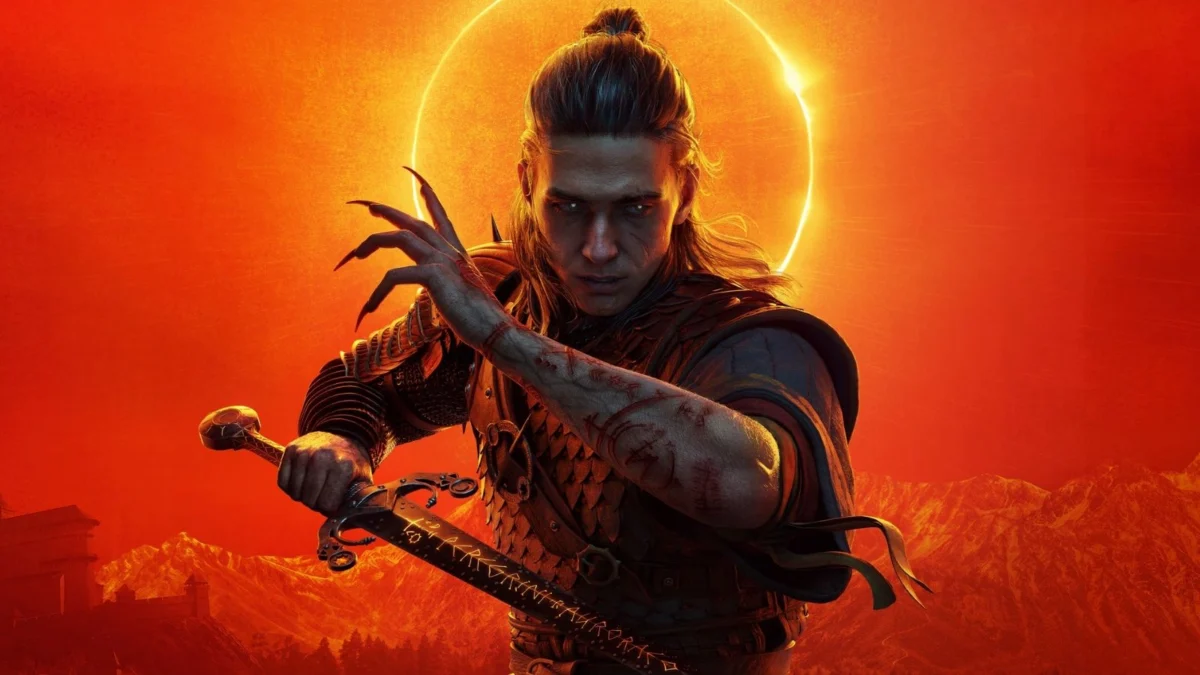
In an industry where new intellectual properties often struggle to find a foothold, The Blood of Dawnwalker has emerged as a rare, resounding triumph. Developed by Rebel Wolves—a studio founded by industry veterans with deep roots in the Witcher 3 development team—the game has defied market trends, shattering sales records and securing critical acclaim within just 72 hours of its debut.
The studio’s rapid pivot toward expanding the franchise, marked by a high-profile search for a new Lead Writer, signals that the Dawnwalker saga is not merely a singular experiment in dark fantasy, but the cornerstone of a sprawling, multi-era epic.
The Million-Copy Milestone: A Stunning Debut
The success of The Blood of Dawnwalker is statistically significant. Surpassing one million units sold in less than three days is a feat typically reserved for established, AAA sequels backed by decades of brand recognition. For a brand-new IP, it is an anomaly that underscores the market’s hunger for high-quality, narrative-driven RPGs.
Critics have been effusive in their praise, frequently drawing parallels to the maturity and mechanical depth of the Witcher series. By blending intricate character work with a fresh take on vampire lore, Rebel Wolves managed to captivate both genre veterans and newcomers. The game’s performance has provided the studio with a substantial financial and reputational "runway," allowing them to immediately invest in the future of the Dawnwalker universe without the typical period of post-launch stabilization often required by smaller studios.
Chronology: From Concept to Global Phenomenon
To understand the trajectory of Rebel Wolves, one must look back at the studio’s deliberate approach to development and communication:
- Foundation: Rebel Wolves was established by former CD Projekt Red developers with the specific goal of creating "next-generation" narrative RPGs that prioritize player agency and dense, meaningful world-building.
- The Teaser Phase: Throughout early 2026, the studio maintained a drip-feed of information. They successfully managed to build anticipation despite the hurdles of high hardware requirements, which sparked intense online debate regarding the game’s graphical fidelity and optimization.
- The June Reveal: During the mid-year showcase, Rebel Wolves pulled back the curtain on the broader vision. The reveal trailer was a masterclass in tone, transitioning the protagonist, Coen, from the gritty atmosphere of 14th-century Europe into a modern-day setting. This confirmed the theory that Dawnwalker was intended to be a multi-generational saga.
- Launch and Success: Upon release, the game was met with immediate, near-universal critical praise. The "million sales" milestone was reached within 72 hours, confirming the viability of the studio’s long-term roadmap.
- The Expansion Hunt: Currently, the studio has shifted focus to the next chapter, formalizing the expansion of their narrative team to handle the scope of the upcoming entries.
Supporting Data: Why the Narrative Team is Growing
The recent job listing for a Lead Writer, posted via professional networks and linked to the studio’s Warsaw headquarters, is more than just a recruitment effort; it is a declaration of intent.
Under the guidance of Narrative Director Jakub Szamałek, the incoming Lead Writer will be tasked with an immense challenge: maintaining the integrity of the Dawnwalker lore as the setting pivots across time periods.
The Challenges of Temporal Narrative
- Lore Consistency: Ensuring that actions taken in the 14th century have resonance in later, more modern settings.
- Character Evolution: Writing a protagonist like Coen who must adapt to changing societal norms and technologies over centuries of existence.
- Scale Management: Managing a team of writers to ensure that the "voice" of the game remains consistent even as the geographical and temporal scope of the world expands.
The job description explicitly calls for a "documented track record," suggesting that Rebel Wolves is seeking an individual who can handle the pressures of a project with high commercial stakes. The role involves managing dialogue trees, cutscene direction, and the overarching thematic architecture of the next entry.
Official Responses and Strategic Vision
Rebel Wolves has maintained a transparent, albeit ambitious, communication strategy. Narrative Director Jakub Szamałek has been vocal about the studio’s design philosophy. In previous statements, Szamałek emphasized that the Dawnwalker saga is designed to be a "living, breathing entity."

"We are not looking at this as a series of standalone games," a studio representative noted in a recent internal briefing. "We are looking at this as a canvas that stretches across centuries and continents. Every time we move forward in time, the world must change—not just the aesthetics, but the political, magical, and social frameworks of the world itself."
The decision to offer both Warsaw-based and remote options for the Lead Writer position also highlights the studio’s commitment to securing the best global talent to realize this vision. By recruiting someone to report directly to Szamałek, the studio is ensuring that the core narrative "DNA" of The Blood of Dawnwalker remains intact as the team scales up.
Implications: The Future of the Dawnwalker Saga
The implications of this recruitment push are profound. Firstly, it confirms that The Blood of Dawnwalker will not be left behind as a standalone title; it is the genesis of a long-term franchise. Secondly, the focus on a "Lead Writer" suggests that the next chapter is already in active, high-level development, moving beyond the conceptual phase.
Potential Impact on the RPG Market
The success of this franchise has effectively challenged the narrative that "new IP is dead." By prioritizing a deep, historical, and multi-era approach, Rebel Wolves is carving out a niche that sits between the historical realism of titles like Kingdom Come: Deliverance and the dark fantasy elements of the Witcher series.
However, the studio must balance this ambition with the technical realities that plagued the initial launch. The "eye-watering" PC requirements mentioned by critics and fans alike—which necessitated top-tier graphics cards—remain a hurdle for wider adoption. As the studio moves into the next chapter, it will be interesting to see if they optimize their proprietary engine to be more accessible, or if they continue to double down on bleeding-edge graphical fidelity that pushes hardware to its breaking point.
What Lies Ahead for Coen?
As for the protagonist, Coen, the transition into the modern day—or even other historical epochs—presents a unique set of storytelling opportunities. Can a vampire hunter, bound by the codes of the 14th century, survive the complexities of the 21st? Can the narrative effectively bridge the gap between sword-and-sorcery and the modern era without losing the "soul" of the franchise?
Rebel Wolves is betting that the answer lies in a robust, multi-disciplinary writing team. By bringing in a fresh Lead Writer to oversee the next chapter, the studio is signaling that they are not content to rest on their laurels. They are building a world that they hope will define the next decade of role-playing games.
As the industry watches, the "Blood of the Dawnwalker" is proving to be not just a game, but a saga that is only beginning to bare its teeth. Whether they can replicate the lightning-in-a-bottle success of the first entry remains to be seen, but the foundation has been laid, the team is growing, and the narrative stakes have never been higher.