

By Joao Silva | Gaming Peripherals Desk
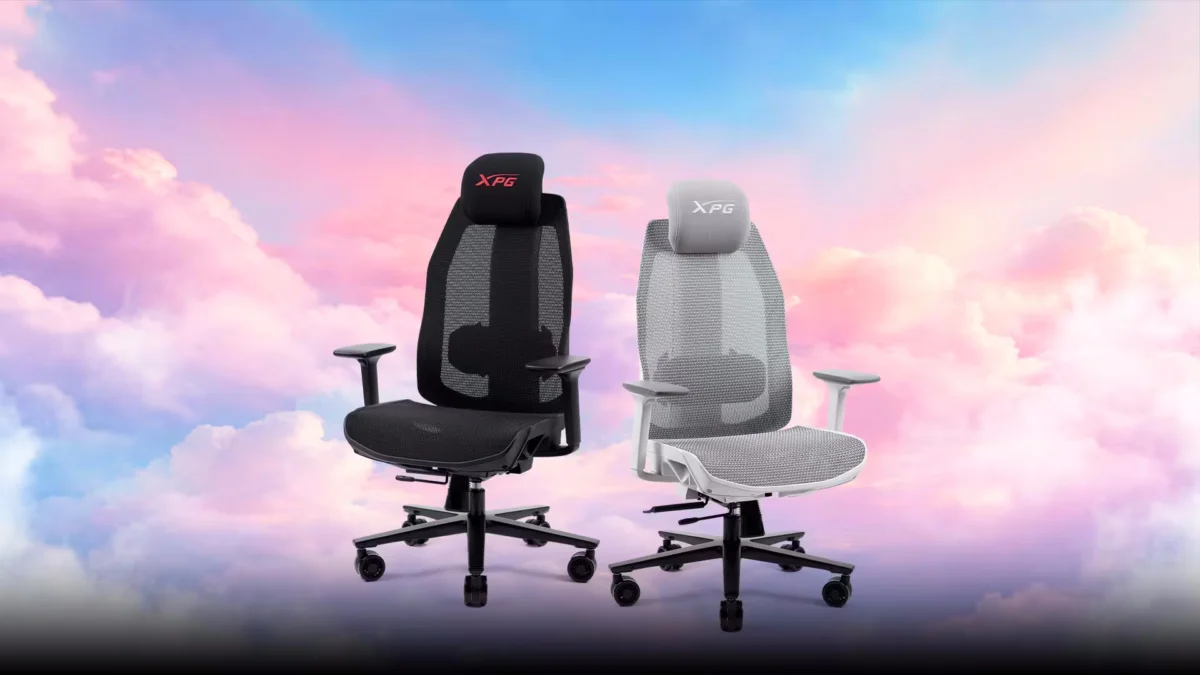
In the competitive landscape of gaming furniture, where the intersection of ergonomics and aesthetic appeal is increasingly crowded, XPG—the high-performance gaming brand under the Adata umbrella—has just significantly raised the bar. The company has officially announced the global rollout of its latest seating solutions: the Nimbus and the Nimbus Plus. By offering two distinct design philosophies—one prioritizing breathable, high-tension mesh and the other focusing on traditional high-density foam comfort—XPG is clearly attempting to cater to the diverse requirements of long-term PC users, from hardcore esports competitors to remote-working professionals.
Main Facts: The New Standard in Seating
The launch of the Nimbus series arrives at a time when ergonomics in the gaming space is shifting away from the "racing bucket" trend toward more functional, health-conscious designs.
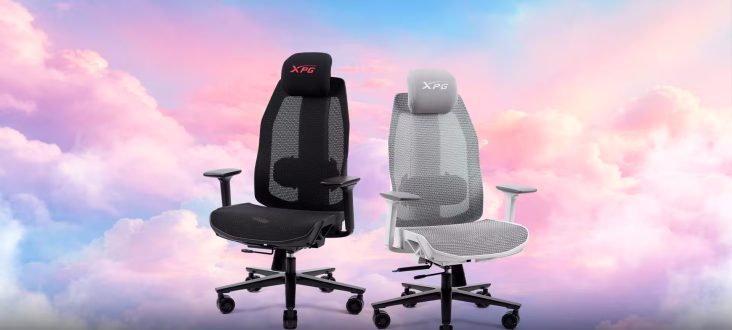
The Nimbus Plus serves as the brand’s new flagship. It represents a pivot toward advanced materiality, utilizing a full-frame, high-elasticity breathable mesh. This material choice is not merely aesthetic; it is engineered for thermoregulation, ensuring that users remain cool during marathon sessions. Key specifications for the Nimbus Plus include:
- Adaptive Ergonomics: A dual-axis headrest that moves in tandem with the user’s posture and adaptive dynamic lumbar support.
- Customization: 4D adjustable armrests that allow for height, width, depth, and angle customization.
- Seat Geometry: An adjustable seat depth mechanism that allows users to slide the cushion forward or backward to optimize thigh support.
- Recline: A robust recline mechanism allowing for up to 130° of tilt with four distinct locking positions.
Conversely, the standard Nimbus model leans into a more traditional, minimalist design language. It replaces the mesh with an 8cm-thick, high-density foam seat cushion, supported by a curved internal plywood structure designed for long-term shape retention. While it foregoes some of the high-end modularity of the "Plus," it offers:
- Unibody Construction: A singular backrest design that seamlessly integrates the headrest and lumbar support for a clean, streamlined look.
- Adjustability: A height-adjustable backrest and 2D armrests.
- Recline: A 130° recline feature with three locking positions.
Chronology: The Development of the Nimbus Line
The development cycle for the Nimbus series reflects XPG’s broader strategy to transition from a components-focused brand to a lifestyle-integrated hardware provider.
Early internal R&D at XPG began over 18 months ago, focusing on the common complaints leveled against standard "gaming chairs": lack of breathability, poor lumbar support, and the tendency for seat cushions to bottom out after a few months of heavy use. Throughout the latter half of 2025, XPG conducted extensive user-testing phases. During these trials, the company realized that "one size fits all" does not apply to gaming ergonomics. Feedback loops from these testing phases led to the final bifurcation of the line: the Nimbus Plus for the enthusiast who values micro-adjustability, and the standard Nimbus for the user who values a traditional, cushioned feel.
By the second quarter of 2026, the designs were finalized, and the production lines were geared toward meeting BIFMA (Business and Institutional Furniture Manufacturers Association) and TUV (Technischer Überwachungsverein) standards. The global launch occurring this month marks the culmination of this rigorous quality assurance process.
Supporting Data: Durability and Engineering Standards
XPG has made it clear that the Nimbus series is built to endure the rigors of daily use. Both models share a unified foundation of engineering excellence, ensuring that the "budget" vs. "premium" distinction is purely ergonomic, rather than structural.
Structural Integrity
Both the Nimbus and Nimbus Plus are built upon a 350mm metal five-star base, providing a wide footprint for stability during aggressive gaming sessions. The core lift mechanism is a Class-4 gas lift—the gold standard in the industry—ensuring smooth height transitions and long-term reliability.
Weight Capacity and Mobility
Both models are rated for a maximum weight capacity of 120kg (approximately 265 lbs), which aligns with the industry average for high-quality consumer seating. Perhaps more importantly, XPG has equipped these chairs with 75mm polyurethane silent casters. Unlike cheaper nylon wheels that can scratch hardwood floors or get stuck on carpet, these larger, softer-touch casters are designed for silent, smooth movement across various floor types.
Safety and Certification
By securing BIFMA and TUV certifications, XPG is positioning these chairs as "prosumer" grade. These certifications require the chairs to undergo rigorous testing for seat drop, backrest fatigue, and base stability. For the consumer, this serves as an implicit guarantee that the product has been tested against real-world scenarios, such as sudden shifts in body weight or sustained pressure on the recline mechanism.
Official Responses and Strategic Vision
While XPG has not released a transcript of a press conference, the company’s internal messaging emphasizes a shift toward "Human-Centric Engineering."
A representative from XPG’s product development team noted, "Our goal was to solve the ‘gaming chair fatigue’ issue. By providing the Nimbus Plus with mesh, we address the heat retention issue that plagues traditional leather-bound gaming chairs. By providing the Nimbus with high-density foam, we respect the user who finds mesh too firm or clinical. We are not just selling a seat; we are providing a foundation for a high-performance workstation."
Market analysts suggest that this dual-product strategy is a direct response to the success of ergonomic office furniture brands. By merging the aggressive aesthetic of gaming brands with the functional mechanics of office furniture, XPG is looking to capture a market segment that is tired of flashy but uncomfortable chairs.
Implications for the Gaming Furniture Market
The introduction of the Nimbus series carries several implications for the peripheral market:
- The Death of the "Racing Bucket": With major manufacturers like XPG pivoting toward mesh and functional lumbar support, the era of the flat, bucket-style gaming seat—which was often criticized for poor ergonomics—may be coming to an end.
- The "Prosumer" Price Point: Because the Nimbus series offers high-end features like 4D armrests and TUV-certified gas lifts, it challenges the mid-tier market. Consumers who previously looked at expensive, boutique office chairs might now find a viable, more affordable alternative within the gaming ecosystem.
- Cross-Over Appeal: The clean aesthetic of the Nimbus suggests that XPG is targeting the hybrid worker. These are chairs that look just as at home in a professional home office as they do in a streamer’s studio.
KitGuru’s Final Take
The decision to release two distinct models is a clever market move. By segmenting the audience, XPG ensures that they don’t alienate either the "mesh-purist" or the "foam-traditionalist."
If your primary concern is thermoregulation and the ability to fine-tune your chair to the millimeter—a necessity for those who spend 10+ hours a day in front of a monitor—the Nimbus Plus is the clear winner. The dual-axis headrest and adaptive lumbar support are features usually found in chairs double the price.
Conversely, for the user who wants a robust, "set it and forget it" chair that offers a plush, supportive seat, the standard Nimbus provides a compelling, lower-cost alternative without sacrificing the build quality of the base, the gas lift, or the casters.
Ultimately, XPG has succeeded in creating a series that feels cohesive, professional, and built for the long haul. As the boundary between the office and the gaming den continues to blur, the Nimbus series arrives as a well-timed, well-engineered solution for the modern user. Whether you prioritize the cooling sensation of mesh or the classic support of dense foam, XPG’s new lineup is a serious contender for your next desk upgrade.











