Nana
Nana
For years, the digital assistant landscape was dominated by a singular, utilitarian tone. Whether it was Siri, Google Assistant, or Amazon’s Alexa, the interface was designed for efficiency, clarity, and neutrality. However, as the smart home ecosystem has matured, users have expressed a growing desire for more expressive, personalized interactions. Amazon has responded to this demand by evolving Alexa from a one-size-fits-all virtual aide into a customizable platform, allowing for variations in voice profiles and, more recently, distinct personality styles.
For Amazon Prime and Alexa+ members, the era of the monotonous, sterile AI is effectively over. Users now have the agency to transform their devices into entities that feel more like a conversational partner than a robotic command-line interface.
The Evolution of AI Interaction: Main Facts
The primary shift in Amazon’s strategy involves decoupling the assistant’s "intelligence" from its "delivery." Previously, changing a voice setting was a purely aesthetic choice. Today, the introduction of personality styles—ranging from "Sassy" to "Brief"—allows users to curate the nature of their feedback without altering the fundamental utility or accuracy of the AI.
Currently, eligible users can select from eight distinct voice types, depending on their geographic region. These voices differ in pitch, cadence, and inflection, providing a more natural auditory experience. When combined with the new personality styles, the potential for customization is significant. It is important to note, however, that these changes are strictly device-specific. If you own multiple Echo devices—perhaps a Show in the kitchen, a Dot in the bedroom, and an Input in the living room—you must configure each unit individually to ensure a consistent experience across your household.
A Chronological Look at Alexa’s Customization Journey
To understand the current state of Alexa, one must look at how far the technology has come since the launch of the original Amazon Echo in 2014.
- 2014–2017: The Era of Uniformity. When Alexa first arrived, there was only one voice. The focus was entirely on speech recognition accuracy and the integration of third-party "Skills."
- 2018–2020: The "Whisper" and Beyond. Amazon introduced "Whisper Mode," allowing the device to detect when a user is whispering and respond in kind—a major step toward human-like empathy. This period also saw the introduction of limited, high-profile celebrity voices, such as Samuel L. Jackson.
- 2021–2023: The Personality Pivot. Amazon began phasing out the limited-time celebrity guest voices, shifting focus toward synthetic neural voice technology. This allowed for more natural-sounding, permanent voice variants.
- 2024 and Beyond: The Personality Styles Era. The recent rollout of "Brief," "Chill," "Sweet," and "Sassy" marks a turning point. Instead of just changing the sound of the voice, Amazon is now experimenting with the linguistic tone of the AI’s responses, signaling a move toward more nuanced human-computer interaction.
Supporting Data: Why Tone Matters
User experience (UX) research consistently indicates that the "persona" of a digital assistant significantly impacts user satisfaction. According to internal metrics and third-party industry studies, users who feel their device has a "personality" are statistically more likely to engage with the device for non-essential tasks, such as casual conversation or entertainment.
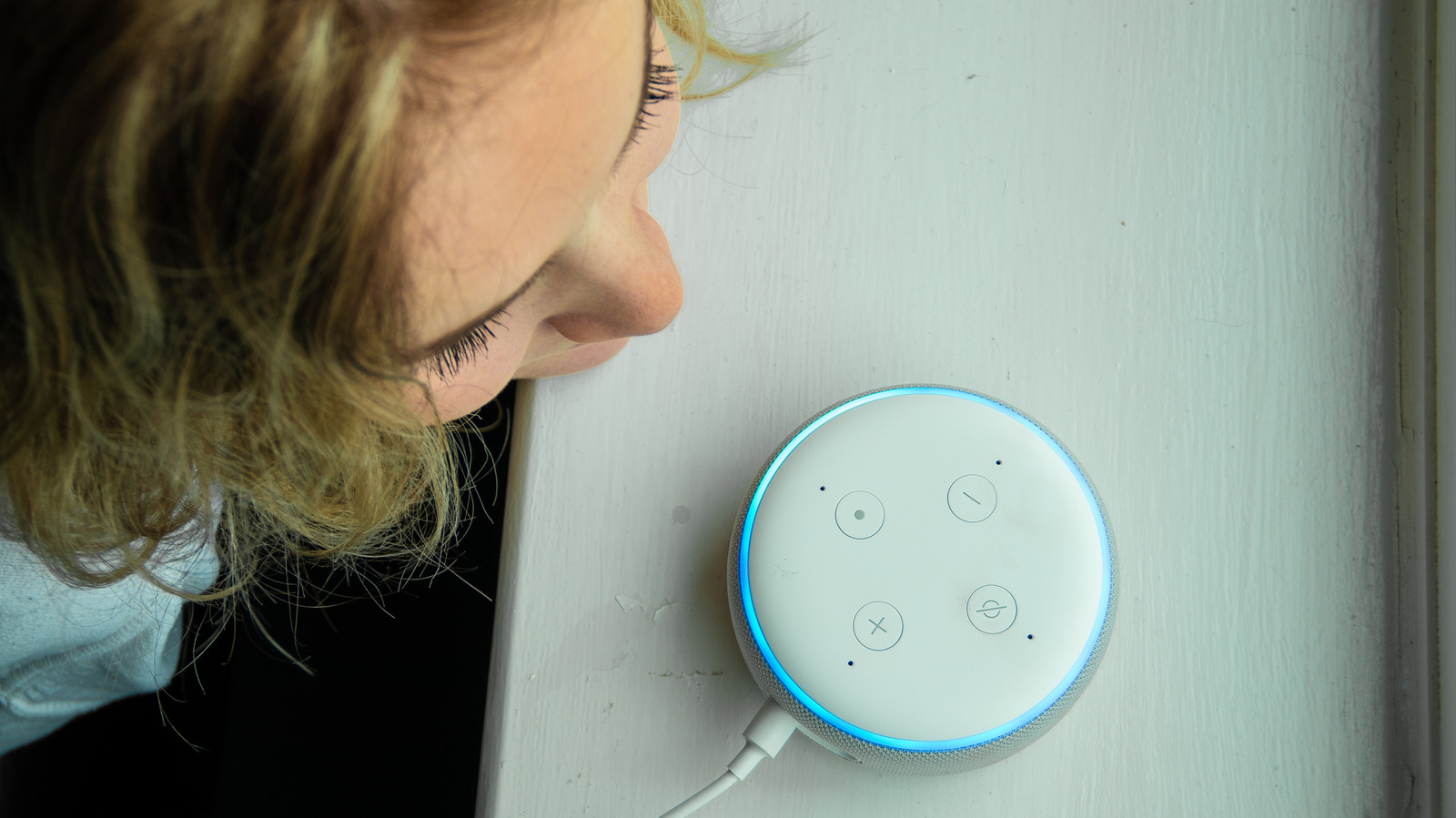
While the "Sassy" personality style—which offers a more playful, witty, and sometimes sarcastic edge—has garnered significant social media attention, it remains a purely stylistic layer. The underlying Large Language Models (LLMs) powering the device’s data retrieval remain identical. Whether you choose the "Brief" setting (which cuts the preamble and gets straight to the point) or the "Sweet" setting (which adds a layer of warmth and encouragement), the factual output remains consistent.
Official Responses and Accessibility
Amazon has been careful to frame these updates as "enhancements to user comfort" rather than a fundamental change in utility. Regarding the "Sassy" personality, the company has implemented an "adults only" verification step. This is not necessarily due to explicit content, but rather because the AI may occasionally offer dry wit or light teasing, which Amazon felt required a degree of user consent.
For parents, the customization options extend into child-safe modes. If you possess a device configured for children and an active Amazon Kids+ subscription, you can access animal-themed voices. This is a critical design choice, as it helps create a distinct boundary between the adult-oriented functions of the household and the educational, age-appropriate environment intended for children.
Step-by-Step Configuration: How to Customize
For those looking to overhaul their device’s persona, the process is streamlined through both voice commands and the mobile app.
Changing the Voice
- Voice Command: Simply say, "Alexa, change your voice." The assistant will walk you through the available catalog.
- App Method: Navigate to the Devices tab in the Alexa app. Select your specific device, then go to Device Settings > Alexa’s Voice.
Changing the Personality Style
- Voice Command: Say, "Alexa, change your personality style."
- App Method: In the Alexa app, go to Devices > Your Device > Device Settings > Alexa’s Personality Style. Swipe through the options:
- Brief: Minimizes chatter for those who want quick answers.
- Chill: Casual, relaxed, and conversational.
- Sweet: Encouraging, warm, and friendly.
- Sassy: Witty, playful, and occasionally snarky.
- Original: The classic, neutral Alexa experience.
The Implications of a "Human-Like" AI
The shift toward customizable personalities has profound implications for the future of the smart home. As these models become more sophisticated, the "uncanny valley"—the point where an AI sounds almost, but not quite, human—becomes a significant design challenge.
1. Psychological Anchoring
By allowing users to choose a "Sweet" or "Sassy" personality, Amazon is effectively letting the user "anchor" the AI into a social role. A user who sets their kitchen device to "Sweet" may be subconsciously seeking a more supportive environment, while a user setting their office device to "Brief" is prioritizing efficiency. This segmentation allows the same piece of hardware to serve different psychological needs in different rooms.
2. The Wake Word Debate
While personality and voice are easily changed, the "wake word" remains the anchor of the device. However, as the article suggests, there is a certain aesthetic coherence to be found in matching the personality to the name. If you have customized your device to be "Sassy," changing the wake word to something less formal may feel like a logical next step to complete the "rebranding" of your smart home companion.
3. Future-Proofing the Smart Home
We are currently in a transition period. We have moved past the novelty of "celebrity voices" and into a era of "behavioral customization." In the near future, it is likely that we will see even more granular control—perhaps the ability to adjust the verbosity of the AI, the speed of the speech, or even the regional accent of the assistant to better match the user’s cultural context.
Final Considerations: A Warning on Consistency
It is vital to reiterate that these settings do not sync globally across your Amazon account. This is a deliberate design choice by Amazon to respect the varied use cases of different family members. A teenager’s room might be set to "Sassy," while the master bedroom remains on the "Original" setting for early-morning news briefings.
As you embark on customizing your Echo ecosystem, remember that the goal is to make the technology serve your lifestyle, not the other way around. Whether you are seeking a bit of humor to start your day or a concise, no-nonsense assistant to manage your calendar, the tools are now at your disposal to tailor your digital environment to your specific preferences. The future of the smart home isn’t just about what the device can do—it’s about how it makes you feel while doing it.

 Rifan Muazin
 Nila Kartika Wati