Asep Darmawan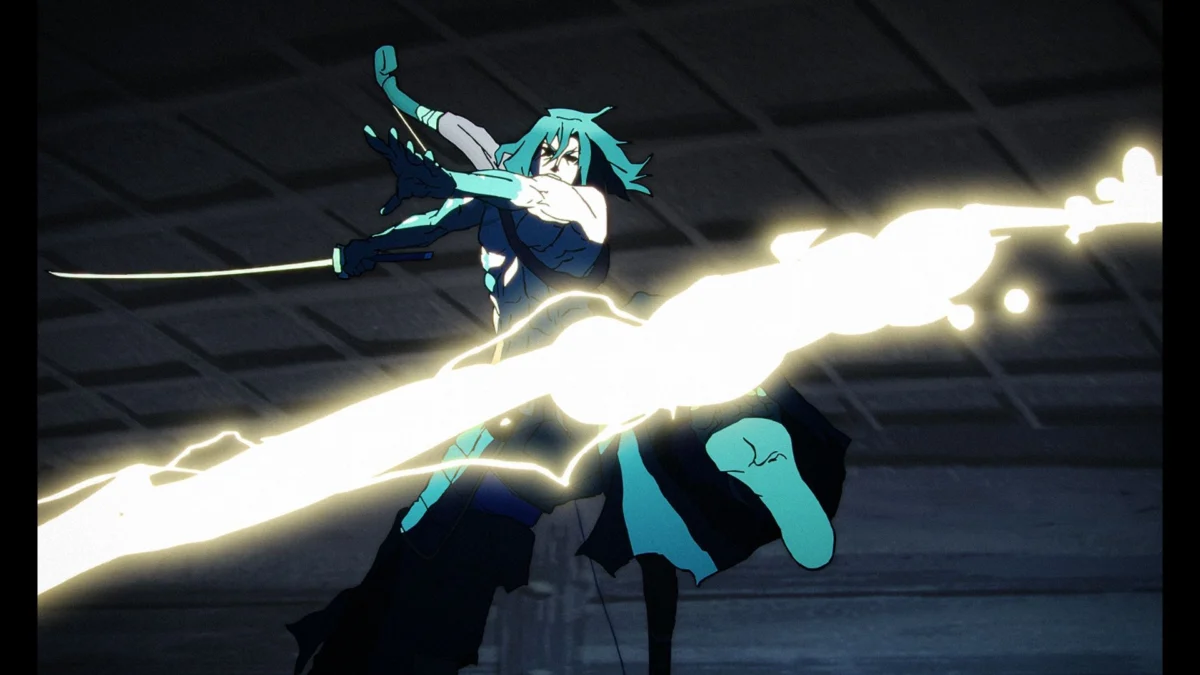
Annecy, France – June 26, 2026 – In a highly anticipated revelation at the prestigious 2026 Annecy International Animation Film Festival, Kenichi Kutsuna, the director of the upcoming anime feature film Sekiro: No Defeat, offered unprecedented insights into his ambitious vision for adapting FromSoftware’s critically acclaimed action-adventure title, Sekiro: Shadows Die Twice. Kutsuna emphasized a meticulous focus on translating the game’s distinctive combat mechanics and palpable sense of struggle directly to the screen, promising an experience that resonates deeply with the core gameplay loop fans adore.
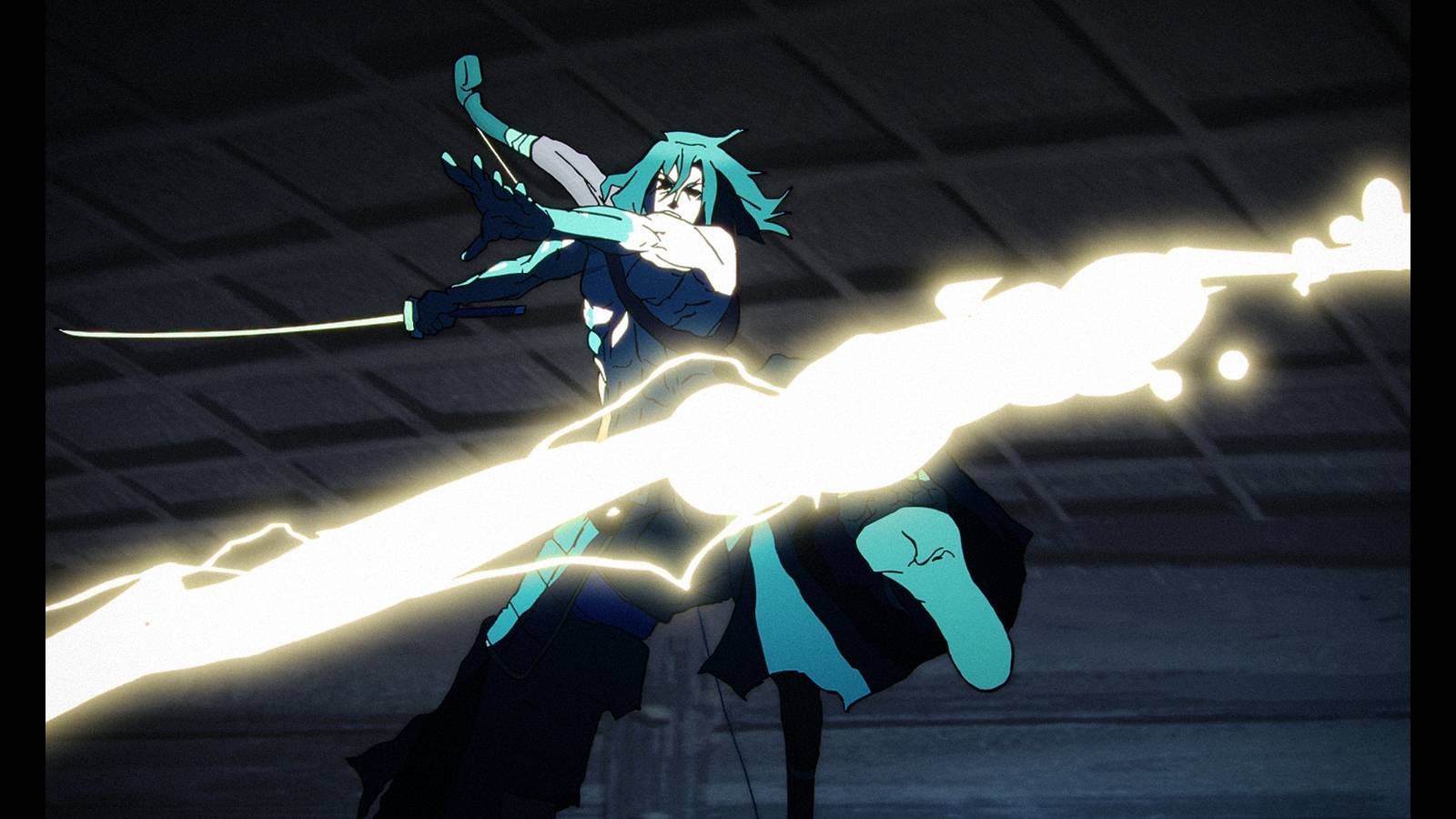
During an exclusive interview with Polygon, Kutsuna detailed how his team meticulously integrated the game’s signature "guard" system, a pivotal element of Sekiro‘s challenging combat. "One of the biggest elements that I put in the movie is the guard that you have in the game," Kutsuna explained. "When you watch the movie, you can actually see through the sound and the image where there was a guard and when there wasn’t one." This commitment extends beyond mere visual representation, aiming to immerse viewers in the intense, rhythmic parrying and deflection that define Sekiro’s encounters. Furthermore, the director articulated a profound desire to convey the grueling sensation of conquering a formidable boss, stating, "I really put a lot of thought into it and through the storytelling, we tried to actually make the viewers feel this difficulty, like after a combat scene people will say, Oh my God, I actually watched something that felt difficult."
The challenge of condensing a game that typically demands over 30 hours to complete into a feature-length film was not lost on Kutsuna, who acknowledged the difficult decisions made regarding content. "If we had put everything in, the movie would last maybe eight hours, so we had to make choices," he admitted, citing the beloved Mibu Village as one of the areas he regrettably had to omit. Sekiro: No Defeat, produced by Qzil.la and ARCH, is slated to premiere in Japanese cinemas on September 4 for a three-week theatrical run, with a global streaming release on Crunchyroll to follow at an unannounced date. This adaptation marks a significant moment for FromSoftware’s revered intellectual property, promising to set a new benchmark for how interactive experiences can be faithfully and compellingly reimagined in animation.
Main Facts: Translating Interactive Combat to Cinematic Art
The core announcement from Director Kenichi Kutsuna at the Annecy Animation Festival revolves around his innovative approach to adapting Sekiro: Shadows Die Twice. Unlike many video game adaptations that struggle to capture the essence of player interaction, Kutsuna is hyper-focused on embedding the fundamental mechanics of Sekiro‘s combat directly into the narrative and visual language of the anime film. The "guard" mechanic, a cornerstone of the game’s posture-based combat system, is not merely depicted but integrated to be felt by the audience through a sophisticated interplay of sound design and visual cues. This ambitious goal aims to replicate the visceral satisfaction and tension derived from successfully deflecting an enemy’s onslaught, a sensation previously exclusive to the player.
Kutsuna’s vision extends to evoking the sheer difficulty and perseverance required to overcome Sekiro‘s notoriously challenging boss encounters. By meticulously crafting the narrative and action sequences, he intends for viewers to experience a vicarious sense of exhaustion and triumph, mirroring the player’s journey through arduous battles. This artistic choice directly addresses a common criticism of video game adaptations: their inability to convey the personal investment and achievement inherent in gameplay. The director’s commitment to this philosophy suggests a deep understanding of the source material and its dedicated fanbase.
The practicalities of adapting a sprawling, 30-hour game into a cinematic format necessitated significant narrative pruning. Kutsuna confirmed that beloved areas and boss fights, such as Mibu Village, were among the elements that had to be cut to maintain a coherent and manageable film length. This selective approach highlights the difficult balance between faithfulness to the source and the demands of cinematic storytelling. Despite these necessary omissions, the director’s emphasis remains on preserving the spirit and core experience of Sekiro.
Sekiro: No Defeat is a collaborative effort by studios Qzil.la and ARCH, signaling a high-production value project. Its premiere at the Annecy Festival, a globally recognized event for animation, underscores its artistic ambition and potential significance within the animation industry. The film’s staggered release, beginning with a limited theatrical run in Japan on September 4, followed by a broader streaming release on Crunchyroll, indicates a strategic rollout designed to maximize both critical acclaim and global accessibility. This adaptation is poised to test the boundaries of how video game narratives and mechanics can be successfully translated into compelling animated features.
Chronology: FromSoftware’s Masterpiece to Animated Epic
The journey of Sekiro: Shadows Die Twice from a groundbreaking video game to an anticipated anime adaptation is a testament to its enduring impact and unique appeal. Understanding this timeline provides crucial context for the significance of Sekiro: No Defeat.
FromSoftware’s Legacy of Challenge (Pre-2019)
Before Sekiro, Japanese developer FromSoftware had already cemented its reputation as a pioneer of challenging, atmospheric action RPGs. Titles like Demon’s Souls (2009), the Dark Souls trilogy (2011-2016), and Bloodborne (2015) established a distinct genre often referred to as "Souls-likes." These games were characterized by intricate world-building, cryptic lore, demanding combat, and a unique sense of accomplishment derived from overcoming immense odds. While Sekiro shares this DNA, it also marked a significant departure in several key aspects.
Sekiro: Shadows Die Twice – A New Era of Combat (2019)
Sekiro: Shadows Die Twice was released worldwide on March 22, 2019, by Activision. Developed under the direction of Hidetaka Miyazaki, the game represented an evolution for FromSoftware. Set in a reimagined Sengoku-period Japan, it cast players as the "one-armed wolf," Sekiro, a shinobi tasked with rescuing his young lord. Unlike its predecessors, Sekiro focused on a single, defined protagonist and a more direct narrative. Crucially, its combat system diverged dramatically, emphasizing aggressive swordplay, precise parrying (the "guard" mechanic), and the "Posture" system, which allowed players to break an enemy’s stance for a finishing "Deathblow." The game also introduced a grappling hook for enhanced verticality and exploration, along with a unique resurrection mechanic. Sekiro was met with universal critical acclaim, winning numerous Game of the Year awards, lauded for its innovative combat, breathtaking art direction, and immersive world. Its success solidified FromSoftware’s status as a creative powerhouse and cultivated a passionate, dedicated fanbase.
Buzz and Anticipation for an Adaptation (2020-2025)
Following Sekiro‘s immense success, discussions and speculation about potential adaptations began almost immediately within fan communities. The game’s rich narrative, compelling characters, and cinematic action sequences made it a prime candidate for translation to other media. While official announcements were initially scarce, industry insiders and anime news outlets began to report on the potential for a Sekiro anime around 2020-2021. The rising trend of successful video game adaptations, particularly in the anime sphere (e.g., Castlevania, Cyberpunk: Edgerunners), created a fertile ground for such a project. Whispers of a high-profile director taking the helm and the involvement of established animation studios circulated, building anticipation.
The Official Unveiling and Production (2025-2026)
The official announcement of Sekiro: No Defeat by Qzil.la and ARCH, with Kenichi Kutsuna as director, reportedly came in late 2025. This news was met with considerable excitement and scrutiny from the global gaming and anime communities. Kutsuna, known for his dynamic direction and attention to detail in previous projects (though specific titles are not widely publicized in this context, his reputation would precede him), was seen as a promising choice to tackle Sekiro‘s intricate action. Production ramped up quickly, with concept art and early animation tests reportedly circulating internally, hinting at a faithful yet artistically distinct visual style. The choice to title the film Sekiro: No Defeat subtly yet powerfully echoes the game’s themes of perseverance and the Shinobi’s unwavering resolve.
Annecy Premiere and Global Release (June-September 2026)
The decision to debut Sekiro: No Defeat at the 2026 Annecy International Animation Film Festival was a strategic move, positioning the film as a significant artistic achievement rather than just a commercial adaptation. Annecy is renowned for showcasing the best in global animation, and a premiere there lends immediate credibility and critical attention. Director Kutsuna’s interview at the festival provided the first concrete details about the film’s creative philosophy and adaptation challenges. With the festival buzz now in full swing, the film is set for its Japanese theatrical release on September 4, 2026, for a limited three-week engagement, followed by its highly anticipated global streaming debut on Crunchyroll. This phased release strategy aims to build momentum and cater to both the traditional cinematic experience and the broad reach of modern streaming platforms.
Supporting Data: The Intricacies of Adaptation and FromSoftware’s Lore
The success of Sekiro: No Defeat hinges on its ability to navigate a complex landscape of expectations, historical challenges in game adaptations, and the unique characteristics of FromSoftware’s storytelling. Director Kutsuna’s stated intentions align with best practices observed in recent successful adaptations.
The Historical Quagmire of Video Game Adaptations
For decades, video game adaptations were synonymous with critical and commercial failure. The primary pitfall lay in the fundamental difference between interactive and passive media. Games provide agency, allowing players to embody the protagonist, make choices, and experience personal triumphs. Films, by necessity, remove this agency, often leading to shallow narratives, underdeveloped characters, and a diluted sense of achievement. Early attempts frequently failed to understand the source material, opting for superficial mimicry or drastically altering core elements, alienating fanbases. The challenge is not merely to retell a story but to translate the feeling of playing the game.
The Renaissance of Game-to-Screen Adaptations
In recent years, a new wave of adaptations has emerged, demonstrating that success is possible with respect, understanding, and artistic vision. Animated series like Netflix’s Castlevania and Cyberpunk: Edgerunners, alongside live-action successes such as HBO’s The Last of Us and even the blockbuster The Super Mario Bros. Movie, have shown a path forward. These successes often share common traits: deep respect for the source material’s lore and characters, a willingness to adapt rather than merely replicate, collaboration with original creators, and a focus on translating thematic and emotional core elements rather than simply plot points. Kutsuna’s emphasis on the "guard" mechanic and the feeling of difficulty directly taps into this ethos, aiming to translate the gameplay experience itself.
FromSoftware’s Esoteric Narrative Style
FromSoftware games are renowned for their distinct narrative approach. Instead of explicit exposition, they rely heavily on environmental storytelling, item descriptions, cryptic NPC dialogues, and player interpretation. This creates a rich, ambiguous world that encourages exploration and theorizing. While Sekiro features a more direct narrative than Dark Souls, its lore is still deeply layered and often left for the player to piece together. Adapting this style for a linear film presents both a challenge and an opportunity. The anime must condense and clarify the story for a broader audience without losing the mystique and depth that FromSoftware fans cherish. Kutsuna’s team must decide which narrative threads to foreground and how to visually convey the nuanced lore embedded in the game’s world.
The Precision of Sekiro’s Combat System
The "guard" mechanic Kutsuna highlights is central to Sekiro‘s combat identity. Unlike the dodge-heavy combat of Dark Souls, Sekiro rewards aggressive, precise deflections. The "Posture" gauge, shared by both Sekiro and his enemies, dictates the flow of battle. Successfully parrying attacks fills an enemy’s Posture gauge, making them vulnerable to a "Deathblow" – a cinematic finishing move. This system creates a rhythmic, high-stakes dance between attack and defense. For Kutsuna to translate this into an anime means not just showing swords clashing, but conveying the impact of a successful deflection, the precise timing, the momentary stun, and the build-up to a Deathblow. This requires exceptional animation, intricate sound design, and dynamic cinematography to make passive viewing feel as engaging as active playing. The director’s ambition to make viewers "feel this difficulty" is directly tied to the unforgiving nature of Sekiro‘s combat, where a single misstep can lead to death.
Thematic Resonance of Sekiro
Beyond its mechanics, Sekiro: Shadows Die Twice delves into profound themes: immortality and its curse, duty and sacrifice, the cycle of violence, and the definition of humanity. The protagonist, Sekiro, is bound by an unwavering oath to protect his young lord, Kuro, who carries the Dragon’s Heritage – a power granting immortality. This gift, however, brings suffering and disease to those around them. The narrative explores the moral dilemmas of defying fate, the weight of a shinobi’s duty, and the personal cost of seeking power. The title Sekiro: No Defeat itself hints at these themes, embodying the wolf’s relentless pursuit of his goal, even in the face of overwhelming odds. A successful adaptation must not only deliver thrilling action but also faithfully explore these complex philosophical underpinnings, giving the film emotional depth beyond mere spectacle.
Official Responses: Kutsuna’s Vision and Studio Dedication
The insights provided by Director Kenichi Kutsuna at the Annecy Festival represent the primary "official response" concerning Sekiro: No Defeat. His statements offer a direct window into the creative philosophy guiding this ambitious adaptation.
Director Kenichi Kutsuna’s Vision: The Art of Emulation
Kutsuna’s detailed explanation of integrating the "guard" mechanic is more than a technical detail; it’s a foundational artistic choice. He understands that Sekiro‘s identity is intrinsically linked to its combat rhythm. By using sound and image to convey the precise moment of a successful guard, he is attempting to replicate the player’s sensory feedback, turning a passive viewing experience into an almost interactive one. This requires an acute understanding of how animation can simulate tactile and auditory responses. The director’s goal to make viewers "feel this difficulty" speaks to a commitment to emotional fidelity. He recognizes that the game’s challenge isn’t just about mechanics, but about the emotional investment players make in overcoming them. Translating this requires a nuanced approach to pacing, character reactions, and the visual weight of combat, ensuring that each blow, parry, and dodge carries genuine consequence. This vision suggests a director who is not just adapting a plot, but a gameplay experience.
Studio Statements: A Commitment to Fidelity
While Kutsuna’s voice is the most prominent, the involvement of Qzil.la and ARCH as production studios implies a shared commitment to his vision. Though specific studio statements beyond their production credit are not widely detailed, the quality implied by a premiere at Annecy suggests significant resources and artistic dedication. Industry observers would interpret their involvement as a pledge to high animation standards, meticulous attention to detail, and a willingness to invest in the complex sequences required to animate Sekiro‘s dynamic combat. It is highly probable that representatives from both studios have expressed immense dedication to preserving the game’s artistic integrity, intense combat, and thematic depth, viewing this project as a flagship title in the burgeoning field of high-quality video game adaptations. Their decision to back Kutsuna’s specific approach to combat mechanics underscores a belief in his ability to deliver a faithful yet cinematic experience.
FromSoftware’s Involvement and Blessing
The most critical "official response" in the eyes of the fanbase often comes from the original creators. While specific details of FromSoftware’s direct involvement in the day-to-day production of Sekiro: No Defeat remain under wraps, it is highly improbable that such a high-profile adaptation would proceed without their blessing and, at minimum, a consultative role. Developers like Hidetaka Miyazaki and his team at FromSoftware are fiercely protective of their intellectual properties. Industry insiders and precedents from other successful adaptations suggest a collaborative approach, where FromSoftware likely provided creative oversight, ensured fidelity to the lore, and approved key artistic directions. Their tacit endorsement, through the mere existence of the project, is a powerful signal to fans that the adaptation respects the original vision. This partnership is crucial for maintaining trust and ensuring the anime is seen as a legitimate extension of the Sekiro universe, rather than a mere cash-in.
Initial Critical Reception at Annecy
As Sekiro: No Defeat premiered at Annecy, initial critical responses would immediately become part of the official narrative. While specific reviews are not provided in the original text, a successful premiere would likely be met with positive buzz focusing on the animation quality, the faithfulness of the combat sequences, and the effectiveness of Kutsuna’s approach to "difficulty" and the "guard" mechanic. Early reactions from critics and industry professionals at such a prestigious festival often set the tone for broader public reception, highlighting aspects that resonate and validate the creative team’s choices. A strong showing at Annecy would significantly bolster confidence in the film’s ability to satisfy both die-hard fans and new audiences.
Implications: The Future of FromSoftware, Anime, and Game Adaptations
The release and reception of Sekiro: No Defeat carry significant implications for the future of FromSoftware’s intellectual properties, the anime industry, and the broader landscape of video game adaptations.
Paving the Way for Future FromSoftware Adaptations
If Sekiro: No Defeat achieves critical and commercial success, it could open the floodgates for further adaptations of FromSoftware’s revered catalog. The studio’s other iconic titles, such as the Dark Souls trilogy, Bloodborne, and the immensely popular Elden Ring, possess rich lore, memorable characters, and distinct combat styles that could translate compellingly to animation or even live-action. A successful Sekiro anime would provide a blueprint and a proof-of-concept for how to faithfully adapt these complex, challenging worlds, potentially leading to an entire cinematic universe built around FromSoftware’s grim yet captivating narratives. The challenge, of course, would be to maintain the unique identity of each game while adapting them, something Sekiro: No Defeat aims to demonstrate is achievable.
Elevating the Anime Industry’s Game Adaptation Niche
The anime industry has a strong track record with video game adaptations, but Sekiro: No Defeat, with its focus on intricate gameplay mechanics and a high-stakes action narrative, could elevate the standard for future projects. Its premiere at Annecy positions it as a work of artistic merit, not just a commercial venture. A successful execution could encourage other studios to invest in more ambitious, nuanced adaptations of challenging game IPs, moving beyond simpler narratives or visual styles. This could lead to a golden age of high-quality, mature video game anime that caters to both dedicated fans and new audiences, further blurring the lines between interactive and passive entertainment.
Setting a New Benchmark for Video Game Adaptations
Director Kutsuna’s explicit focus on translating the feel of gameplay mechanics, such as the "guard" system and the sense of "difficulty," could set a new benchmark for the entire video game adaptation industry. Where many adaptations have struggled with this aspect, Sekiro: No Defeat‘s success in this area would demonstrate a viable and effective strategy. Future directors and producers adapting interactive media would likely look to this film as a case study, exploring how to integrate core gameplay loops and player experiences into cinematic storytelling without losing the essence of what made the original game special. This could inspire more innovative approaches to bridging the gap between game and film.
Navigating High Fan Expectations
The Sekiro: Shadows Die Twice fanbase is passionate and discerning. Their expectations for Sekiro: No Defeat are undoubtedly high, particularly concerning the faithfulness of the combat, the portrayal of Sekiro and other iconic characters, and the handling of the game’s complex lore. While Kutsuna’s statements are reassuring, the true test will be the audience’s reaction to the final product. Any perceived missteps, narrative liberties, or compromises in action fidelity could draw criticism, regardless of critical acclaim. The limited theatrical release in Japan before a broader streaming debut is a strategic move, allowing initial feedback to be gathered and potentially influencing the global marketing strategy. The success of the film will largely depend on its ability to satisfy these ardent fans while also captivating newcomers.
The Significance of the Title "No Defeat"
The subtitle No Defeat for the anime is particularly evocative and loaded with thematic significance. In Sekiro: Shadows Die Twice, the protagonist, Sekiro, is known as the "one-armed wolf" who, despite numerous deaths (a core gameplay mechanic), always rises again. The game’s resurrection system reinforces this idea of relentless perseverance. "No Defeat" therefore serves as both a literal and metaphorical statement. It speaks to Sekiro’s unwavering resolve in the face of impossible odds, his refusal to yield even when seemingly vanquished. It also hints at the narrative arc of the film, suggesting a journey where ultimate victory is achieved through sheer tenacity. This title acts as a promise to fans and a powerful thematic anchor, encapsulating the spirit of the game in two simple words. Its implications suggest a film that will celebrate the very core of Sekiro’s identity: a warrior who knows no surrender.

 Lina Irawan
 Sagoh
Sagoh